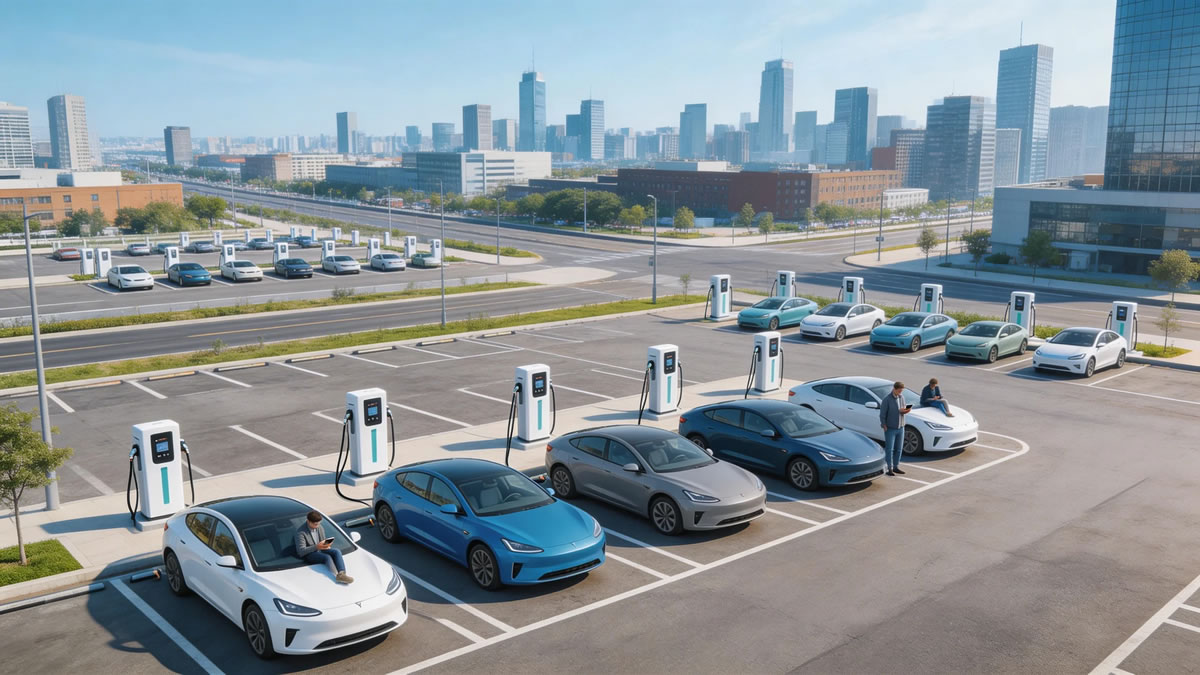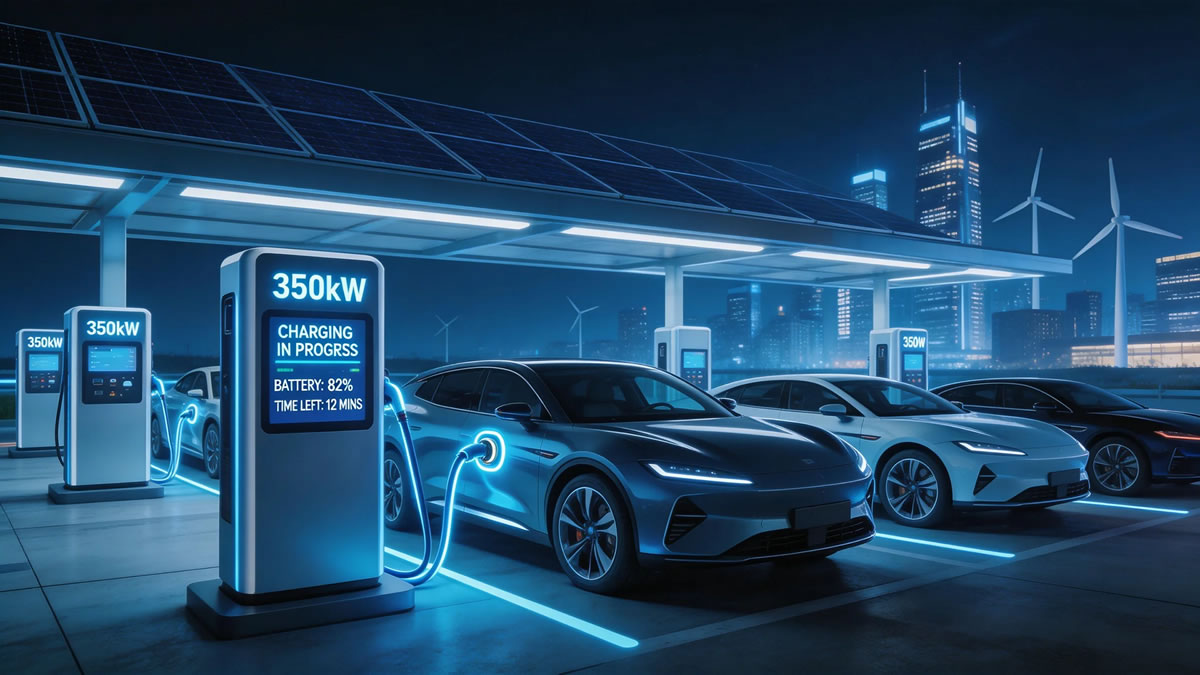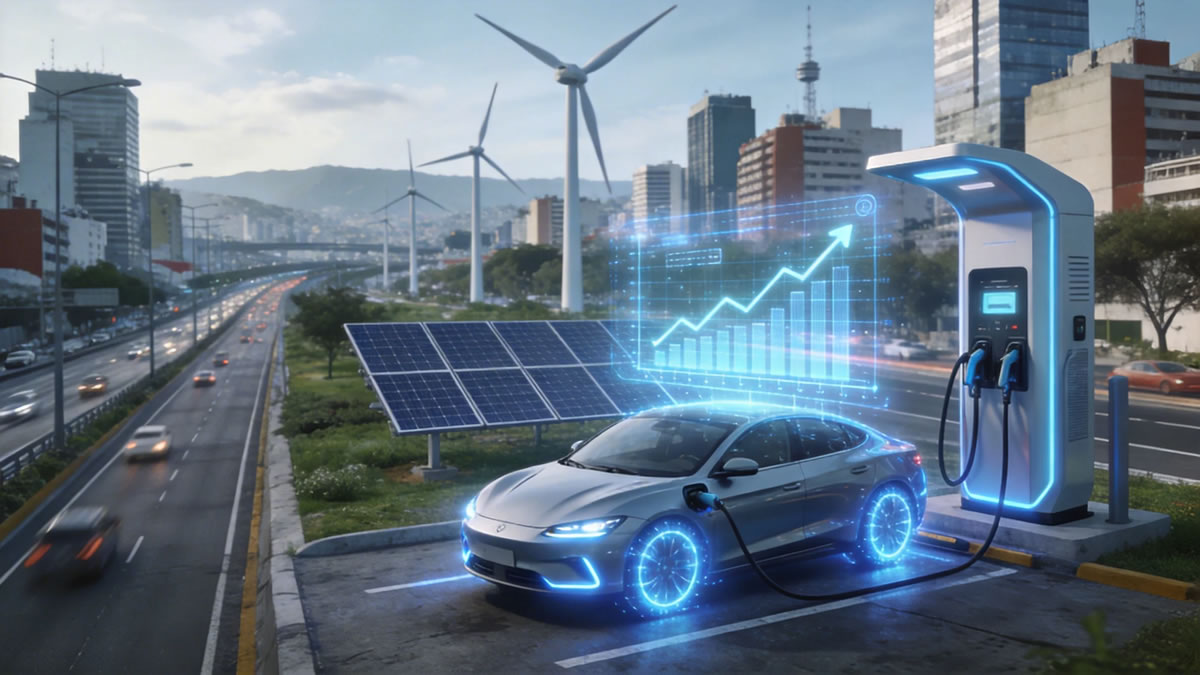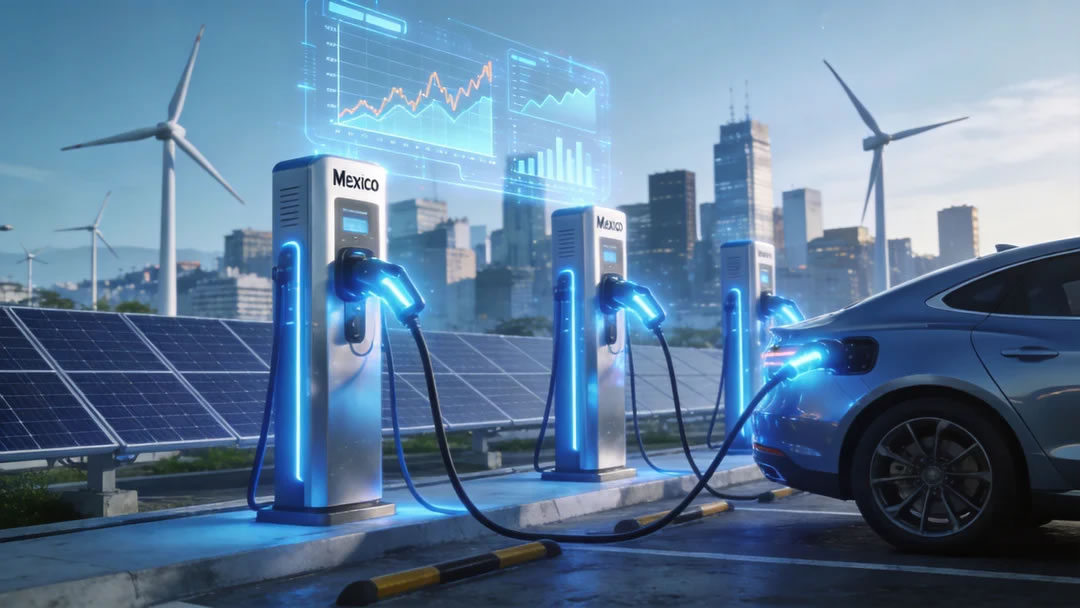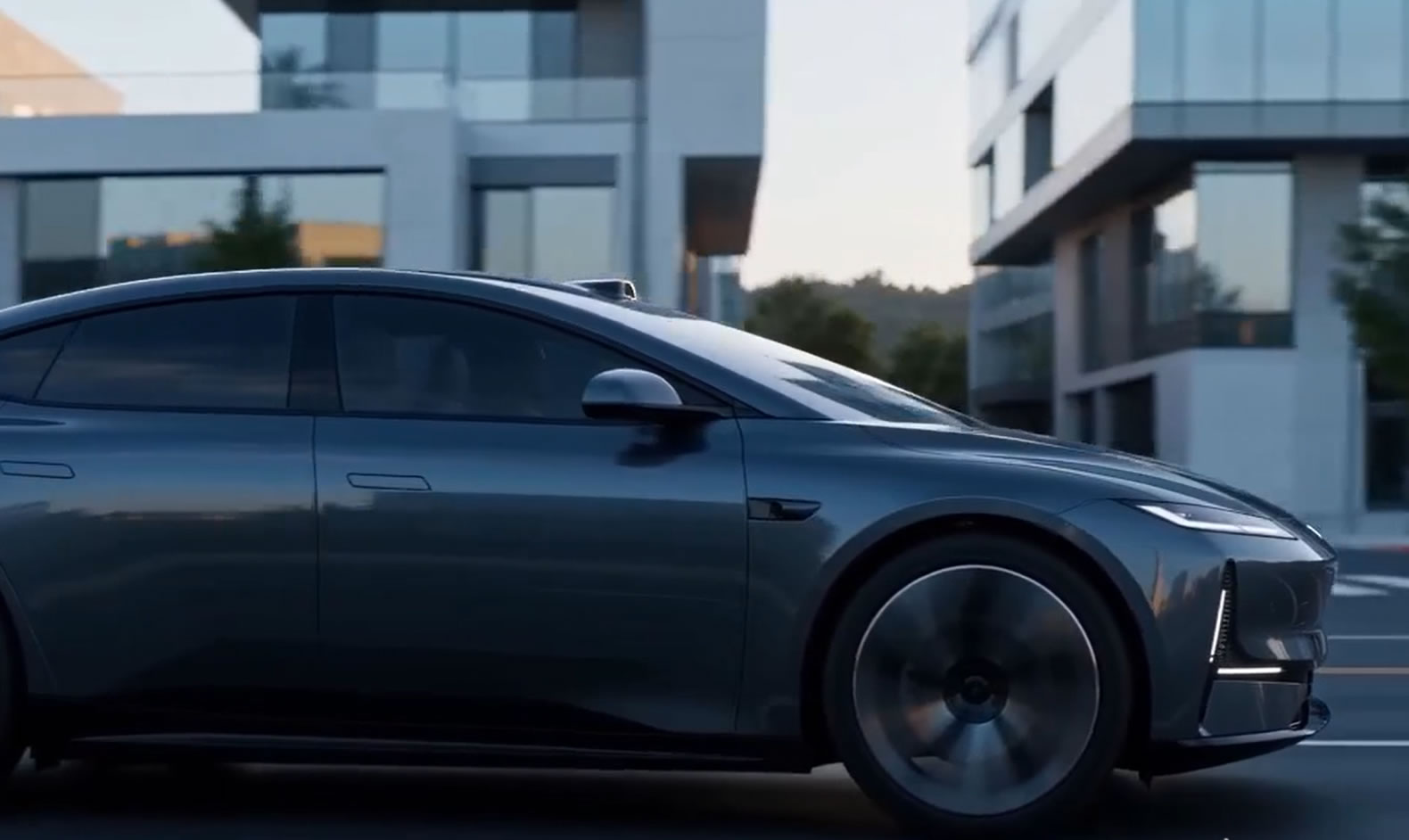
As the morning sun rises over São Paulo’s highways and electric vehicles glide quietly through the streets of Santiago, one thing is becoming clear: South America’s electric mobility transition is no longer a distant vision — it is happening now.
Countries such as Chile, Brazil, Colombia, and Mexico are strengthening policy frameworks to support EV adoption and charging infrastructure deployment. Chile has advanced its national e-mobility strategy, while Brazil continues to implement fiscal incentives and infrastructure programs.
Three structural trends are shaping the region:
1️⃣ EV adoption entering a growth curve
Electric vehicles are expanding beyond government fleets and premium buyers. Public transport electrification is creating consistent infrastructure demand.
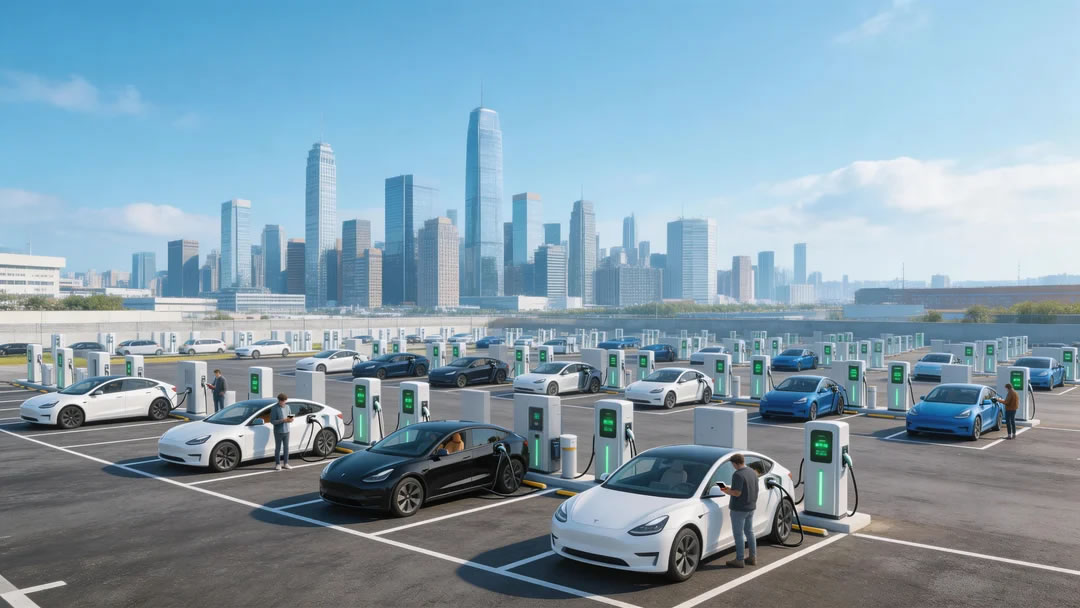
2️⃣ Clear infrastructure supply gap
The vehicle-to-charger ratio remains significantly below that of mature markets, signaling a strong infrastructure expansion cycle.
3️⃣ Dual momentum from policy and capital
From carbon neutrality commitments to green financing mechanisms, energy transition has become a national priority. International partnerships are increasingly encouraged.
Beyond Market Opportunity: A Structural Energy Shift
South America’s charging market is not simply about hardware growth. It represents systemic energy restructuring.
Each charging station installed requires grid upgrades, smart energy management, and digital integration.
This is about:
-
Urban charging network planning
-
Highway fast-charging corridors
-
Commercial property integration
-
Renewable energy and storage synergy
It is a long-term infrastructure transformation.
Our Strategic Commitment in South America
We are committed to:
-
Partnering with local operators
-
Delivering grid-compliant solutions
-
Providing smart remote O&M systems
-
Supporting local service capability development
Global expansion is not merely exporting products — it is exporting expertise and building ecosystems.
South America is accelerating its energy transition.
Charging infrastructure will be at the heart of this transformation.
 March 18, 2026