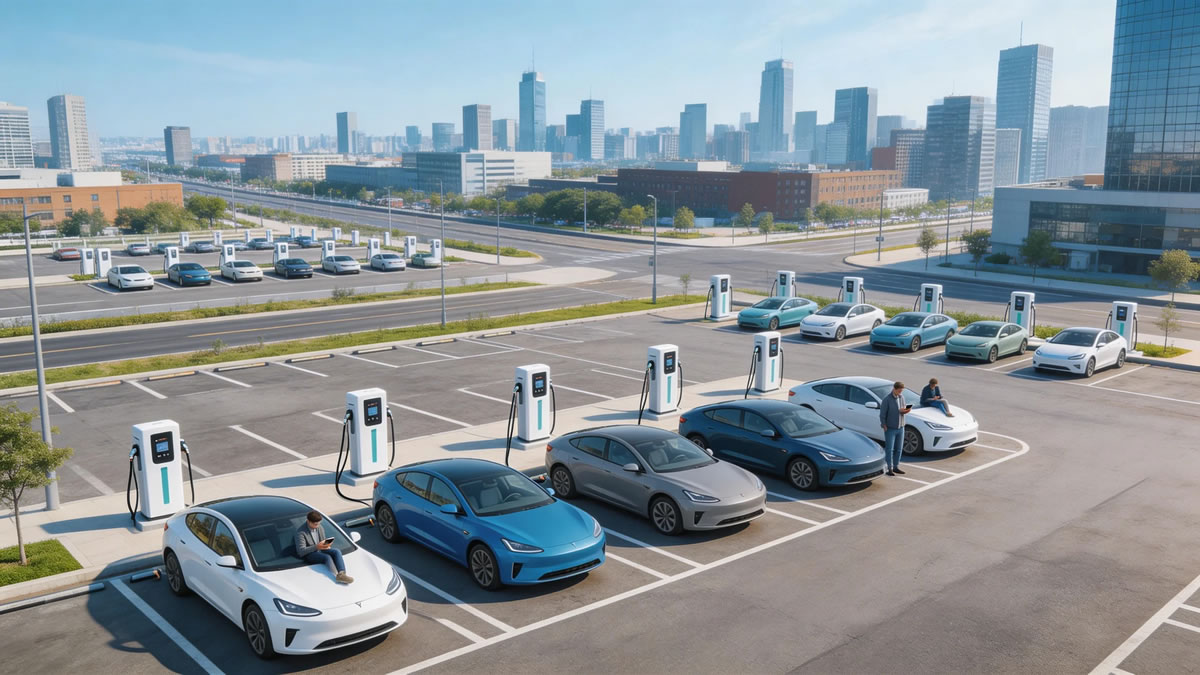
As the electric vehicle market continues to grow, new business models are also emerging around charging infrastructure. One of the most prominent is the concept of Charging as a Service (CaaS), which is transforming how charging stations are developed, operated, and monetized.
The CaaS model allows businesses, governments, and operators to access charging infrastructure without the need for large upfront investments.
1️⃣ Reduction of Initial Investment
Instead of purchasing and installing charging stations, customers can access them through a subscription or pay-per-use model.
2️⃣ Management and Maintenance Included
CaaS providers handle the installation, operation, maintenance, and technological updates of the charging stations.
3️⃣ Scalable Model
This approach allows companies to flexibly expand their charging networks, adapting to market demand.
4️⃣ New Revenue Opportunities
The model also opens the door to new revenue streams, including digital services, advertising, energy management, and data platforms.
In Latin America, the CaaS model is beginning to gain interest, especially in markets like Mexico, where the demand for charging infrastructure is growing rapidly.
As the EV ecosystem matures, Charging as a Service could become a key component in the development of charging networks in the region.
 March 18, 2026