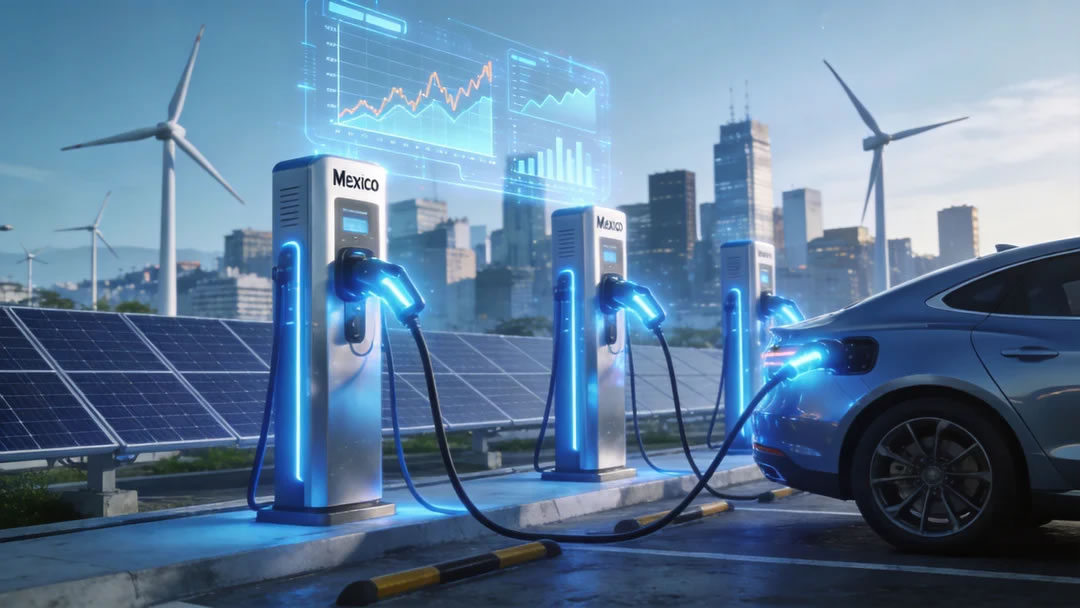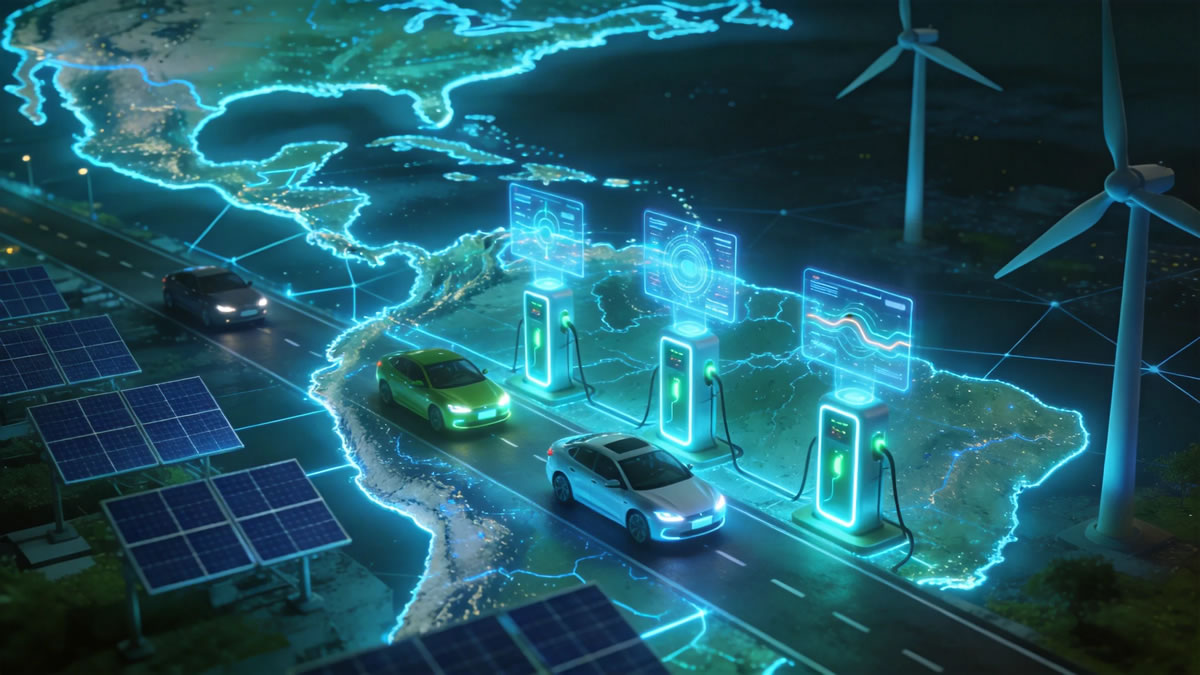
Electric mobility in Latin America is entering a phase of accelerated growth. With rising EV adoption and new energy policies, charging infrastructure will become a cornerstone of sustainable transportation in the region.
Countries such as Mexico, Brazil, and Chile are leading the transition toward transport electrification, driving investments in fast-charging networks and smart energy solutions.
Key Trends Toward 2030
1️⃣ Rapid expansion of charging stations
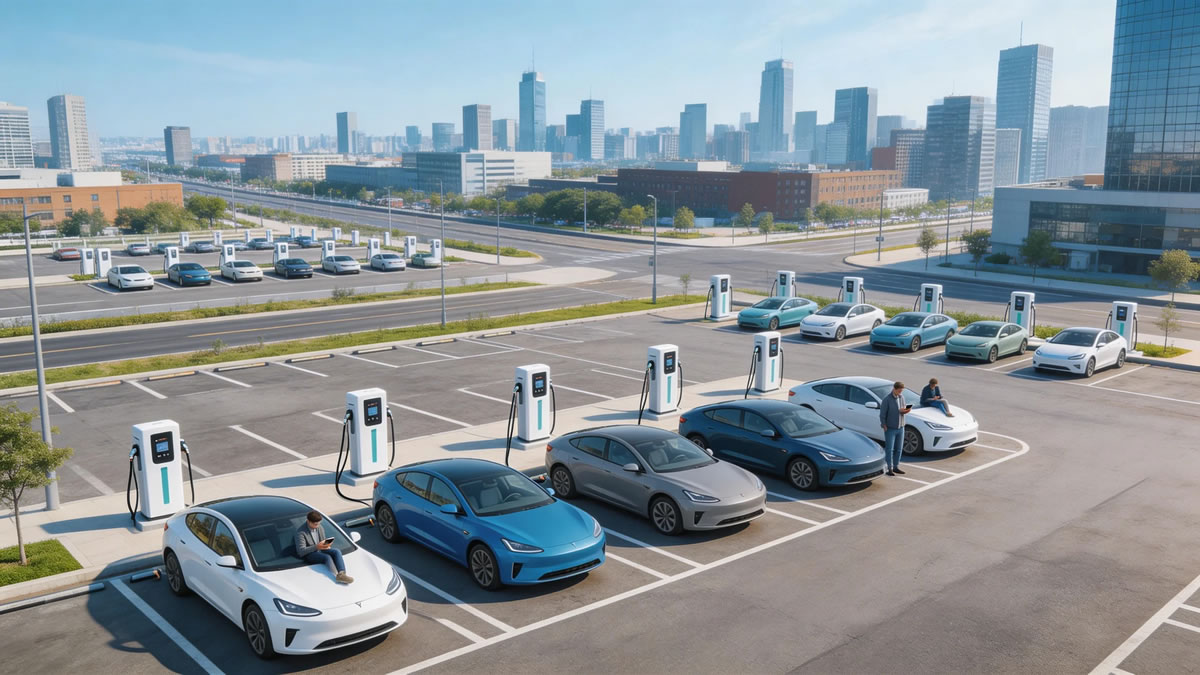
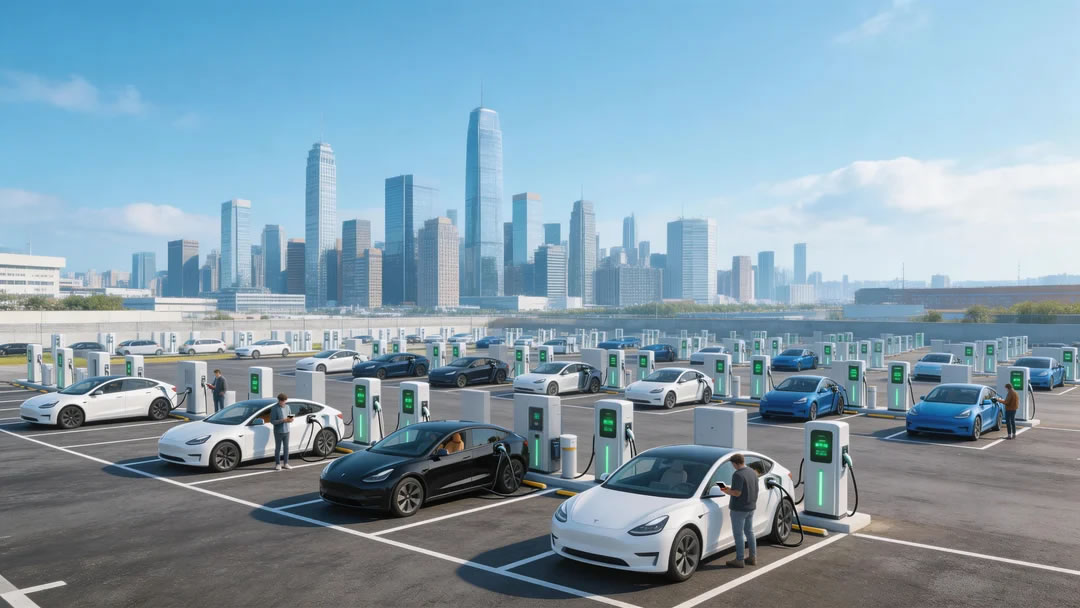
Public charging infrastructure across Latin America is expected to grow several times over the next decade.
2️⃣ Intercity charging corridors
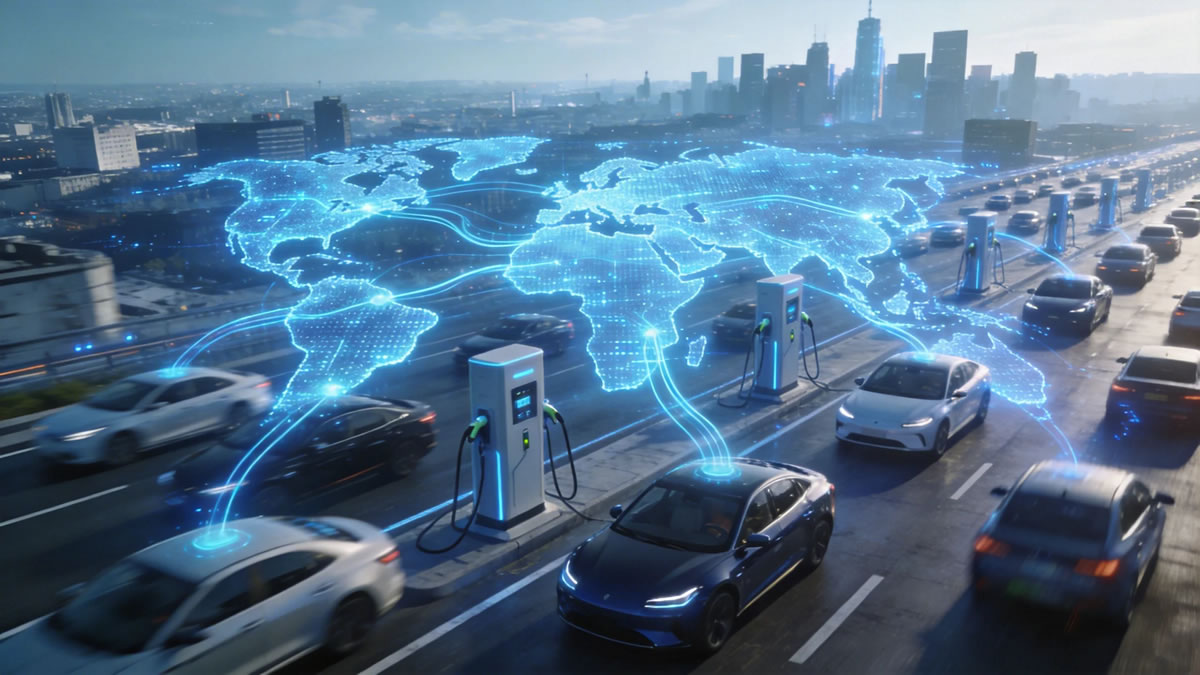
Governments and private investors are developing networks connecting major cities and strategic highways.
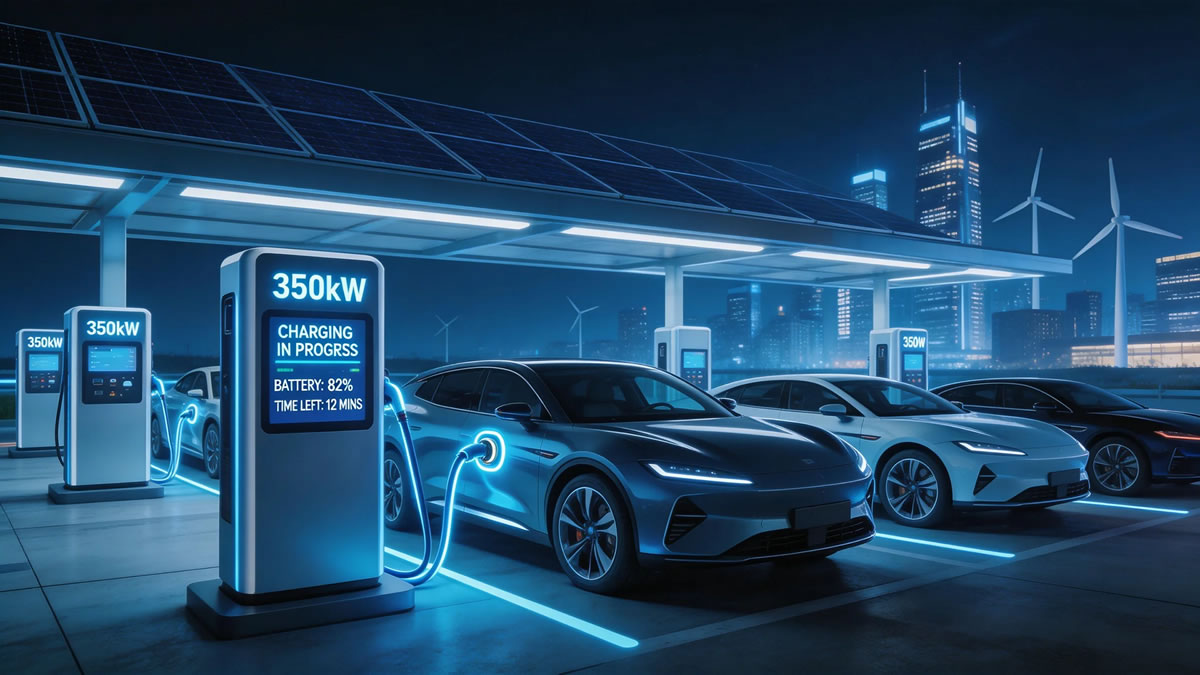
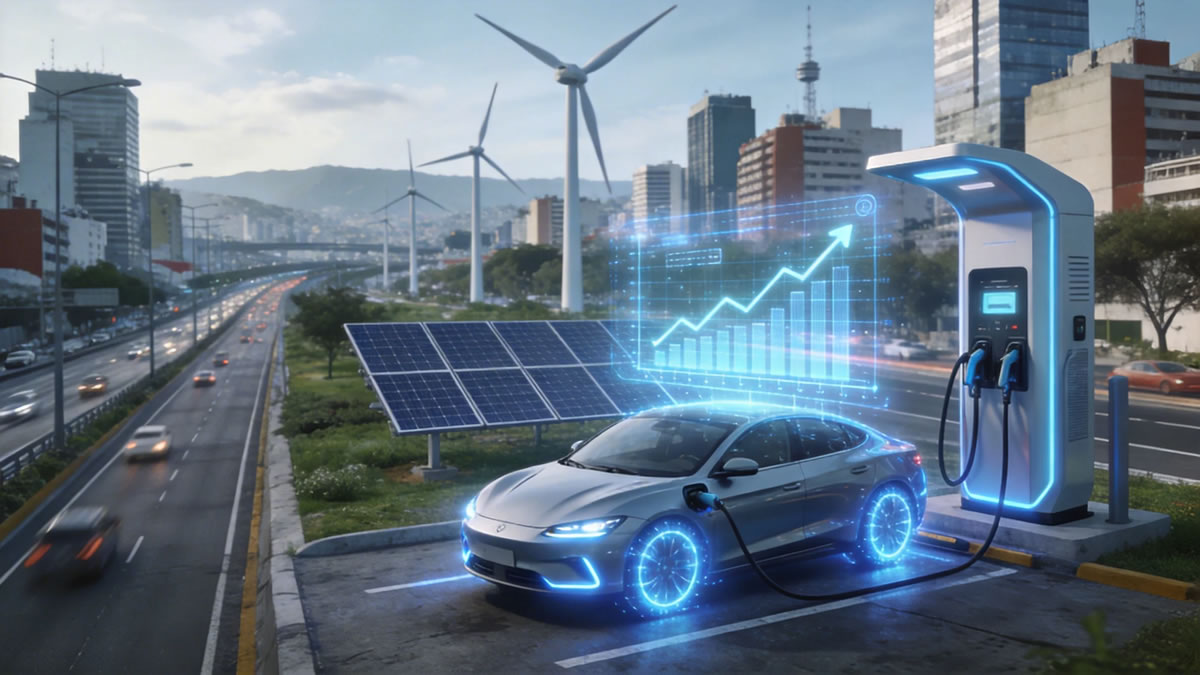
3️⃣ Integration with renewable energy
Charging stations combined with solar, wind, and battery storage will reduce pressure on power grids.
4️⃣ Digital mobility ecosystems
Smart applications will allow drivers to locate chargers, optimize routes, and manage payments seamlessly.
Cities like Mexico City, São Paulo, and Santiago could become regional innovation hubs for electric mobility.
As technology improves and costs decrease, charging infrastructure will play a critical role in accelerating EV adoption across Latin America.
The road to 2030 has already begun.
 March 18, 2026