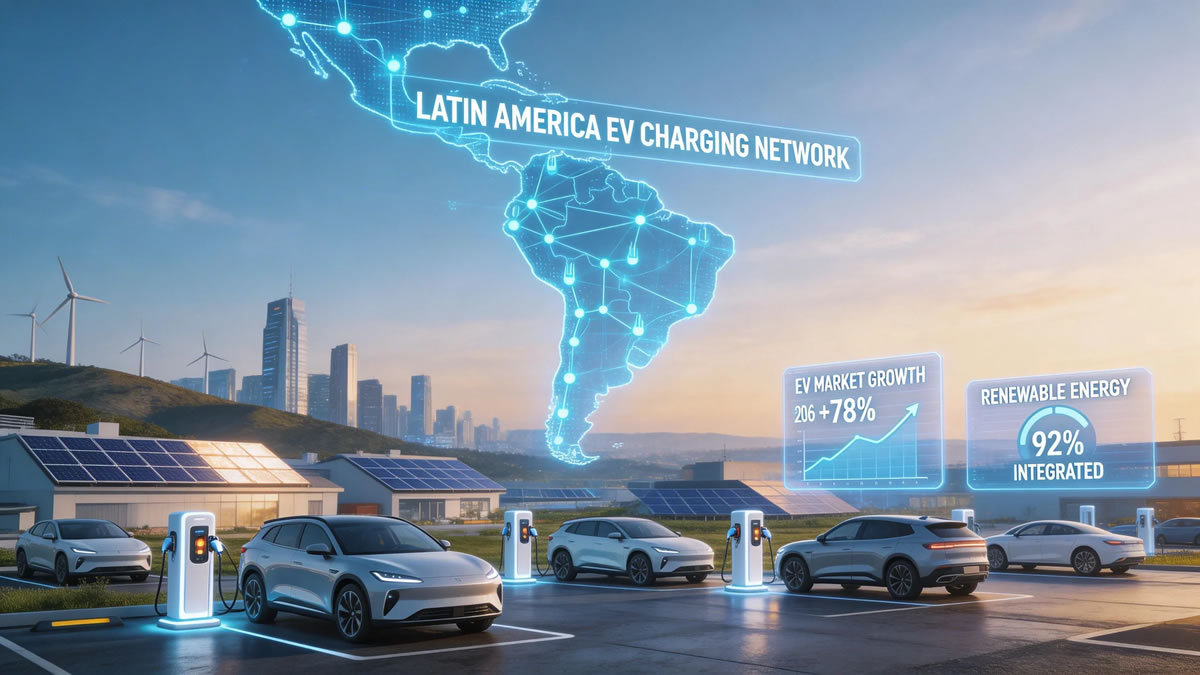
The transition to electric mobility is rapidly transforming the transportation and energy landscape across Latin America. As electric vehicle adoption grows, charging infrastructure is becoming a critical component of the region’s sustainable mobility ecosystem.
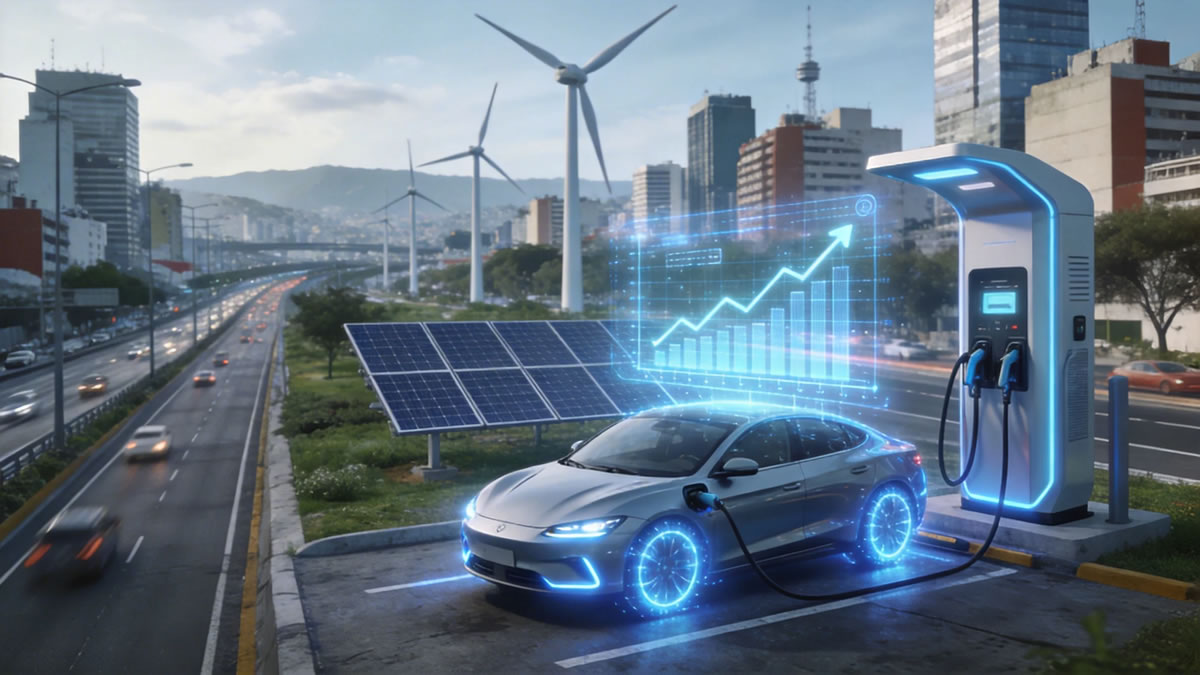
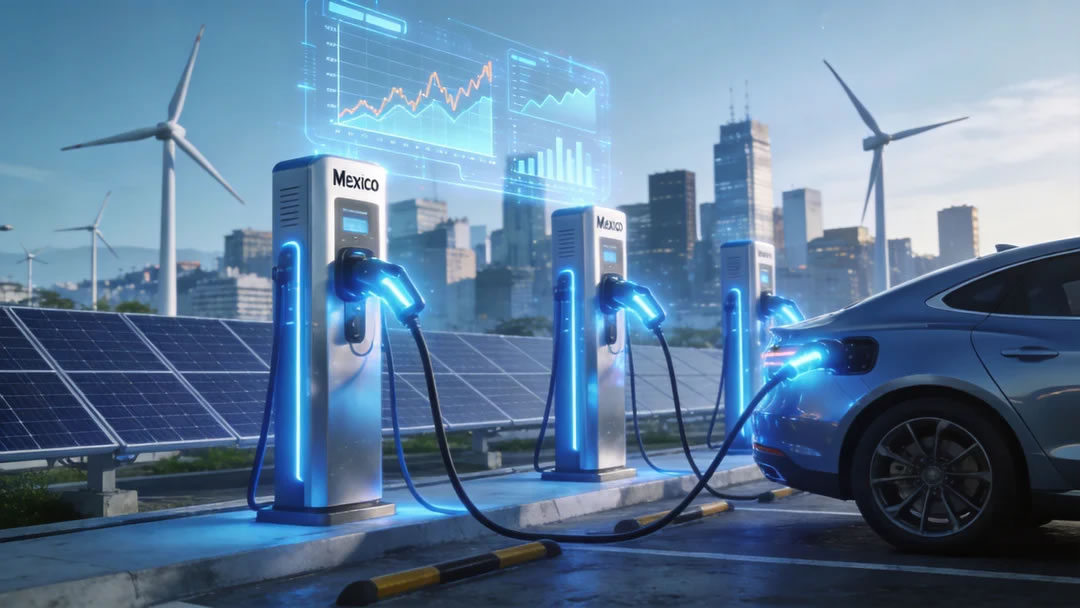
Market research indicates that the Latin American EV charging station and charger market generated approximately $169.8 million in revenue in 2023 and is projected to reach around $634.5 million by 2030, representing a compound annual growth rate of roughly 20.7%.
Several factors are driving this expansion:
1️⃣ Rapid growth in EV adoption
Electric vehicle sales in Latin America are increasing steadily as battery costs decline and government incentives encourage cleaner transportation.
2️⃣ Government policies and energy transition
Countries such as Mexico, Brazil, and Chile are introducing policies that support electrification of transportation and the development of charging infrastructure.
3️⃣ Private investment and technological innovation
Energy companies, EV manufacturers, and infrastructure operators are investing heavily in fast-charging networks, smart charging platforms, and renewable energy integration.
4️⃣ Development of regional charging corridors
Future infrastructure development will likely focus on creating charging corridors connecting major cities and logistics routes, enabling long-distance electric travel.
With these developments, Latin America is emerging as one of the most promising markets for EV charging infrastructure worldwide.
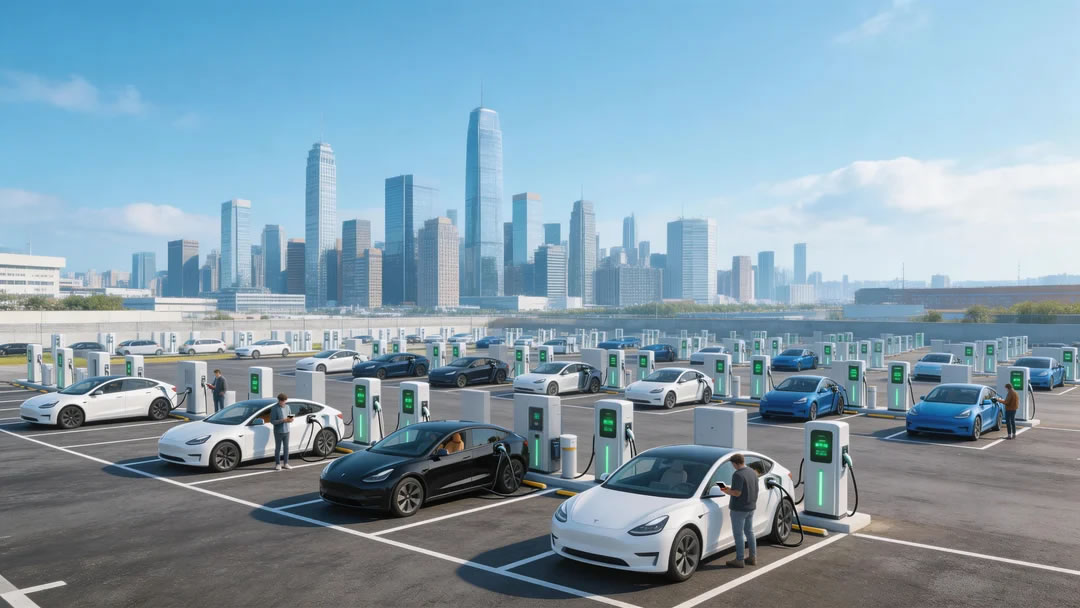
By 2030, the region is expected to see a significant expansion of urban charging networks, ultra-fast stations, and integrated clean energy solutions supporting sustainable transportation.
 March 18, 2026