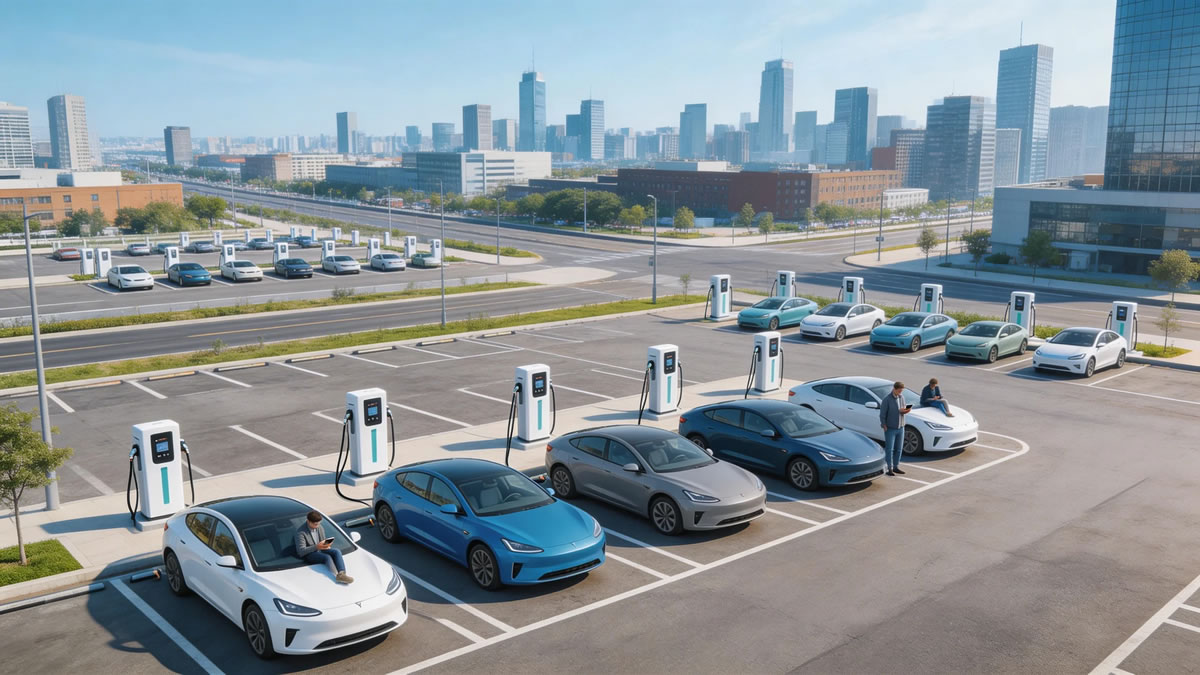
Electric vehicle (EV) charging stations vary widely in power output, which directly affects charging speed, infrastructure requirements, and user experience. Understanding the common power levels of EV chargers is essential for EV owners, operators, and planners.
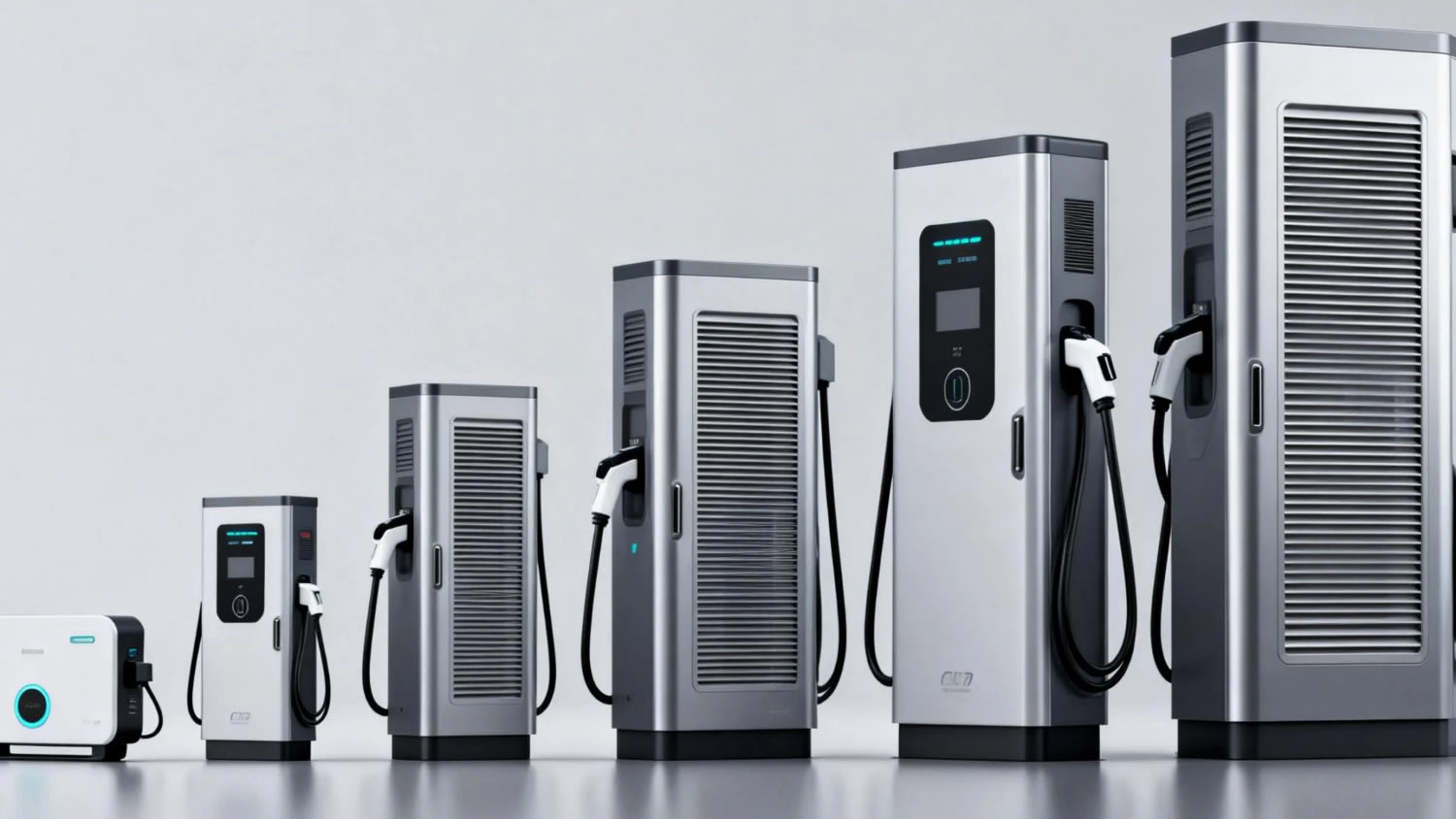
1. Power Classification
EV chargers are broadly categorized into AC (Alternating Current) chargers and DC (Direct Current) chargers, each with distinct power ranges:
-
AC Chargers
-
Low-power AC chargers: 3–7 kW
-
Medium-power AC chargers: 11–22 kW
-
-
DC Chargers
-
Fast chargers: 50–150 kW
-
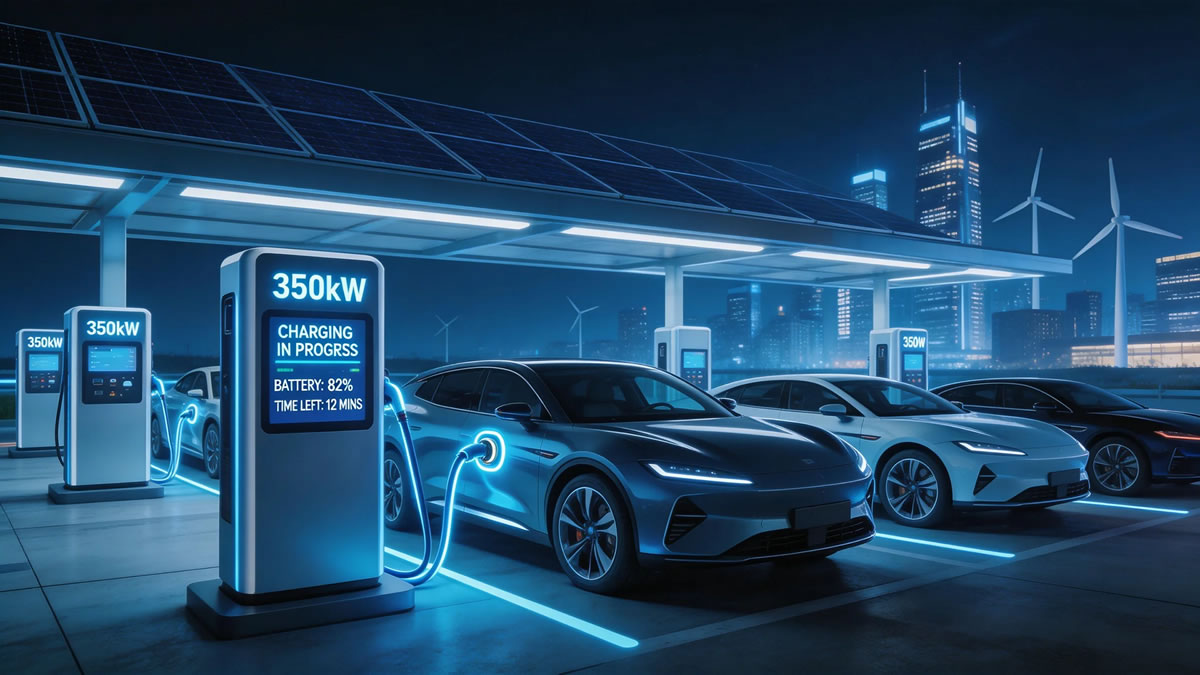
Ultra-fast chargers: 150–350 kW or higher
-
The higher the charging power, the faster an EV can be recharged, but higher-power chargers require more advanced infrastructure, including grid capacity and cooling systems.
2. AC Charger Power Details
AC chargers supply alternating current to the EV’s on-board charger (OBC), which converts AC to DC for battery charging. The vehicle’s on-board charger often limits the maximum AC charging power:
-
Home charging (3–7 kW): Suitable for overnight charging; typical home grid suffices.
-
Commercial/office charging (11–22 kW): Faster than home charging; can recharge an EV during working hours.
AC charging is slower but efficient for long-duration parking and daily charging needs.
3. DC Charger Power Details
DC chargers deliver direct current directly to the battery, bypassing the on-board charger. This allows much higher power levels and shorter charging times:
-
50–100 kW: Common in public charging stations; can charge 50–80% of a mid-size EV battery in 30–60 minutes.
-
120–150 kW: Increasingly popular on highways for rapid travel charging.
-
250–350 kW or higher: Ultra-fast chargers for long-distance travel and heavy-duty EVs.
DC charging reduces “range anxiety” for users who need quick turnaround, but it requires advanced grid connections and thermal management systems.
4. Factors Affecting Effective Charging Power
Even if a station supports high power, the actual charging rate depends on:
-
Vehicle compatibility: The EV must support the charging power provided.
-
Battery state-of-charge (SOC): Charging speed is higher at low SOC and tapers off as the battery approaches full capacity.
-
Ambient temperature and cooling systems: Batteries charge more efficiently under optimal temperature conditions.
-
Grid stability: Power fluctuations may limit peak charging output.
5. Trends in Charger Power Evolution
With advancements in battery and grid technologies, charging stations are trending toward:
-
Higher power DC fast charging, supporting 350 kW and beyond.
-
Smart load management, dynamically adjusting power based on demand.
-
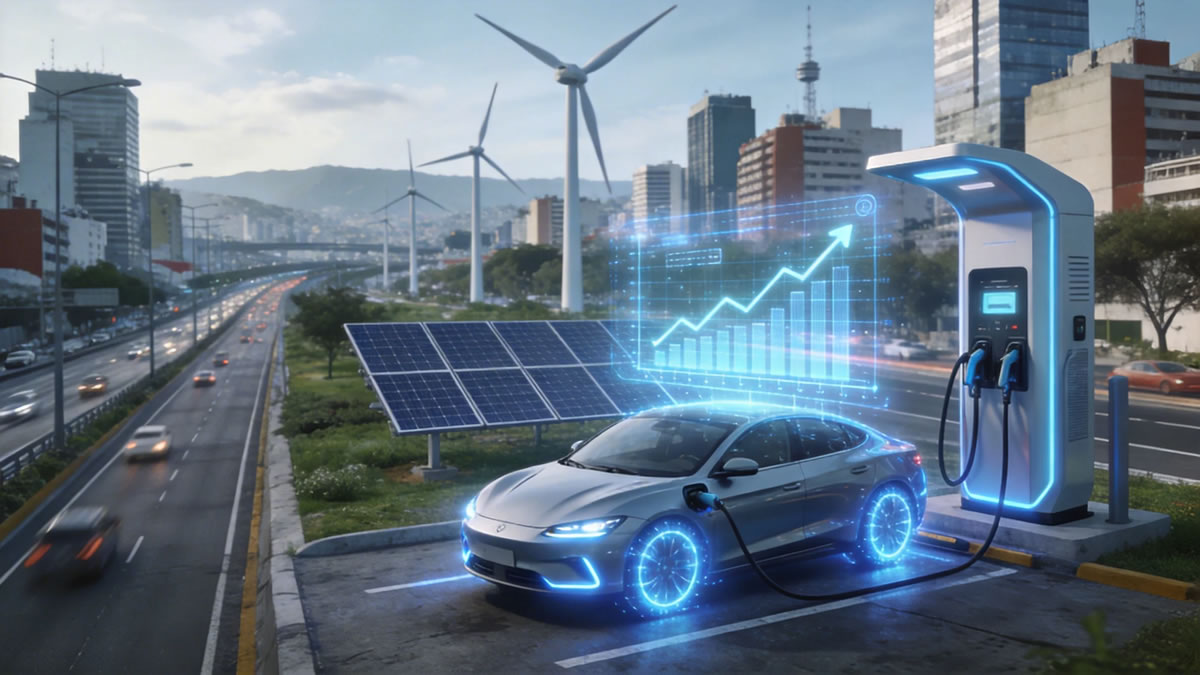
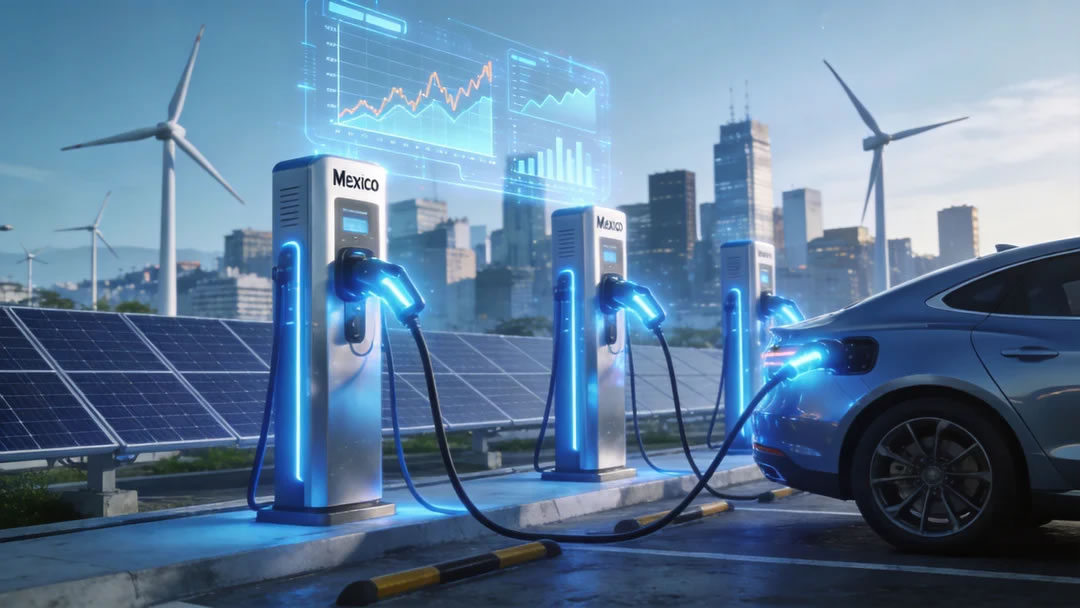
Integration with renewable energy and energy storage, to reduce grid stress and carbon footprint.
These trends aim to make EV charging faster, safer, and more sustainable, while meeting the needs of public and commercial networks.
Summary
Understanding EV charging power levels helps users plan charging routines and infrastructure operators optimize deployment. AC chargers (3–22 kW) are ideal for long-duration and everyday charging, while DC chargers (50–350 kW) serve fast-charging needs for public and highway applications. Together, they form a flexible and efficient EV charging network.
 March 18, 2026