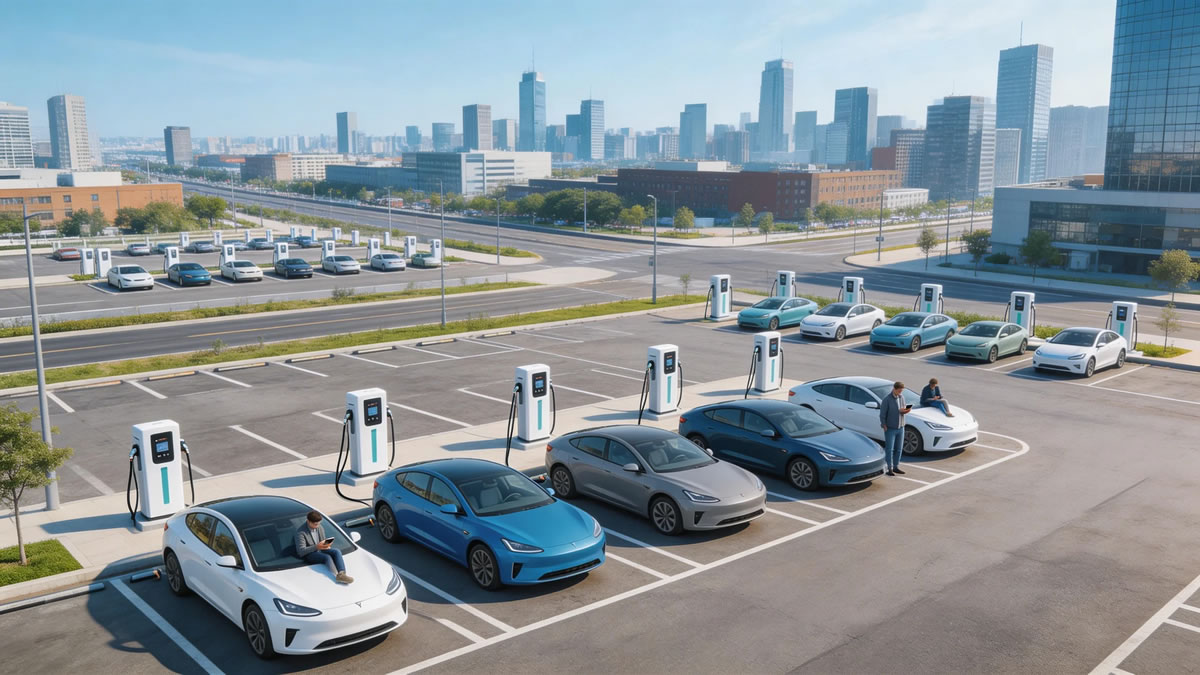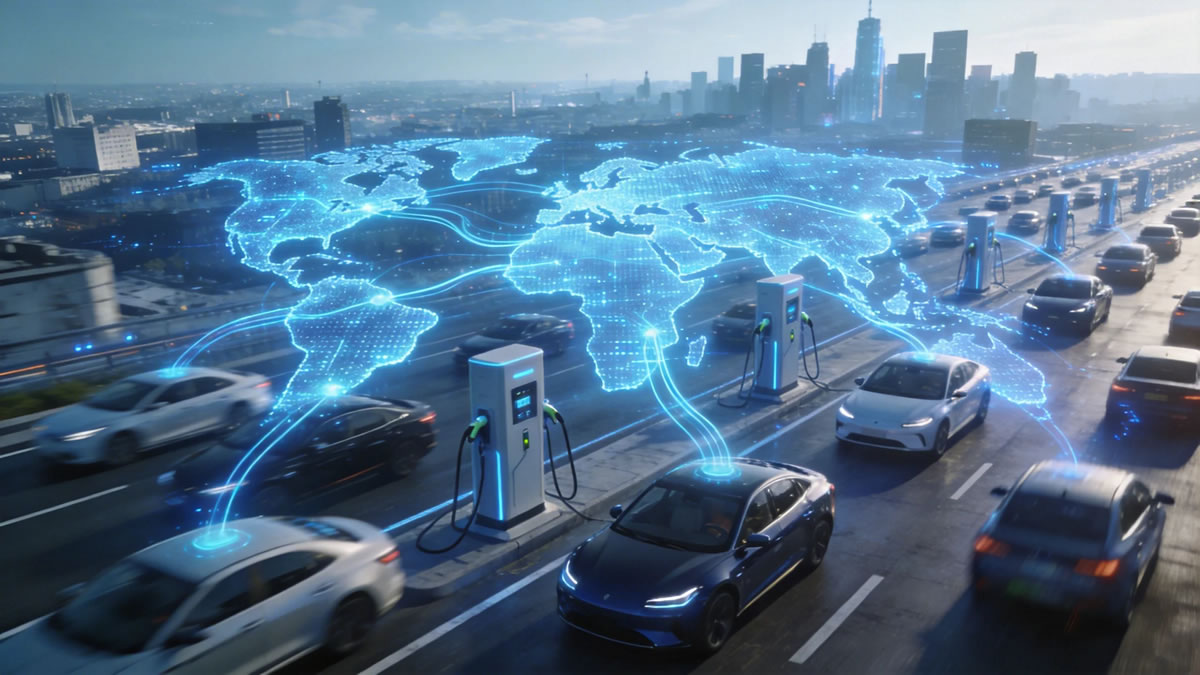
As electric vehicles (EVs) continue to grow in popularity, EV charging stations are evolving rapidly to meet future mobility demands. Understanding the trends in technology, infrastructure, and user experience is essential for EV users, operators, and policymakers.
1. Higher-Power and Ultra-Fast Charging
One of the most significant trends is the increase in charging power:
-
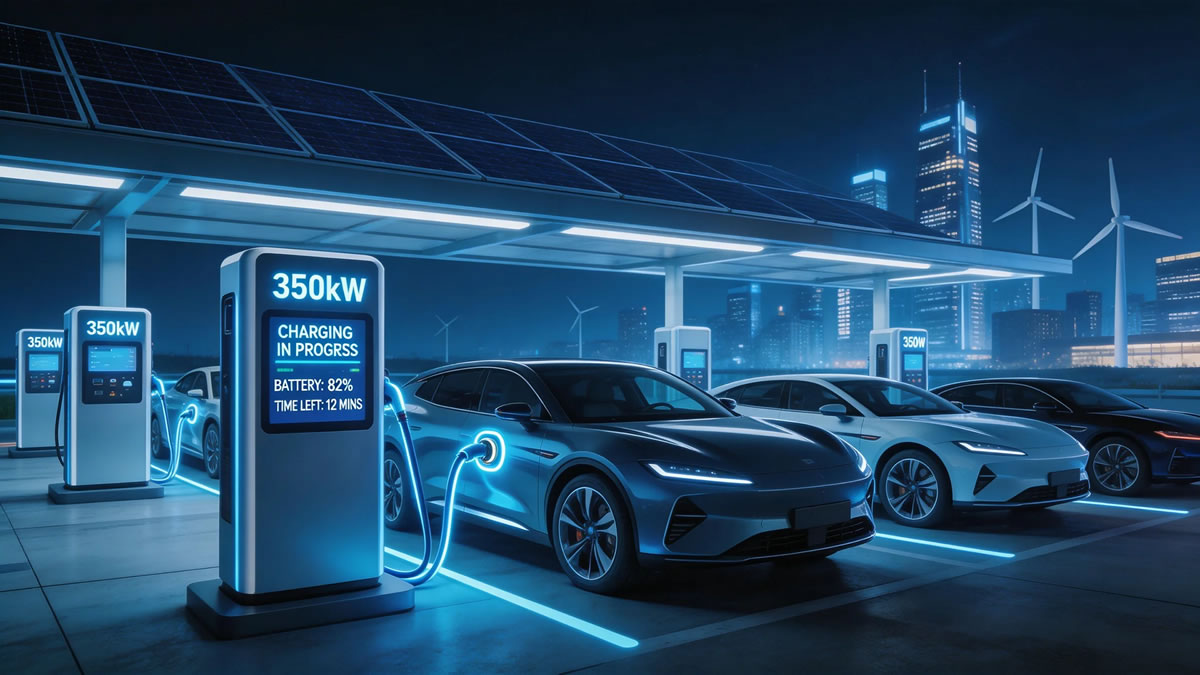
DC ultra-fast chargers are expected to reach 350–500 kW, reducing 80% battery charge to under 15–20 minutes for many EVs.
-
AC charging is also evolving, with 22–43 kW home and workplace chargers becoming more common.
Higher power reduces “range anxiety” and makes long-distance travel more convenient.
2. Smart Charging and Grid Integration
Future charging stations will be increasingly intelligent and connected:
-
Smart charging: Chargers adjust power dynamically based on grid load, energy prices, and battery state.
-
Load management: Distributes electricity efficiently to multiple vehicles at a station.
-
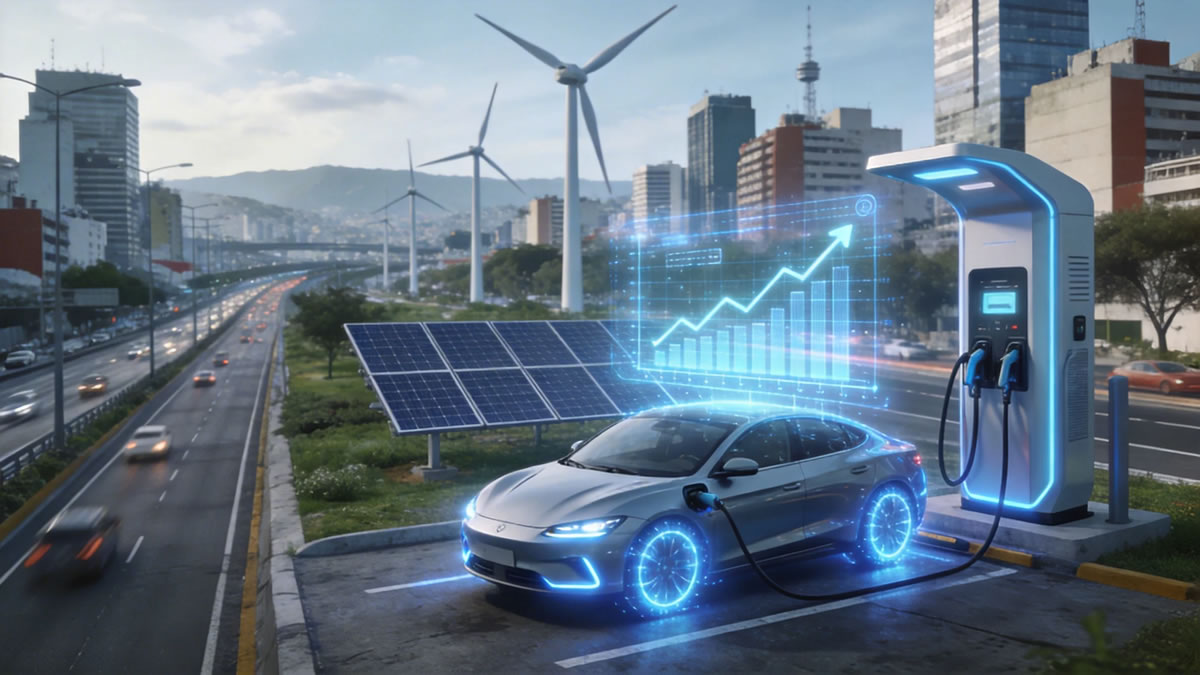
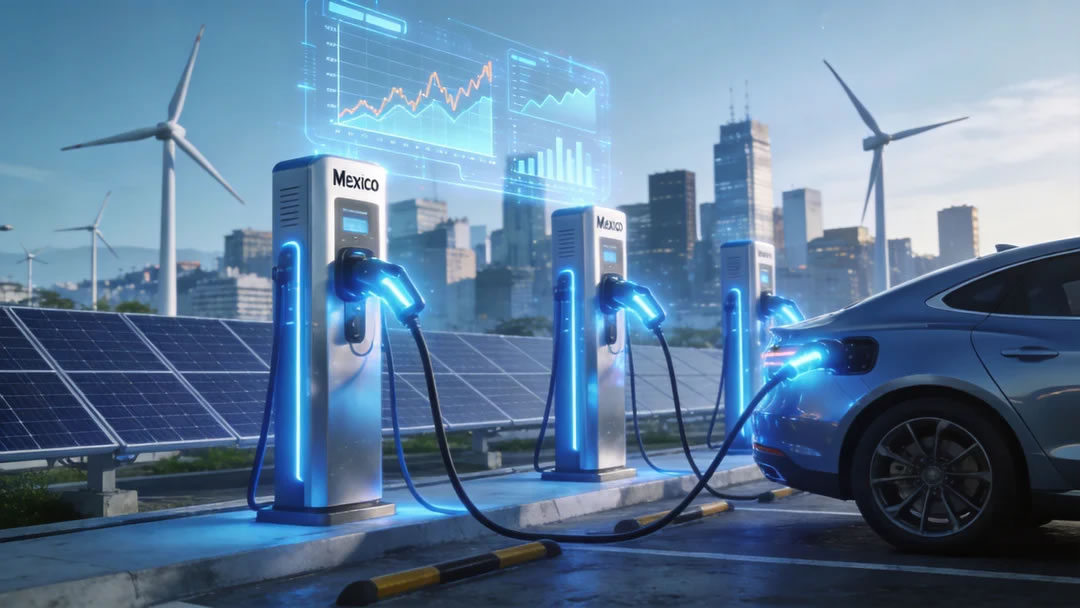
Integration with renewable energy: Solar, wind, or battery storage systems can supply or buffer charging demand.
These technologies ensure efficient energy use and reduce the impact on the electricity grid.
3. Plug-and-Charge and Autonomous Authentication
The ISO 15118 standard enables Plug-and-Charge technology:
-
EVs are automatically authenticated with chargers.
-
Payment and billing occur without user intervention.
-
Reduces friction for users and accelerates adoption of public charging networks.
Combined with mobile apps and cloud services, this creates a seamless user experience.
4. Bidirectional Charging and Vehicle-to-Grid (V2G)
Bidirectional charging allows EVs to return energy to the grid:
-
Supports grid stability during peak demand.
-
Enables users to monetize energy stored in their EVs.
-
Promotes sustainable energy management and renewable integration.
V2G is expected to expand in commercial fleets and smart cities.
5. Multi-Standard and Universal Compatibility
Future public charging networks will support multiple connector types and standards:
-
CCS, CHAdeMO, GB/T, Type 2, and emerging standards may coexist.
-
Universal stations enable international travelers to use public networks seamlessly.
-
Standardization reduces infrastructure costs and simplifies EV adoption globally.
6. Autonomous and Robotic Charging
Innovations in autonomous vehicles and robotics may influence charging:
-
Robotic charging arms: Automatically connect EVs in parking lots or fleet depots.
-
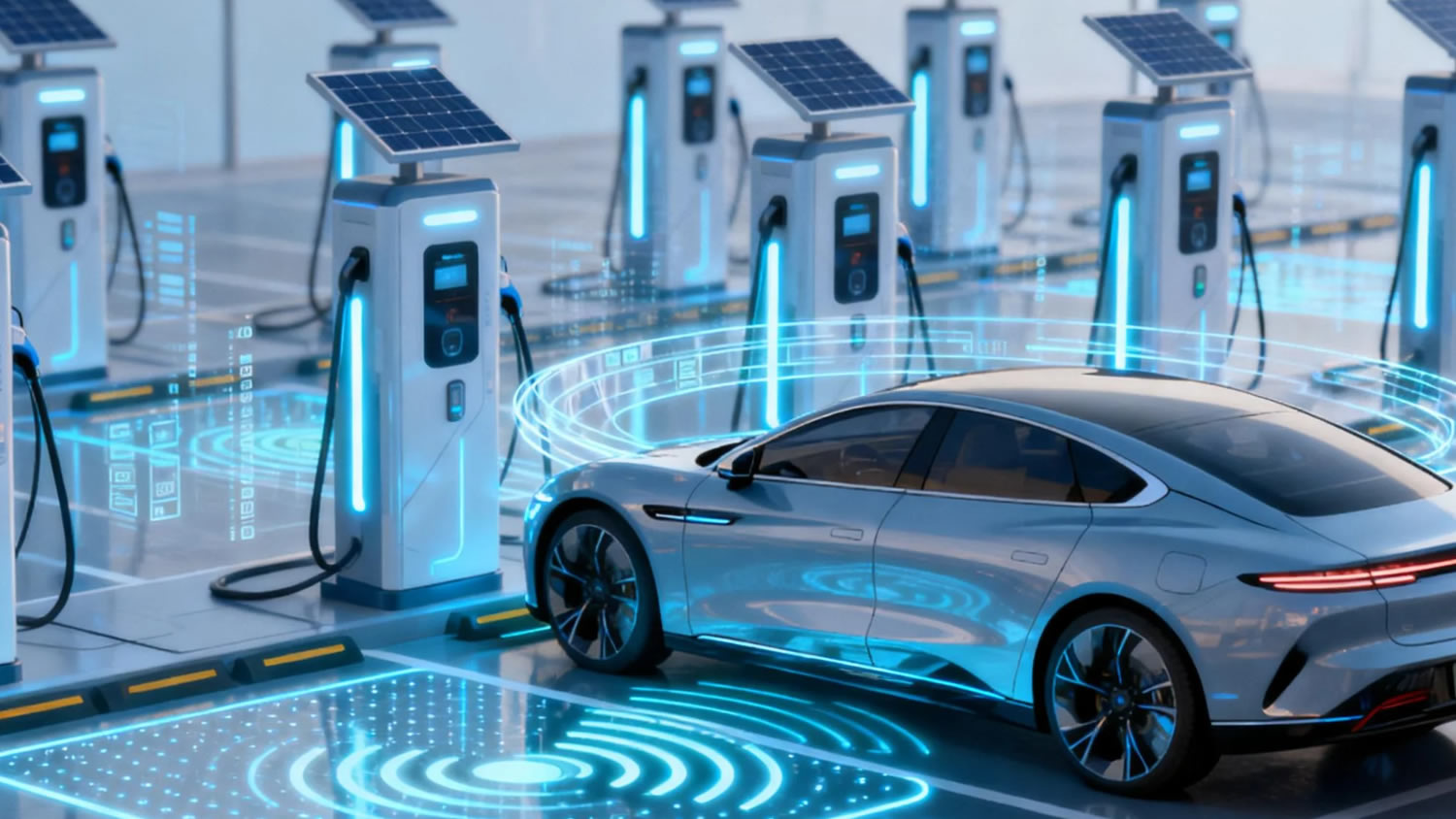
Wireless (inductive) charging: Enables charging without cables, potentially integrated into roads, garages, or public parking spaces.
These developments increase convenience and reduce human intervention.
7. Data Analytics and Predictive Maintenance
-
Connected chargers collect data on usage, grid load, and performance.
-
Predictive maintenance identifies faults before they occur, improving reliability.
-
Data analytics optimize station placement, load balancing, and user experience.
Summary
The future of EV charging stations focuses on faster charging, smarter grid integration, seamless authentication, bidirectional energy, universal compatibility, autonomous systems, and data-driven optimization. These trends aim to create a safe, efficient, convenient, and sustainable EV charging ecosystem that supports the growing global EV market.
 March 18, 2026