Electric mobility in Latin America is entering a new phase of accelerated growth. As EV adoption increases and energy policies continue to evolve, charging infrastructure is becoming a critical pillar of sustainable transportation in the region.
Countries such as Mexico, Brazil, and Chile are leading the transition toward transport electrification, driving investments in fast-charging networks, smart energy solutions, and innovative business models.
Key Trends Toward 2030
1️⃣ Massive infrastructure expansion
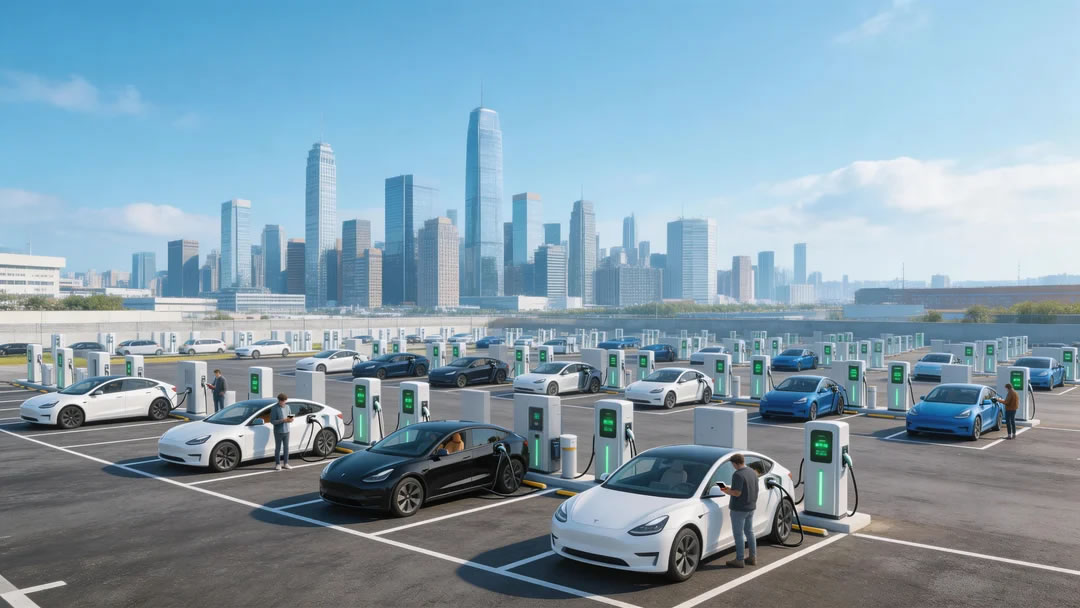
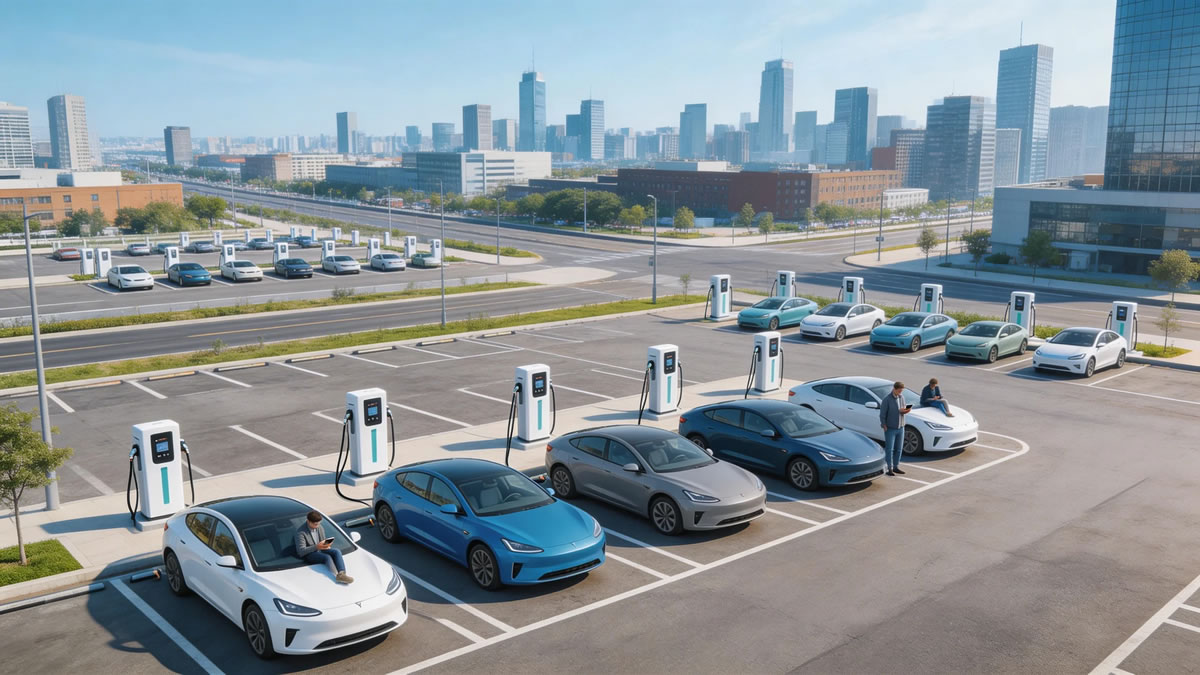
The number of charging stations will grow significantly across the region, especially in urban areas and logistics corridors.
2️⃣ Ultra-fast charging becomes standard
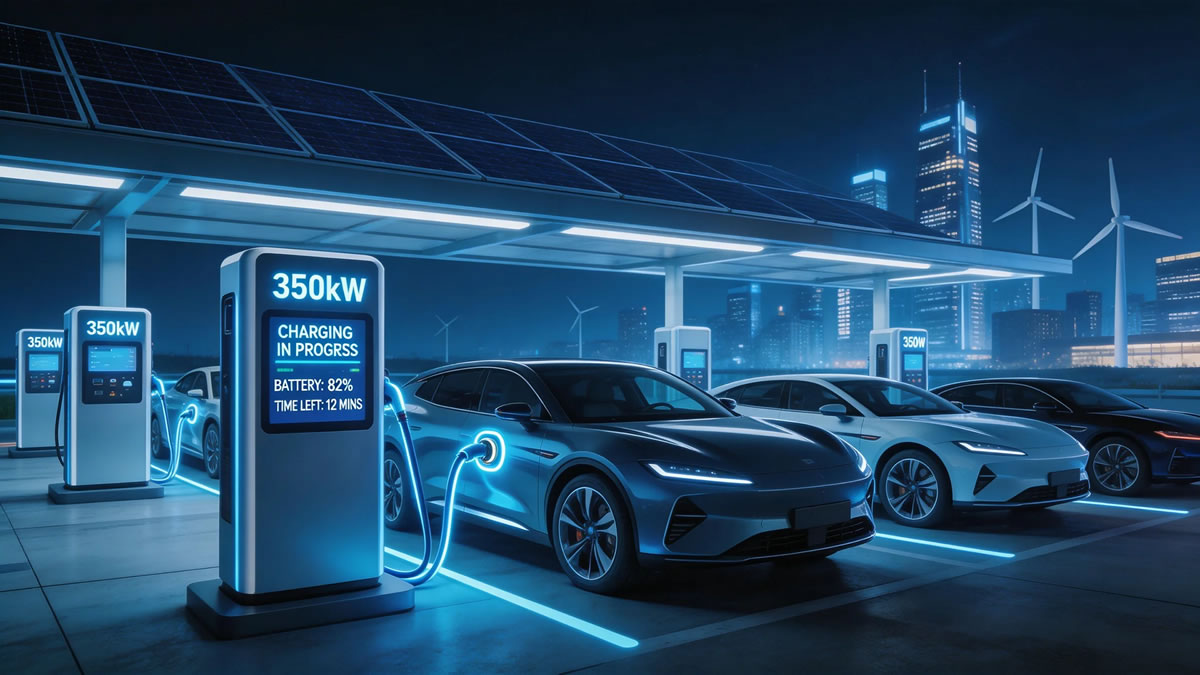
The adoption of ultra-fast charging technologies will significantly reduce charging times and improve user experience.
3️⃣ Energy integration
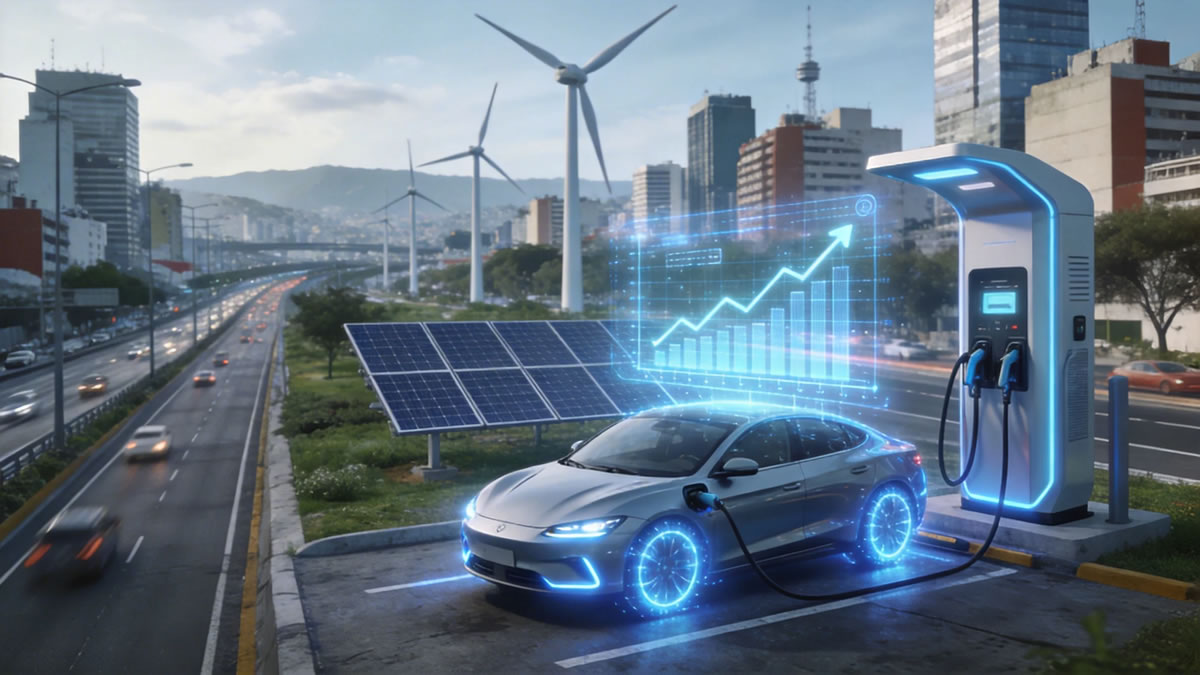
Charging stations will increasingly integrate with solar power, energy storage, and smart grids, forming integrated energy systems.
4️⃣ Digital mobility ecosystems
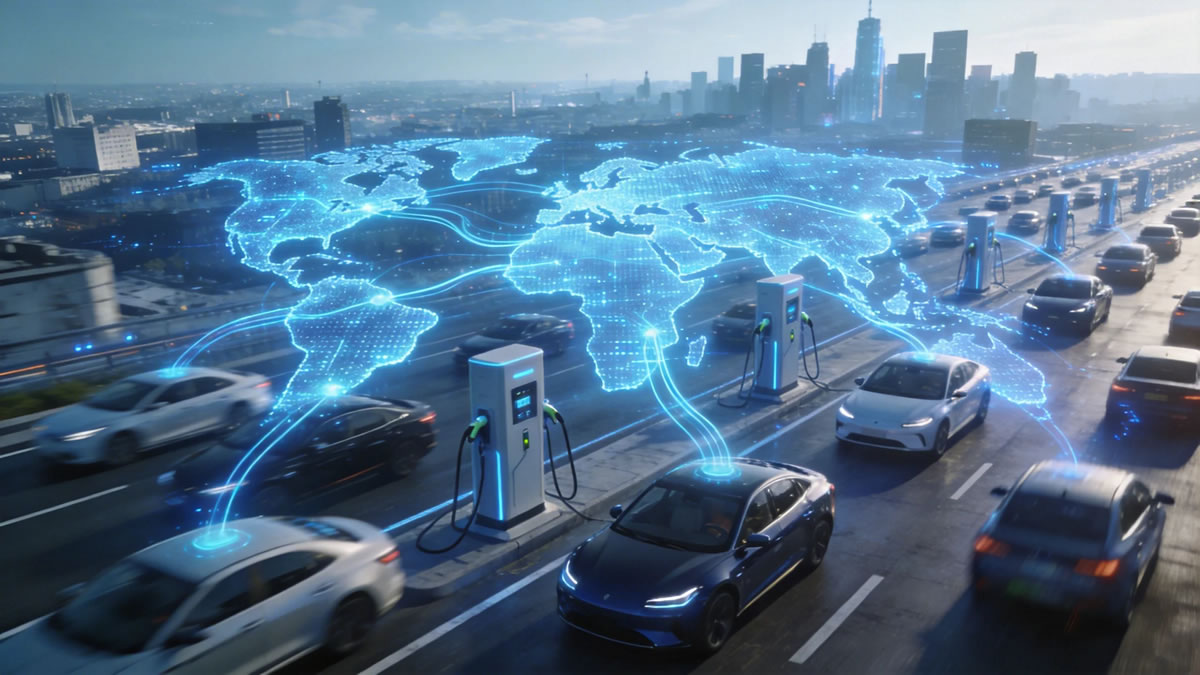
Apps and digital platforms will enable users to locate chargers, manage payments, and optimize routes in real time.
5️⃣ New business models
Models such as Charging as a Service will accelerate market expansion by lowering barriers to entry.
Cities like Mexico City, São Paulo, and Santiago are expected to become regional innovation hubs for electric mobility.
As technology advances and costs decline, charging infrastructure will play a decisive role in accelerating EV adoption across Latin America.
The road to 2030 has already begun.
 March 20, 2026