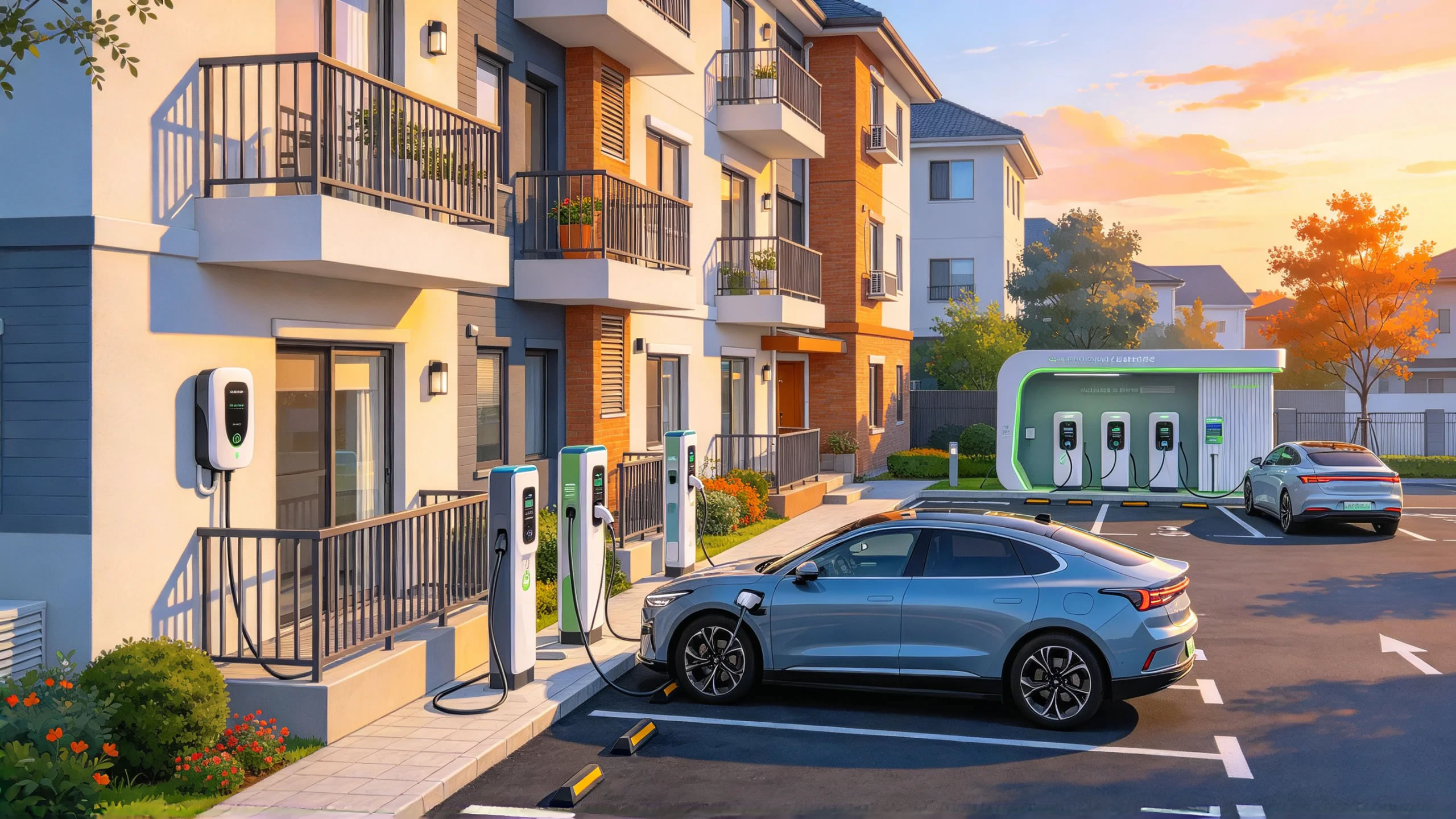
As electric vehicles become more common, many EV owners live in apartments or shared residential buildings rather than houses with private garages. This creates a practical question: How can you charge an EV when you do not have your own parking space or electrical connection?
The good news is that apartment residents have several charging options. The right solution depends on the parking arrangement, available electrical capacity, building rules, and how often you drive.
1. Can You Install an EV Charger at an Apartment?
In some apartment buildings, residents can install a private EV charger at their assigned parking space. However, this is not always as simple as installing a charger in a private house.
Before installation, you may need to check:
- Whether the parking space is privately assigned
- Whether the building allows EV charger installation
- Whether the existing electrical system has enough capacity
- Where the charger can be connected to electricity
- Whether additional protection equipment is required
- Whether installation needs approval from property management or other owners
A qualified electrician should evaluate the electrical system before installation.
2. Shared EV Chargers
If individual chargers are difficult to install, a shared charging system can be a practical alternative.
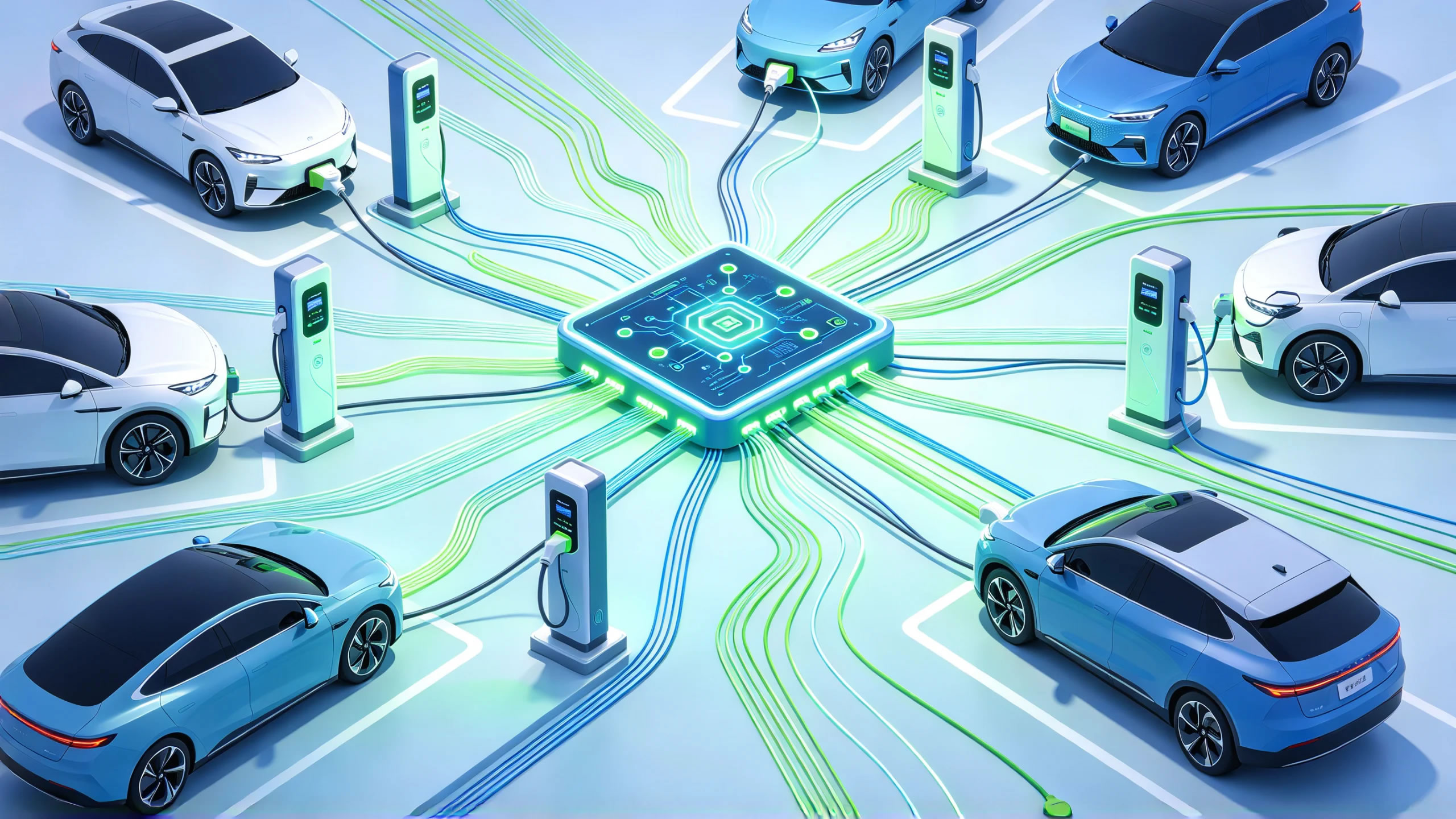
Several residents may use chargers connected to the same electrical infrastructure. Charging access can be managed through an app, RFID card, or other identification method.
Shared charging is particularly useful for:
- Apartment complexes
- Residential parking garages
- Multi-family buildings
- Shared parking areas
- Buildings with multiple EV owners
The system can also distribute available electrical capacity among several vehicles.
3. Public Chargers Near Your Home
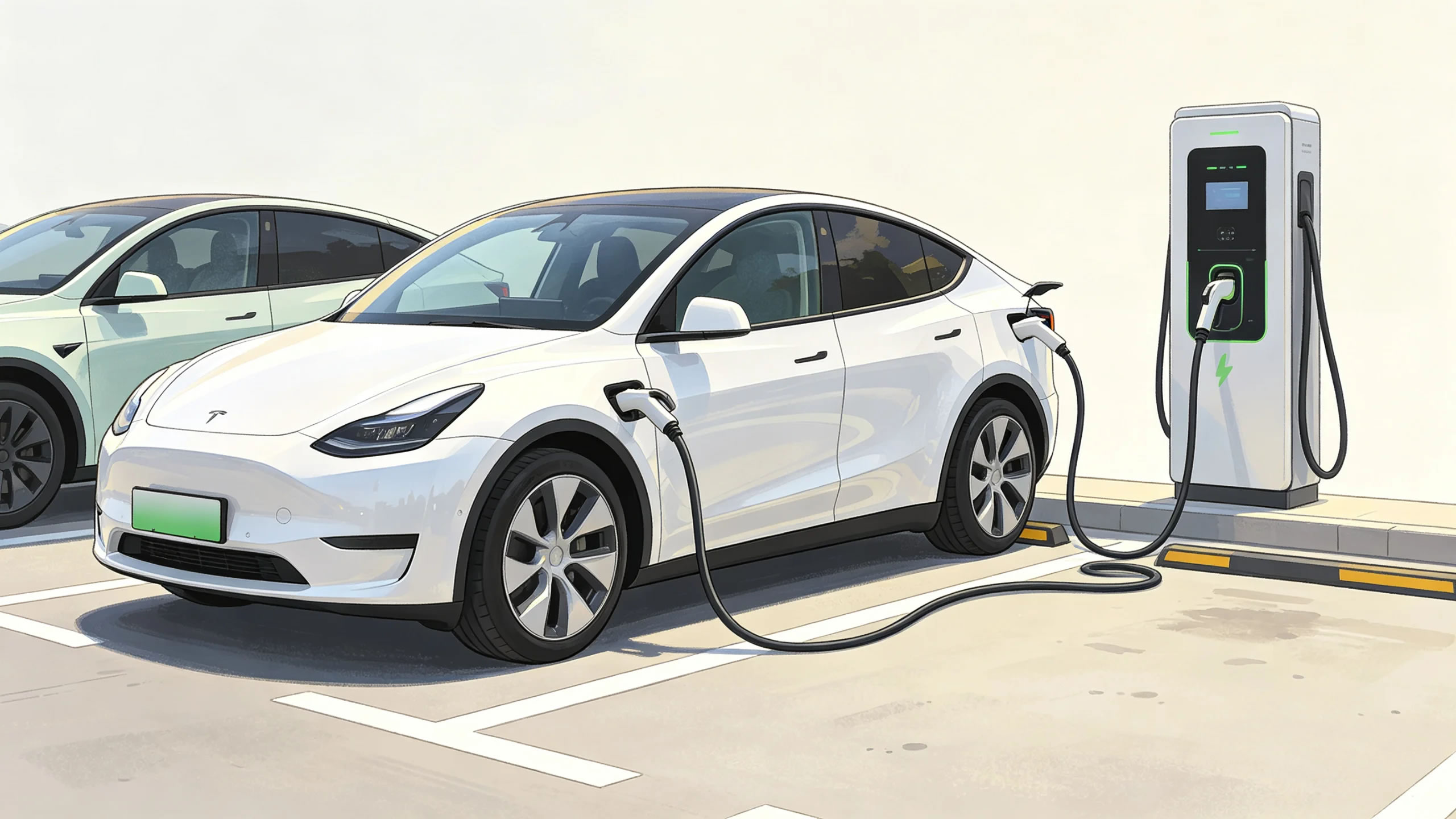
If your apartment does not have charging facilities, nearby public charging stations may be the simplest option.
Depending on your location, you may find:
- AC destination chargers
- DC fast chargers
- Chargers at shopping centers
- Workplace charging stations
- Chargers at parking garages
- Chargers at supermarkets or other commercial locations
For drivers who do not travel long distances every day, charging while shopping, working, or parking overnight can reduce the need for a home charger.
4. Workplace Charging
For many apartment residents, the workplace can become an important charging location.
If your employer provides EV charging, you can charge during working hours instead of depending entirely on residential or public chargers.
This can be especially convenient when your daily driving distance is moderate and your vehicle remains parked at work for several hours.
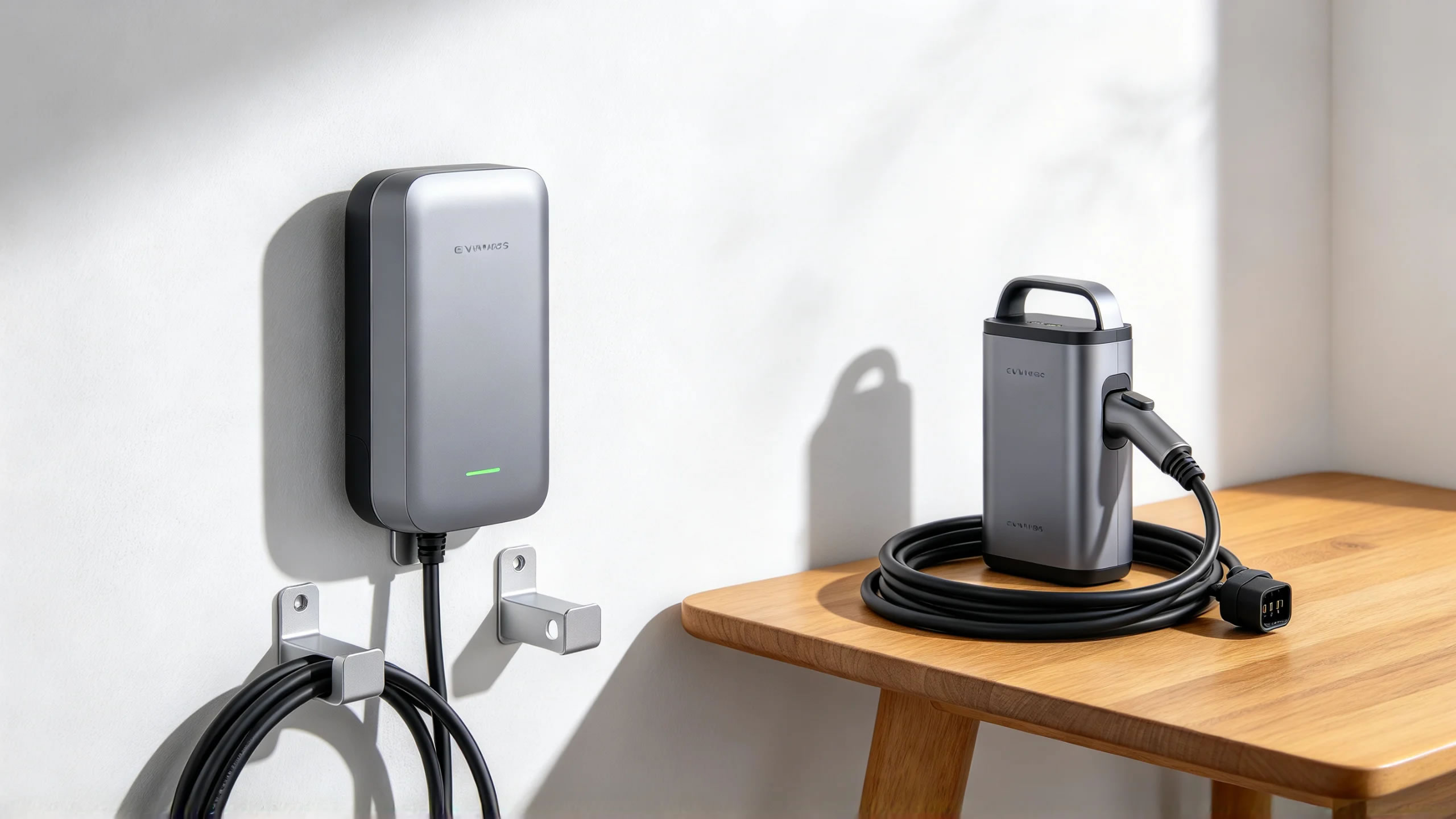
5. Portable EV Chargers
Portable EV chargers can provide additional flexibility, particularly for drivers who regularly use different parking locations.
They can be useful when a suitable electrical outlet is available, but they should not automatically be considered a replacement for a dedicated EV charging installation.
The electrical outlet, wiring, current rating, grounding, and protection system must all be suitable for EV charging.
6. What About Multiple EVs?
Apartment buildings face an additional challenge when many residents want to charge at the same time.
For example, a building may have enough electrical capacity for several vehicles under normal conditions, but not enough capacity for every charger to operate at maximum power simultaneously.
This is where dynamic load management can help.
A smart charging system can monitor the building's electricity demand and adjust charging power according to available capacity.
When household or building electricity demand increases, EV charging power can be reduced. When more capacity becomes available, charging power can increase again.
The goal is not necessarily to make charging faster, but to make better use of the available electrical capacity.
7. How Should Apartment Residents Choose?
There is no single best solution for every apartment resident.
| Situation | Possible Charging Option |
|---|---|
| Private parking + suitable electrical supply | Wall-mounted home charger |
| Shared parking + multiple EV owners | Shared charging system |
| No residential charging | Public charging |
| Workplace parking available | Workplace charging |
| Need flexibility between locations | Portable charger |
| Many EVs in one building | Smart charging + load management |
The most practical solution may also be a combination. For example, an apartment resident might use workplace charging during the week and public fast charging for longer trips.
8. What Should You Check Before Installing?
Before making a decision, consider these questions:
- Where do you normally park?
- How many kilometers do you drive each day?
- Is a dedicated electrical connection available?
- Does the building have spare electrical capacity?
- Can the property manager approve the installation?
- How many EVs may need charging in the future?
- Would smart charging help manage the available capacity?
Answering these questions can help determine whether you need a private charger, a shared system, or simply access to nearby charging stations.
Living in an apartment does not mean you cannot conveniently own an electric vehicle. While home charging can be more complicated than in a private house, there are several alternatives, including shared residential chargers, public charging, workplace charging, and portable charging solutions.
As EV adoption grows, apartment buildings will increasingly need charging systems that are flexible, scalable, and able to manage limited electrical capacity.
For drivers, the best approach is to choose a charging solution based not only on charging speed, but also on parking conditions, daily driving habits, electrical capacity, and long-term convenience.
 October 7, 2026