The world is not waiting for an energy transition — it is already living through one.
For more than a century, oil has been the backbone of global transportation, shaping industries, geopolitics, and everyday life. From highways to supply chains, the internal combustion engine defined how the modern world moves. But today, a new paradigm is quietly — yet rapidly — taking its place.
Electricity is emerging as the new foundation of mobility.
The Turning Point of Energy
Several forces are converging to accelerate this transformation.
Governments around the world are setting ambitious carbon neutrality targets. Major economies are pushing policies that encourage the adoption of electric vehicles (EVs), while restricting or even banning new gasoline-powered cars in the coming decades.
At the same time, technological progress is reducing the cost of batteries, improving driving range, and making EVs more accessible than ever before. What was once a niche product is quickly becoming mainstream.
But the most important shift is not just about vehicles — it’s about infrastructure.
Charging Networks: The New Energy Backbone
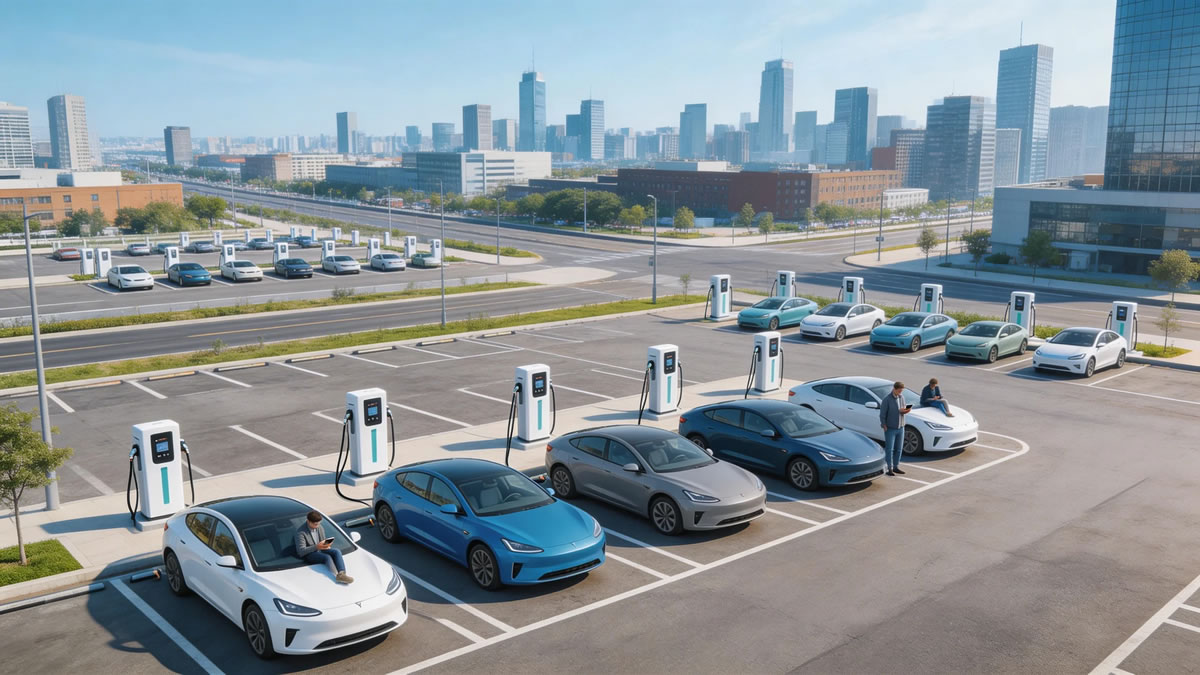
Just as gas stations enabled the rise of the oil era, charging infrastructure will define the electric era.
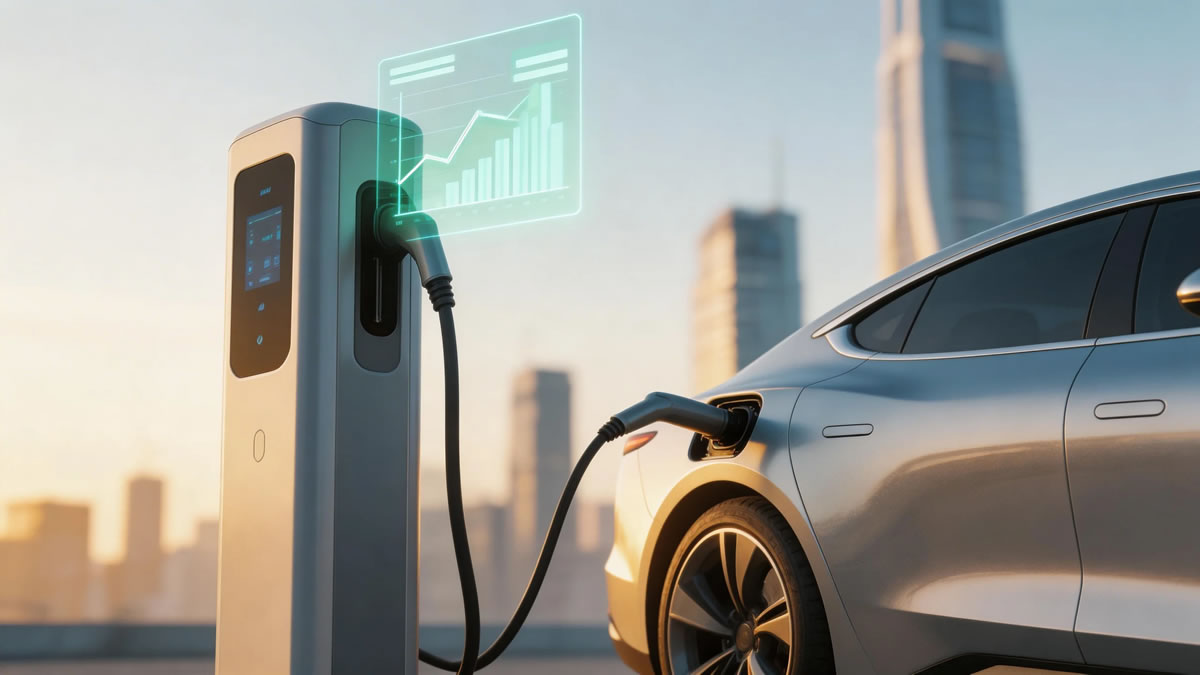
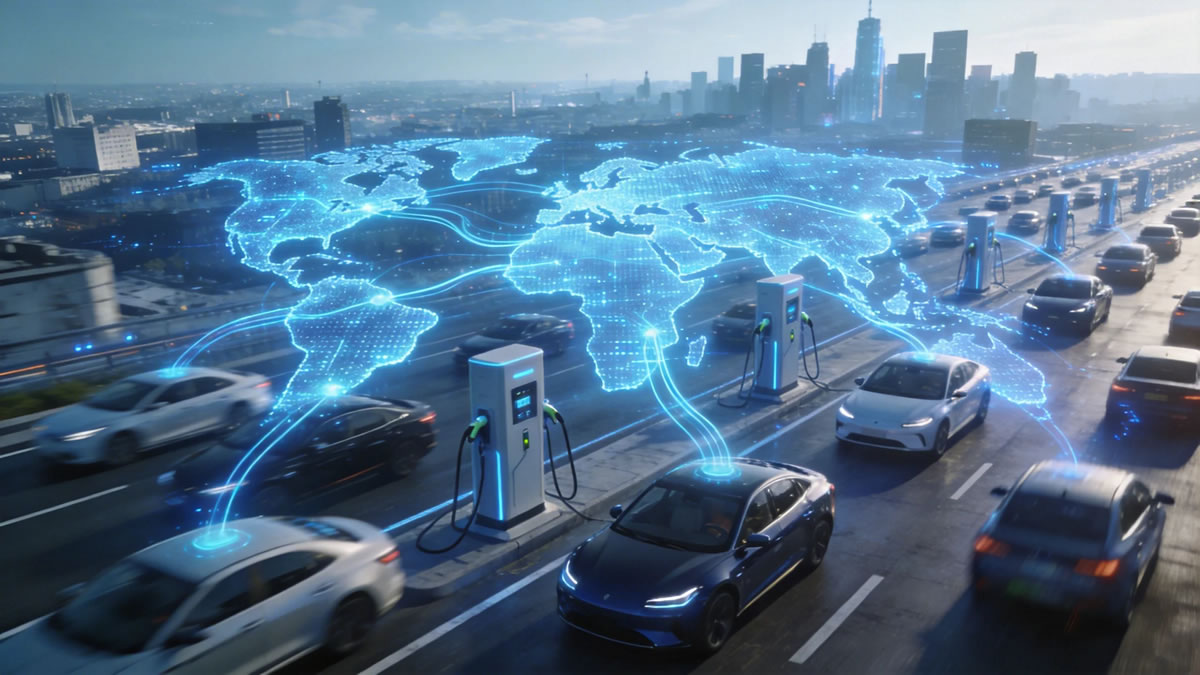
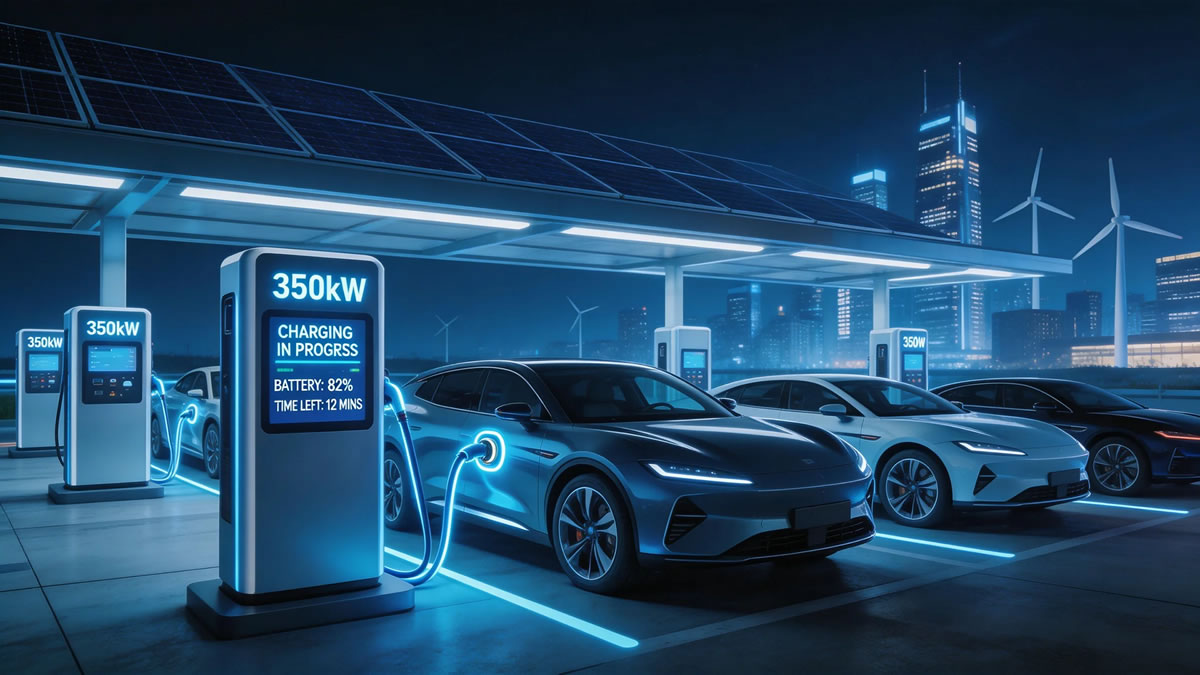
Charging stations are no longer simple power outlets. They are becoming part of a broader, intelligent energy network — connecting vehicles, grids, data platforms, and renewable energy sources.
In this new system:
- Vehicles are no longer just consumers of energy, but potential storage units
- Charging stations act as distributed energy nodes
- Data flows become as important as electricity itself
This transformation signals the emergence of an “energy internet”, where electricity is generated, distributed, and optimized in real time.
A Global Shift, Unevenly Distributed
While the transition is global, its pace varies significantly.
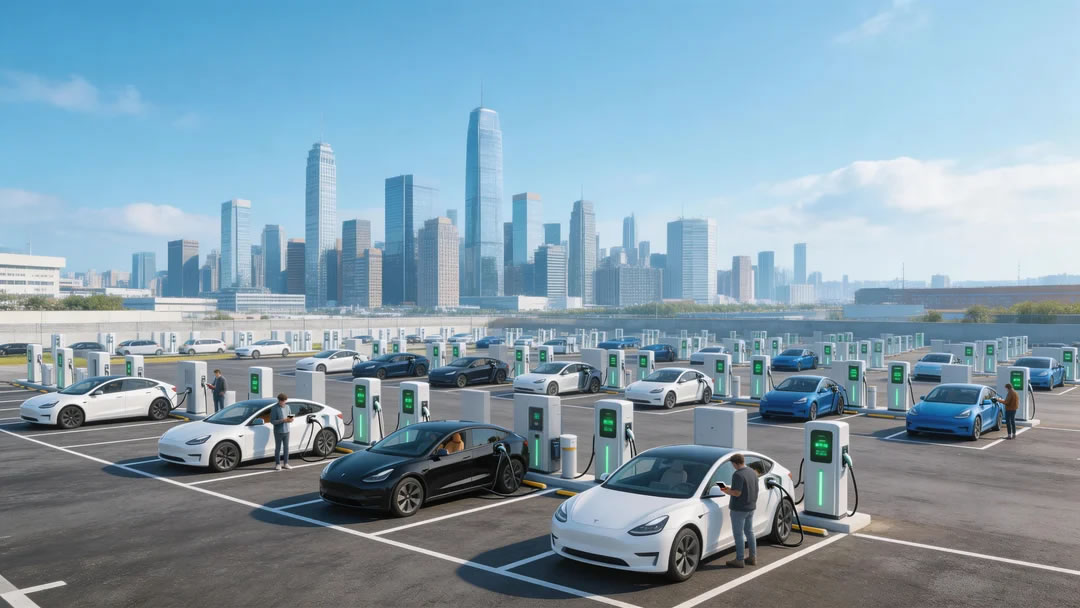
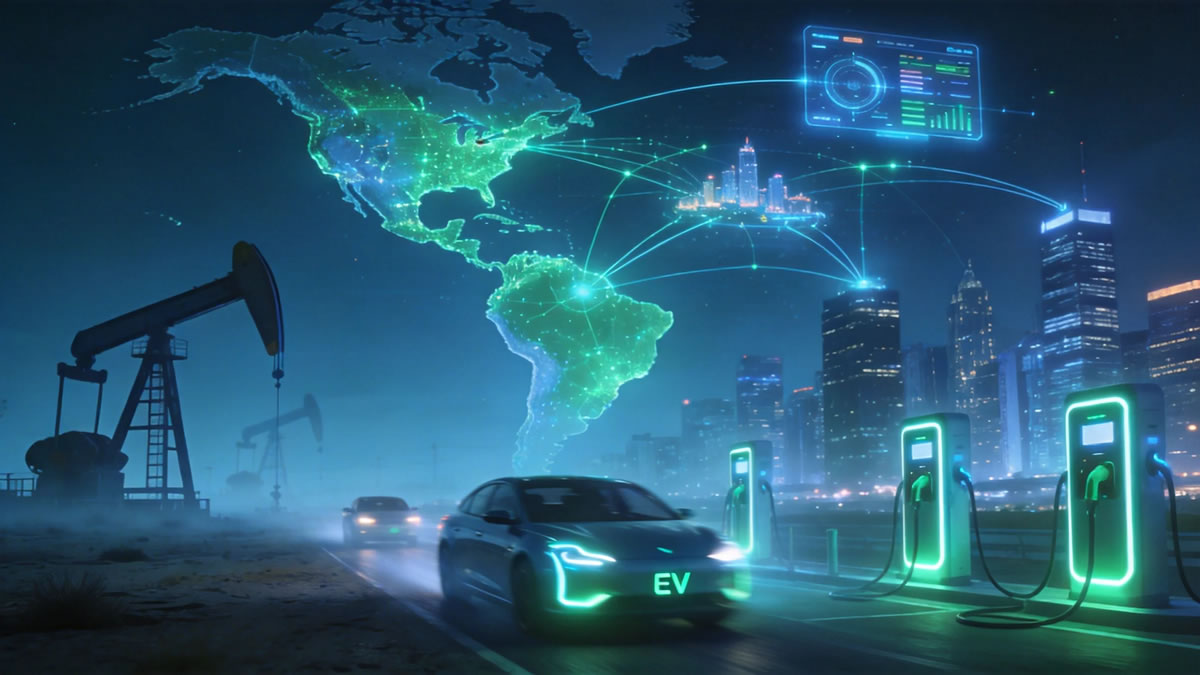
Regions like China and Europe have already built extensive charging networks, integrating them into urban planning and national strategies. Meanwhile, emerging markets — particularly in Latin America and Southeast Asia — are still in the early stages.
This imbalance is not a weakness. It represents the next frontier of development.
As urbanization accelerates and EV adoption grows, these regions are expected to leapfrog traditional models and adopt more integrated, smart energy systems from the outset.
Redefining the Future of Mobility
The shift from oil to electricity is not just a technological upgrade — it is a structural transformation of the global economy.
It will reshape:
- How cities are designed
- How energy is produced and consumed
- How infrastructure is financed and deployed
In the coming decade, charging networks will become as essential as roads, as strategic as ports, and as ubiquitous as the internet.
The question is no longer whether this transition will happen.
It is already happening.
 March 21, 2026