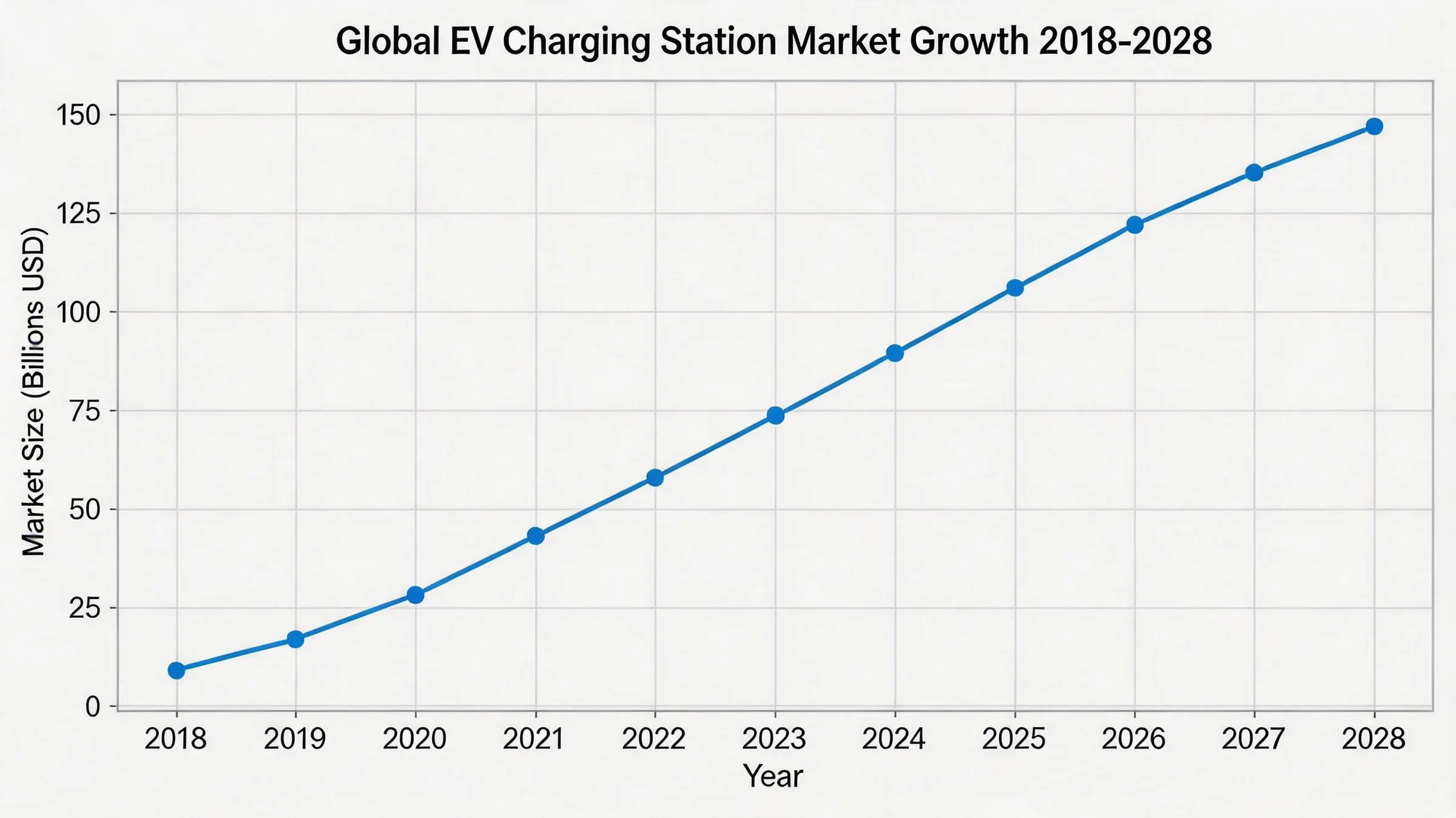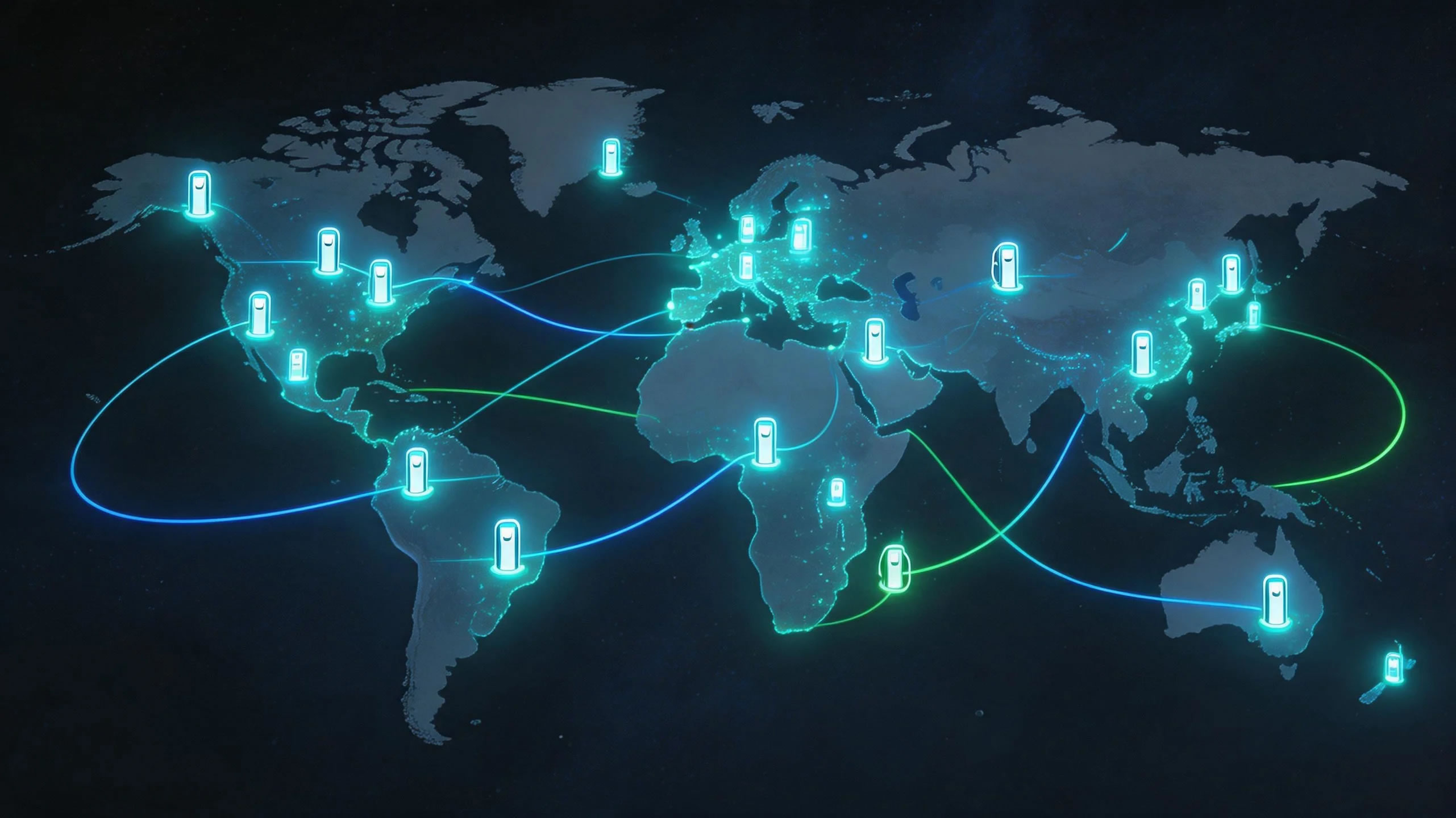
The first half of 2026 has marked a pivotal phase for the global electric vehicle (EV) charging industry. As EV adoption continues to accelerate worldwide, charging infrastructure is undergoing a simultaneous transformation—scaling rapidly in mature markets while unlocking entirely new opportunities in emerging regions.
From technological advancements to evolving business models, the charging ecosystem is no longer just about hardware deployment. It is becoming a complex, network-driven industry shaped by utilization rates, geographic strategy, and capital efficiency.
1. Continued Expansion in Mature Markets
In North America, Europe, and parts of East Asia, EV charging networks have entered a stage of density optimization rather than pure expansion.
Public fast-charging networks continue to grow, but the focus has shifted toward:
- Increasing station utilization rates
- Reducing downtime and maintenance costs
- Improving user experience through smart software
Ultra-fast DC charging (150kW–350kW) is becoming the standard along highways, enabling long-distance EV travel comparable to traditional refueling.
However, profitability remains a key challenge. Many operators are realizing that individual charging stations often struggle to generate stable returns, especially in oversupplied urban areas.
2. The Rise of Network-Based Profit Models
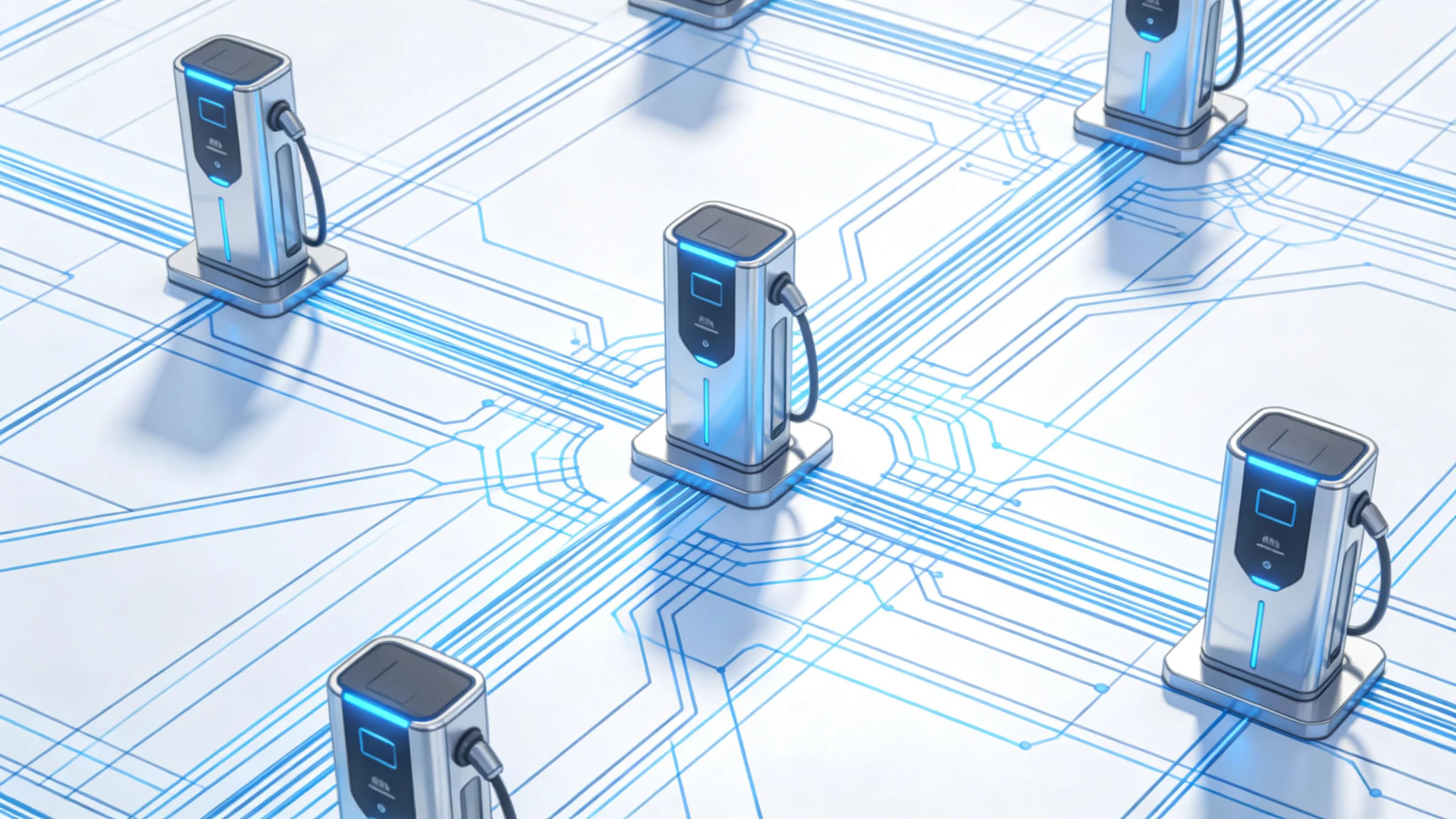
One of the most significant trends in H1 2026 is the shift from single-station economics to network-level profitability.
Operators are increasingly leveraging:
- Aggregated traffic across multiple stations
- Dynamic pricing strategies
- Energy management systems
- Integration with renewable energy
This transition highlights a critical industry reality:
Charging stations alone are assets. Charging networks are businesses.
Companies that control large-scale networks are beginning to unlock:
- Recurring revenue streams
- Data-driven optimization
- Higher investor confidence
3. Emerging Markets Take Center Stage
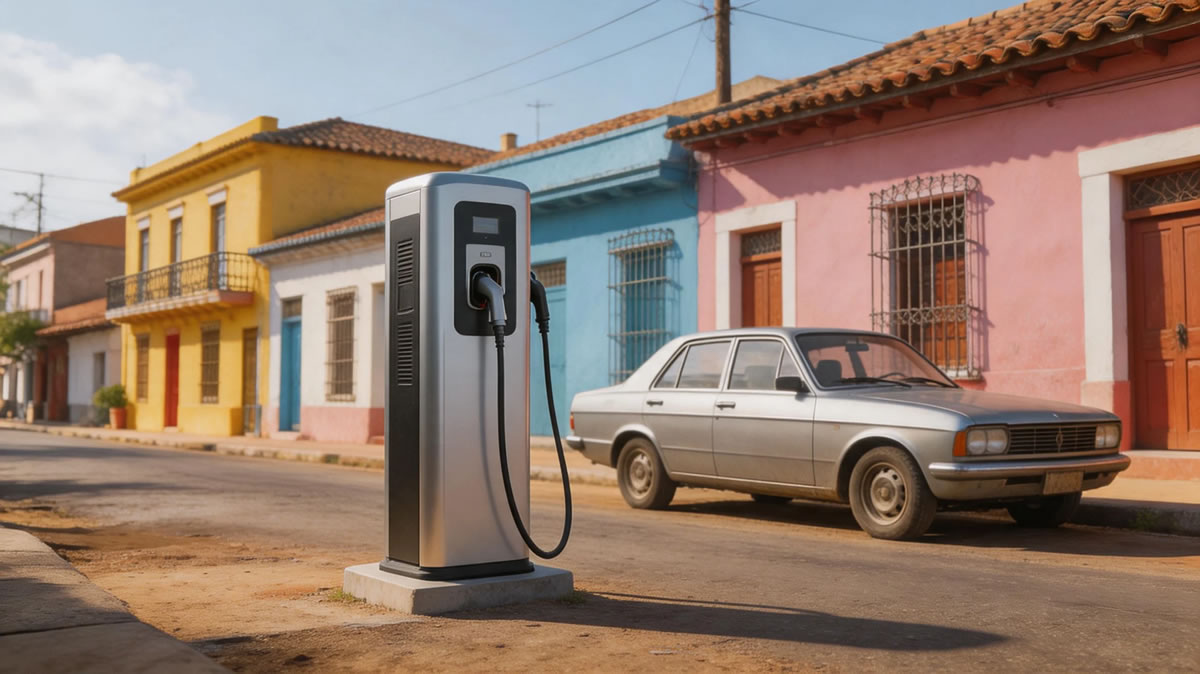
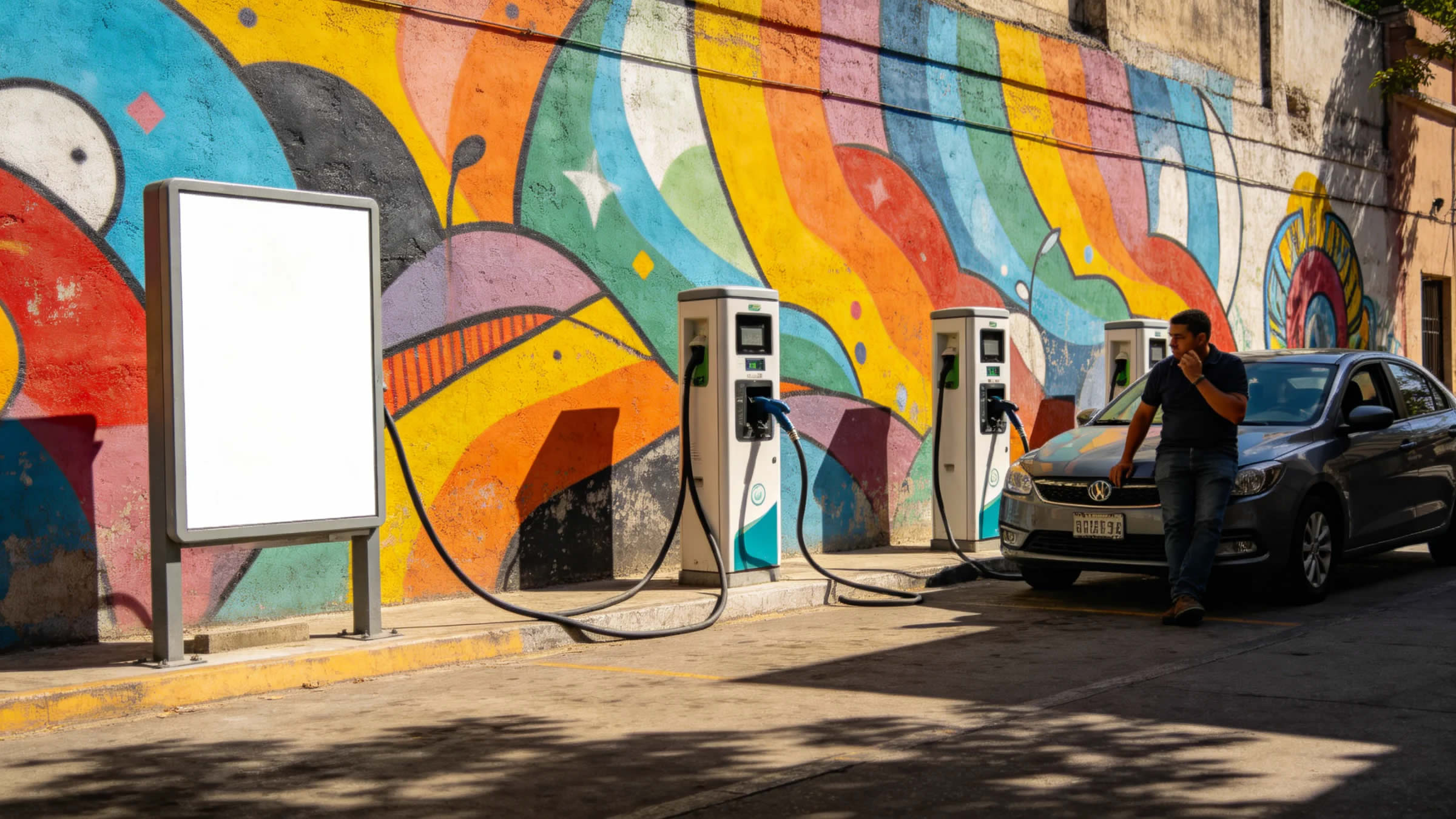
While mature markets face saturation challenges, emerging regions—particularly Latin America—are entering a high-growth phase.
Key characteristics of these markets include:
- Extremely low charging station density
- Rapid EV adoption driven by cost advantages
- Strong policy momentum in major cities
Countries such as Mexico, Brazil, and Colombia are seeing a surge in demand for charging infrastructure, yet supply remains far behind.
This imbalance is creating a rare investment window, where early participants can:
- Secure high-traffic locations
- Achieve higher utilization rates
- Establish long-term market dominance
4. Technology Trends: Faster, Smarter, More Integrated
Technology development continues to reshape the industry landscape.
Major trends include:
Ultra-Fast Charging
Charging speeds are improving significantly, reducing waiting times and increasing station throughput.
Smart Charging Systems
AI-driven load balancing and predictive maintenance are becoming standard features.
Energy Integration
Charging stations are increasingly combined with:
- Solar energy systems
- Battery storage solutions
- Grid services
This integration not only improves efficiency but also opens additional revenue channels.
5. Policy and Capital: Dual Drivers of Growth
Government support remains a critical driver for the industry.
In H1 2026:
- Subsidies continue in Europe and the U.S.
- Local governments in Latin America begin offering incentives
- Private capital is shifting toward infrastructure-backed investments
Institutional investors are showing growing interest in charging networks due to their long-term, stable cash flow potential.
6. Challenges: Profitability and Standardization
Despite rapid growth, the industry still faces several structural challenges:
- High upfront investment costs
- Inconsistent charging standards across regions
- Grid capacity limitations
- Uncertain short-term ROI for new entrants
These challenges reinforce the importance of strategic planning over aggressive expansion.
Conclusion: A Market Entering Its Strategic Phase
The first half of 2026 confirms that the EV charging industry is moving beyond its early expansion stage into a more strategic and competitive phase.
Success is no longer defined by how many stations are installed, but by:
- Network efficiency
- Market positioning
- Operational excellence
For investors and operators alike, the message is clear:
The next wave of opportunity lies not in building more chargers—but in building smarter, more connected charging ecosystems.
 May 29, 2026