Introduction: The Common Misconception
Many people enter the EV charging industry with a simple expectation:
“If I install one charging station, it should generate steady income.”
But in reality, that’s not always the case.
A single charging station can be:
- Underutilized
- Location-dependent
- Revenue-unstable
However, when multiple stations are connected into a network, the economics change completely.
1. The Limitation of a Single Charging Point
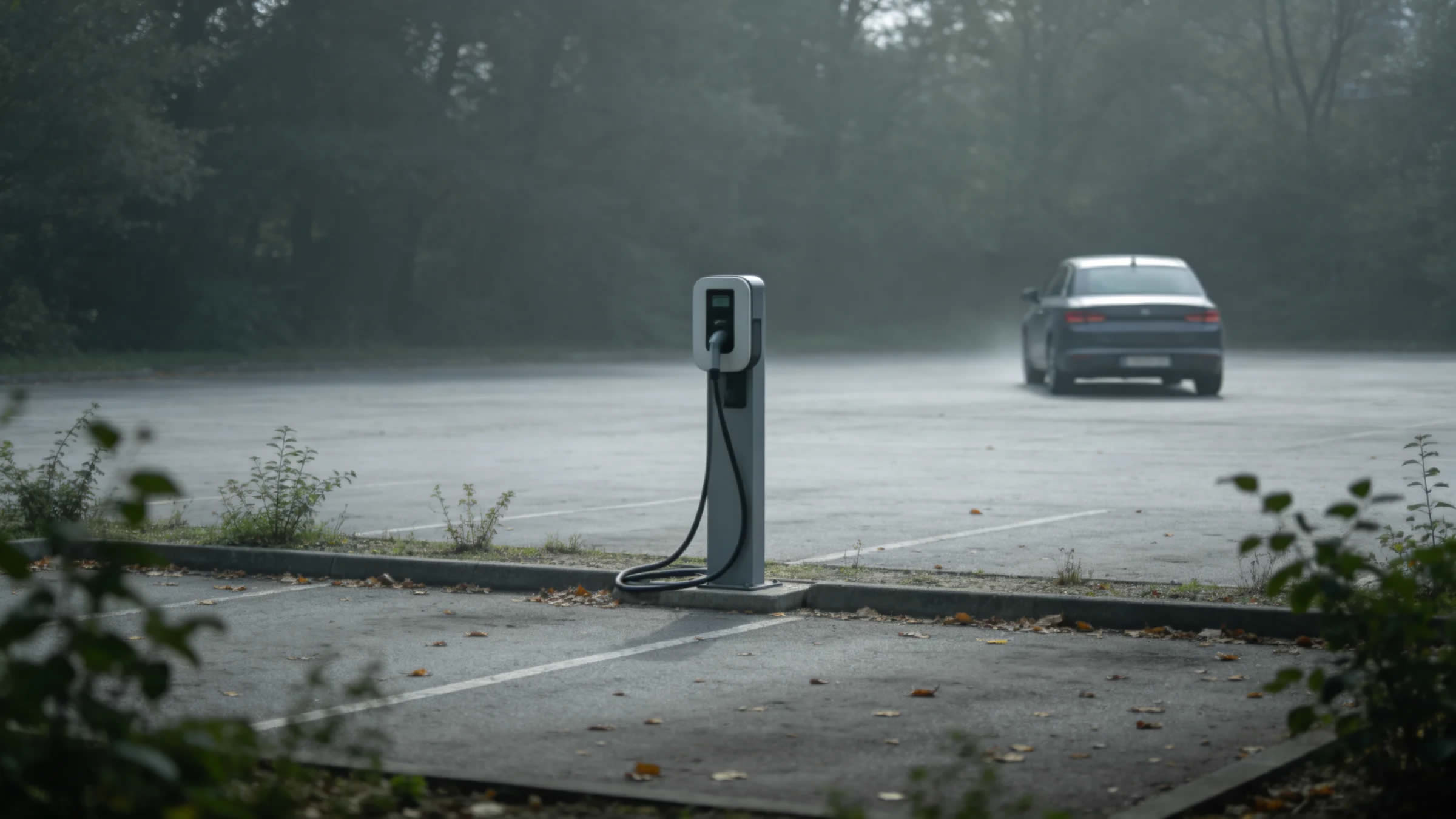
A standalone charger depends entirely on one location.
Key risks:
- Limited user traffic
- Demand fluctuates by time and day
- Revenue is unpredictable
Example:
A charger in a low-traffic area might only be used a few times per day.
Result:
Low utilization = low return on investment
2. User Behavior Is Not Fixed — It’s Dynamic
EV drivers don’t charge in just one place.
They charge:
- Near home
- At work
- While shopping
- During travel
This means:
Demand is distributed across multiple locations, not concentrated in one.
A single charger can never capture all usage scenarios.
3. The Power of a Charging Network
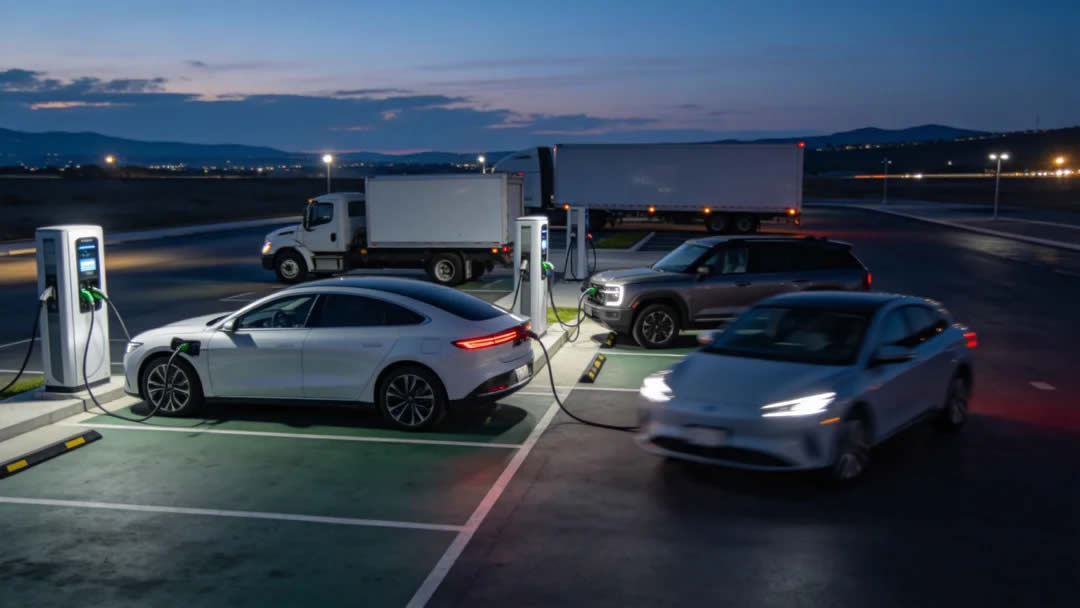
A network connects multiple charging points across different scenarios.
Why networks work:
- Diversified usage patterns
- Higher total utilization
- Reduced dependency on a single location
Instead of relying on one source of income,
you build multiple income streams.
4. Network Effect = Stable and Scalable Revenue
When stations are connected:
- Users move within your ecosystem
- Charging frequency increases
- Data improves optimization
This creates a compounding effect:
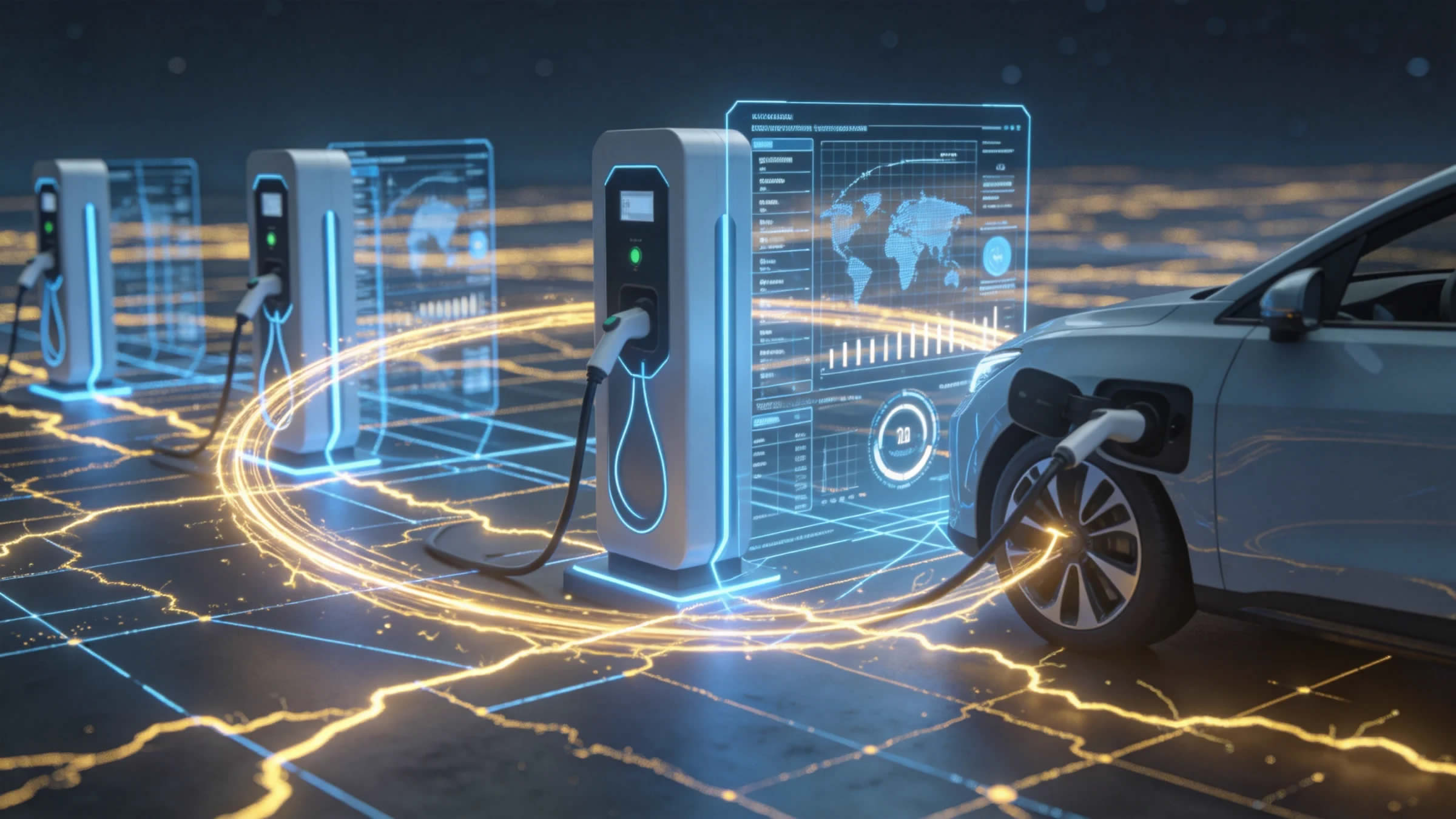
More stations → More users → More usage → More revenue
5. Real Profit Comes from System, Not Hardware
Many beginners focus only on the hardware.
But in reality:
The charger is just the entry point.
The system is where the profit is generated.
A network enables:
- Smart pricing
- Load balancing
- User retention
- Automated operations
6. Why This Matters in Latin America
Latin America is still in the early stage of EV infrastructure.
That means:
- Charging points are fragmented
- Networks are not fully established
- Early builders gain strong advantages
Building a network now = securing future market position
Conclusion: From a Device to a Business Model
A single EV charger is just a device.
A network of chargers is a business system.
If you think in terms of one machine, profits are limited.
If you think in terms of a network, income becomes scalable.
Call to Action
ZapCharge is building a global EV charging network, starting with high-growth regions like Latin America.
We help partners:
- Identify strategic locations
- Connect stations into a network
- Generate stable, long-term income
Join the network. Build income beyond a single point.
 May 22, 2026