Introduction: The Next EV Boom Is Not Where You Think
When people think about EV charging, they often look at:
- Europe
- The United States
- China
But here’s the reality:
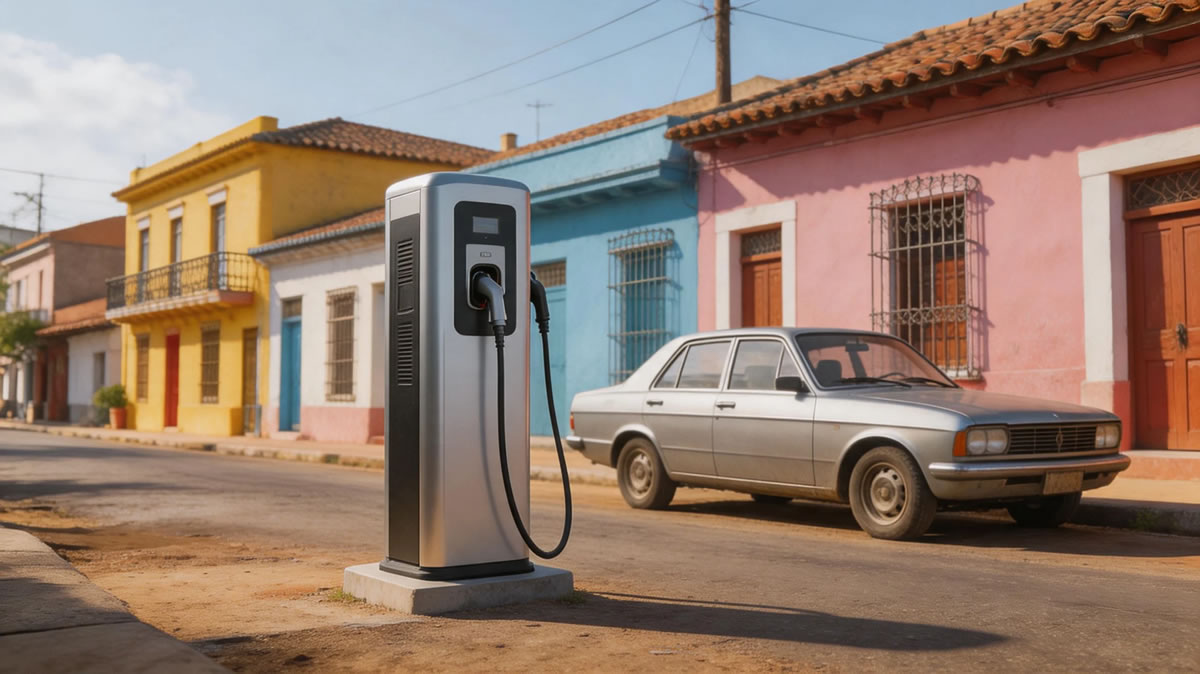
The next major growth wave is happening in Latin America.
And it’s still early.
1. EV Adoption Is Rising — But Infrastructure Is Lagging Behind
Across Latin America, EV adoption is accelerating:
- Governments promoting clean energy
- Fuel costs pushing alternatives
- More affordable EV models entering the market
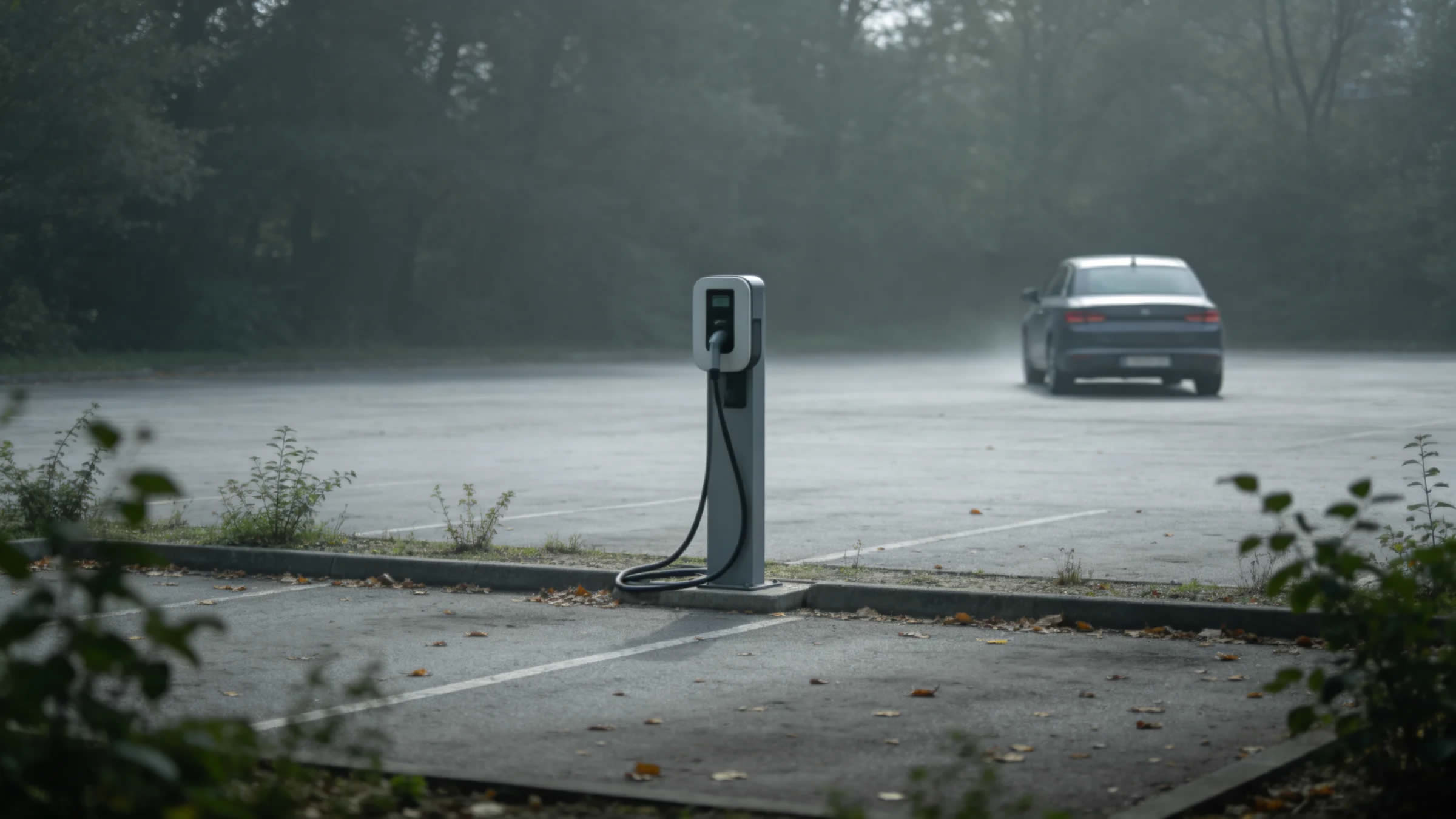
However, charging infrastructure is still severely underdeveloped.
This creates a critical gap:
More EVs, fewer charging stations.
2. Low Competition = High First-Mover Advantage
In mature markets:
- Competition is intense
- Margins are shrinking
- Entry barriers are higher
In Latin America:
- Fewer established networks
- Large underserved areas
- Easier market entry
Early participants can:
- Secure prime locations
- Build brand recognition
- Establish long-term dominance
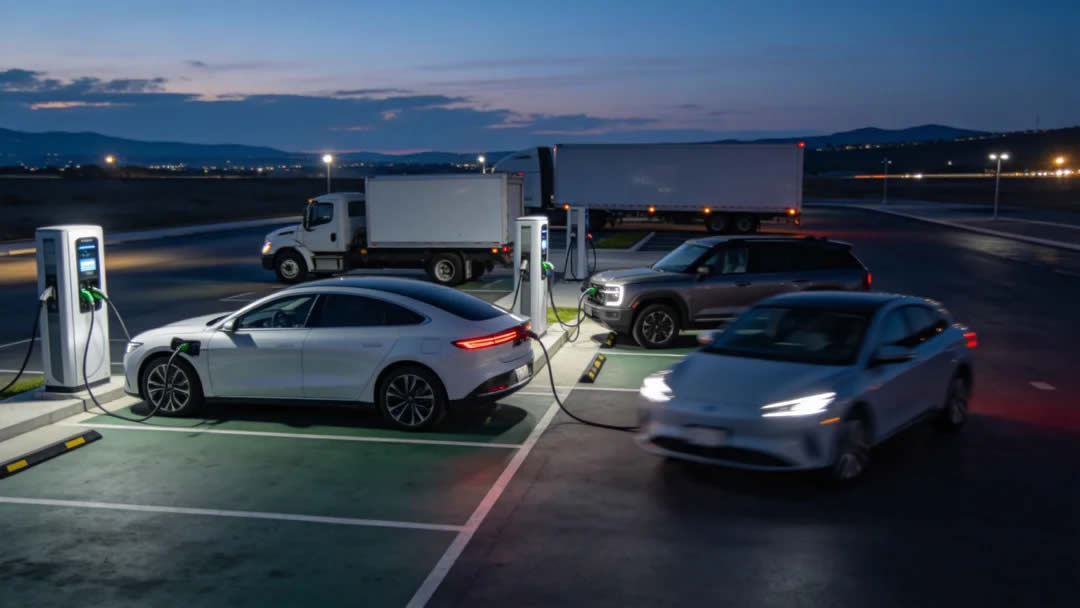
3. Urban Density Creates High Utilization Potential
Major Latin American cities are:
- Highly populated
- Traffic-heavy
- Parking-limited
This leads to:
- High charging demand per location
- Strong utilization rates in the right spots
4. Charging Is Not Just a Service — It’s a Business Opportunity
In emerging markets, infrastructure gaps often become business opportunities.
EV charging in Latin America offers:
- Recurring revenue
- Scalable expansion
- Network-driven growth
Unlike saturated markets,
growth here is still exponential.
5. Timing Is Everything: Early Stage = Maximum Leverage
Markets typically go through three stages:
- Early stage (low competition, high growth)
- Expansion stage (increasing competition)
- Mature stage (price competition, lower margins)
Latin America is currently in Stage 1 → Stage 2 transition.
This is the best entry window:
- Before saturation
- Before consolidation
- Before margins decline
6. Why Networks Will Win This Market
Because infrastructure is still fragmented,
the winners will not be single stations — but networks.
Networks provide:
- Coverage
- User convenience
- Higher usage frequency
- Data-driven optimization
Conclusion: The Opportunity Is Not in the Future — It’s Now
Latin America is not a future opportunity.
It is a present opportunity — just not widely recognized yet.
That’s what makes it valuable.
The earlier you enter,
the stronger your position will be.
 May 25, 2026