At first glance, owning an EV charging station seems like a simple business:
Install a charger → drivers pay → you earn money.
But in reality, things are not that straightforward.
Many single charging stations struggle to generate stable profits.
So what’s the problem?
The Challenge of a Single Charging Station
A standalone charging station faces several limitations:
1. Low Utilization Rate
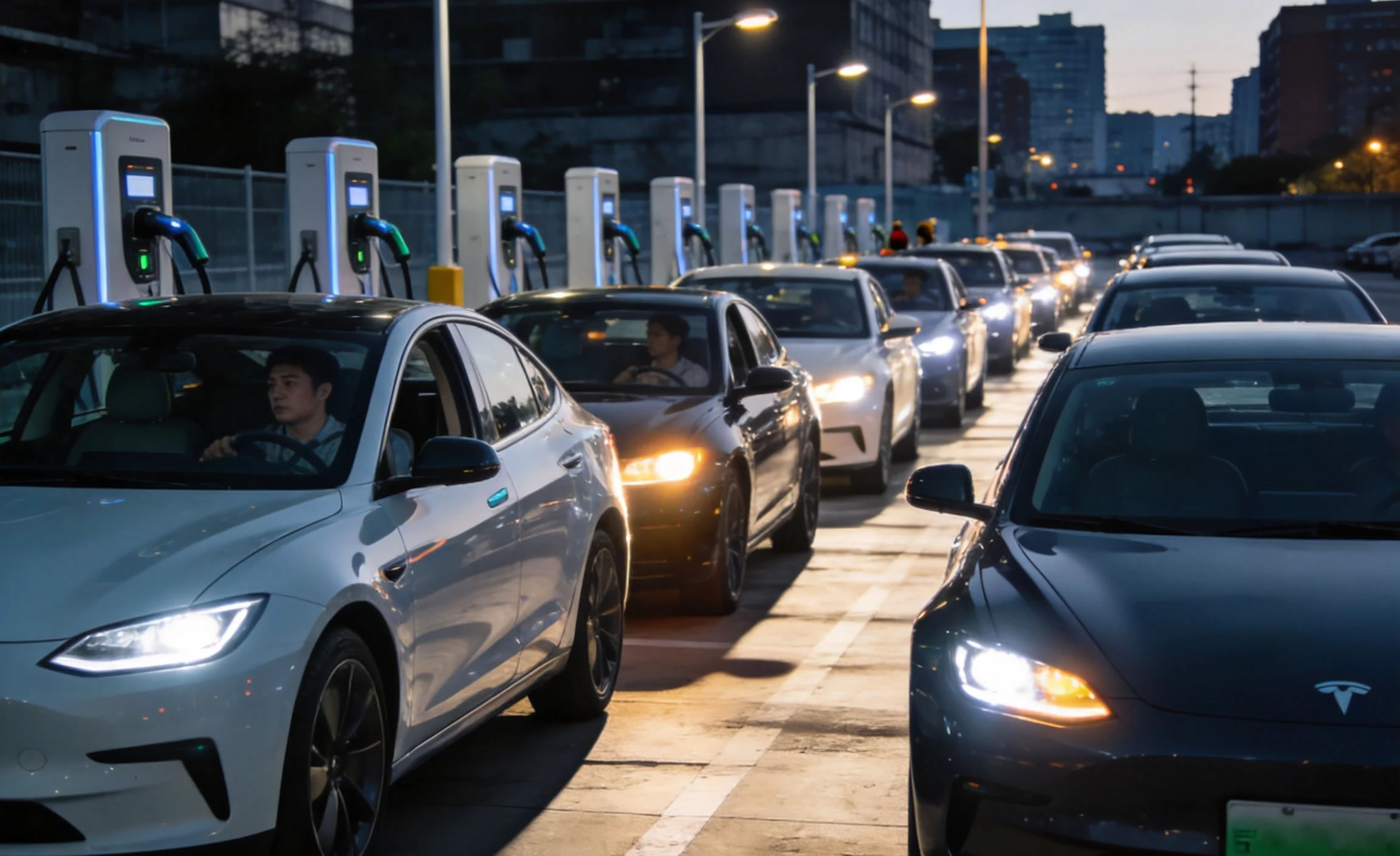
Unlike gas stations, EV charging demand is still uneven.
- Some hours: no users
- Some locations: low traffic
- Some days: unpredictable demand
This leads to inconsistent revenue.
2. Location Dependency
A single charger depends heavily on:
- Traffic flow
- Nearby EV density
- User habits
If the location is not ideal, usage remains low.
3. Limited Revenue Streams
A single station typically earns from:
- Charging fees
But without scale, it’s hard to expand into:
- Data services
- Membership systems
- Advertising
Why Networks Change Everything
Now, let’s look at the bigger picture:
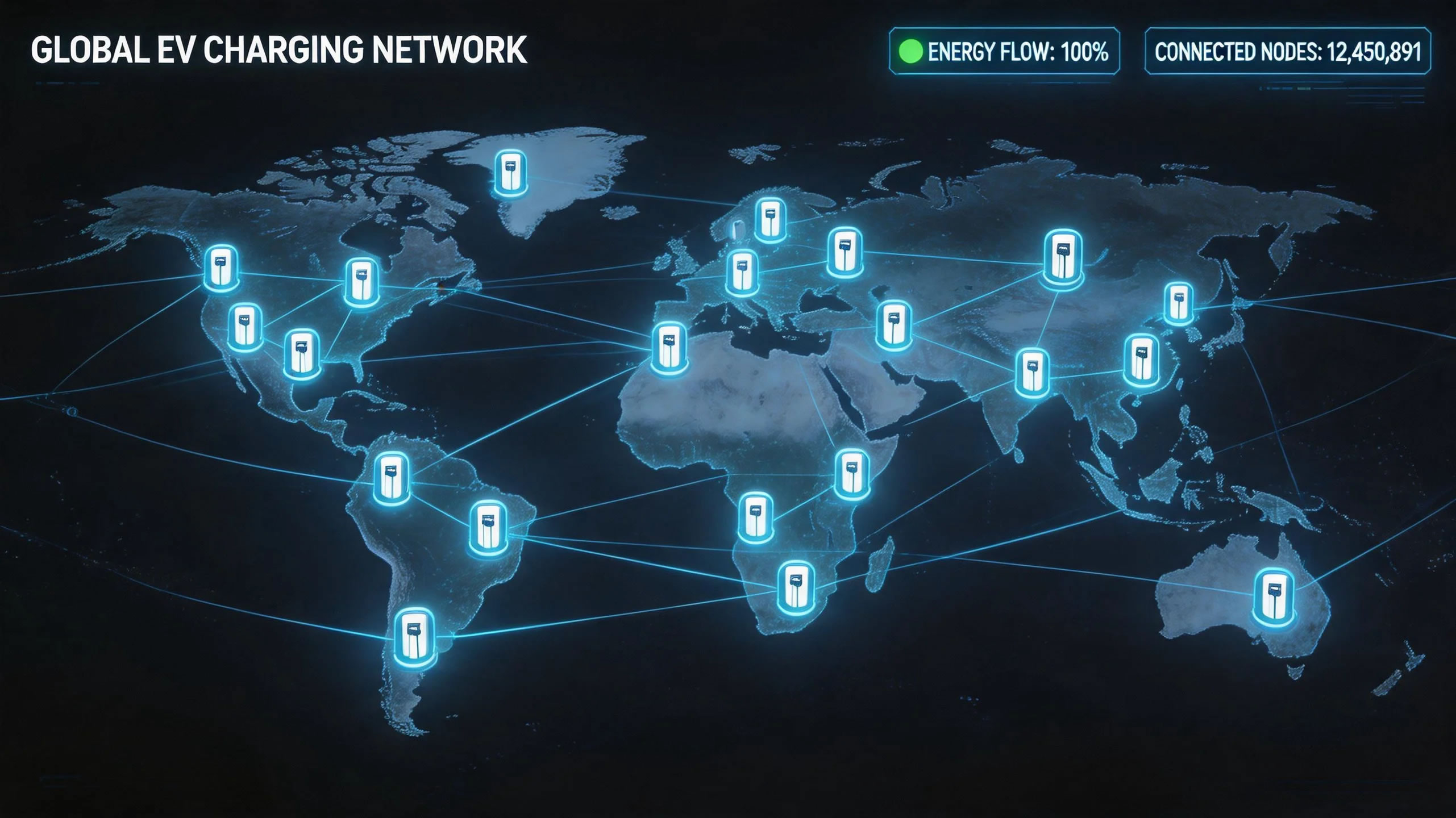
A charging network is not just multiple stations —
it’s a connected system.
And this changes the business completely.
1. Higher Overall Utilization
Across a network:
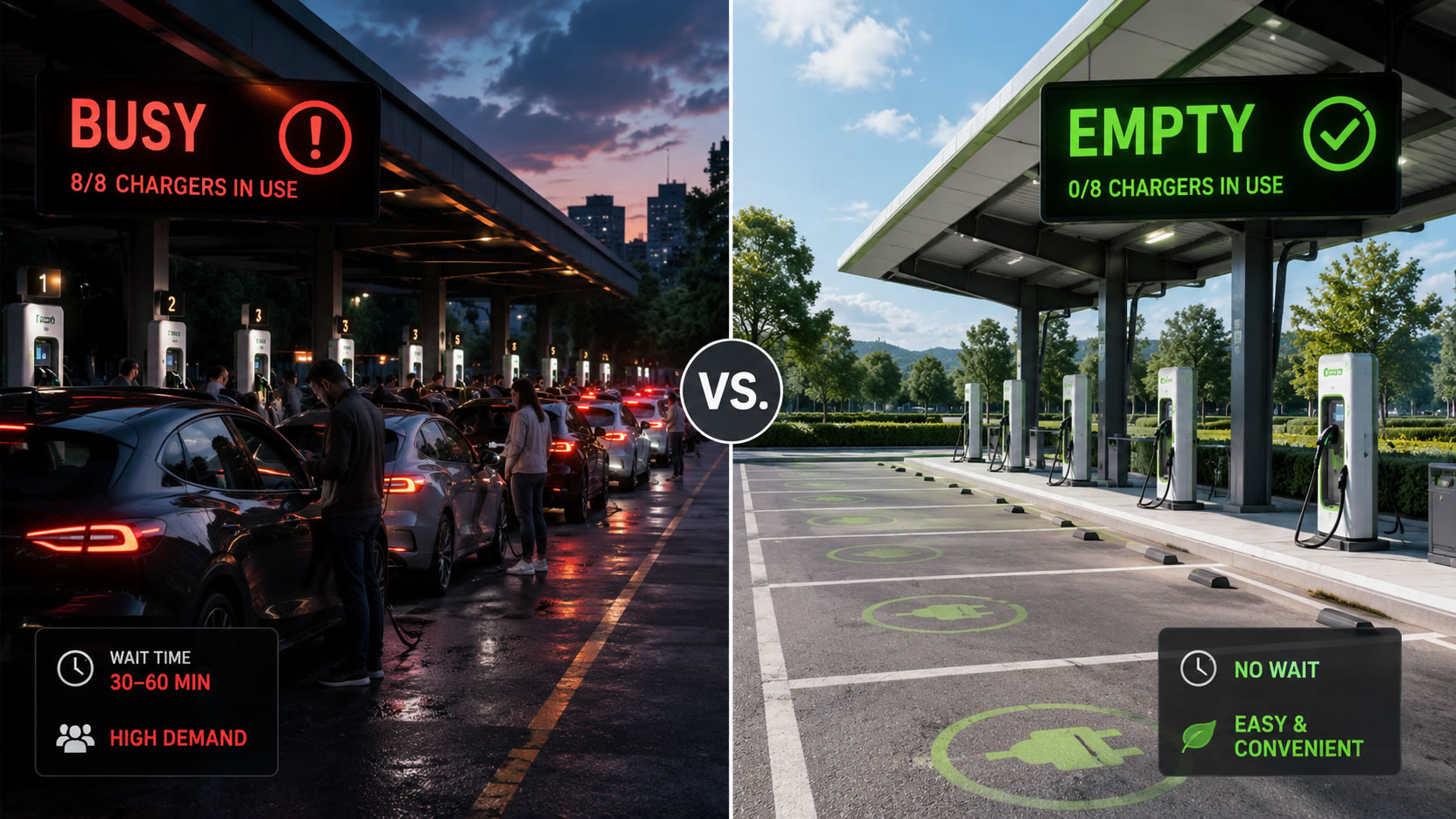
- Some stations are busy
- Some are idle
But together, they balance out.
Result: more stable total revenue
2. Smart Distribution of Demand
Networks can:
- Guide users to available chargers
- Optimize charging locations
- Reduce waiting time
Result: better efficiency
3. Data Creates Value
With multiple stations, platforms can collect:
- User behavior
- Charging patterns
- Energy consumption
This enables:
- Pricing optimization
- Membership models
- New revenue streams
4. Platform-Based Income
A network allows:
- Revenue sharing
- Asset-light expansion
- Scalable growth
This is where real profitability begins.
A Simple Analogy
Think of it like this:
- A single charger = a small shop
- A network = a chain brand
Or even better:
- A single charger = a WiFi router
- A network = an internet provider
The value is not in one point — it’s in the system.
Conclusion
A single EV charging station may generate income,
but it is rarely a scalable or stable business on its own.
In contrast, a charging network transforms isolated assets into:
- A coordinated system
- A data-driven platform
- A long-term revenue model
In the EV era, networks win — not standalone units.
 June 5, 2026