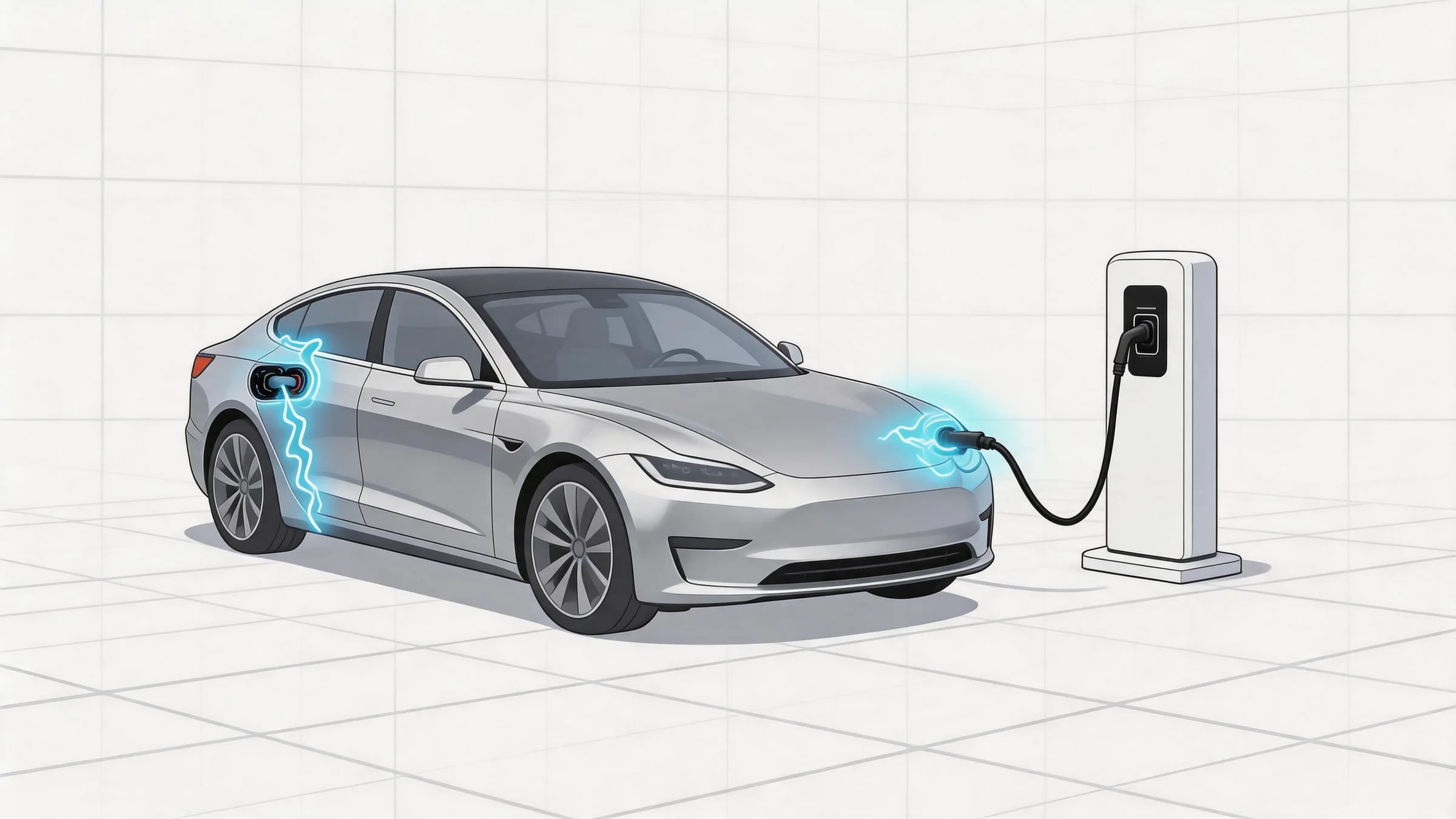
As the EV charging industry grows, one of the most common questions is:
How do EV charging stations actually make money?
At a glance, the answer seems simple — users pay to charge their vehicles.
But in reality, the business model is more layered, with multiple revenue streams and influencing factors.
The Core Revenue: Charging Fees
The primary income of a charging station comes from selling electricity.
Typically, operators earn through:
- Electricity price margin (buy low, sell higher)
- Service fees (charged per kWh, per minute, or per session)
For example:
- Electricity cost: $0.10/kWh
- Charging price: $0.20/kWh
The difference becomes gross profit (before operating costs)
Different Pricing Models
Charging stations may use different billing methods:
1. Per kWh Pricing
- Users pay based on energy consumed
- Most transparent model
2. Time-Based Pricing
- Charged per minute/hour
- Encourages faster turnover
3. Flat Fee / Session Pricing
- Fixed price per charging session
- Simple but less precise
In many cases, operators combine these models.
Beyond Charging: Additional Revenue Streams
As networks grow, operators unlock new ways to generate income:
1. Membership & Subscription Plans
- Monthly packages
- Discounted rates for frequent users
2. Advertising & Media
- Digital screens at charging locations
- Brand partnerships
3. Data & Platform Services
- User behavior insights
- Energy optimization
- Smart charging services
Key Factors That Impact Profitability
Not all charging stations earn the same.
Profit depends on several critical factors:
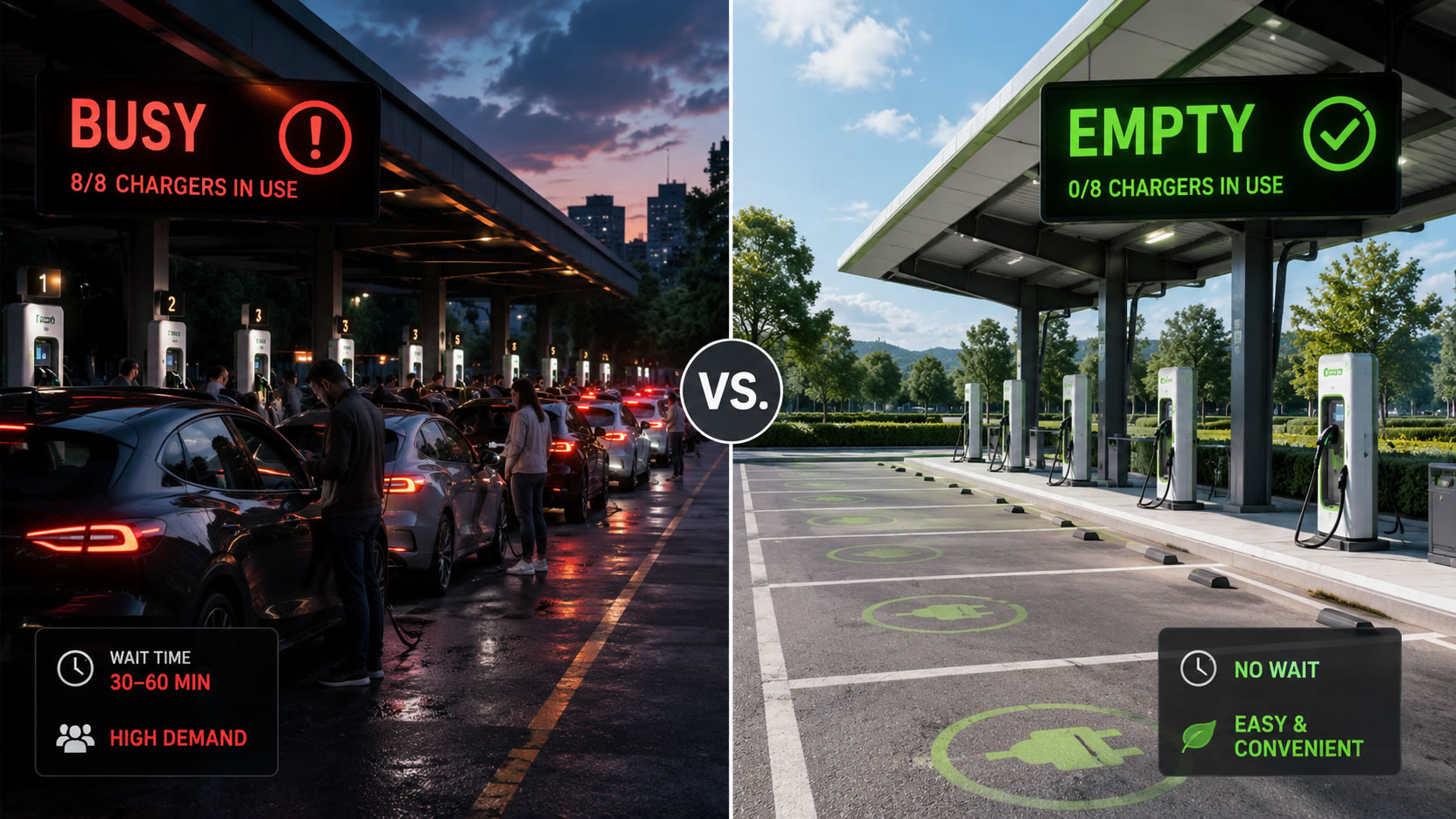
1. Utilization Rate
How often the charger is used:
- High usage = higher revenue
- Idle time = lost potential
2. Location
A strong location can significantly increase income:
- Urban centers
- High EV traffic areas
- Commercial zones
3. Charging Speed
Faster chargers:
- Serve more users per day
- Generate higher turnover
But also come with higher costs.
4. Electricity Costs
Energy pricing varies by region and time:
- Peak vs off-peak pricing
- Grid access costs
Managing this well directly affects margins.
From Simple Income to Scalable Business
A single charging station can generate revenue.
But profitability improves significantly when:
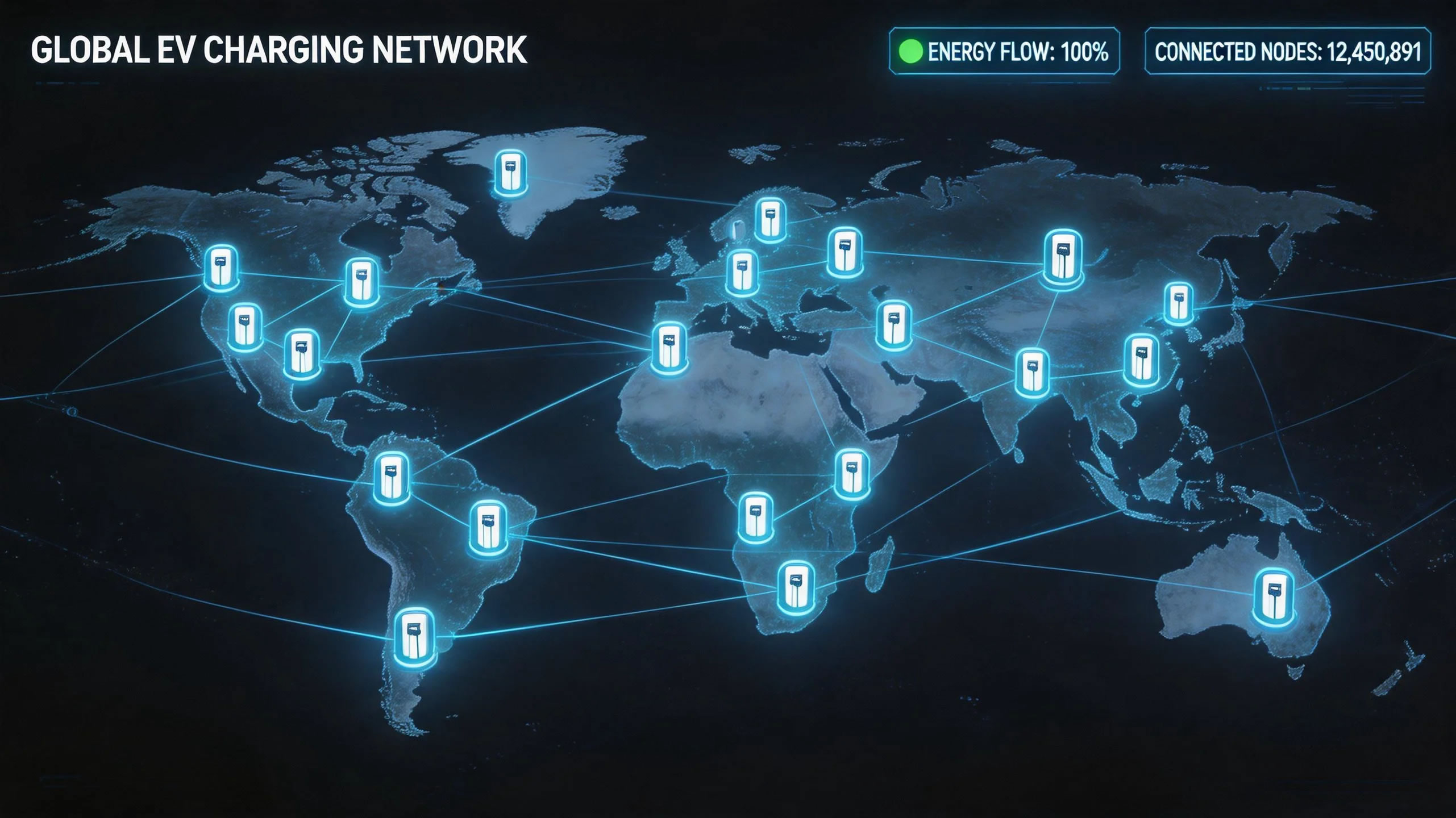
- Multiple stations are connected
- Usage is optimized across locations
- Data is used to improve efficiency
This is why many operators focus on building networks rather than isolated units.
Conclusion
EV charging stations make money primarily through electricity sales and service fees, but the real opportunity lies in expanding beyond a single income stream.
As the industry evolves, charging is becoming not just a utility — but a multi-layered business ecosystem.
Understanding how revenue works is the first step to understanding the opportunity.
 June 8, 2026