As the EV charging industry expands globally, not all markets are developing at the same pace.
While some regions are becoming increasingly competitive, others are just beginning their transition.
This imbalance is creating one of the most important opportunities in the industry today:
Emerging markets.
A Global Market — But Uneven Development
In developed economies:
- EV adoption is already well underway
- Charging networks are expanding rapidly
- Competition among operators is increasing
In contrast, many emerging markets are still in the early stages:
- EV adoption is growing
- Infrastructure remains limited
- Market penetration is low
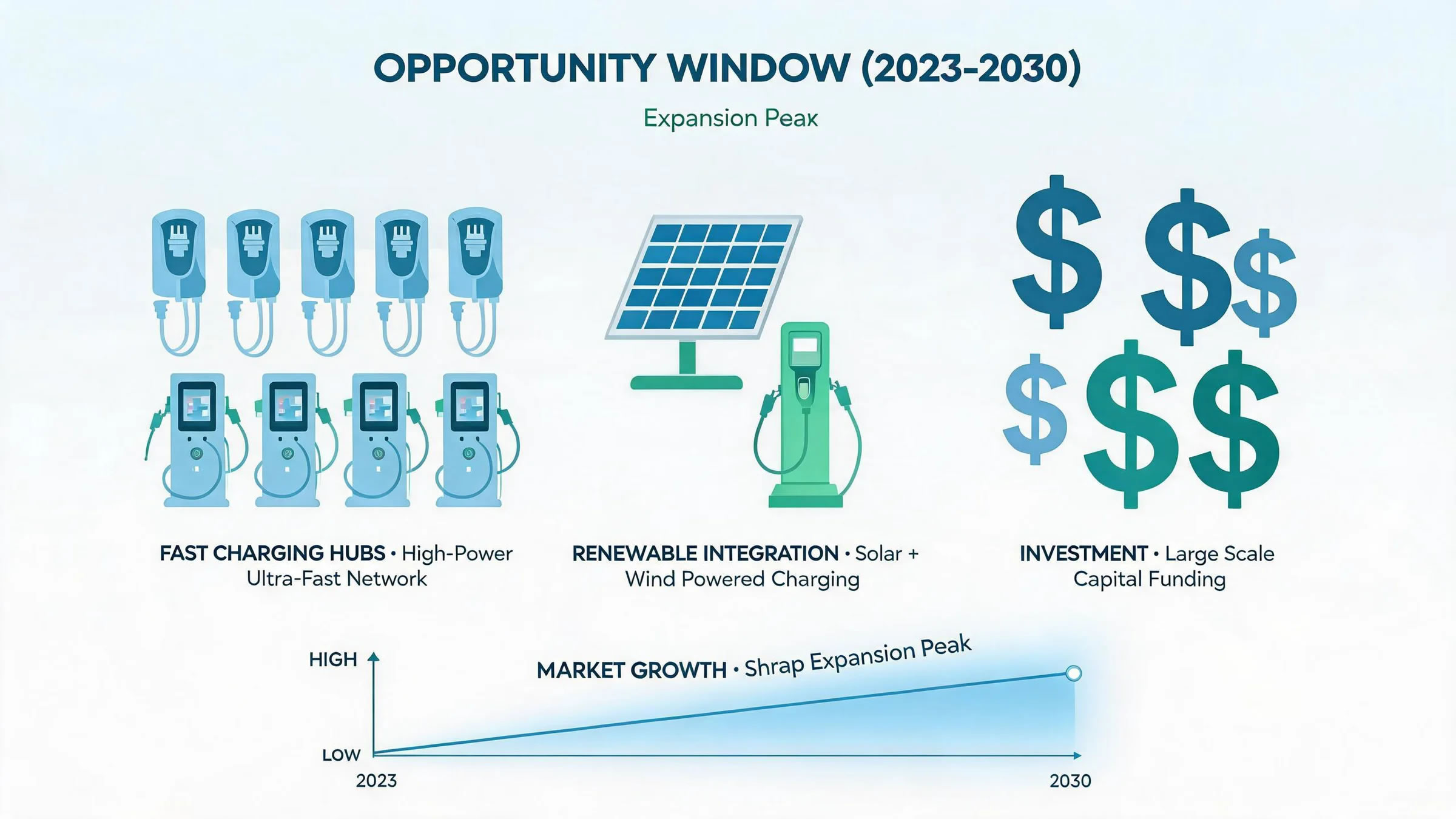
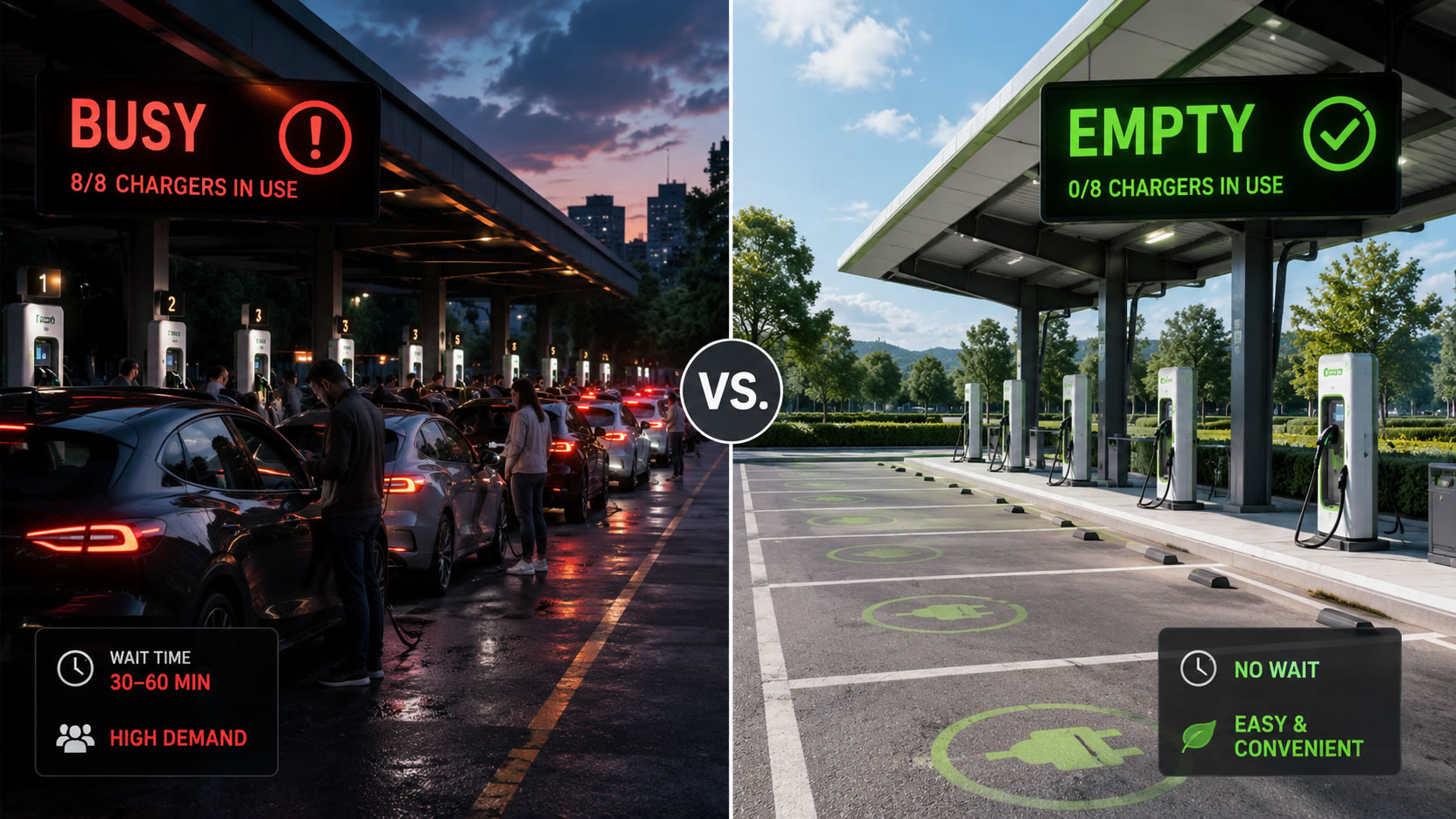
This creates a clear gap between demand and supply.
Why Emerging Markets Stand Out
1. Fast-Growing Demand
Electric vehicle adoption is no longer limited to developed countries.
In many emerging regions:
- EV imports are increasing
- Local incentives are being introduced
- Consumer awareness is rising
Demand is accelerating — often faster than infrastructure.
2. Limited Existing Infrastructure
One of the biggest advantages of emerging markets is:
There is still space to build.
Unlike saturated cities, many areas:
- Have few public charging stations
- Lack fast-charging networks
- Have limited coverage outside urban centers
Early infrastructure can capture long-term demand.
3. Lower Competition
In early-stage markets:
- Fewer established operators
- Less price competition
- More room for strategic positioning
This allows new entrants to gain a foothold more easily.
4. Leapfrogging Opportunity
Emerging markets often skip stages of development.
Instead of slowly building:
- Basic charging → upgraded systems → smart networks
They can move directly toward:
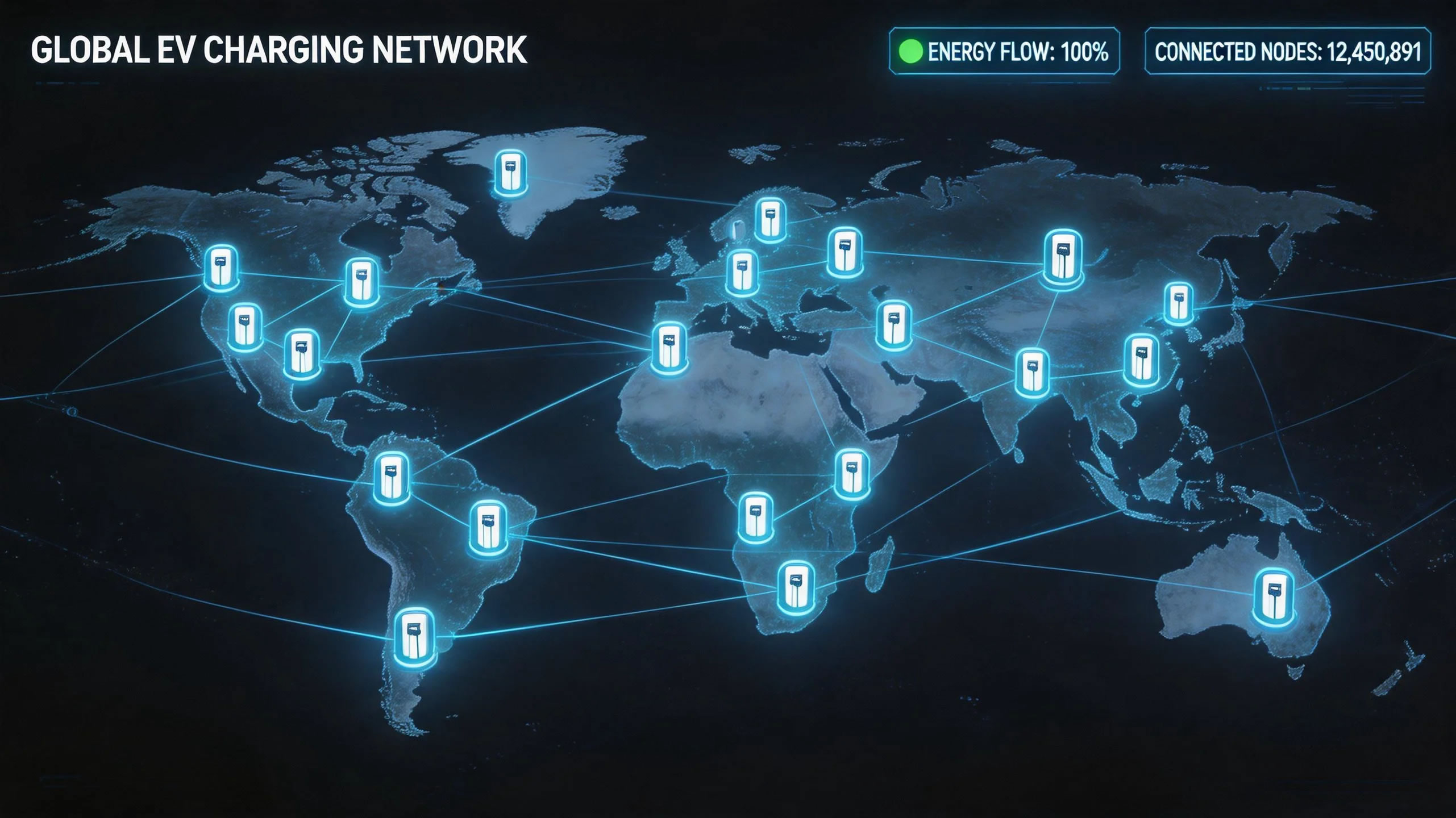
Connected, digital, platform-based charging networks
Key Regions to Watch
Several emerging regions are gaining attention:
- Latin America – growing EV imports, early infrastructure stage
- Southeast Asia – urban density and government initiatives
- Middle East & Africa – early adoption with long-term potential
Each region has different dynamics, but they share a common theme:
High growth potential with relatively low current penetration
Challenges to Consider
Emerging markets also come with risks:
- Regulatory uncertainty
- Grid infrastructure limitations
- Uneven demand distribution
- Financing and investment barriers
Success requires:
- Local market understanding
- Flexible business models
- Long-term perspective
A Shift in Strategy
In earlier years, success in EV charging often depended on:
- Being first in developed markets
Today, the strategy is evolving:
Identifying where the next wave of growth will happen
This increasingly points toward emerging markets.
Conclusion
Emerging markets represent one of the most significant opportunities in the EV charging industry today.
They combine:
- Rapid demand growth
- Infrastructure gaps
- Lower competition
But they also require thoughtful execution.
In the global EV transition, the next phase of growth will not come from where the market is already built —
but from where it is just beginning.
 June 12, 2026