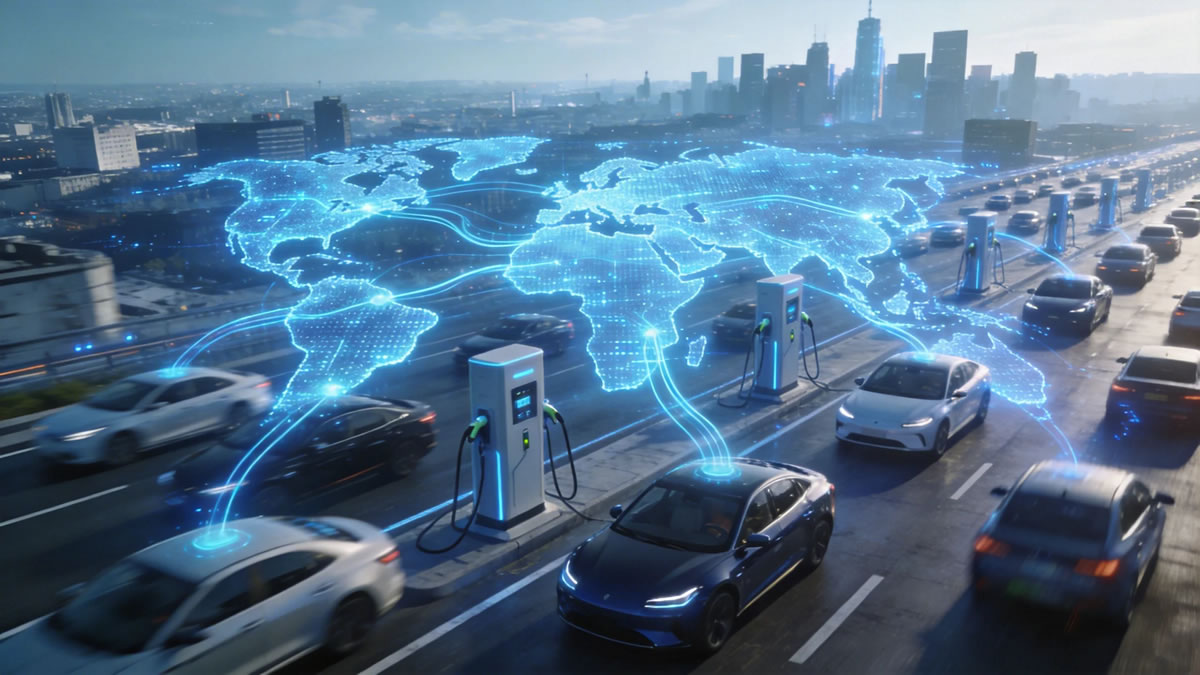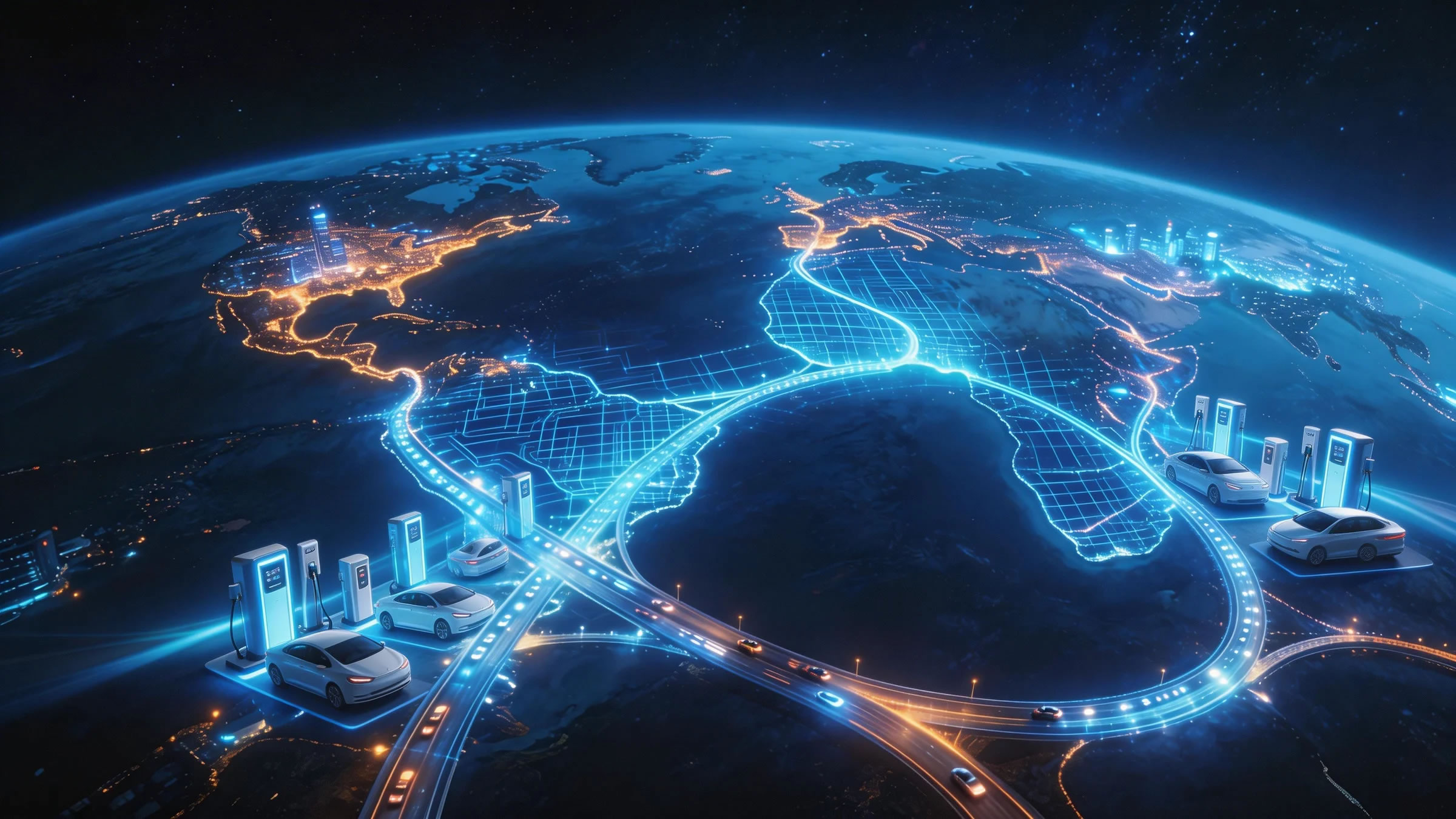
In every era of economic transformation, infrastructure comes first.
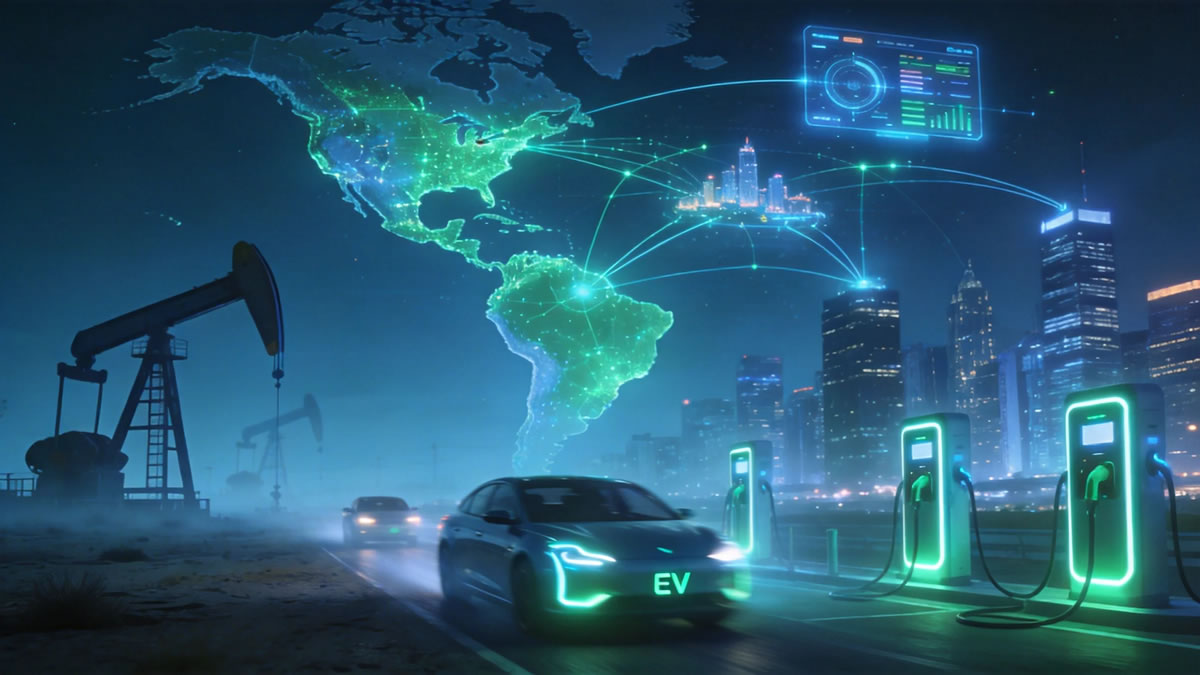
Highways enabled the rise of the automobile industry. Telecommunications networks powered the digital revolution. And today, as the world shifts toward electric mobility, a new form of infrastructure is rapidly taking shape — EV charging networks.
This is not just about convenience. It is about the foundation of a new energy system.
From Supporting Role to Strategic Asset
At first glance, charging stations may appear to be simple service points — places where electric vehicles recharge. But in reality, they are evolving into something far more significant.
Charging networks are becoming strategic national assets.
Just as fuel stations were essential to the oil economy, charging infrastructure is essential to the electric economy. Without a reliable and widespread network, the adoption of electric vehicles cannot scale.
This is why governments are no longer treating charging infrastructure as a secondary industry. Instead, it is increasingly being integrated into national development plans, urban design, and long-term energy strategies.
A New Layer of Infrastructure
What makes charging networks unique is that they sit at the intersection of multiple systems:
- Energy systems (electric grids and renewable power)
- Transportation systems (vehicles, roads, and mobility patterns)
- Digital systems (data platforms, payment systems, and smart management)
This convergence creates an entirely new layer of infrastructure — one that is not only physical, but also digital and intelligent.
Unlike traditional infrastructure, charging networks generate and rely on real-time data:
- When and where energy is consumed
- How demand fluctuates across regions
- How to optimize energy distribution
In this sense, charging infrastructure is closer to a network platform than a static utility.
Enabling the Energy Transition
The global energy transition depends not only on producing clean electricity, but also on delivering it efficiently.
Charging networks play a critical role in this process.
They enable:
- The large-scale adoption of electric vehicles
- The integration of renewable energy sources such as solar and wind
- The stabilization of power grids through smart load management
In the future, charging stations may even act as distributed energy hubs — storing electricity, balancing supply and demand, and interacting dynamically with the grid.
This transforms them from passive endpoints into active participants in the energy ecosystem.
Uneven Development, Strategic Opportunity
Despite rapid progress in some regions, the global deployment of charging infrastructure remains uneven.
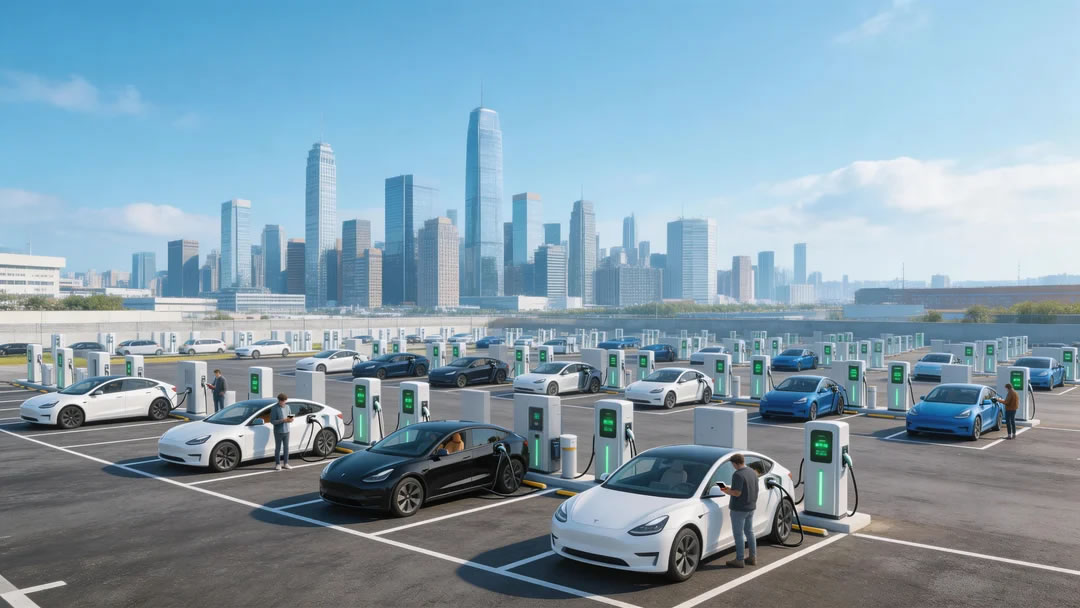
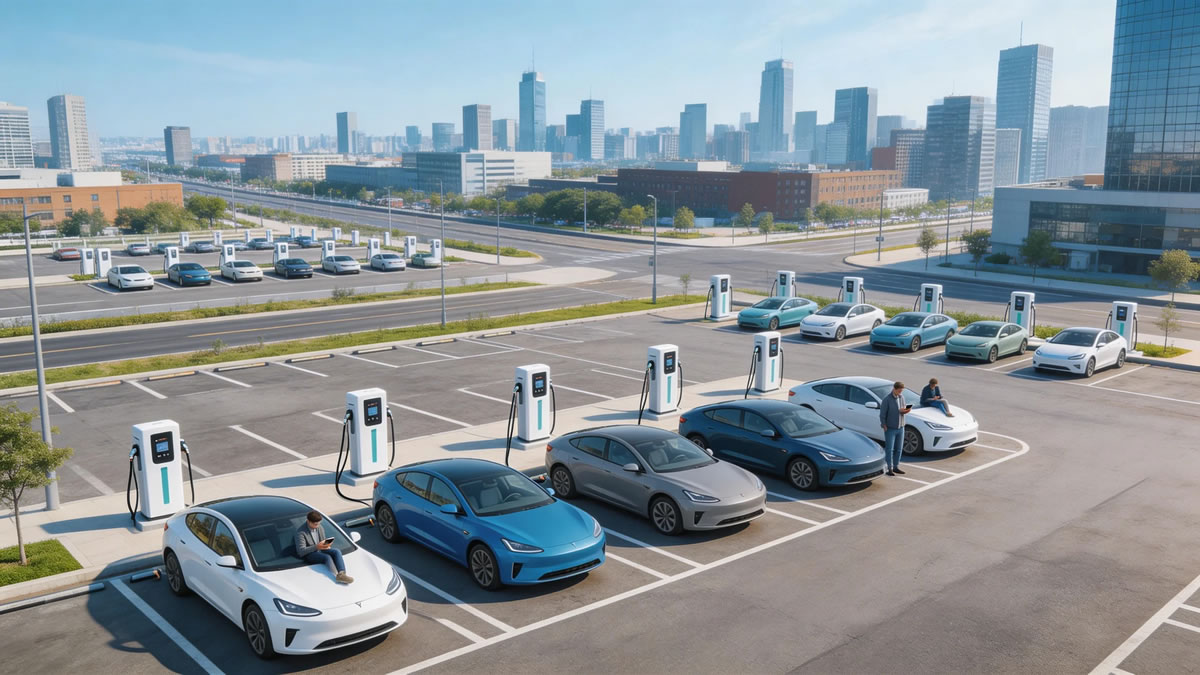
Countries like China and several European nations have already built extensive networks, embedding them into their broader infrastructure strategies. In contrast, many emerging markets are still in the early stages of development.
This gap highlights a critical reality:
Infrastructure development does not happen uniformly — it happens in waves.
Regions that are currently underdeveloped in charging infrastructure may become the next focal points of growth, as governments, industries, and investors recognize the urgency of building the foundations for electric mobility.
Redefining Infrastructure for the 21st Century
The definition of infrastructure is evolving.
It is no longer limited to roads, bridges, and power plants. It now includes intelligent, connected systems that integrate energy, transportation, and data.
EV charging networks represent this new paradigm.
They are:
- As essential as highways
- As strategic as energy grids
- As connected as digital networks
As the world moves deeper into the electric era, these networks will not simply support mobility — they will shape it.
The transition to electric mobility is not just about changing how we drive.
It is about rebuilding the systems that power movement itself.
And at the center of this transformation lies a new kind of infrastructure — one that is still being built, but will soon become impossible to live without.
 March 23, 2026