The electric vehicle transition is no longer a question of “if.”
It is now a question of “how fast.”
As adoption accelerates across the globe, the charging infrastructure behind it is entering a critical phase of transformation.
While markets may vary and timelines may differ, certain patterns are already becoming clear.
Over the next five years, three trends are set to define the future of the EV charging industry.
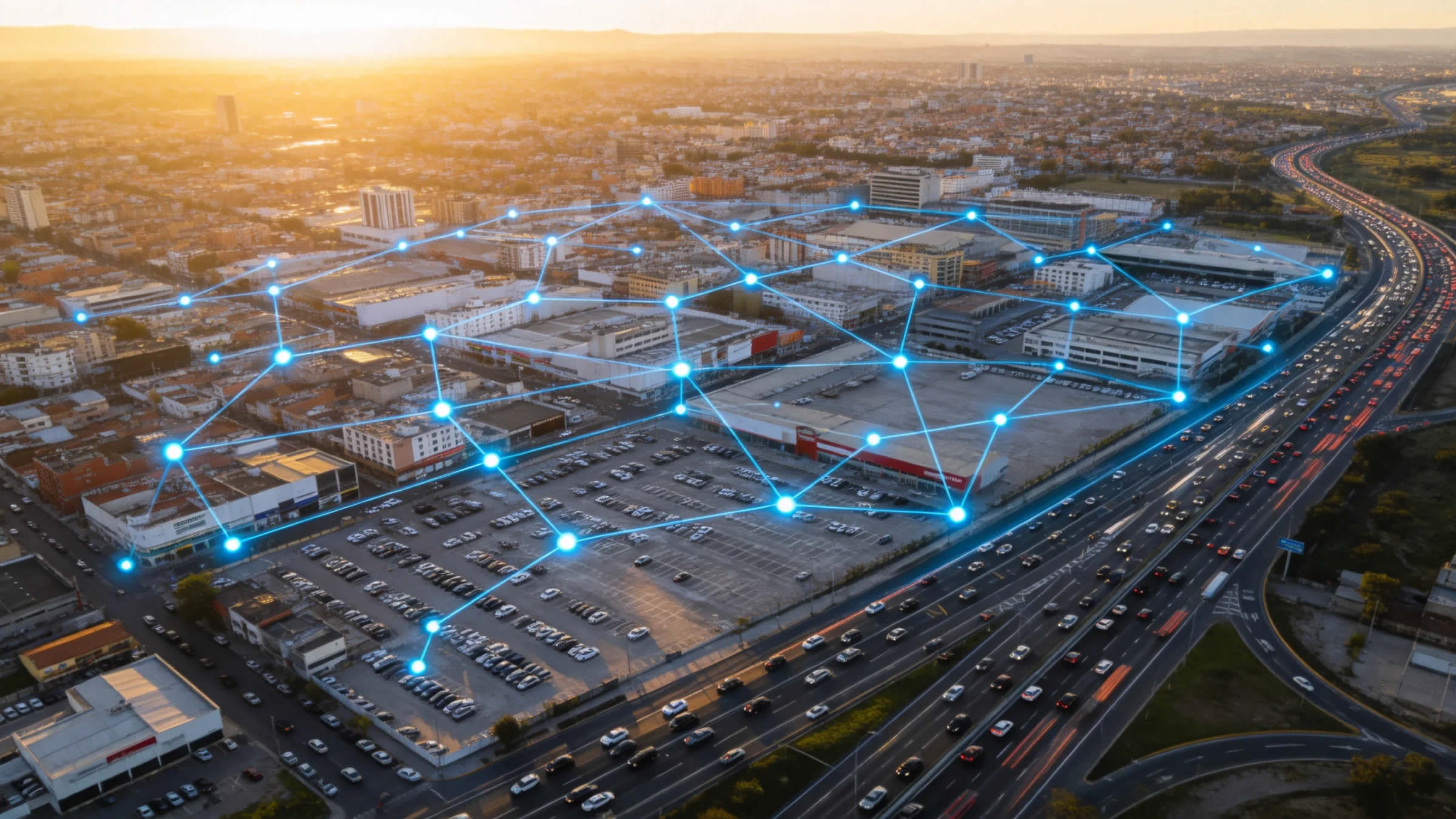
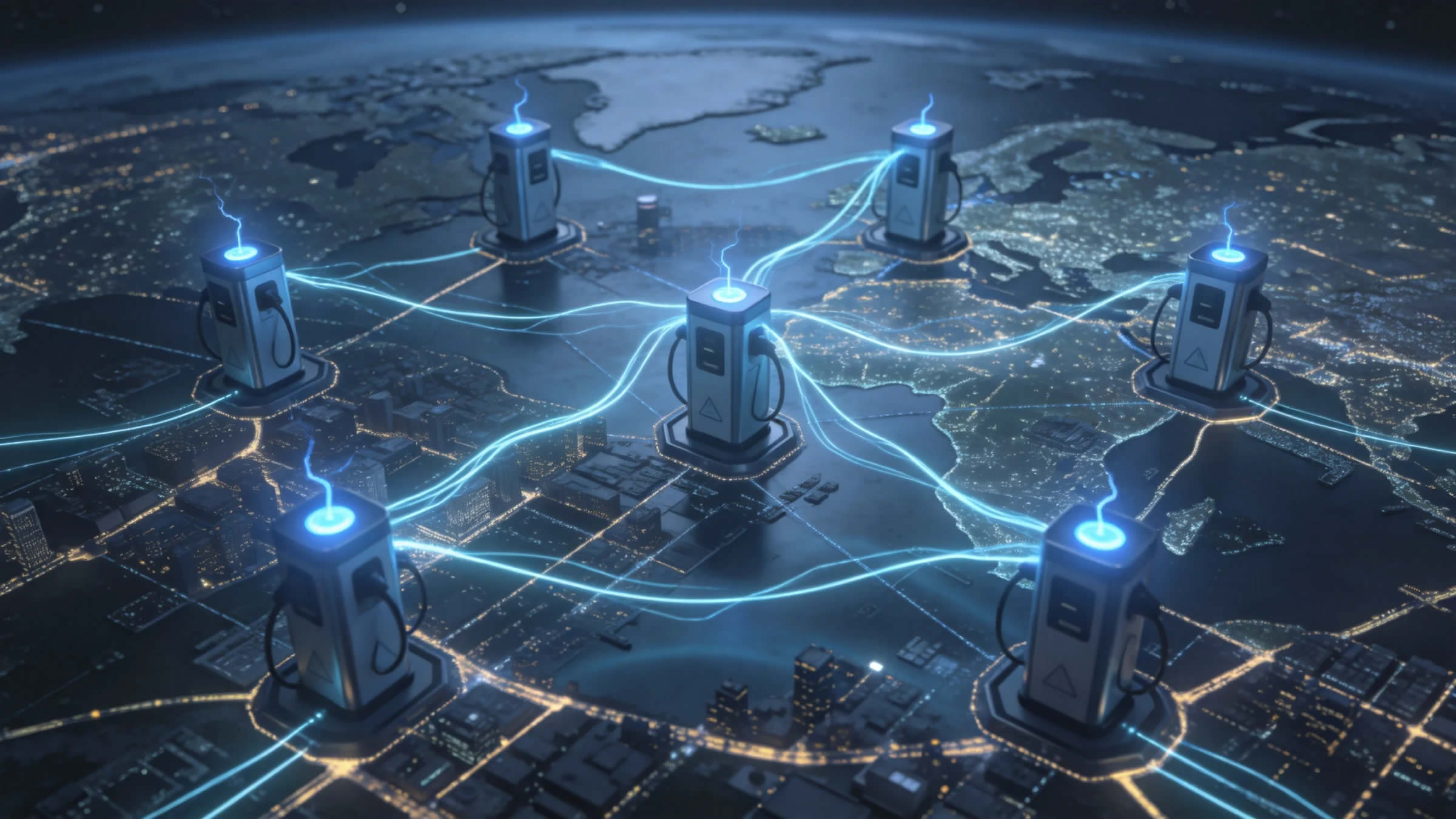
1. From Standalone Stations to Connected Networks
The era of isolated charging stations is coming to an end.
In the early stages, deployment focused on installing individual units to meet immediate demand. But as the ecosystem grows, connectivity becomes essential.
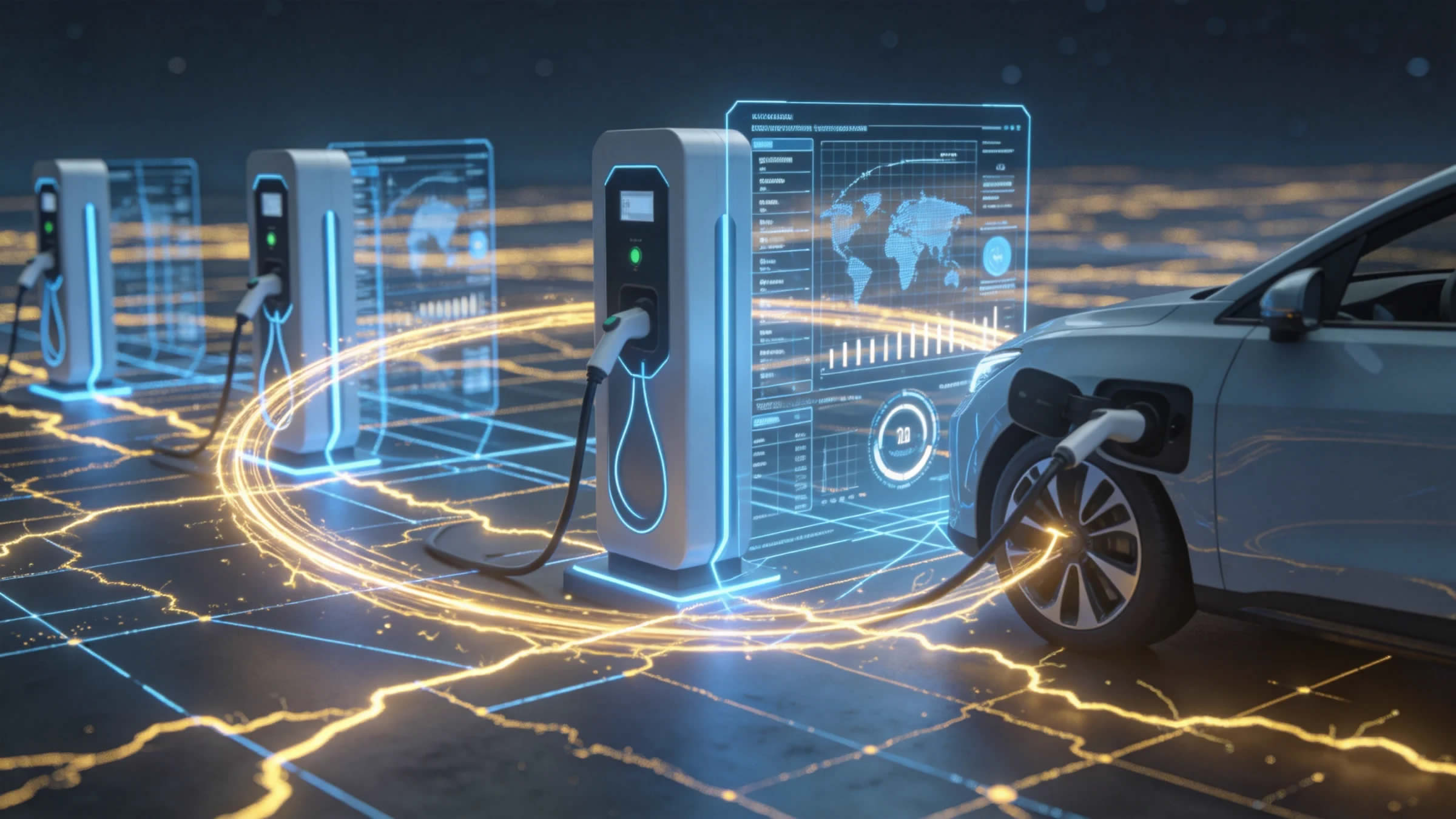
Charging stations are increasingly being integrated into unified platforms that allow:
- Real-time monitoring
- Load balancing
- Remote control
- Dynamic pricing
The shift is clear:
From hardware → to systems.
And in this transition, value moves from individual assets to the networks that connect them.
2. From Power Supply to Intelligent Energy Management
Charging is no longer just about delivering electricity.
As demand fluctuates and renewable energy sources expand, managing energy efficiently becomes a priority.
Future charging infrastructure will play an active role in:
- Balancing grid demand
- Storing and distributing energy
- Integrating solar and other renewables
- Optimizing charging times
This transforms charging stations into intelligent energy nodes.
They don’t just consume power—they help manage it.
3. From One-Time Use to Recurring Value Models
Traditional energy systems are built around one-time transactions.
You refuel. You pay. The interaction ends.
But EV charging introduces a different dynamic.
Usage is continuous.
Data is generated.
Services can be layered.
This enables new models based on:
- Repeated usage
- Subscription services
- Network-based revenue sharing
- Data-driven optimization
Over time, this creates a shift from transactional income to recurring value streams.
A Converging Future
These three trends—networking, intelligence, and recurring models—are not independent.
They reinforce each other.
A connected network enables better energy management.
Intelligent systems improve efficiency and user experience.
Recurring models emerge naturally from continuous usage.
Together, they form the foundation of the next-generation energy ecosystem.
Beyond Uncertainty
Every emerging industry carries uncertainty.
But when structural trends begin to align, the direction becomes clearer.
The EV charging industry is reaching that point.
The question is no longer whether these changes will happen.
It is how quickly they will scale—and who will be positioned within them.
Because in the next phase of this industry,
being early is no longer about speculation.
It is about recognizing what is already inevitable.
 May 11, 2026