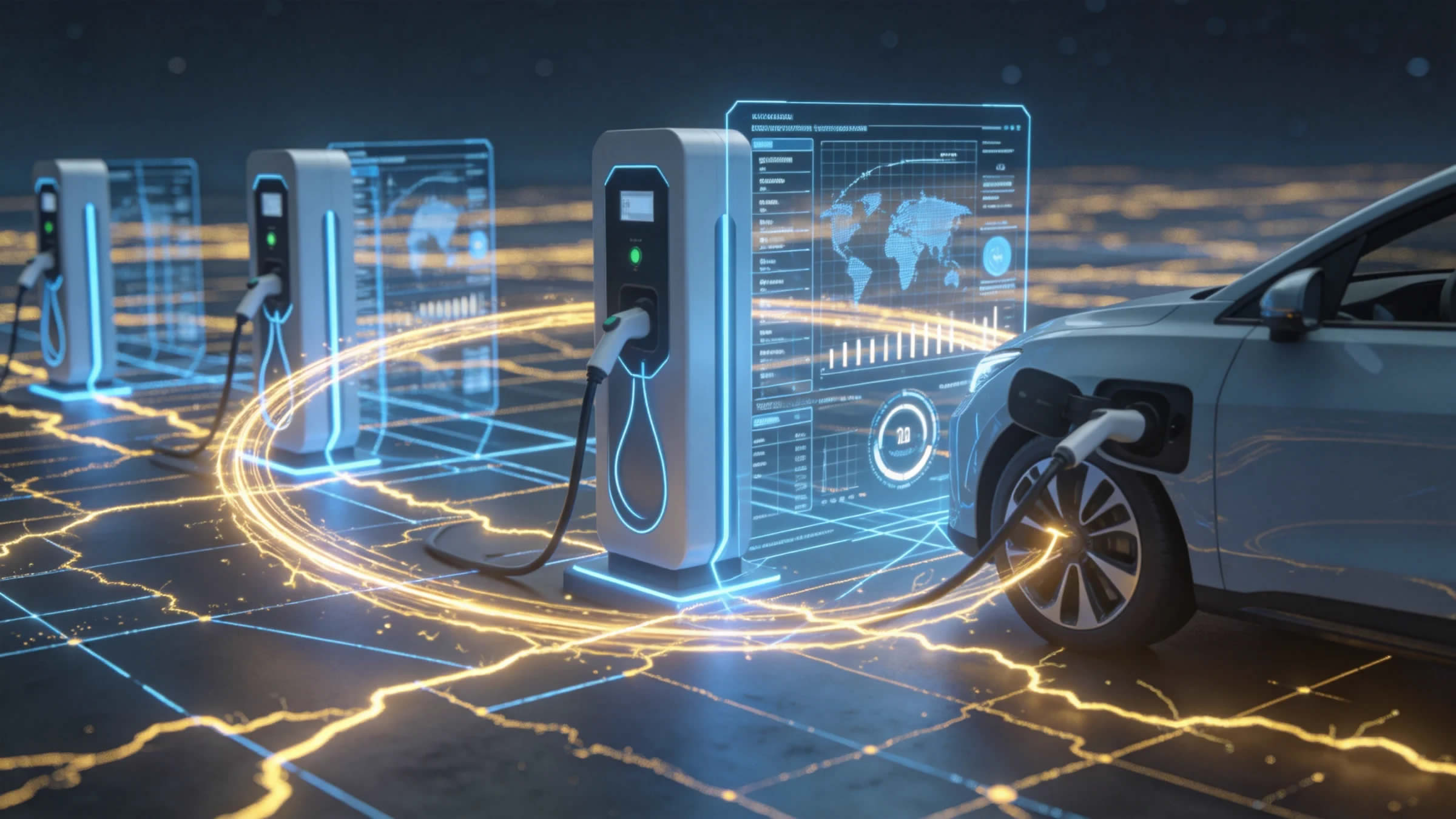
As the EV charging industry evolves, one idea is becoming increasingly important:
Charging stations are not just infrastructure.
They are revenue-generating nodes.
At first glance, a charging station may seem like a simple utility—providing electricity in exchange for payment.
But beneath that simplicity lies a more powerful model.
More Than a Single Transaction
In traditional systems, value is often created once.
A product is sold.
A service is delivered.
The transaction ends.
But EV charging operates differently.
Every vehicle that connects to a charging station creates a new interaction.
And these interactions don’t happen once—they repeat.
Daily.
Weekly.
Continuously.
This transforms charging from a one-time event into an ongoing value stream.
Multiple Layers of Value
A charging station does not generate value in just one way.
It operates across multiple layers:
- Energy usage — vehicles consume electricity
- Service access — users pay for convenience and availability
- Time-based value — longer usage increases engagement
- Data generation — usage patterns create insights
Each layer adds to the overall potential of the system.
Over time, this compounds.
Location Becomes Leverage
Not all charging stations perform equally.
Position matters.
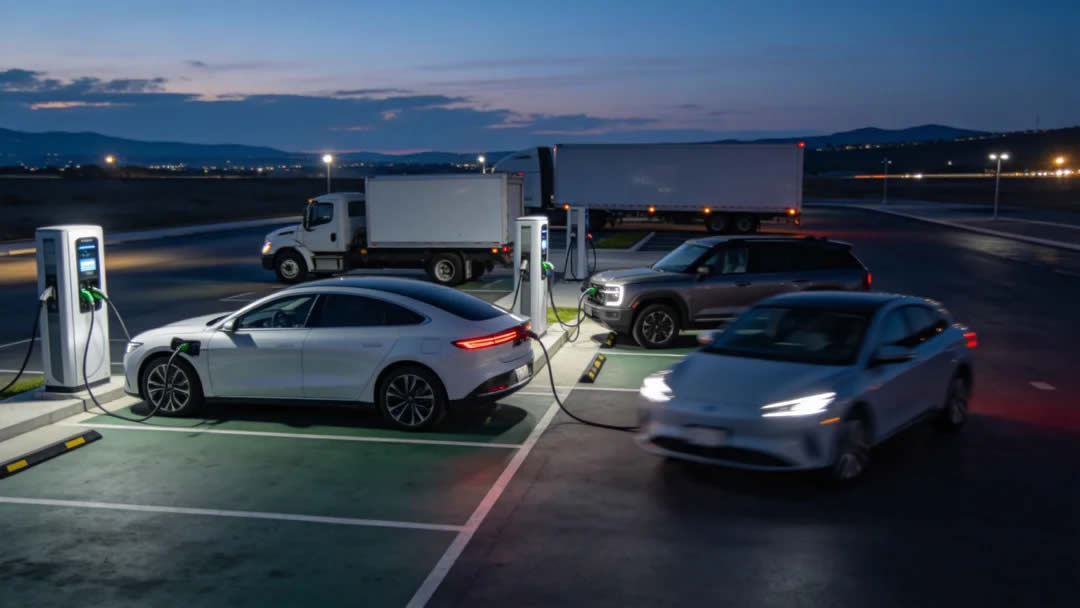
Stations placed in high-frequency areas—residential zones, commercial centers, transit routes—naturally attract repeated usage.
Unlike traditional businesses that must constantly attract customers, well-positioned infrastructure becomes part of daily routines.
It does not chase demand.
It sits where demand already exists.
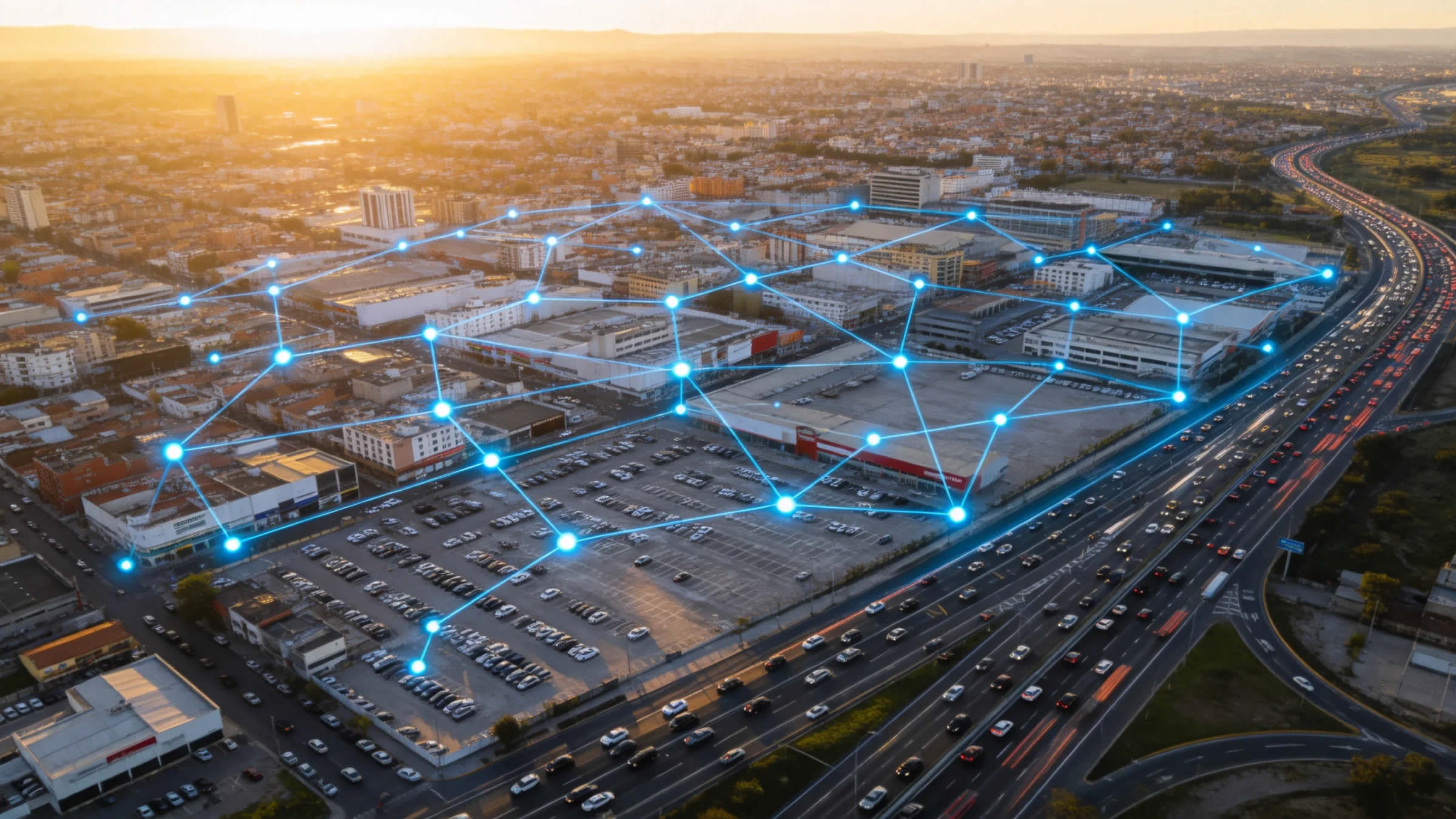
From Individual Nodes to Network Effects
A single charging station can generate value.
But when multiple stations are connected, something changes.
Networks introduce:
- Shared users
- Optimized energy distribution
- Consistent user experience
- Scalable operations
This creates a system where each node benefits from the growth of the whole.
Value is no longer isolated—it becomes interconnected.
Time as a Multiplier
Infrastructure operates on a different timeline than products.
Products are replaced.
Technology evolves.
Trends shift.
But infrastructure, once established, continues to operate.
As EV adoption increases, usage naturally rises.
This means the value of a charging station is not static.
It grows with time.
A Different Way to Think About Returns
Understanding EV charging requires a shift in perspective.
It is not about immediate output.
It is about long-term flow.
Not about single transactions.
But continuous participation.
In this model, value is not extracted once.
It is generated repeatedly.
And that is what transforms infrastructure into something more than utility—
It becomes a system of ongoing returns.
 May 13, 2026