As the EV charging industry continues to expand, a common assumption still dominates the conversation:
That owning a charging station is the key to capturing value.
At a surface level, this seems logical.
More stations mean more users. More users mean more revenue.
But this view is incomplete.
Because in the next phase of the industry, value will not be defined by devices alone—
It will be defined by networks.
The Limitation of Standalone Thinking
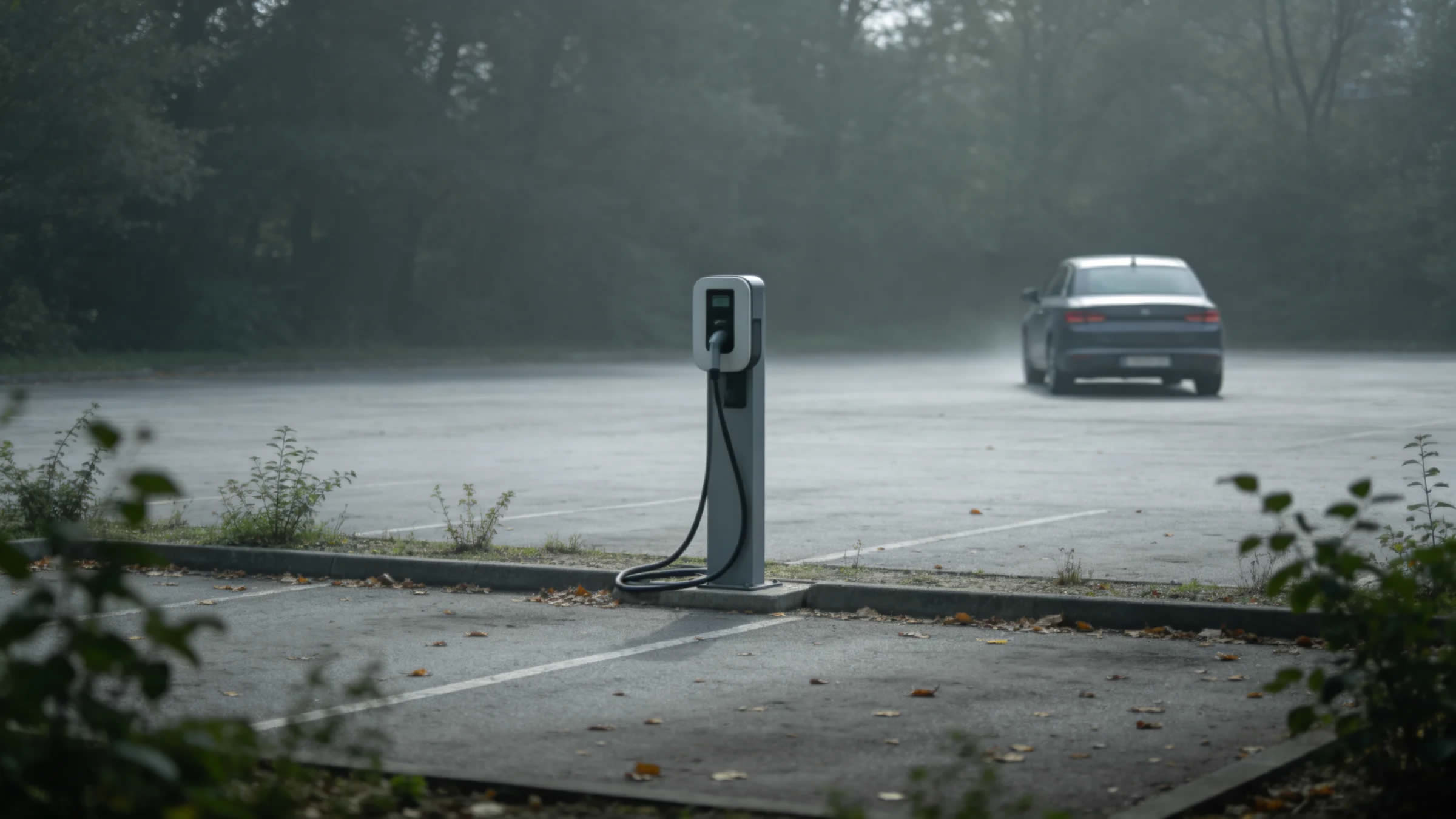
A single charging station operates within its own boundaries.
It serves a specific location.
It depends on local demand.
Its performance is tied to a fixed environment.
No matter how efficient it is, its potential remains limited.
This is the nature of standalone infrastructure.
It works—but it does not scale effectively on its own.
What Changes When Everything Connects
When charging stations become part of a network, the dynamics shift completely.
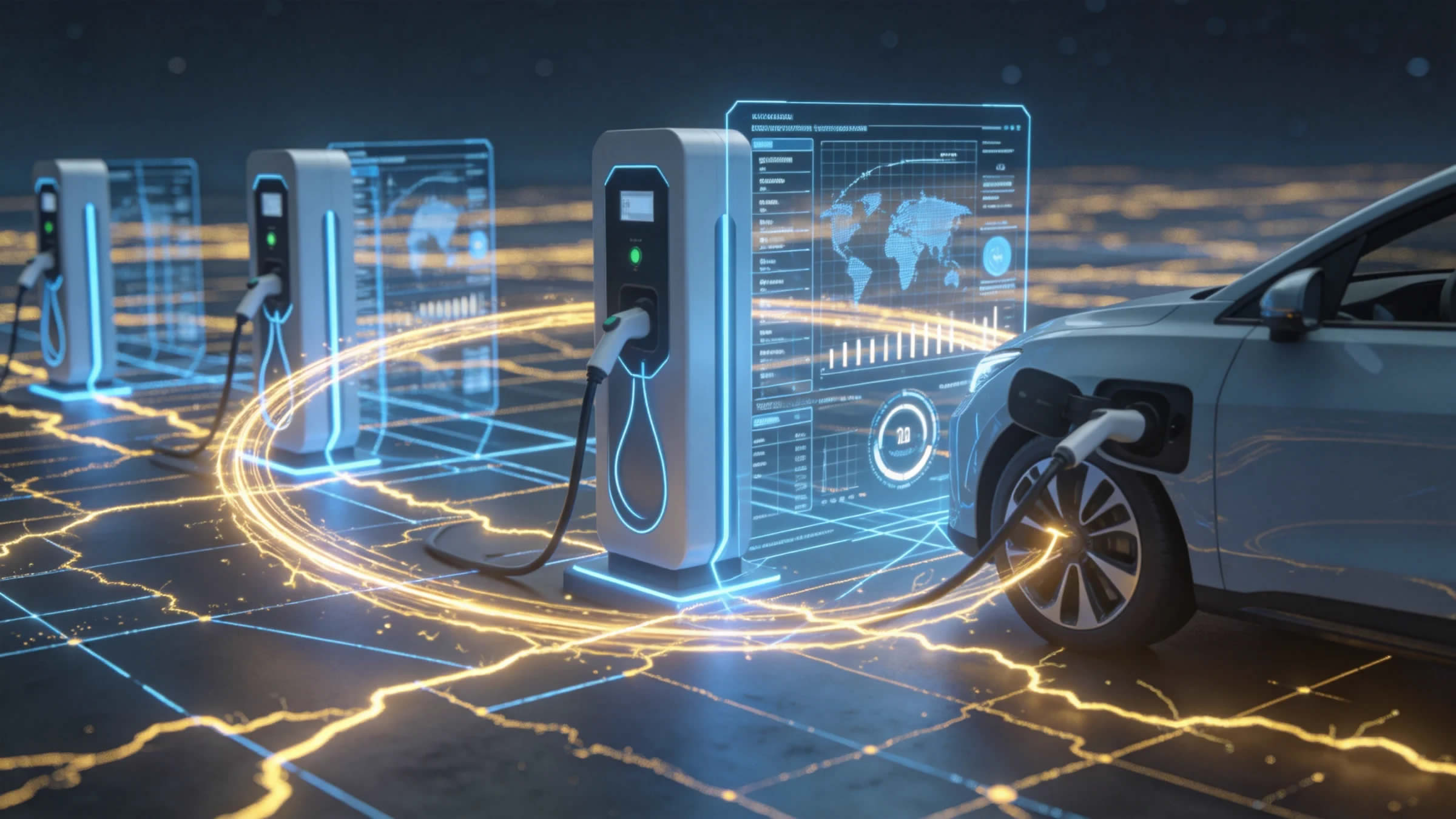
Instead of operating independently, they begin to function as coordinated nodes within a larger system.
This enables:
- Shared user access across locations
- Intelligent routing and availability
- Unified pricing and service models
- Centralized data insights
In a network, value is no longer tied to a single point.
It flows across the system.
Network Effects in Action
Networks introduce a powerful principle:
each new node increases the value of the entire system.
As more charging stations connect:
- Accessibility improves
- Reliability increases
- User experience becomes consistent
- Utilization rates rise
This creates a feedback loop.
More nodes → more users → more usage → more value.
Over time, networks don’t just grow.
They accelerate.
From Ownership to Integration
In a network-driven environment, ownership alone is no longer the defining factor.
What matters is integration.
A charging station that is not connected to a broader system operates in isolation.
It may generate activity, but it does not benefit from:
- Network-wide traffic
- Shared demand
- System optimization
Integration transforms a static asset into a dynamic participant.
The Platform Layer
Behind every effective network is a platform.
The platform coordinates:
- Energy distribution
- User access
- Pricing mechanisms
- Data management
It is the layer that turns infrastructure into an ecosystem.
And in many industries, it is this layer that ultimately captures the majority of value.
A Shift Already Underway
This transition—from devices to networks—is not theoretical.
It is already happening.
Charging infrastructure is becoming:
- Connected
- Intelligent
- Platform-driven
As this shift continues, the gap between standalone assets and networked systems will widen.
The Real Question
In the future of EV charging, the key question will not be:
“How many devices do you have?”
But rather:
“How are you connected?”
Because in a networked system,
value does not sit in isolation.
It moves.
 May 15, 2026