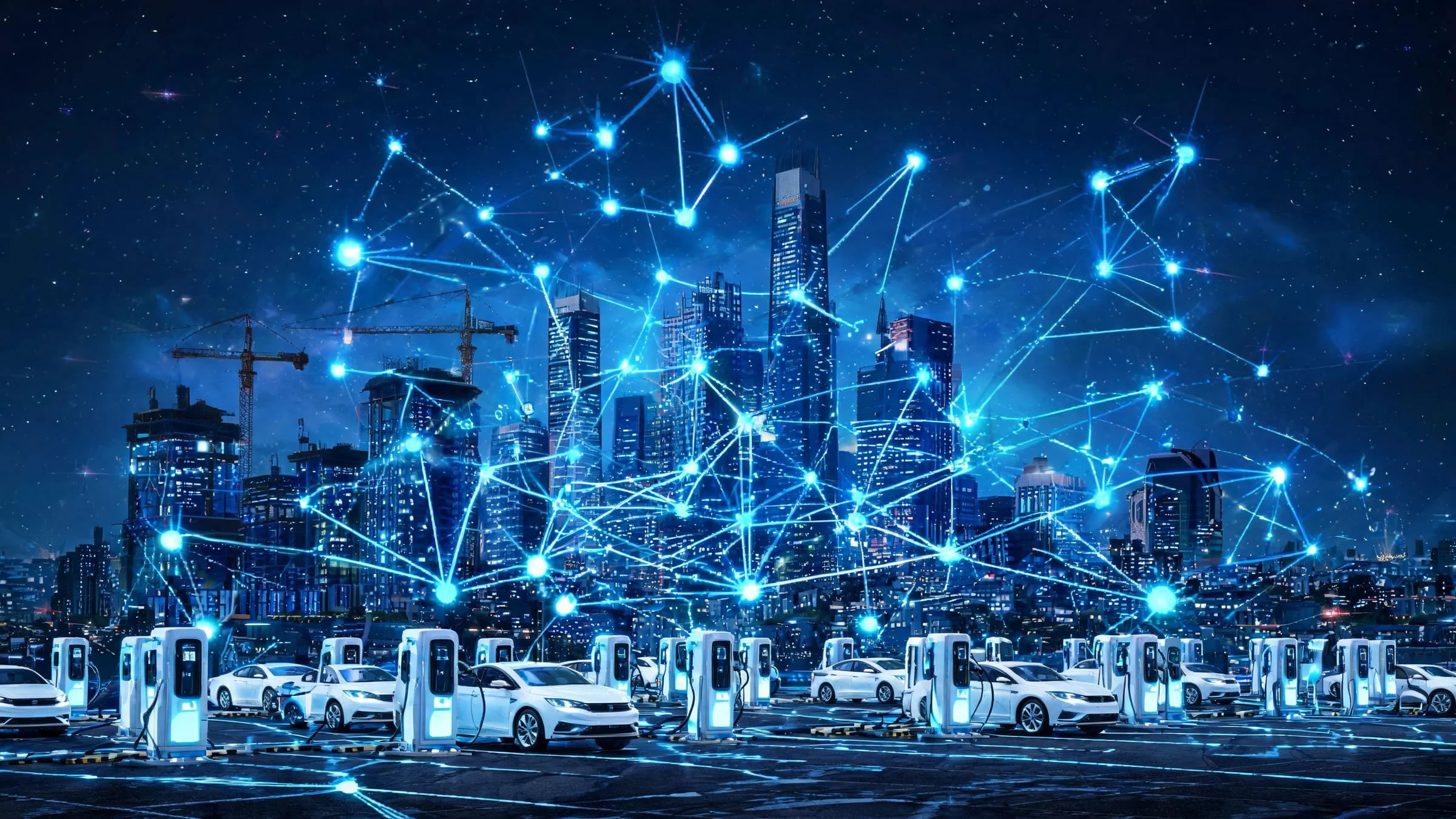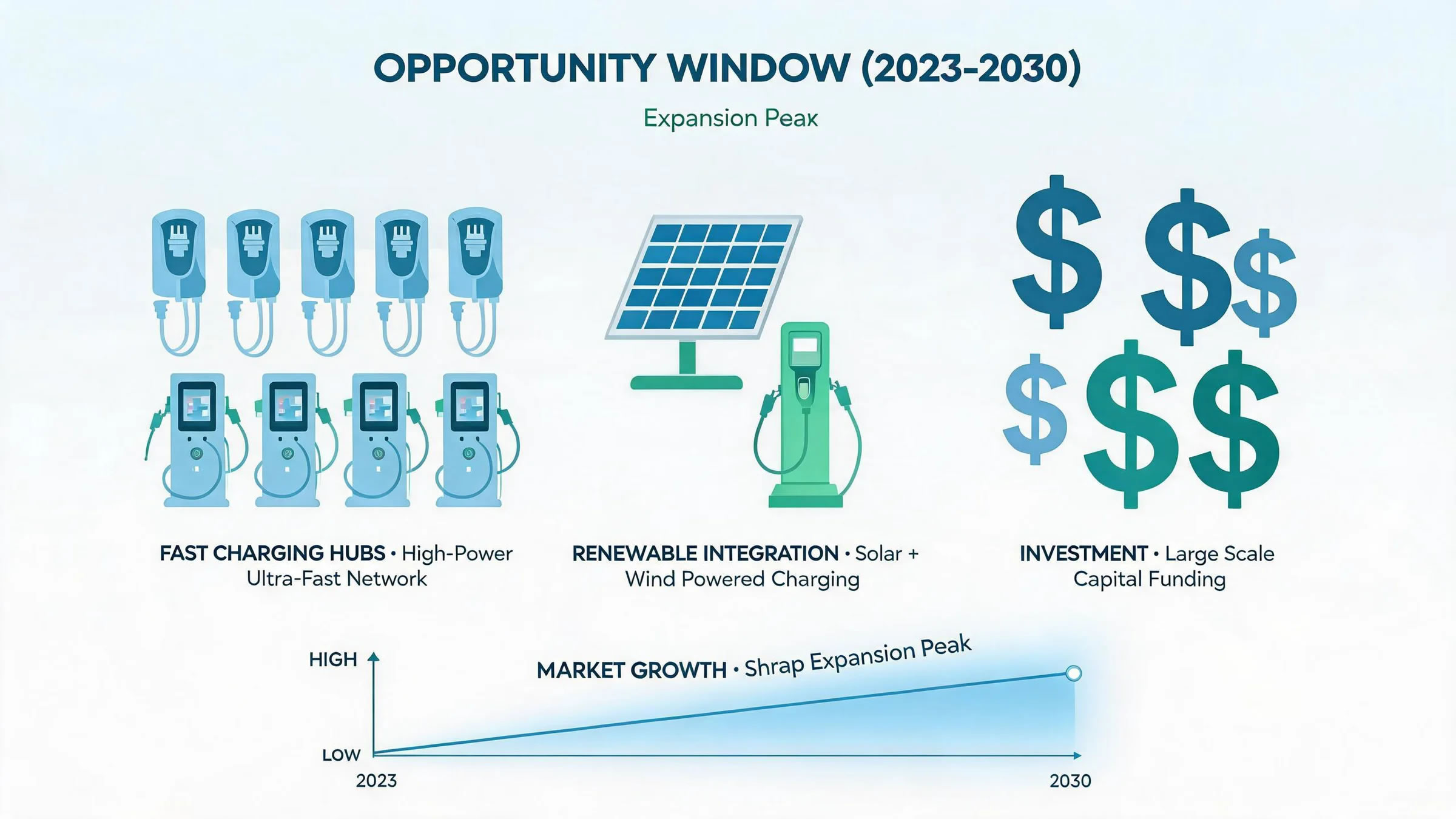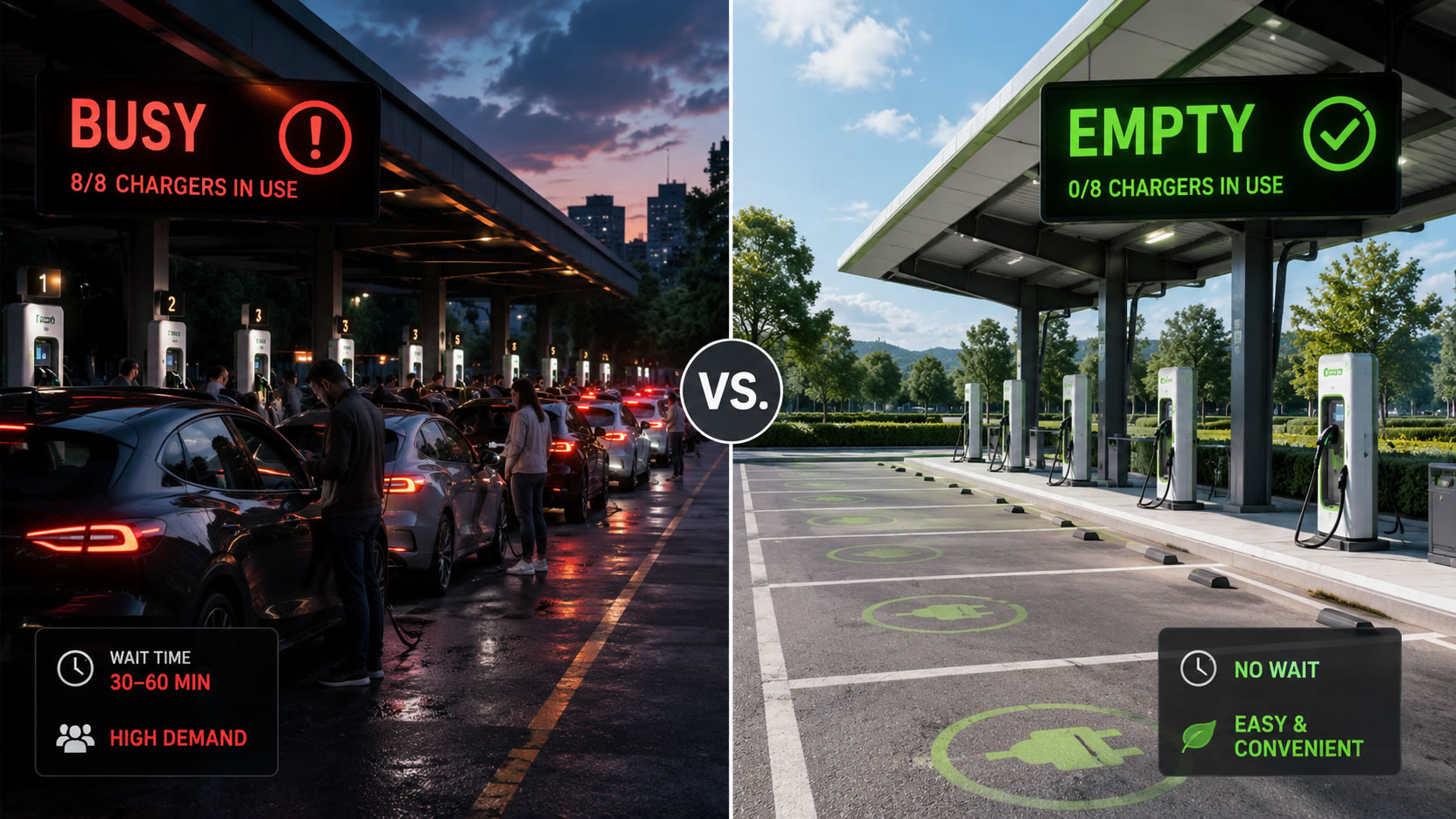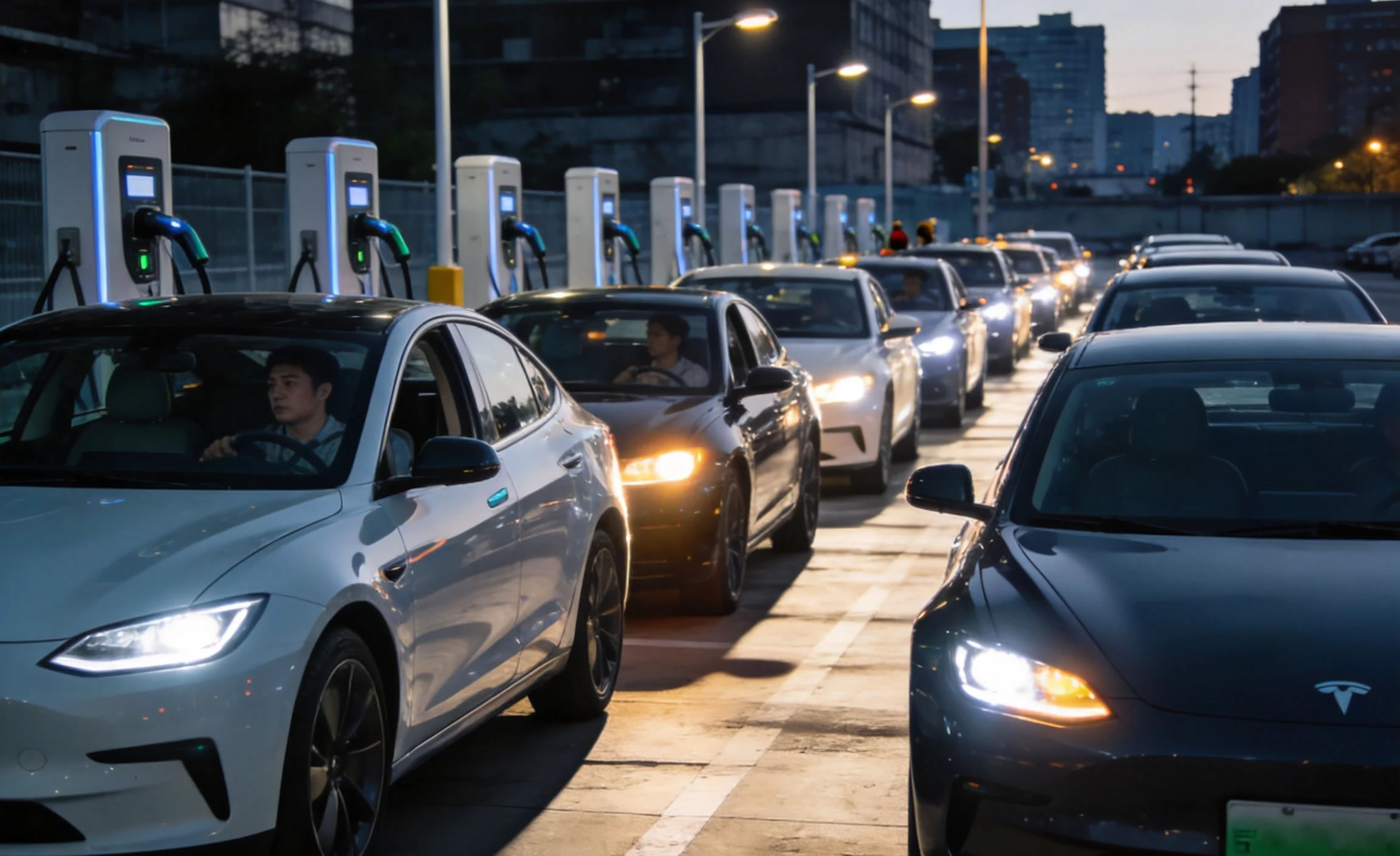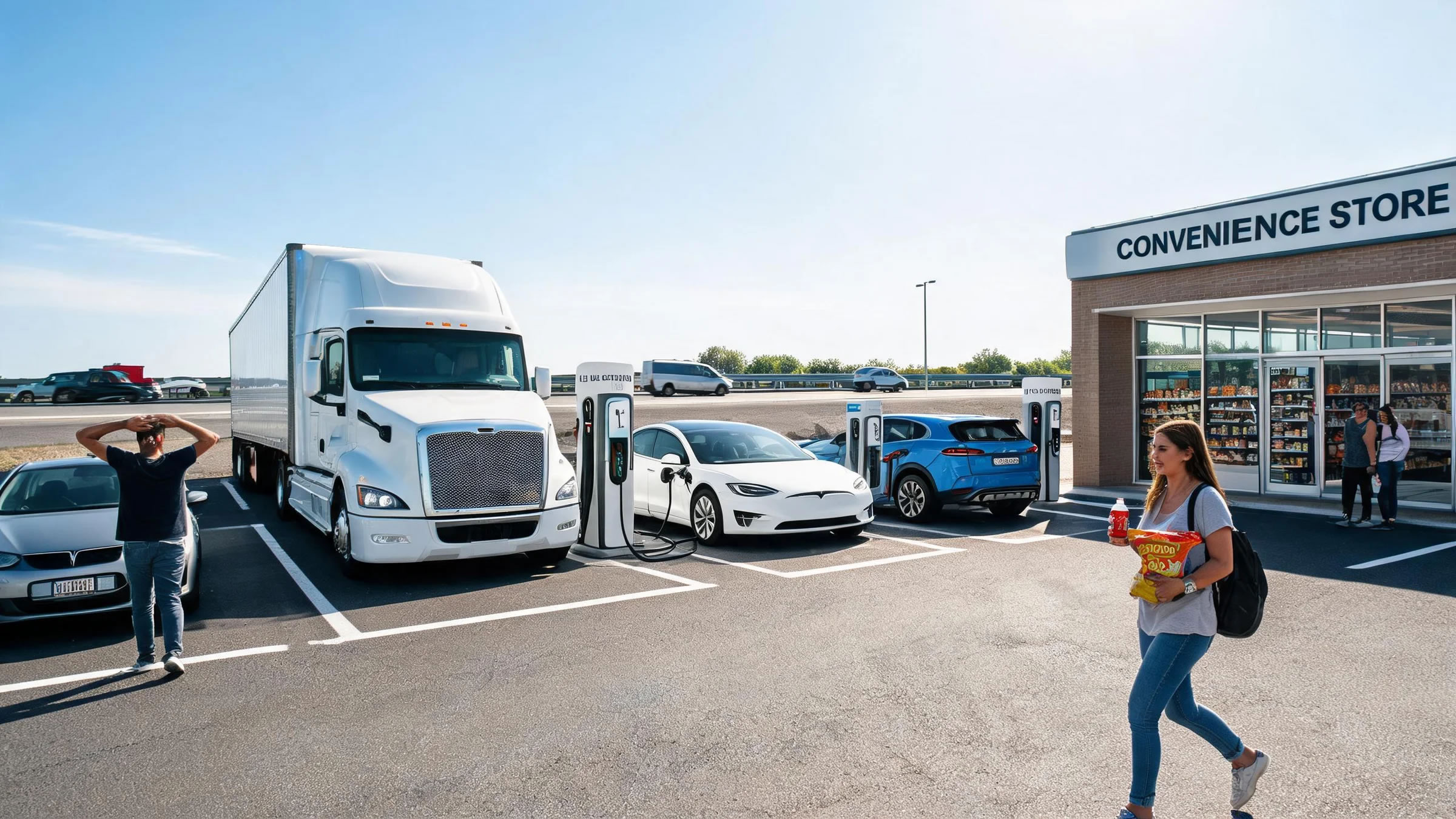
In the EV charging business, one of the most important factors for success is not the hardware itself — but the location.
A well-placed charging station can perform significantly better than a more advanced one in the wrong location.
So what actually makes a successful EV charging location?
1. High Traffic of Electric Vehicles
The most fundamental requirement is simple:
There must be enough EVs nearby.
Ideal locations include:
- Urban residential areas
- Commercial districts
- Office clusters
- Shopping centers
Without sufficient EV density, even the best charger will remain underused.
2. Visibility and Accessibility
A successful charging station must be:
- Easy to find
- Easy to enter and exit
- Located in visible areas
Drivers are more likely to use stations that:
- Require no complex navigation
- Are directly along their route
- Offer convenient parking access
Convenience directly affects usage rate.
3. Time-Spent Locations
Some of the best-performing charging locations are places where users naturally stay longer:
- Malls
- Restaurants
- Hotels
- Entertainment centers
Why?
Because EV charging takes time.
The charging process aligns with natural human activity.
4. Highway and Transit Routes
Fast-charging stations perform best when located along:
- Highways
- Major roads
- Intercity routes
These locations serve:
- Long-distance travelers
- Ride-hailing drivers
- Commercial EV fleets
High turnover potential exists here.
5. Electrical Infrastructure Availability
Even if demand exists, a location may not be viable without:
- Stable grid access
- Sufficient power capacity
- Permitting feasibility
Infrastructure constraints can directly impact deployment speed and cost.
6. Competition Density
Location success is also influenced by existing supply:
- Too many chargers → price pressure
- Too few chargers → opportunity gap
A balanced market typically performs best.
7. Future Growth Potential
The best locations are not just about today — but also tomorrow.
Key indicators include:
- New residential developments
- Expanding commercial zones
- Urban expansion areas
Long-term demand matters as much as current usage.
Putting It All Together
A successful EV charging location typically combines:
- High EV demand
- Strong visibility
- Natural dwell time
- Infrastructure readiness
- Future growth potential
No single factor is enough on its own.
It is the combination that determines performance.
Conclusion
In EV charging infrastructure, location is not just important — it is decisive.
While technology and pricing matter, the success of a charging station is primarily shaped by where it is placed.
Understanding location dynamics is the foundation of building a sustainable charging business.
 June 15, 2026