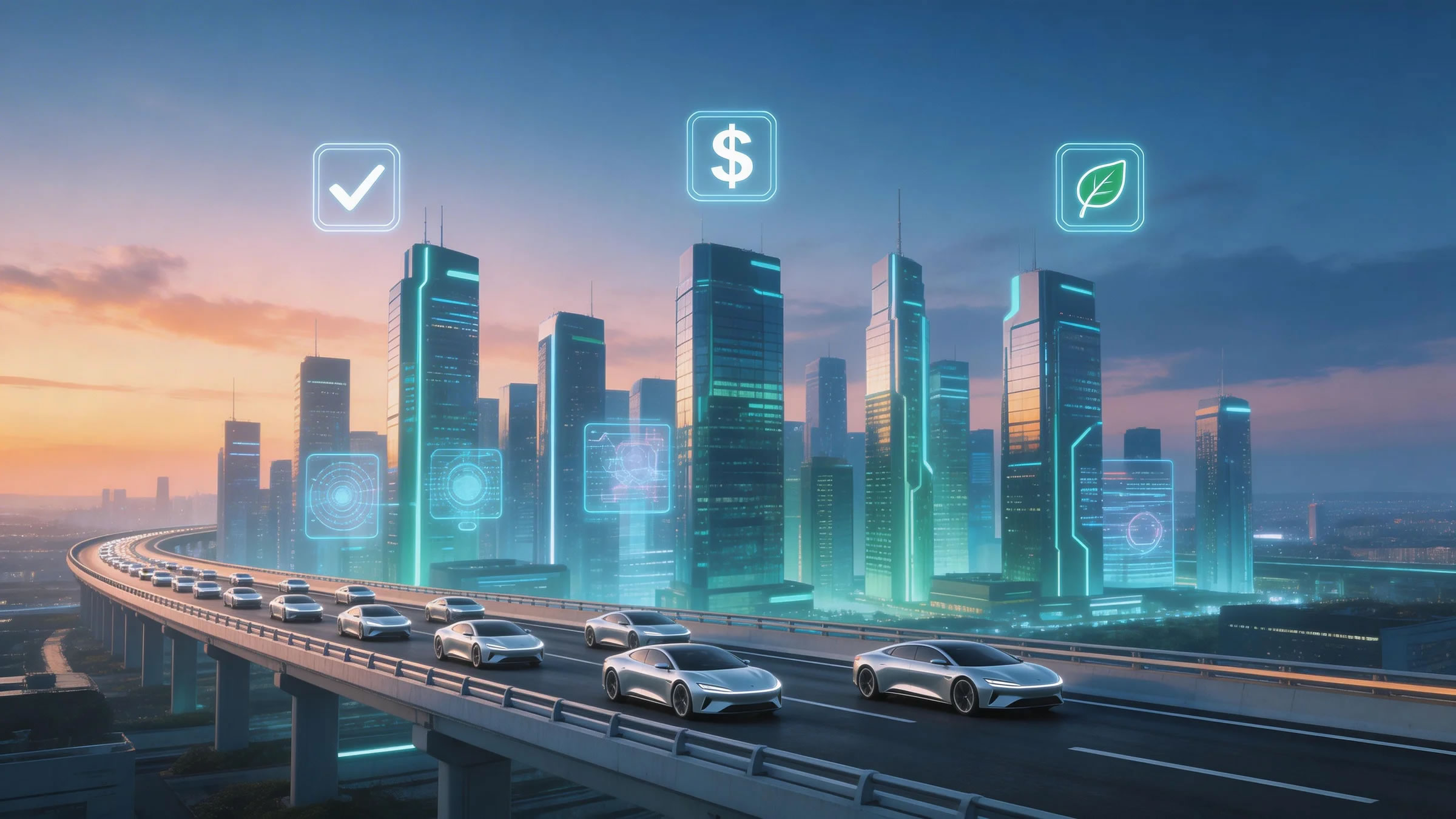
The rapid growth of electric vehicles (EVs) is often described as a technological breakthrough or a response to environmental concerns.
But this explanation is incomplete.
The rise of EVs is not driven by a single factor — it is the result of multiple structural forces converging at the same time. Together, they are creating a shift that is not only rapid, but also irreversible.
Policy: The Direction Is Set
The first and most decisive force is policy.
Around the world, governments are no longer simply encouraging clean energy — they are mandating the transition.
From carbon neutrality targets to emissions regulations, policy frameworks are redefining the future of transportation. Many countries and regions have already announced timelines to phase out internal combustion engine vehicles.
This is not a temporary initiative. It is a long-term commitment embedded in national strategies.
Policy does not just influence the market — it sets the direction of the market.
Technology: The Barriers Are Falling
The second force is technological progress.
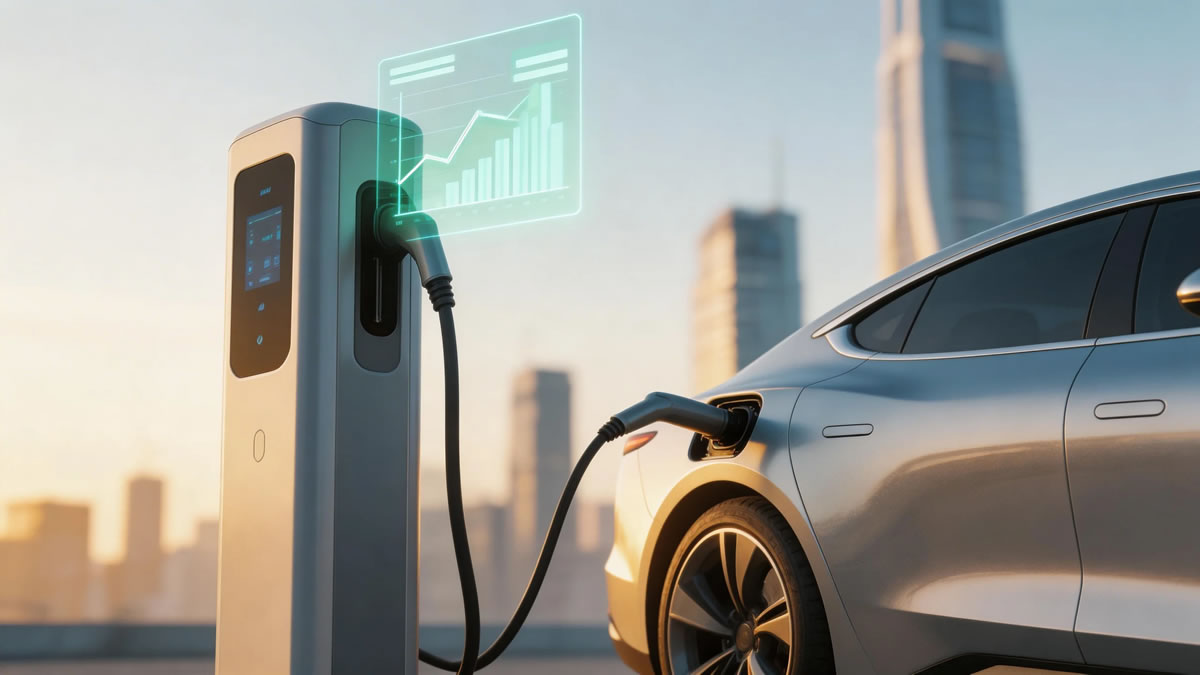
Over the past decade, battery costs have dropped significantly, while energy density and performance have improved. Range anxiety — once one of the biggest concerns for consumers — is gradually diminishing.
At the same time, advancements in charging technology are reducing the time required to recharge vehicles, making EVs more practical for everyday use.
What was once expensive, limited, and experimental is becoming affordable, reliable, and scalable.
Technology is not just improving the product — it is removing the barriers to adoption.
Economics: The Equation Is Changing
The third force is economic reality.
The total cost of owning an electric vehicle is becoming increasingly competitive with, and in some cases lower than, that of traditional gasoline vehicles.
Lower fuel costs, reduced maintenance, and improving battery longevity are shifting the economics in favor of EVs.
At scale, this transition is not just environmentally driven — it is economically rational.
When economics align with policy and technology, adoption accelerates.
Behavior: A Shift in Mindset
Beyond policy, technology, and economics, there is a deeper transformation taking place — a shift in consumer behavior.
New generations of drivers are more open to digital ecosystems, smart devices, and sustainable lifestyles. Vehicles are no longer seen purely as mechanical products, but as connected, software-driven platforms.
Electric vehicles fit naturally into this evolving mindset:
- They integrate with apps and digital services
- They align with environmental awareness
- They represent a more modern user experience
This is not just a change in preference — it is a change in expectations.
The Power of Convergence
Individually, each of these forces is significant.
But what makes the EV transition truly powerful is their convergence.
- Policy defines the direction
- Technology enables the possibility
- Economics justifies the decision
- Behavior accelerates adoption
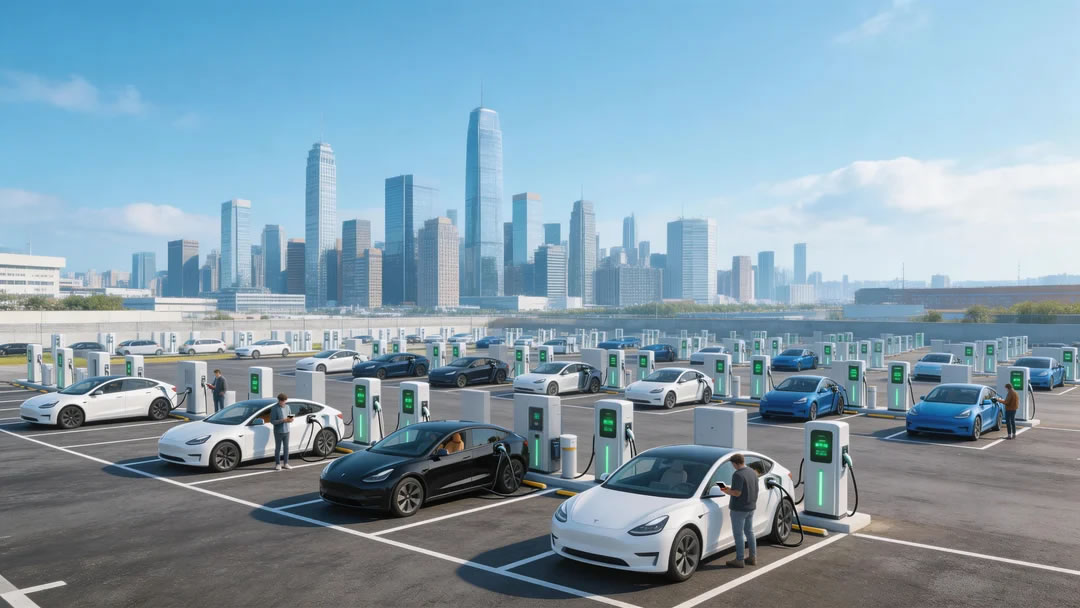
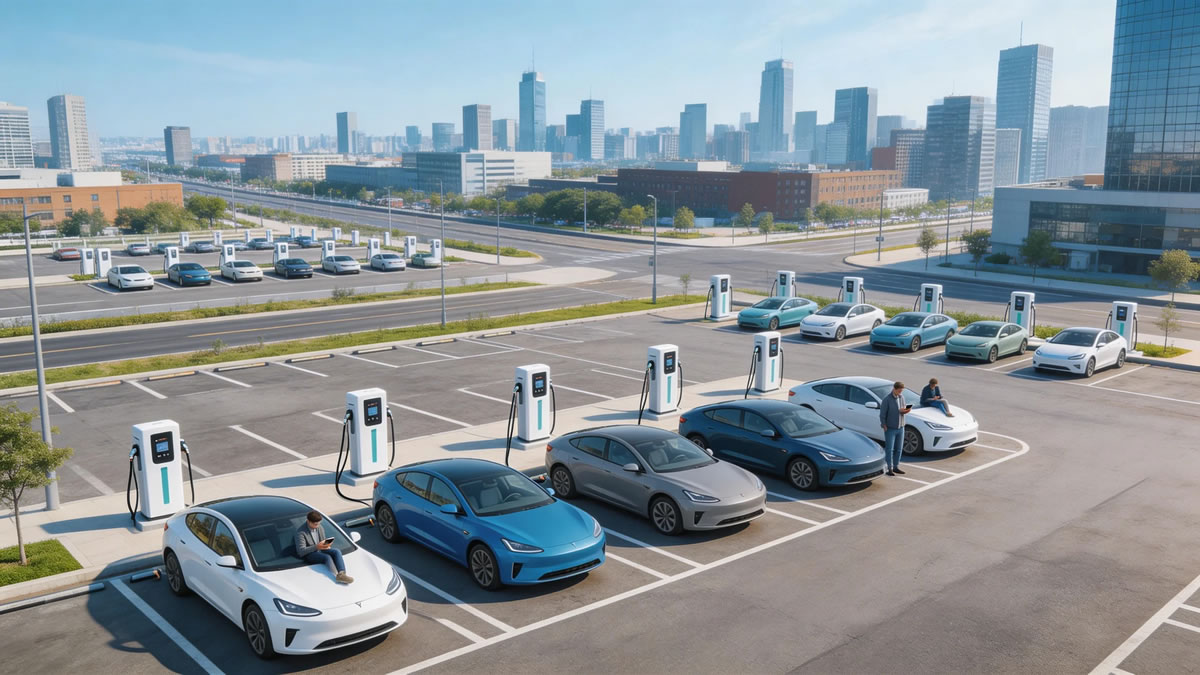
When all four forces move in the same direction, the result is not gradual change — it is exponential growth.
Beyond Vehicles: A System-Level Transformation
It is important to recognize that the rise of EVs is not only about replacing one type of vehicle with another.
It is about transforming an entire system.
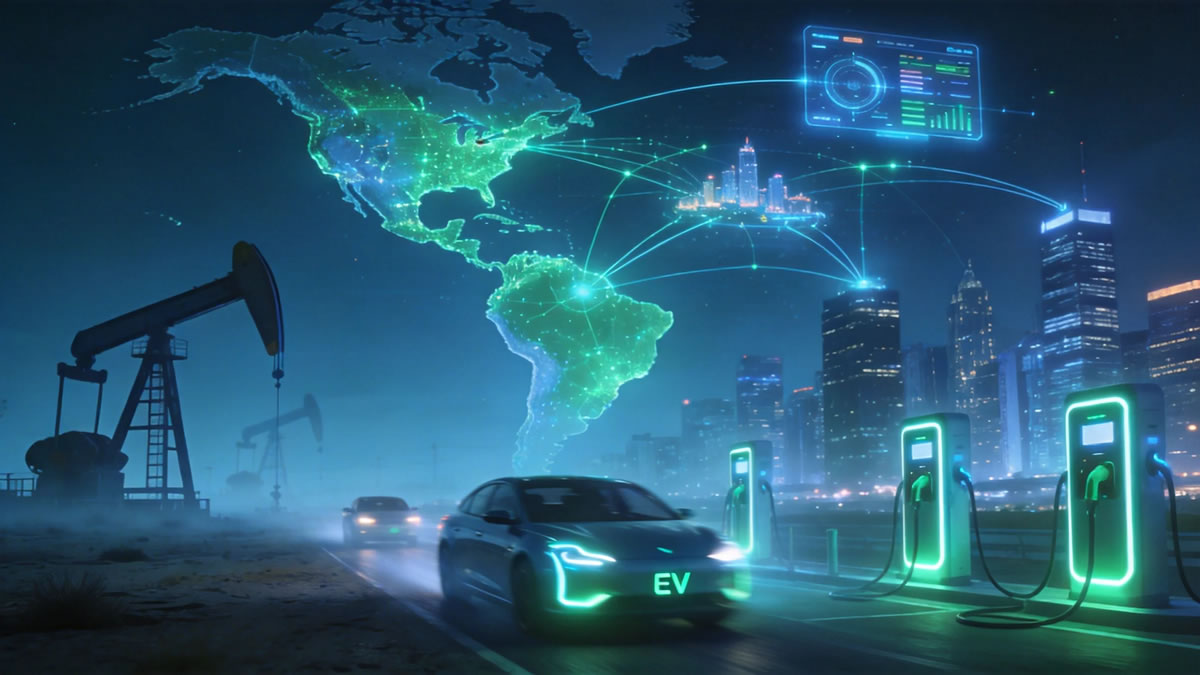
Electric vehicles are connected to:
- Charging infrastructure
- Power grids
- Renewable energy sources
- Data and digital platforms
This interconnected system represents a new model of mobility — one that is cleaner, smarter, and more integrated.
An Inevitable Transition
The question is often asked: how fast will electric vehicles replace traditional cars?
A more relevant question may be: can this transition be stopped?
Given the alignment of policy, technology, economics, and behavior, the momentum behind EV adoption is unlikely to reverse.
The shift is no longer speculative.
It is structural.
Electric vehicles are not rising because of a single trend.
They are rising because the world around them is changing — all at once.
 March 25, 2026