In the early stages of the EV charging industry, manufacturers were at the center of attention.
Better hardware meant faster charging, higher efficiency, and stronger competitiveness. Companies focused on building more advanced chargers, improving power output, and reducing costs.
But as the industry evolves, a shift is taking place.
The focus is moving away from who builds the equipment to who operates the network.
Hardware Is Becoming Standardized
Charging technology, while still evolving, is gradually becoming standardized.
Power levels are increasing, designs are improving, and production costs are decreasing. As more manufacturers enter the market, the differences between hardware products are narrowing.
In other words, hardware is becoming a commodity.
And in any industry, when hardware becomes commoditized, value shifts elsewhere.
Operators Control the User Relationship
Charging operators sit at the center of the user experience.
They manage:
- Where stations are located
- How pricing is structured
- How users access and pay for charging
- How reliable and available the service is
For EV drivers, the operator—not the manufacturer—is the brand they interact with daily.
This direct relationship gives operators a powerful advantage.
Recurring Usage Creates Long-Term Value
Unlike hardware sales, which are typically one-time transactions, charging services are based on continuous usage.
Every charging session generates value.
This creates a model where:
- Revenue is recurring
- User engagement is ongoing
- Data continuously accumulates
Over time, this leads to more stable and scalable business structures.
Data and Optimization Drive Efficiency
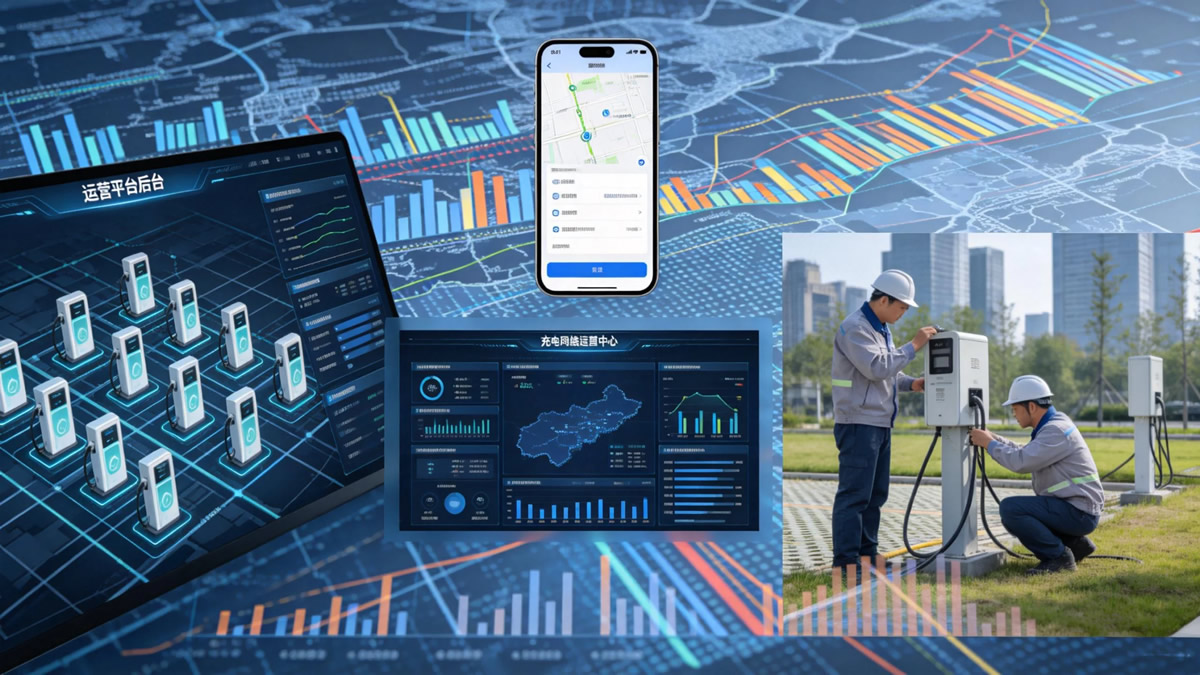
Operators have access to real-time operational data across their networks.
They can analyze:
- Peak usage times
- High-demand locations
- Energy consumption patterns
- User behavior
This allows them to optimize pricing, improve utilization rates, and make smarter expansion decisions.
Manufacturers, on the other hand, are often one step removed from this layer of insight.
Network Expansion Is an Operational Challenge
Building a charging network is not just about installing equipment—it is about managing complexity.
Operators must coordinate:
- Site selection
- Grid connections
- Maintenance and uptime
- Software systems
- Customer support
This requires operational capabilities that go far beyond manufacturing.
As networks grow larger, these capabilities become even more critical.
Integration with Energy Systems
One of the most important roles of operators is their position within the broader energy ecosystem.
They are increasingly responsible for:
- Balancing electricity demand
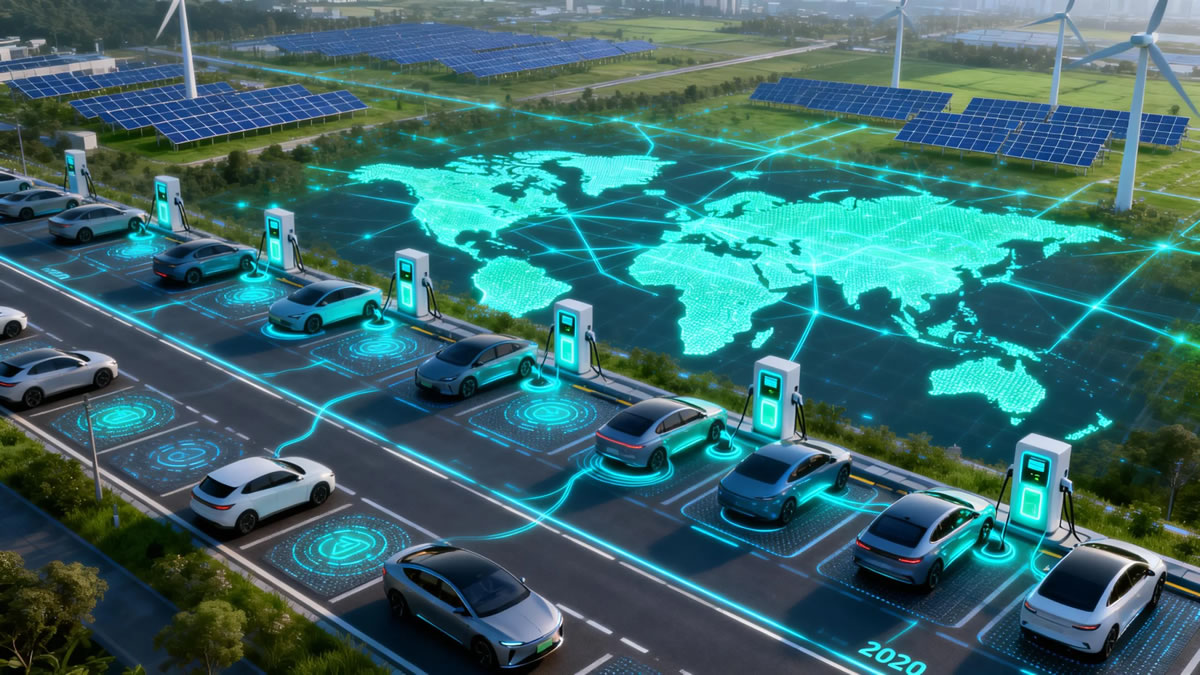
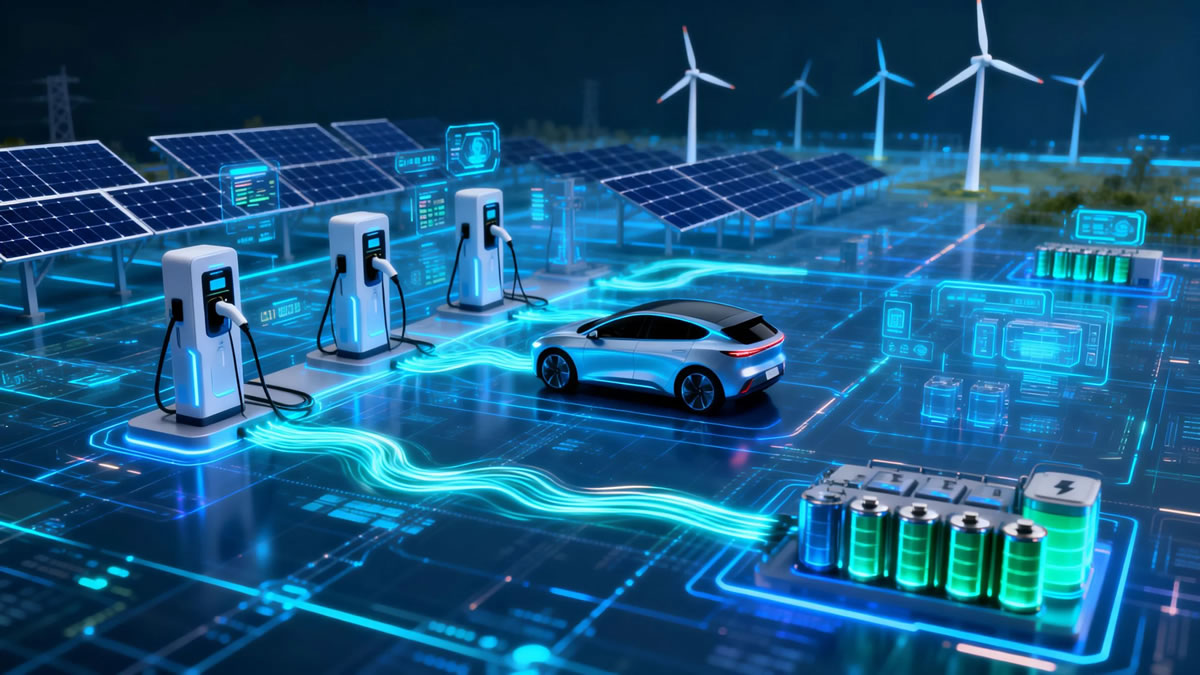
- Integrating renewable energy sources
- Managing energy storage systems
- Supporting grid stability
This makes operators key players not just in mobility, but in energy infrastructure.
The Platform Advantage
As discussed earlier, EV charging is becoming a platform-driven industry.
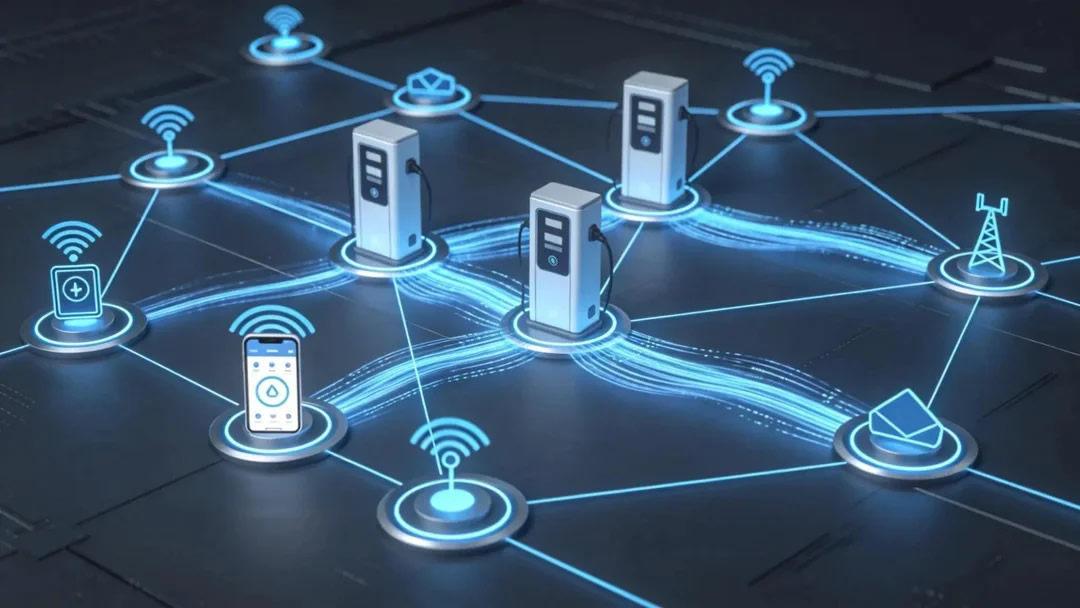
Operators are in the best position to build and control these platforms. They connect hardware, software, users, and energy into a unified system.
This gives them the ability to scale, adapt, and evolve much faster than hardware-focused companies.
A Shift in Industry Power
This does not mean manufacturers will disappear.
High-quality hardware remains essential. Innovation in charging technology will continue to play a critical role.
However, the center of gravity is shifting.
From:
- Product → Service
- Equipment → Network
- Manufacturing → Operation
The Defining Role of the Next Phase
As the EV charging industry enters its next stage, operators are emerging as the key drivers of value creation.
They control the network.
They own the user relationship.
They manage the data.
And in a connected, platform-based ecosystem, these elements matter more than the hardware itself.
The Question for the Industry
The transition is already underway.
The real question is:
Who will successfully make the shift—and who will remain stuck in the old model?
Because in the future of EV charging,
operators won’t just run the network. They will define it.
 April 14, 2026