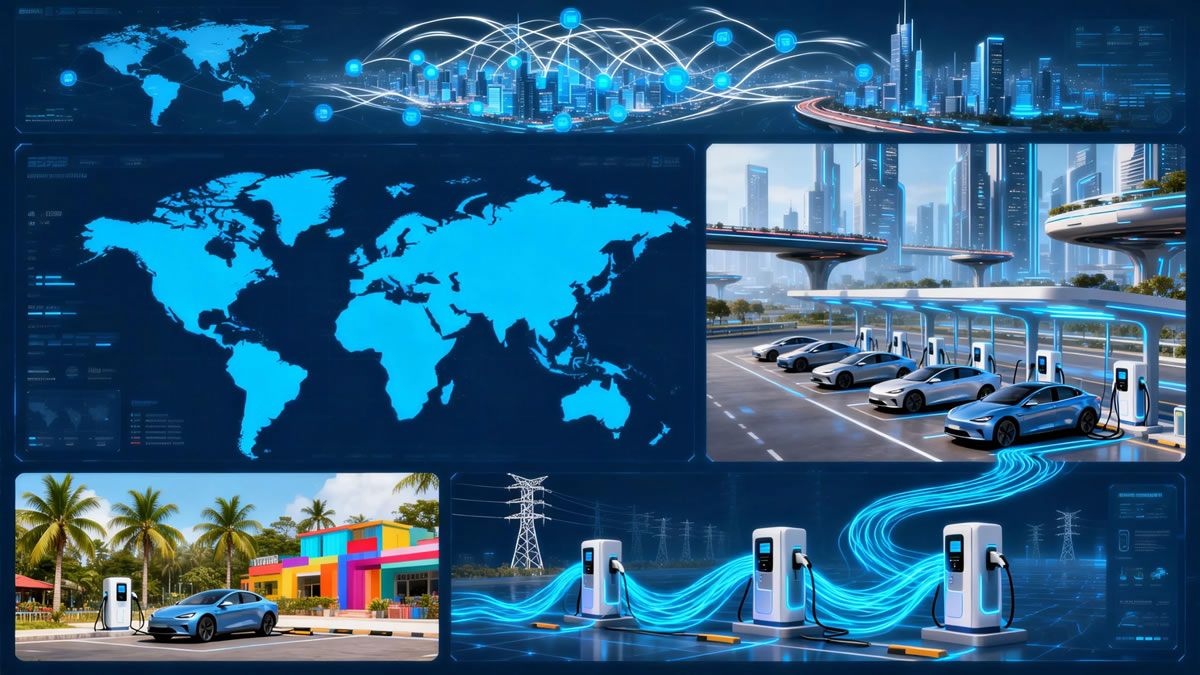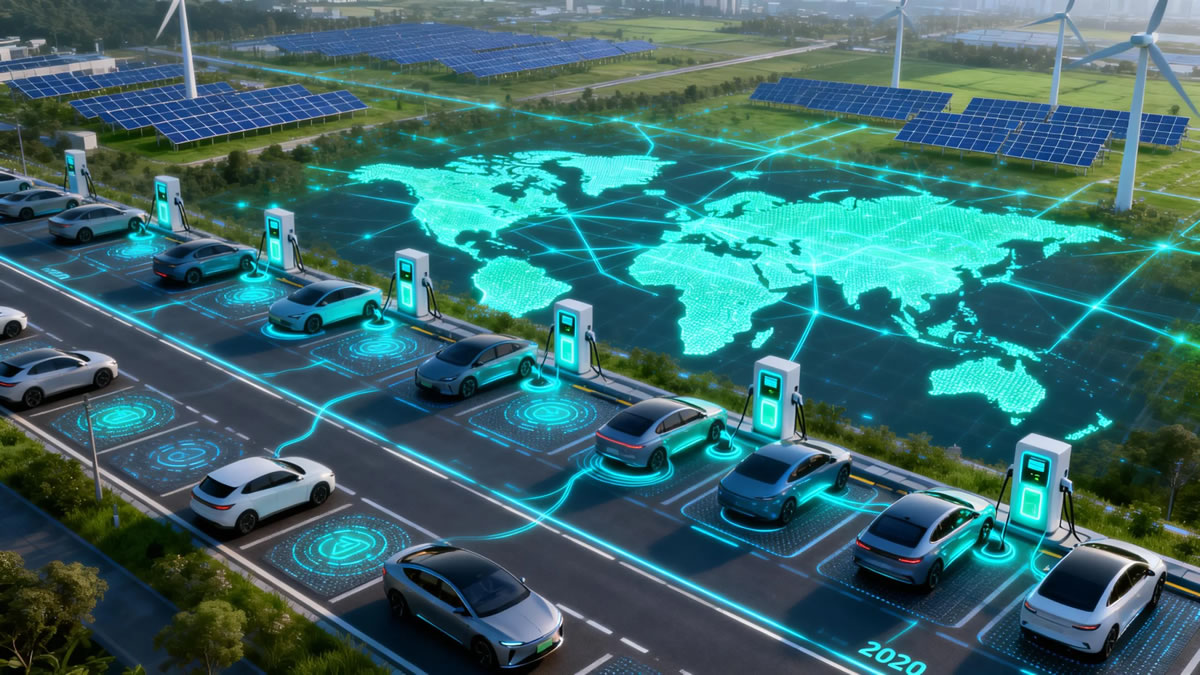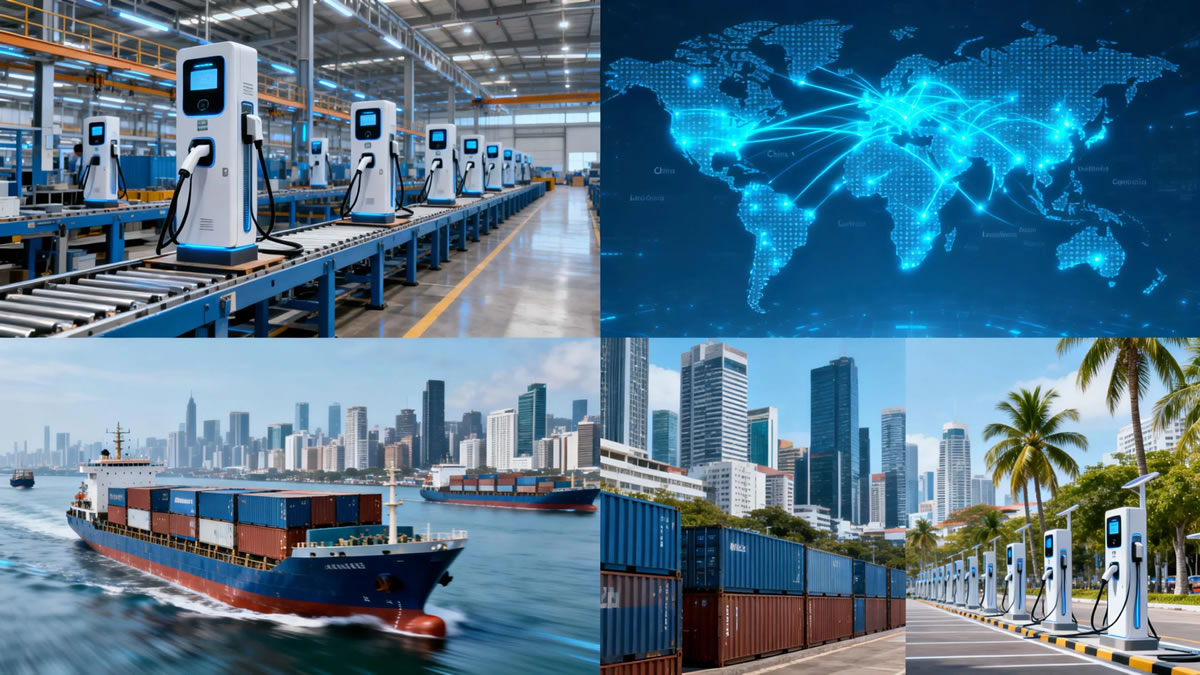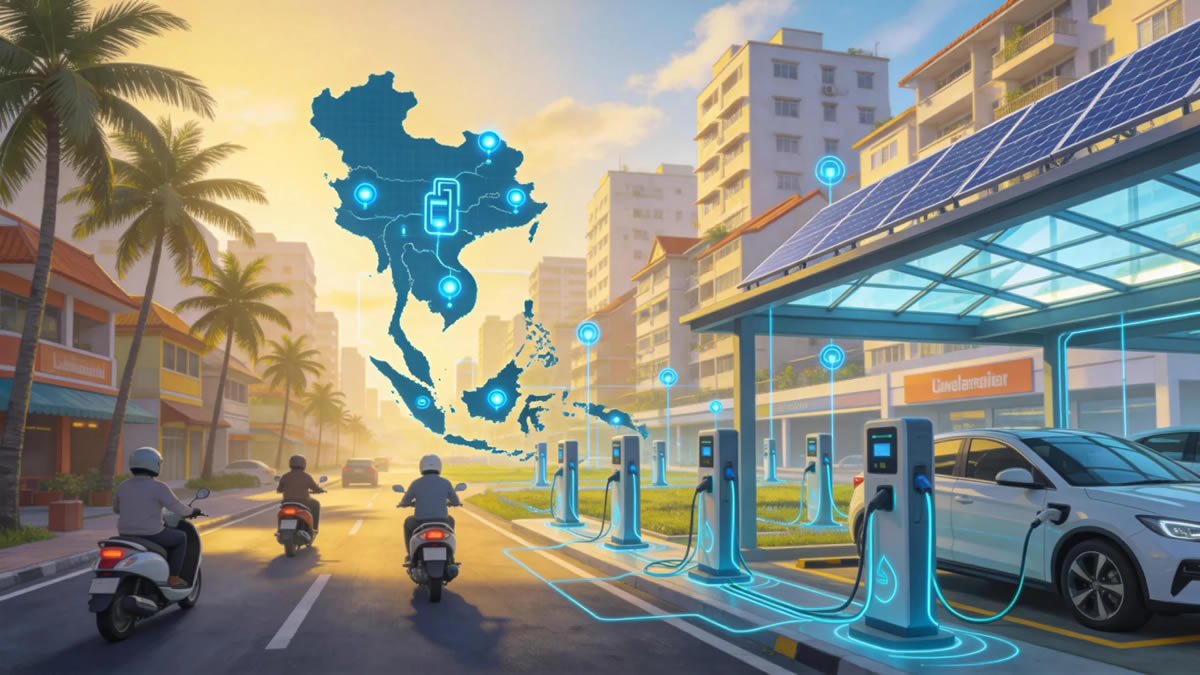
Southeast Asia is quietly becoming one of the most important regions in the global EV charging race.
While much of the attention has been focused on China, Europe, and the United States, a new growth story is unfolding across ASEAN countries—one defined by rapid urbanization, policy acceleration, and untapped infrastructure demand.
The question is no longer if Southeast Asia will grow, but how fast.
A Region Built for Rapid Adoption
Southeast Asia presents a unique combination of factors that make it highly suitable for EV expansion.
Major cities like Bangkok, Jakarta, and Ho Chi Minh City are facing increasing pressure from congestion and pollution. Governments are actively promoting cleaner mobility solutions, and EV adoption is beginning to gain momentum.
Unlike mature markets, where infrastructure is already dense, Southeast Asia offers a rare opportunity: the ability to build modern charging networks from the ground up.
Government Policies Are Accelerating the Shift
Across the region, governments are introducing incentives to stimulate EV adoption and infrastructure deployment.
- Tax reductions for EV purchases
- Investment support for charging infrastructure
- National roadmaps targeting electrification
Countries such as Thailand and Indonesia are positioning themselves as EV manufacturing and infrastructure hubs, aiming to attract global players into their ecosystems.
Policy is no longer a barrier—it is becoming a catalyst.
Low Infrastructure Density = High Growth Potential
One of the most important characteristics of Southeast Asia is its current lack of charging infrastructure.
Compared to China or Europe, the number of charging stations per EV remains extremely low. While this may seem like a challenge, it actually represents a massive opportunity for expansion.
In simple terms: demand is rising faster than supply.
This imbalance creates space for new networks, new operators, and new models to emerge.
Urban Density Creates Unique Scenarios
Southeast Asia’s urban structure is different from Western markets.
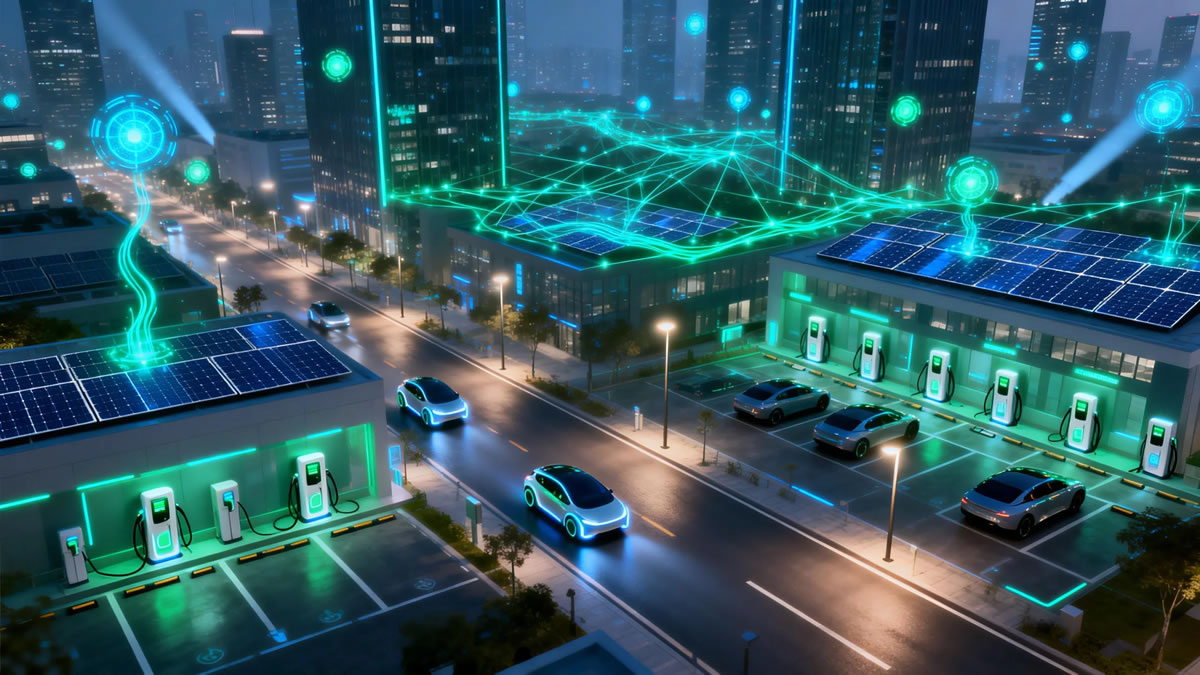
High population density, limited private parking, and a large number of apartment dwellers mean that home charging is not always feasible. As a result, public and semi-public charging solutions become significantly more important.
This leads to strong demand in locations such as:
- Shopping malls
- Office buildings
- Hotels
- Convenience hubs
Charging is no longer just a utility—it becomes part of the urban service ecosystem.
Energy and Grid Challenges
Despite its potential, Southeast Asia also faces structural challenges.
Power grid stability, uneven infrastructure development, and varying regulatory environments can slow down deployment. In some areas, integrating fast-charging stations requires significant upgrades to existing energy systems.
However, these challenges also open the door to innovation—particularly in areas like:
- Smart energy management
- Distributed charging systems
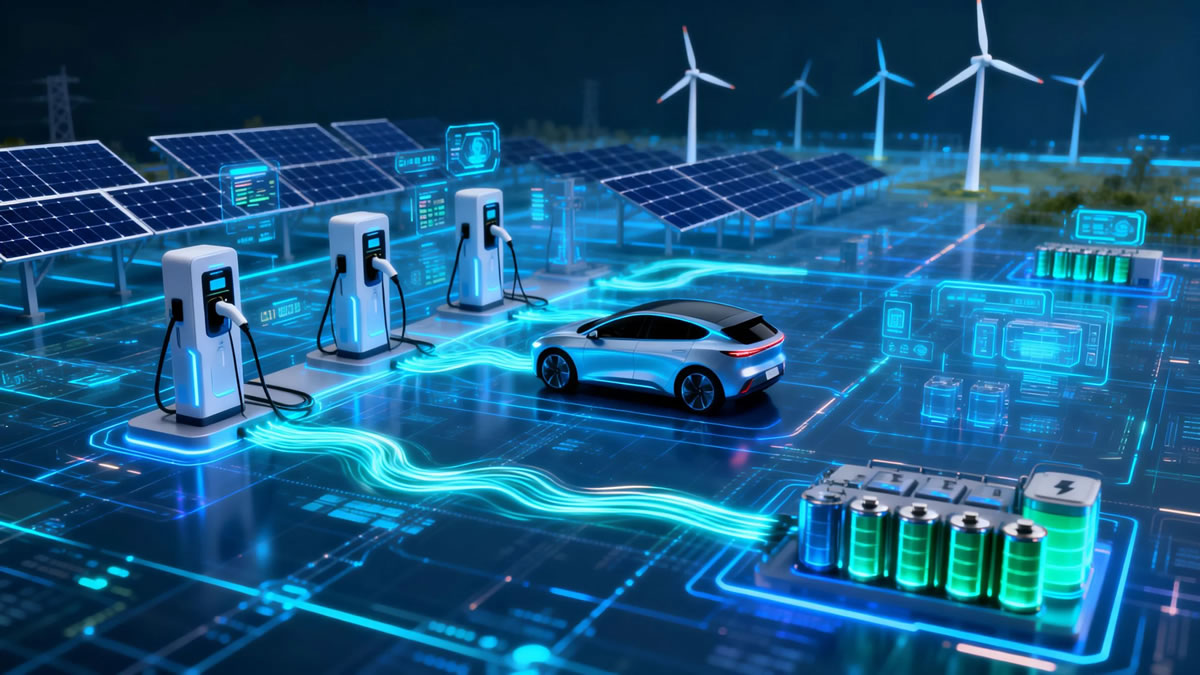
- Integration with renewable energy
A Strategic Entry Point for Global Players
For global companies, Southeast Asia represents more than just a growth market—it is a strategic testing ground.
The region allows companies to experiment with scalable, flexible, and cost-efficient models that can later be replicated in other emerging markets.
Success here is not just about expansion. It is about building adaptable systems for the future.
The Beginning of a New Growth Cycle
Southeast Asia is not yet the largest EV charging market—but it may become one of the fastest-growing.
As infrastructure catches up with demand, and as policies continue to evolve, the region is entering a critical phase of development.
What happens in Southeast Asia over the next five years could reshape the global charging landscape.
And for those paying attention, the signals are already clear:
The next wave has begun.
 April 9, 2026