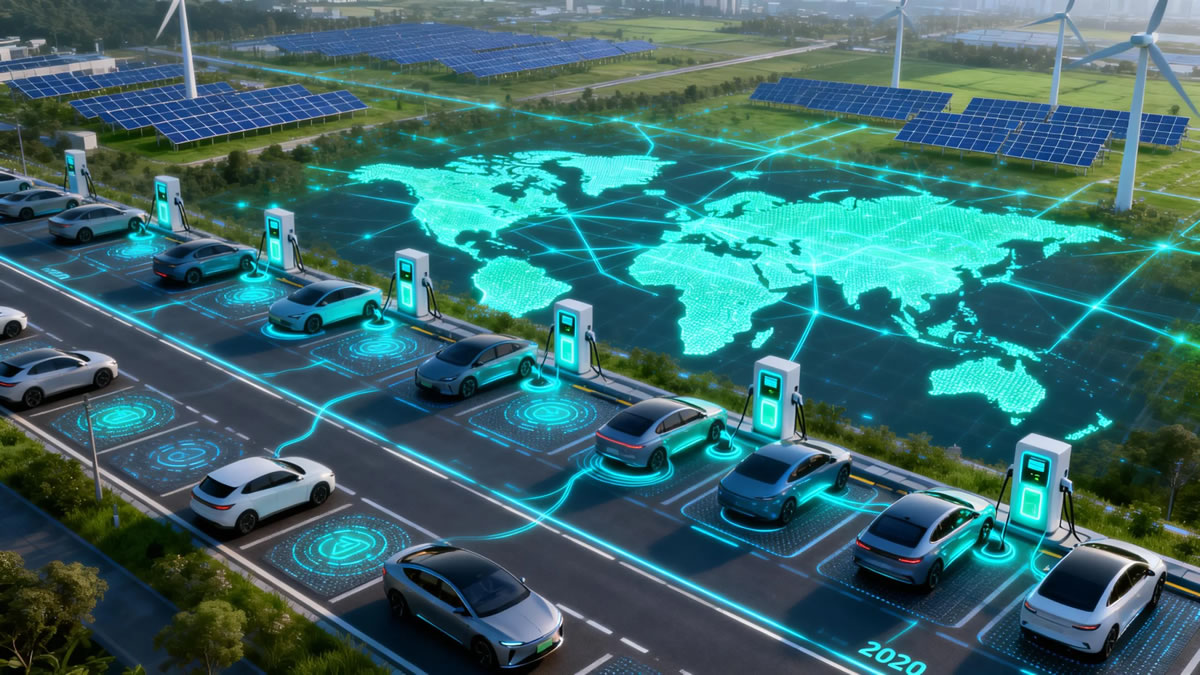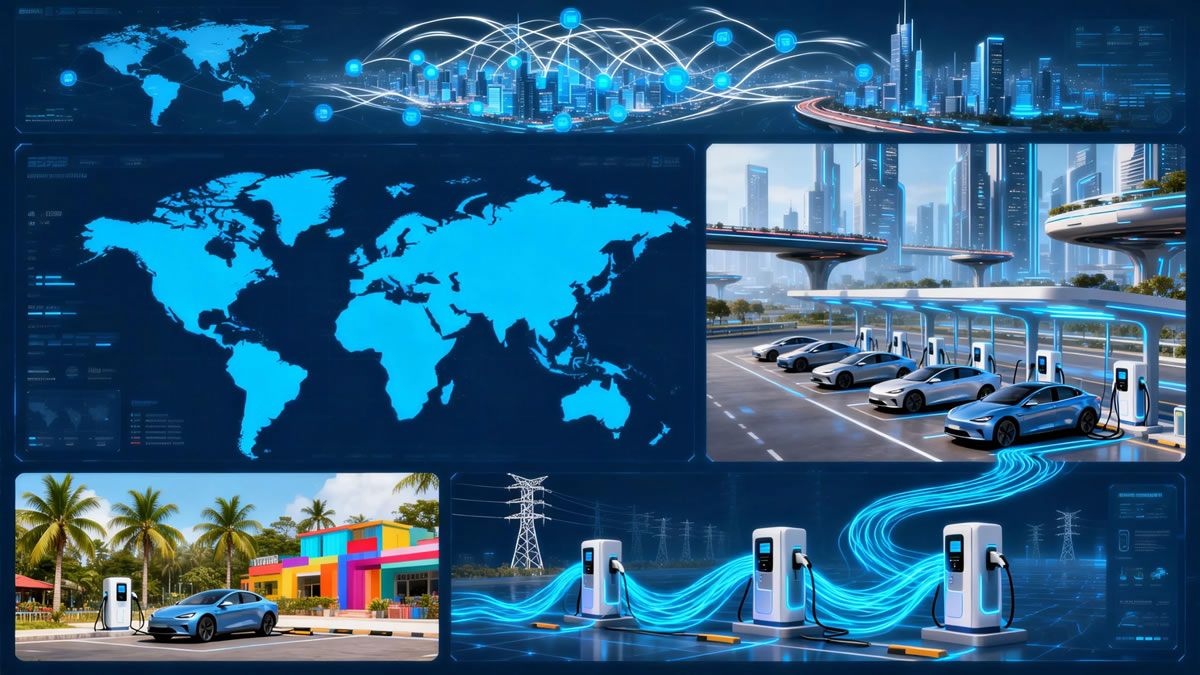
The global electric vehicle (EV) revolution is no longer just about cars—it is about infrastructure.
Behind every EV on the road lies a rapidly expanding network of charging stations. And today, a new kind of competition is unfolding: not between automakers, but between nations, technologies, and business models competing to define the future of charging.
A Market No One Can Ignore
As EV adoption accelerates worldwide, the demand for charging infrastructure is growing at an unprecedented pace. Governments, private companies, and energy giants are all investing heavily—not just to support EV growth, but to secure a strategic position in what may become one of the most critical infrastructures of the next decade.
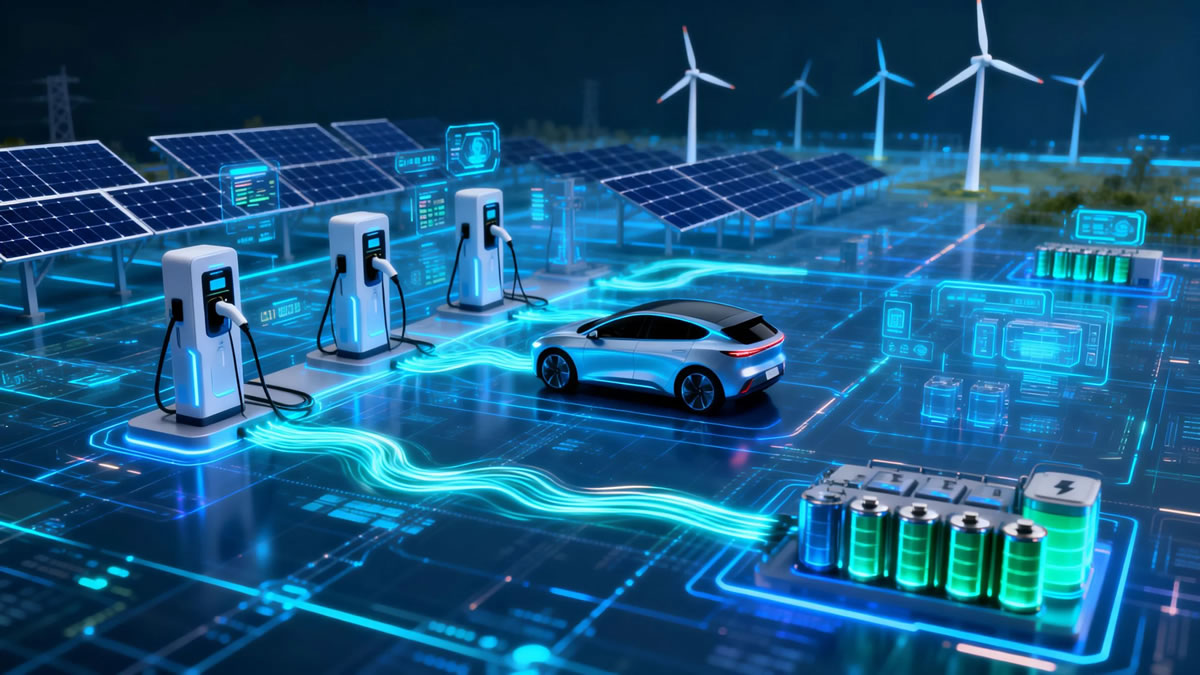
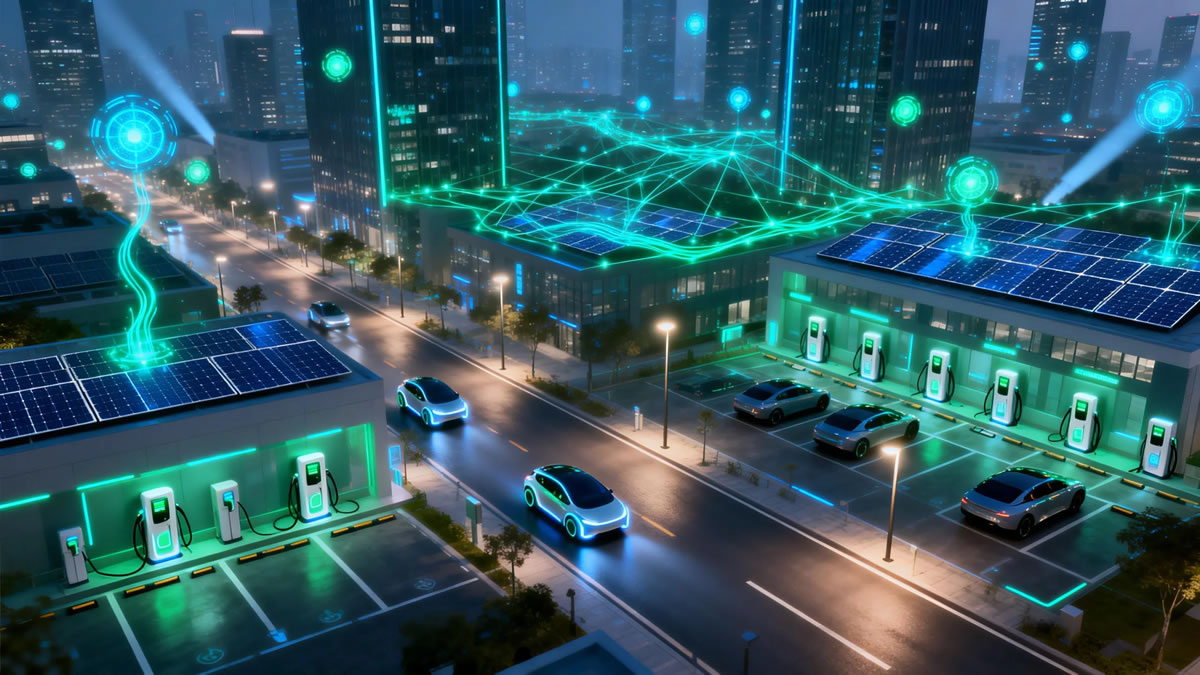
Charging stations are no longer simple power outlets. They are evolving into smart, connected nodes within a larger energy ecosystem.
China: Scale and Speed
China currently leads the global charging market by a significant margin.
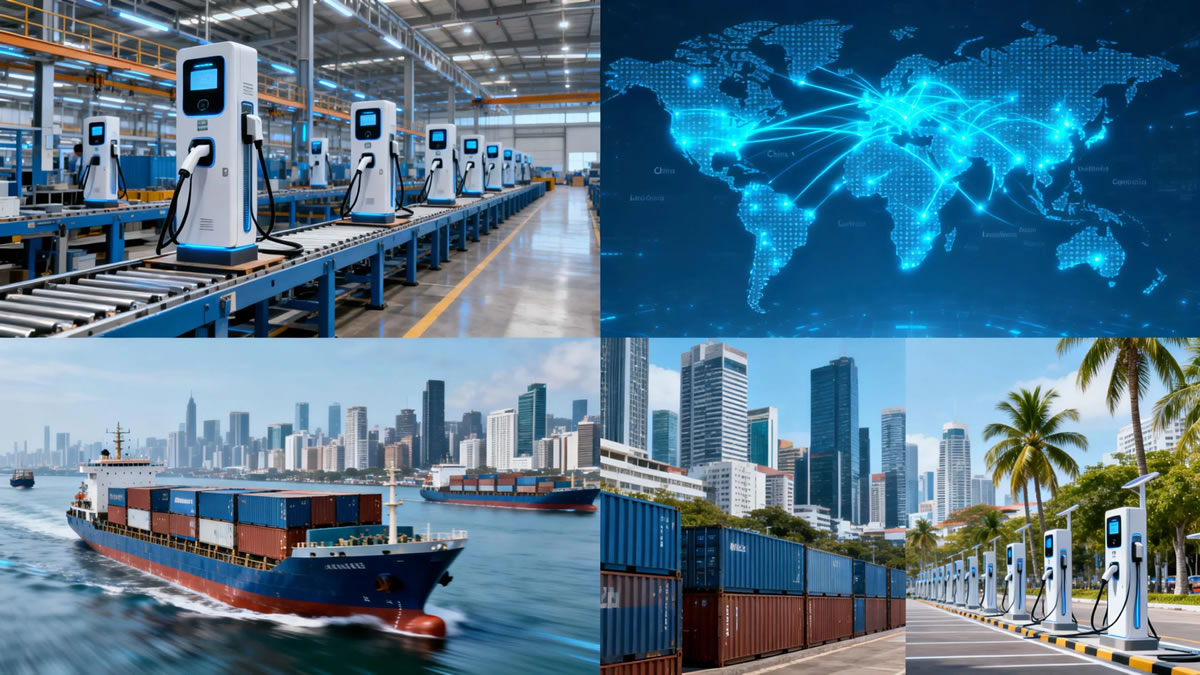
Its advantage lies in execution: rapid deployment, strong policy support, and vertically integrated players. From hardware manufacturing to network operation, Chinese companies have built a complete ecosystem that allows them to scale quickly and efficiently.
More importantly, China is not just building chargers—it is building networks.
Europe: Stability and Standardization
Europe takes a different approach.
Instead of focusing purely on speed, the region emphasizes interoperability, regulatory alignment, and long-term sustainability. Charging networks in Europe are designed to work seamlessly across borders, creating a unified experience for EV users.
While growth may appear slower compared to China, the European model prioritizes reliability and consistency—factors that could prove crucial in the long run.
United States: Policy-Driven Expansion
In the United States, the charging industry is being reshaped by policy and investment.
Government initiatives are accelerating infrastructure deployment, while private companies compete to build nationwide networks. The focus is increasingly shifting toward fast-charging corridors and improving accessibility in underserved areas.
However, fragmentation remains a challenge, as different standards and operators compete for dominance.
Emerging Markets: The Next Battlefield
Beyond the major economies, regions such as Southeast Asia and Latin America are becoming the next frontier.
These markets present unique opportunities: lower infrastructure saturation, rapid urbanization, and growing EV adoption. At the same time, challenges such as grid stability and investment models must be addressed.
For many companies, success in these regions will define their global position.
From Equipment to Ecosystem
The most important shift is not geographic—it is structural.
The charging industry is moving from a hardware-driven model to a platform-based ecosystem. Operators are no longer just installing chargers; they are managing energy flow, user data, payment systems, and even integrating renewable energy sources.
In this new landscape, the real competition is not about who builds more chargers, but who builds the most efficient and scalable network.
A New Infrastructure War
What we are witnessing is the early stage of a global infrastructure transformation.
Charging networks may soon become as essential as roads or telecommunications. And just like those industries, early leaders could define standards, control ecosystems, and capture long-term value.
The question is no longer whether the EV charging market will grow.
The real question is:
Who will shape it—and who will be left behind?
 April 7, 2026