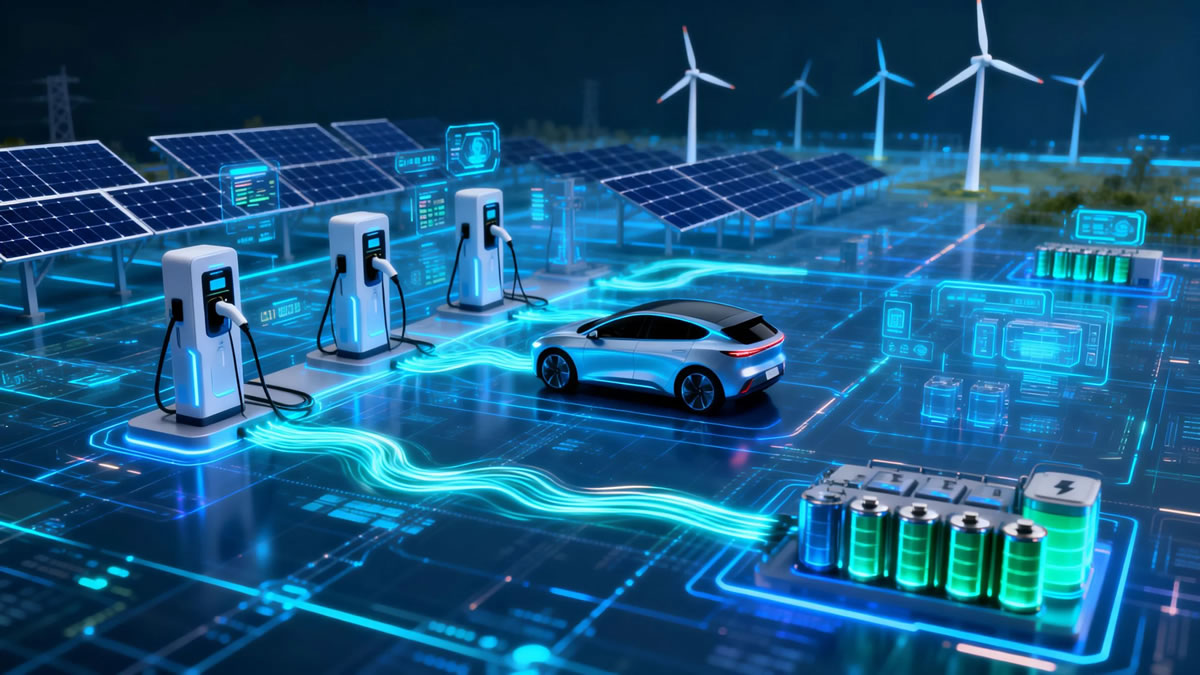
At first glance, EV charging infrastructure appears simple.
Vehicles need energy, and charging stations provide it.
But this view is rapidly becoming outdated.
As electric mobility scales globally, charging infrastructure is evolving beyond its original function. It is no longer just about delivering electricity — it is becoming part of a much larger system: energy management.
The Limits of a Charging-Only Model
In the early stages of EV adoption, the primary challenge was accessibility.
How many charging stations are available?
How fast can vehicles recharge?
Where are they located?
These questions defined the first phase of development.
But as networks expand and adoption increases, a new challenge emerges:
How to manage energy efficiently at scale.
Simply adding more charging points is not enough. Without coordination, large-scale charging demand can strain power grids, create peak load issues, and reduce overall system efficiency.
The Grid Becomes Dynamic
Traditional power systems were designed for predictability.
Electricity flowed in one direction — from centralized power plants to consumers — with relatively stable demand patterns.
Electric mobility changes this dynamic.
Charging demand is:
- Highly variable
- Time-dependent
- Geographically uneven
To handle this complexity, power systems must become more flexible, responsive, and intelligent.
This is where charging infrastructure begins to play a new role.
Charging Networks as Energy Interfaces
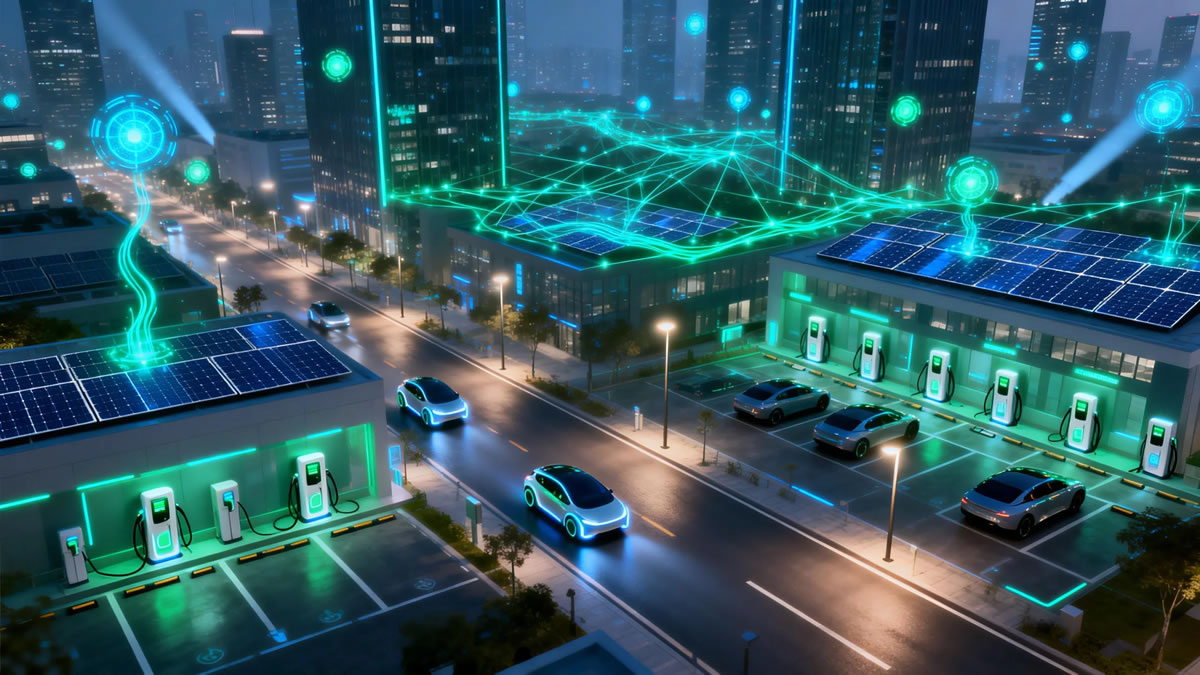
Charging stations are evolving into interfaces between vehicles and the power grid.
They do more than supply energy — they help regulate it.
With the integration of software and data systems, charging networks can:
- Adjust charging speeds based on grid conditions
- Shift demand to off-peak hours
- Balance load across different locations
- Coordinate with renewable energy supply
In this model, charging is no longer a passive activity.
It becomes an active component of energy management.
The Role of Data and Intelligence
At the core of this transformation is data.
Every charging session generates information:
- Time of use
- Energy consumption
- Location patterns
- User behavior
When aggregated and analyzed, this data enables smarter decision-making across the entire system.
Artificial intelligence and advanced algorithms can optimize:
- When vehicles charge
- Where energy is distributed
- How infrastructure is utilized
This turns charging networks into intelligent systems rather than static assets.
Integration with Renewable Energy
One of the most important aspects of energy management is the integration of renewable sources.
Solar and wind energy are inherently variable — they depend on weather conditions and time of day.
Charging infrastructure can help bridge this variability.
By aligning charging demand with renewable energy availability, systems can:
- Increase the use of clean energy
- Reduce reliance on fossil fuels
- Improve overall grid stability
In some cases, charging stations may also incorporate energy storage, allowing them to store electricity and release it when needed.
Vehicles as Part of the System
The evolution does not stop at infrastructure.
Vehicles themselves are becoming part of the energy system.
With technologies such as bidirectional charging, EVs can potentially:
- Store excess energy
- Feed electricity back into the grid
- Act as distributed energy resources
This transforms vehicles from simple consumers into active participants.
Toward an Energy Ecosystem
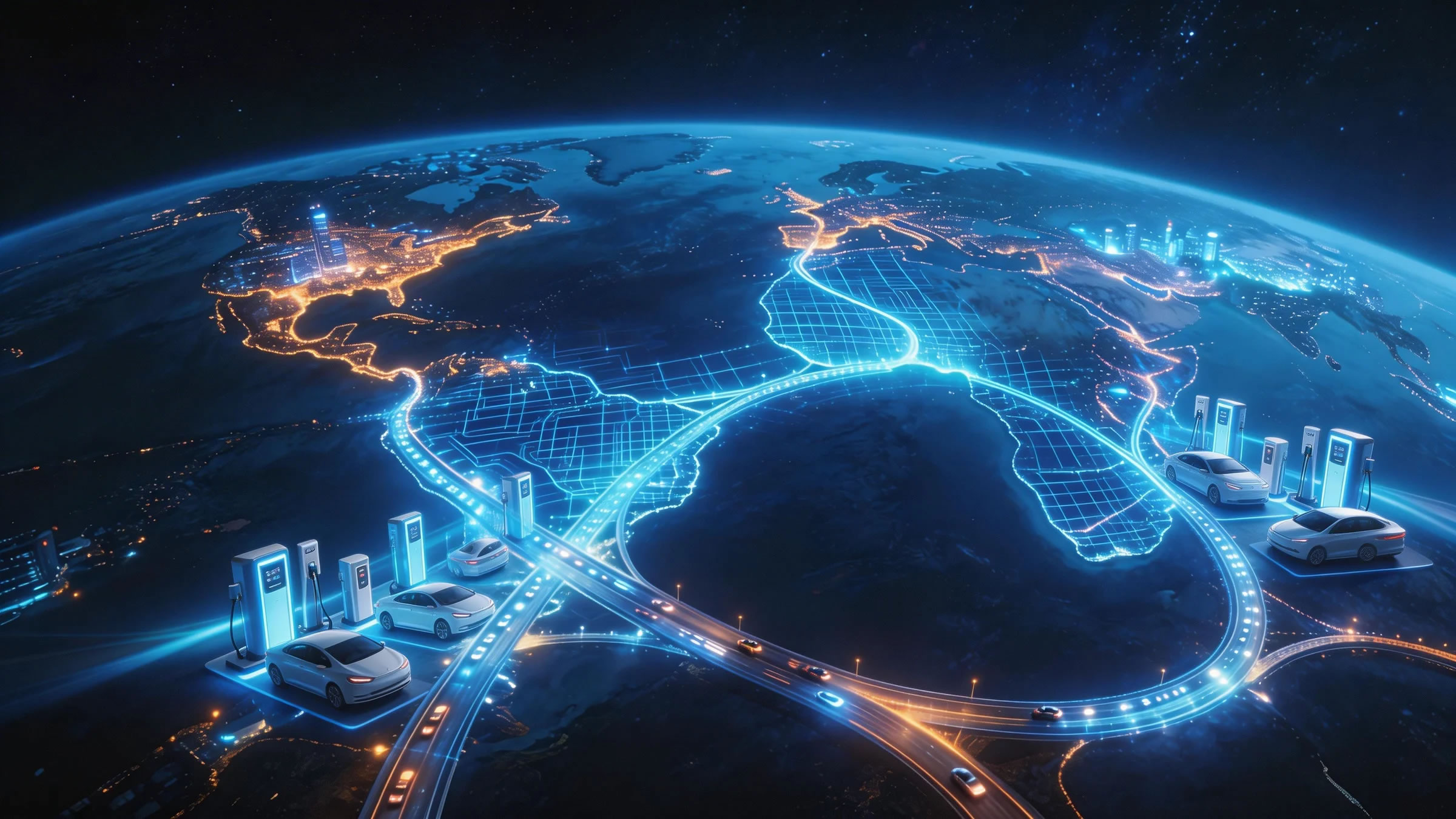
What is emerging is not just a network of chargers, but an interconnected energy ecosystem.
In this ecosystem:
- Infrastructure, vehicles, and grids are interconnected
- Energy flows are optimized in real time
- Data drives continuous improvement
Charging infrastructure is one piece of this system — but a critical one.
A Shift in Perspective
Understanding this evolution requires a shift in perspective.
Charging stations are not endpoints.
They are nodes within a larger network.
They do not simply deliver energy.
They help manage it.
The future of EV infrastructure is not defined by how fast vehicles can charge.
It is defined by how intelligently energy can be distributed, balanced, and optimized.
Charging was the beginning.
Energy management is the future.
 April 3, 2026