For over a century, gas stations have been an essential part of the global transportation system.
They were built around a simple idea: fast refueling, standardized service, and high turnover.
But the rise of electric vehicles is challenging this model at its core.
The question is no longer theoretical:
Can gas stations survive in the EV era—or must they transform to stay relevant?
A Business Model Under Pressure
Traditional gas stations rely on speed.
Drivers arrive, refuel in minutes, and leave.
This model depends on:
- High vehicle turnover
- Short dwell times
- Predictable fuel demand
EV charging, however, operates very differently.
Charging takes longer.
User behavior changes.
Energy demand becomes more complex.
This creates a fundamental mismatch between the old model and the new reality.
From Fuel Stops to Energy Hubs
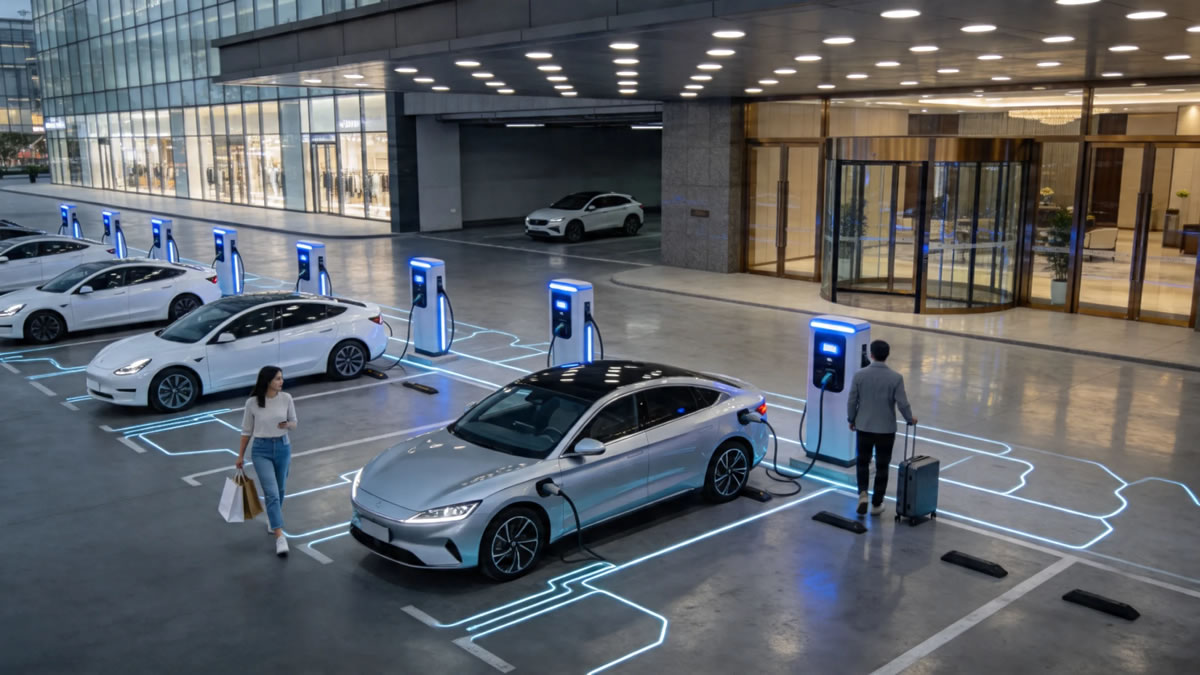
To adapt, gas stations must evolve beyond fuel.
The future is not about replacing fuel pumps with chargers—it is about redefining the entire space.
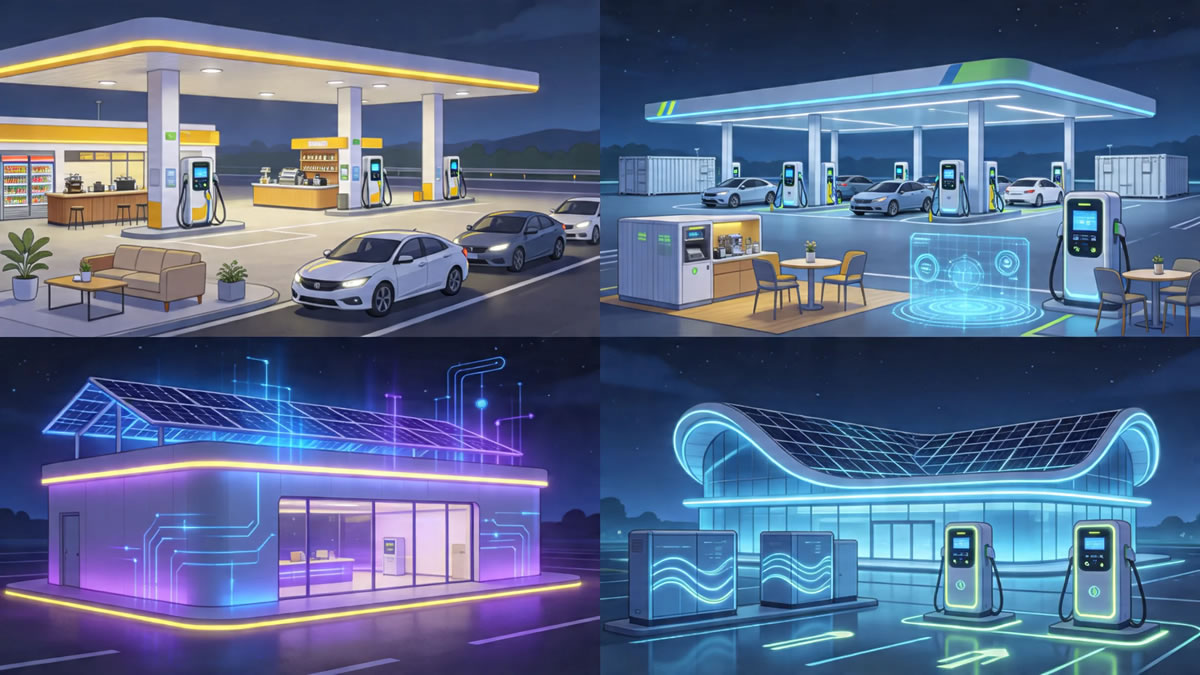
Forward-looking stations are beginning to integrate:
- Fast-charging infrastructure
- Convenience retail
- Food and beverage services
- Rest and waiting areas
The goal is to transform a quick stop into a multi-functional experience.
Time Becomes the New Currency
In the EV era, time is no longer something to minimize—it is something to utilize.
Drivers charging their vehicles need a place to spend 20–40 minutes.
This creates new opportunities:
- Retail consumption
- Service upgrades
- Customer engagement
Gas stations that successfully capture this time can unlock new forms of value.
Location Still Matters—But Differently
One of the biggest advantages gas stations have is location.
Many are already positioned along highways, in urban centers, or at key transit points.
These locations remain valuable—but their function is changing.
Instead of serving as rapid refueling points, they can become:
- Fast-charging corridors
- Energy distribution nodes
- Mobility service hubs
The physical footprint remains an asset—but it must be reimagined.
Challenges in the Transition
The transformation is not simple.
Gas station operators face several challenges:
- High upfront investment in charging infrastructure
- Grid capacity limitations
- Uncertain return timelines
- Changing consumer expectations
In some cases, existing layouts may not even support large-scale charging deployment.
Adaptation requires both capital and strategic vision.
New Competitors Are Emerging
At the same time, gas stations are no longer the default energy providers.
New players are entering the space:
- Dedicated charging networks
- Retail chains
- Real estate developers
- Technology-driven operators
These players are building charging infrastructure without legacy constraints.
This increases competitive pressure on traditional stations.
The Opportunity Within the Disruption
Despite the challenges, gas stations are not obsolete.
They are at a crossroads.
Those that remain tied to the old model may struggle.
But those that embrace transformation can become something more powerful:
integrated energy and service hubs
A Redefined Role in Mobility
The future gas station may look very different from today.
It may include:
- Charging instead of fueling
- Digital services instead of manual transactions
- Experience-driven spaces instead of functional stops
What remains constant is its role in supporting mobility.
The Final Question
The EV transition is not just replacing one energy source with another.
It is redefining how, where, and why we “refuel.”
For gas stations, survival is not guaranteed.
But transformation is possible.
And the real question is:
Will they adapt in time—or be replaced by those who already have?
 April 19, 2026