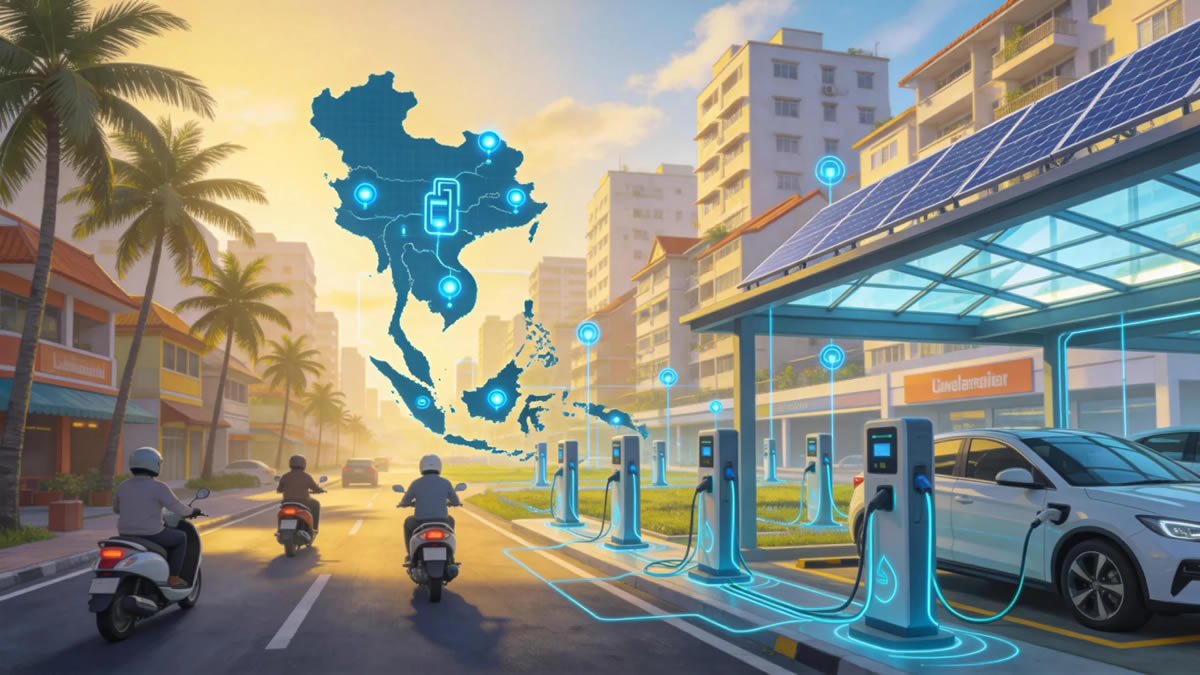
As the EV charging industry expands, many players focus on a simple goal:
Build more charging stations.
At first glance, this seems logical. More stations mean more coverage, more accessibility, and more potential users.
But beneath the surface, a more important question is emerging:
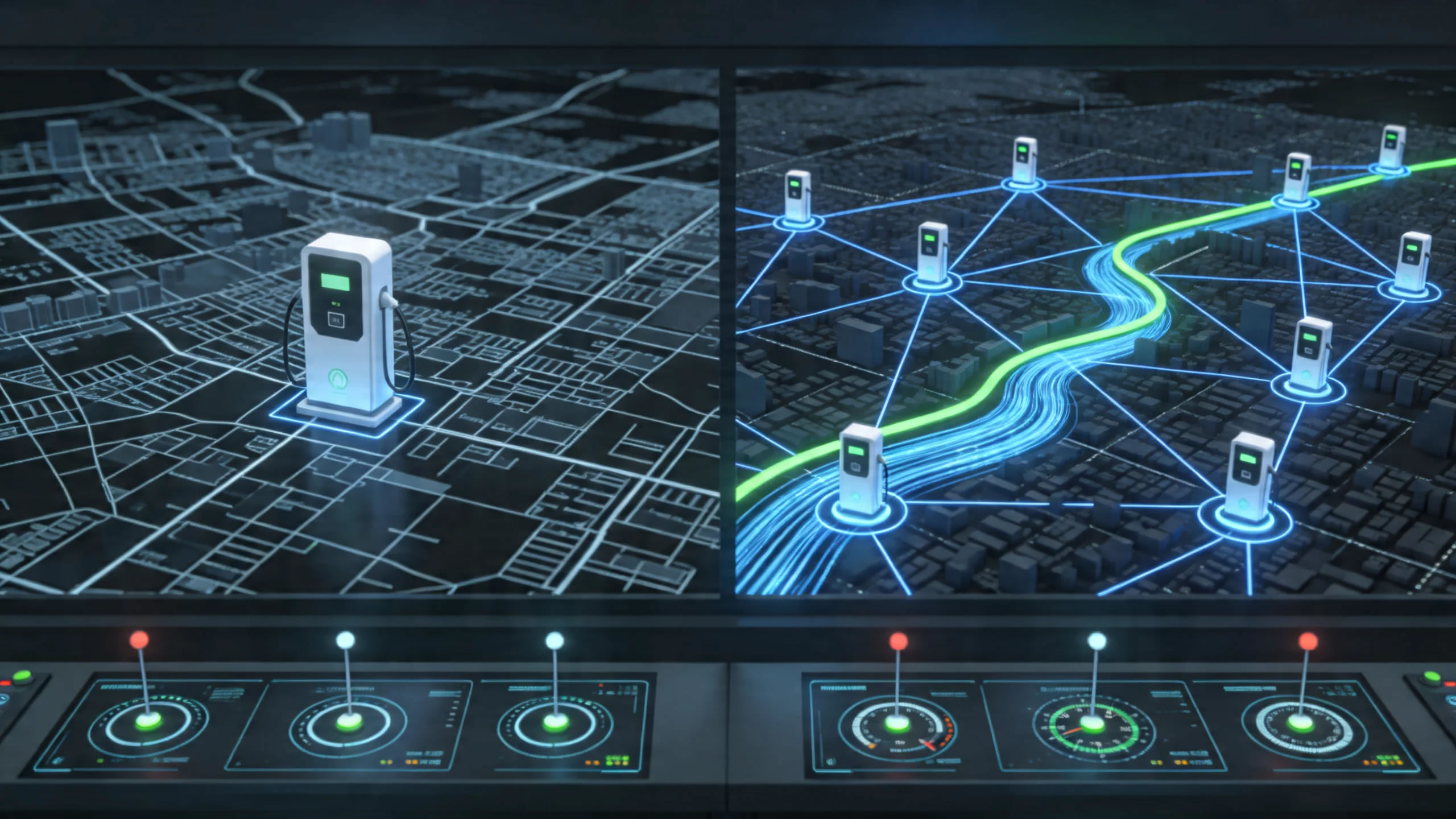
Is value created by individual stations—or by the network as a whole?
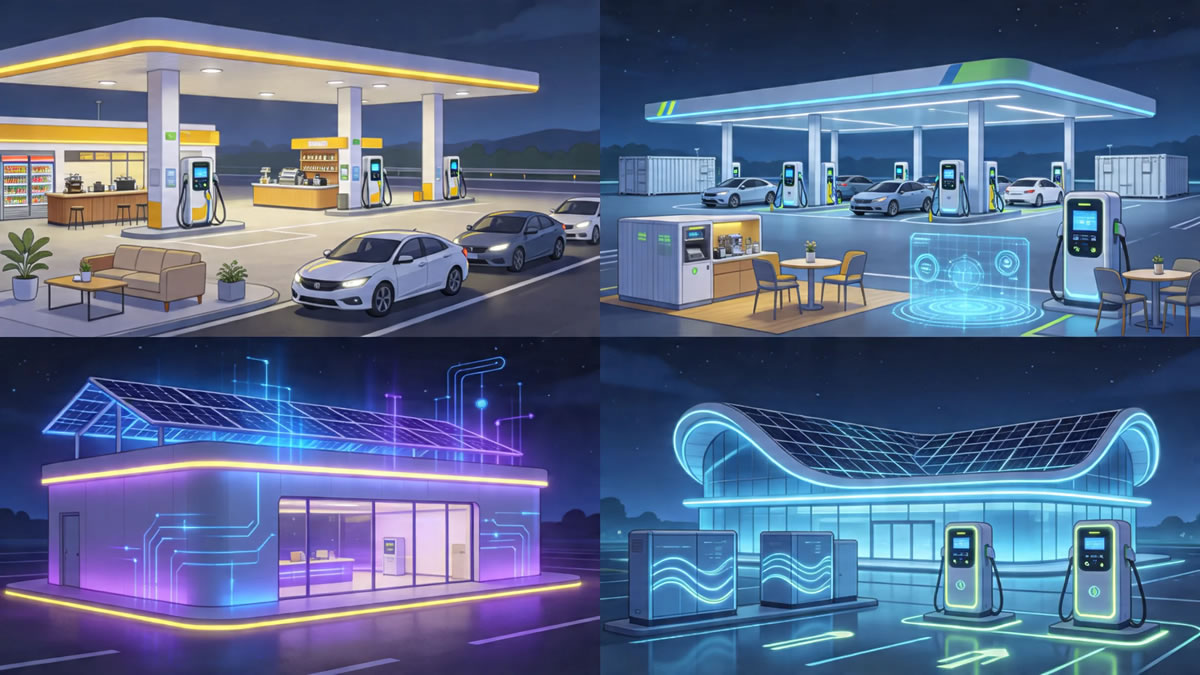
The Illusion of Single-Station Value
A single charging station can generate revenue.
It serves local users, provides convenience, and fills a specific geographic need.
However, its impact is inherently limited:
- It serves a fixed location
- It depends on local traffic
- It operates in isolation
Even a highly utilized station cannot scale beyond its physical constraints.
In this sense, a single station is an asset—but not a system.
Networks Create Continuity
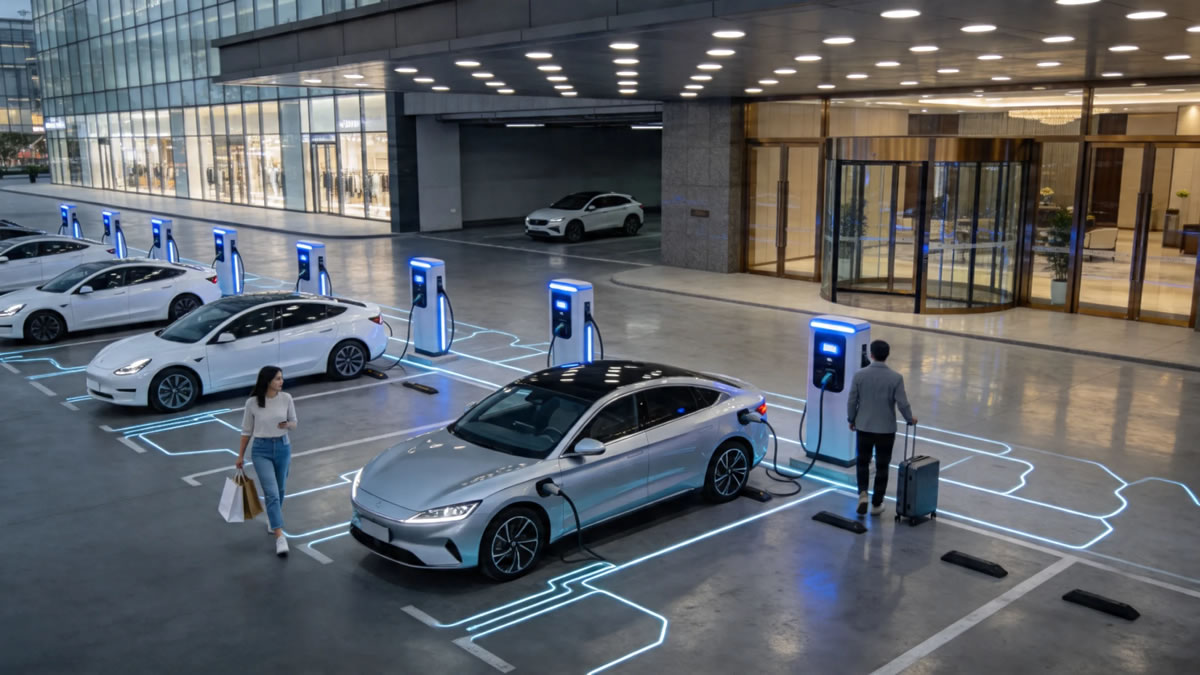
A charging network changes the user experience completely.
Instead of thinking in terms of “where can I charge right now,” users begin to think:
“I can charge anywhere within this network.”
This creates:
- Route confidence
- Travel flexibility
- Brand trust
The value is no longer tied to a single location—it is distributed across the entire system.
User Behavior Favors Networks
EV drivers do not operate in one place.
They commute, travel, and move across cities and regions.
A fragmented system of isolated stations creates friction:
- Multiple apps
- Inconsistent pricing
- Unreliable availability
In contrast, integrated networks offer:
- Unified access
- Predictable experience
- Seamless payment
Over time, users naturally gravitate toward networks that reduce friction.
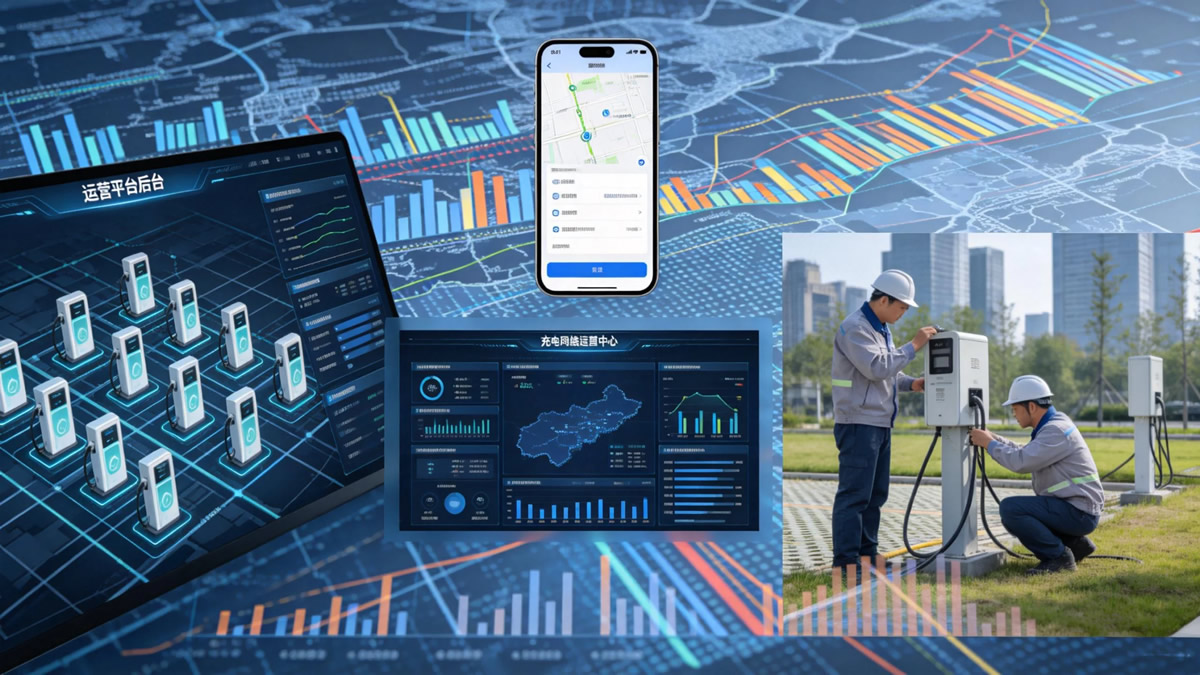
Data Multiplies Across the Network
Data is exponentially more valuable in a network than in a single station.
A standalone station can only generate limited insights.
But a network can analyze:
- Cross-location usage patterns
- Regional demand trends
- User movement behavior
- Peak load distribution
This allows operators to optimize not just individual stations—but the entire system.
Efficiency Comes From Coordination
One of the biggest advantages of a network is coordination.
Operators can:
- Balance load between locations
- Redirect users in real time
- Adjust pricing dynamically
- Optimize energy distribution
This level of coordination is impossible with isolated stations.
Efficiency, in this context, is not about a single point—it is about how all points work together.
The Power of Network Effects
As networks grow, they become more valuable.
More stations → attract more users
More users → generate more data
More data → improve service quality
This creates a feedback loop that strengthens the network over time.
Single stations, no matter how successful, cannot replicate this effect.
Investment vs System Thinking
Building individual stations is an investment decision.
Building a network is a system strategy.
The difference lies in perspective:
- Stations focus on short-term utilization
- Networks focus on long-term scalability
This is why many early-stage players start with stations—but long-term leaders focus on networks.
From Points to Platforms
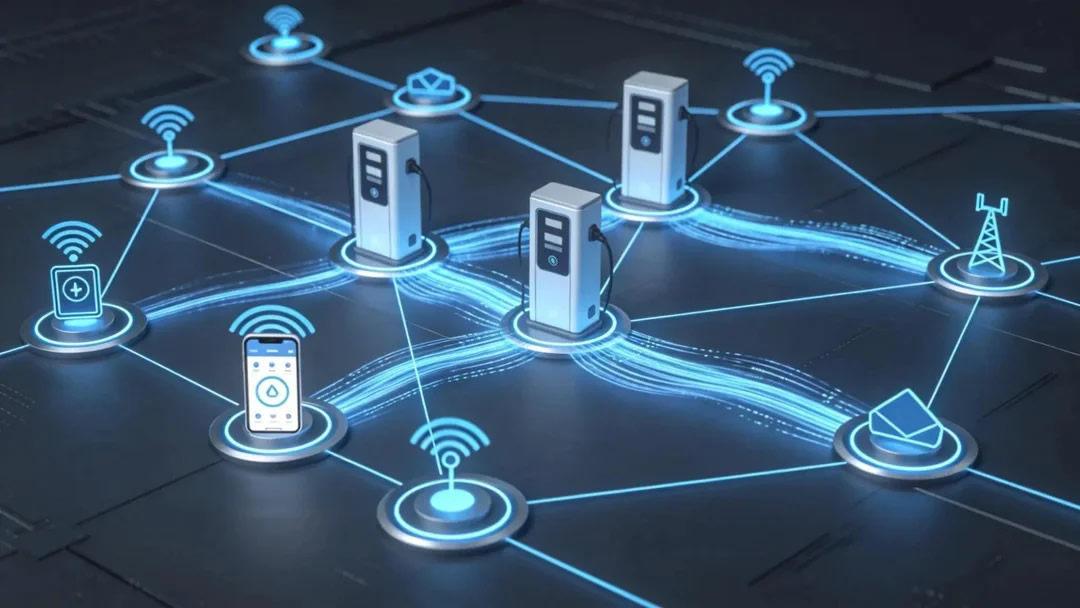
The evolution of EV charging is moving toward platform-based systems.
In this model:
- Stations are nodes
- Networks are the structure
- Platforms are the control layer
Value flows through the connections—not just the nodes themselves.
The Real Source of Value
So where does the real value lie?
Not in how many stations exist,
but in how they are connected, managed, and optimized.
The Final Insight
The future of EV charging will not be defined by isolated infrastructure.
It will be defined by intelligent, integrated networks.
Because in the end:
a single station can serve a location—
but a network can serve an entire ecosystem.
 April 21, 2026