As EV adoption accelerates, one challenge is becoming increasingly clear:
Can the power grid handle it?
Charging millions of electric vehicles is not just a mobility issue—it is an energy problem.
And solving this problem requires more than just building more charging stations.
It requires a new infrastructure model.
The Hidden Pressure on the Grid
Fast-charging stations consume a significant amount of electricity.
When multiple vehicles charge simultaneously—especially during peak hours—the demand can put serious stress on local power grids.
This leads to several challenges:
- Grid overload risks
- High electricity costs during peak demand
- Limited capacity for new charging installations
In many areas, the grid was not designed for this level of demand.
Energy Storage as the Missing Piece
This is where energy storage enters the picture.
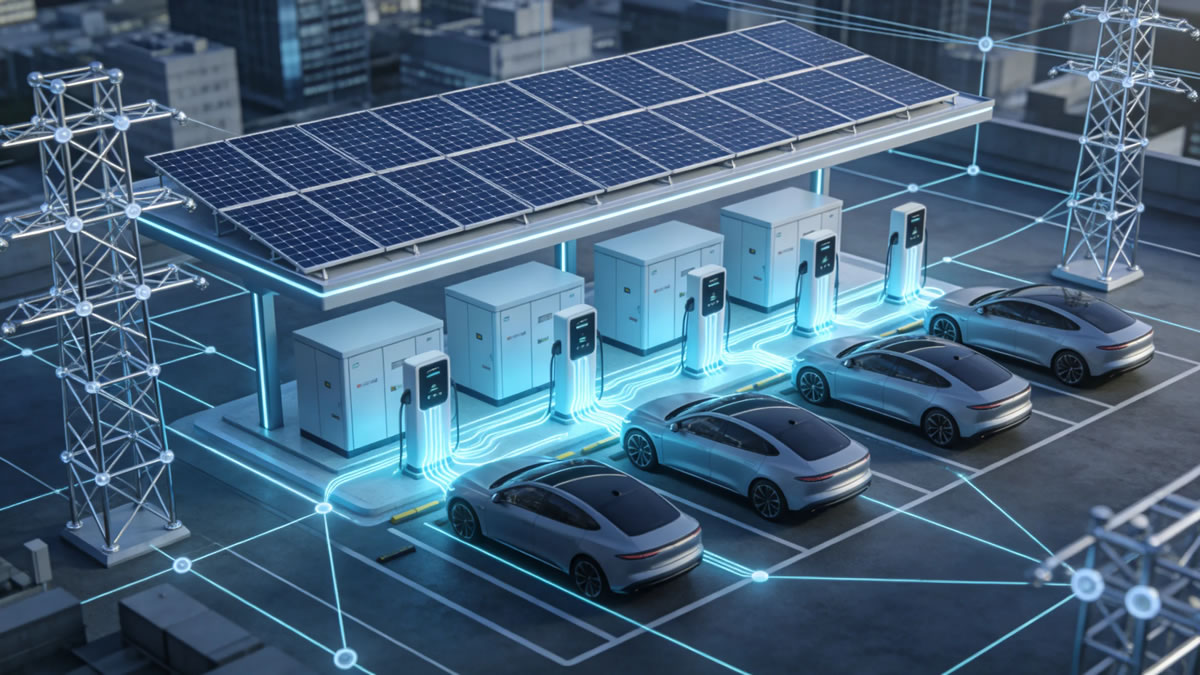
By integrating battery storage systems with charging stations, operators can:
- Store energy during low-demand periods
- Release energy during peak charging times
- Reduce pressure on the grid
- Improve overall system stability
In simple terms, energy storage acts as a buffer between the grid and the charger.
From Passive Consumption to Active Management
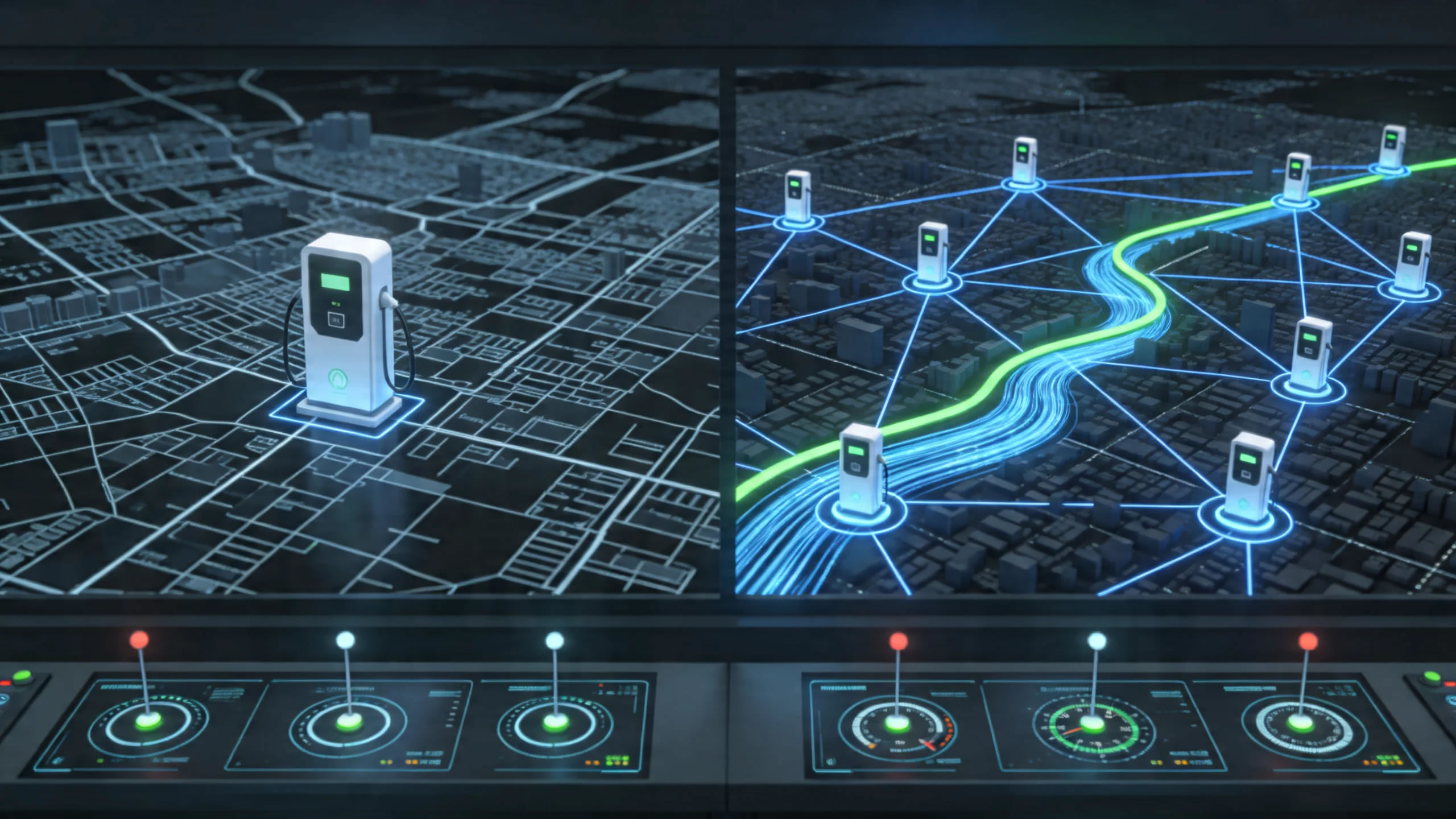
Traditional charging stations are passive—they draw power directly from the grid when needed.
But with storage integration, they become active energy systems.
They can:
- Optimize when and how energy is used
- Balance supply and demand
- Respond to real-time conditions
This transforms charging infrastructure into a dynamic part of the energy network.
Enabling Renewable Energy Integration
Energy storage also plays a critical role in supporting renewable energy.
Solar and wind power are inherently variable—they do not produce energy consistently throughout the day.
By combining:
- Solar generation
- Battery storage
- EV charging
operators can create more stable and efficient systems.
This not only reduces reliance on traditional power sources but also improves sustainability.
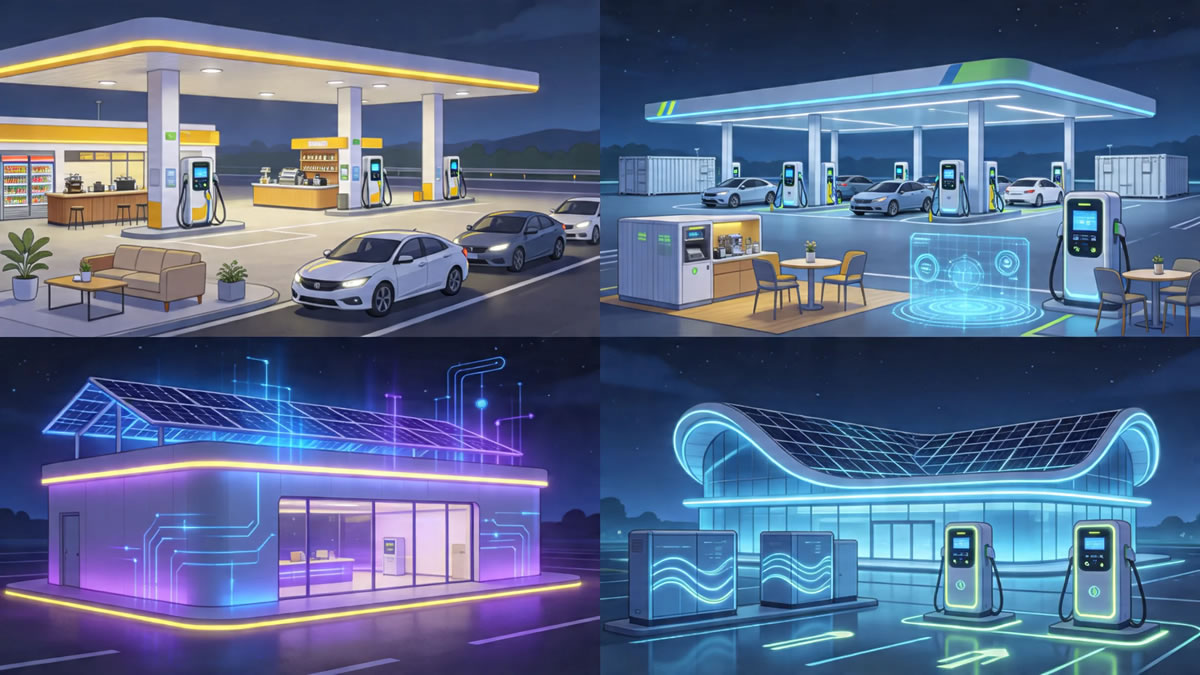
A New Type of Charging Station
The charging stations of the future will look very different.
Instead of being simple power outlets, they may include:
- Integrated battery systems
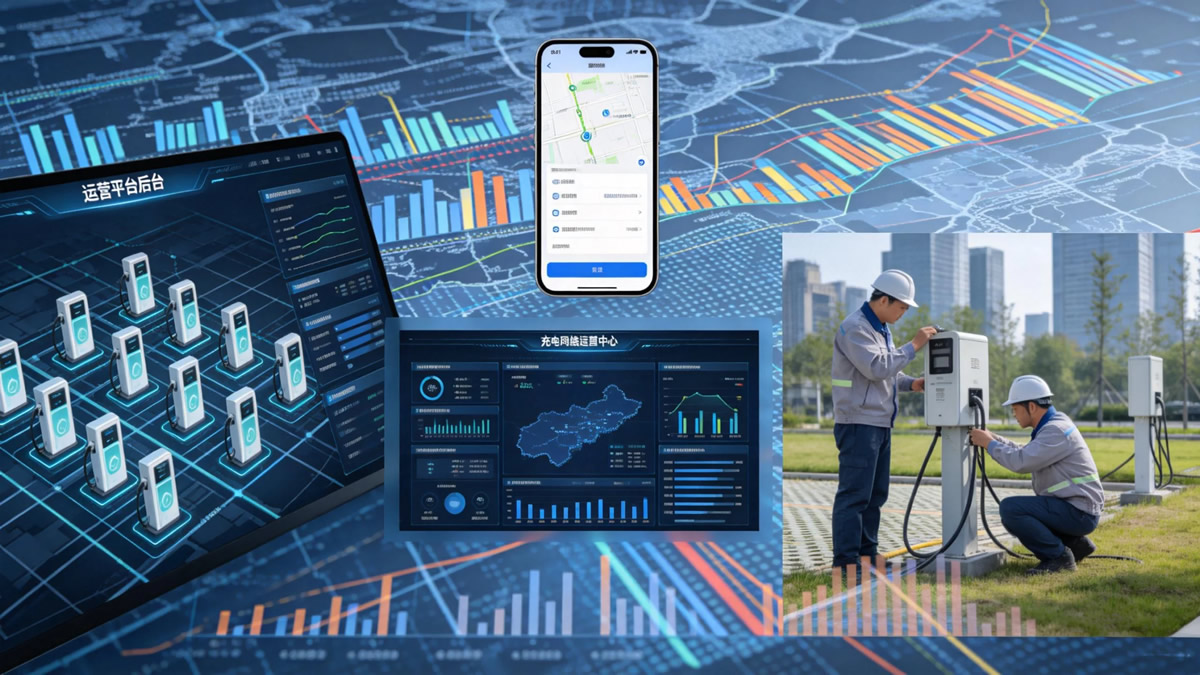
- Smart energy management software
- Connections to renewable sources
- Real-time optimization capabilities
These stations are no longer just part of the mobility system—they are part of the energy infrastructure.
Economic and Operational Advantages
Beyond technical benefits, this model also creates economic advantages.
Operators can:
- Reduce electricity costs by avoiding peak pricing
- Improve utilization efficiency
- Increase system reliability
- Unlock new value streams from energy management
Over time, this can significantly enhance the sustainability of charging networks.
From Charging Networks to Energy Networks
The integration of storage marks a fundamental shift.
Charging networks are no longer just about delivering electricity to vehicles.
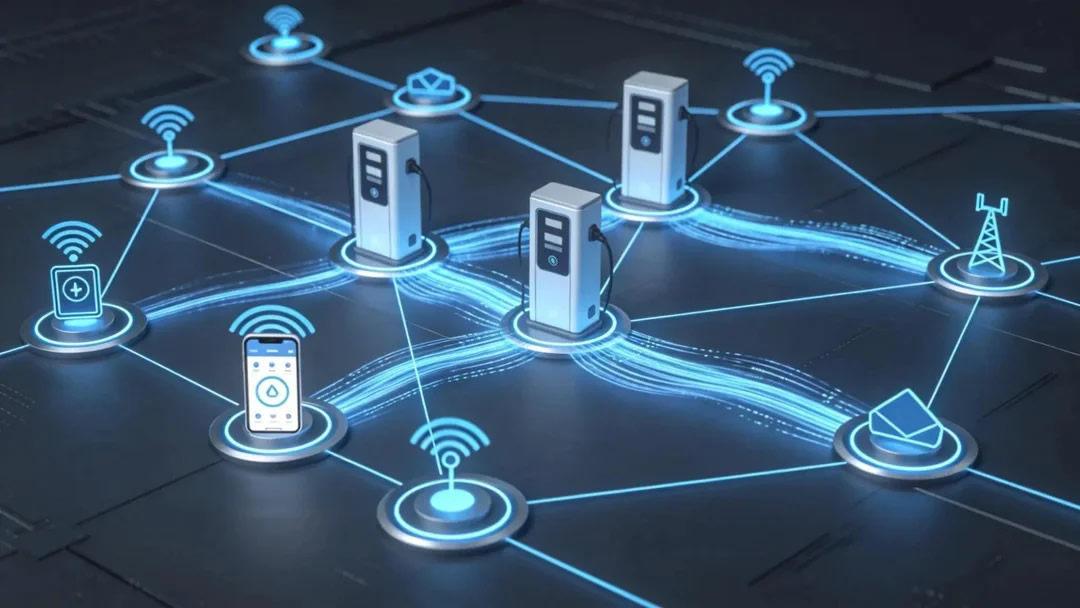
They are becoming distributed energy systems.
This means:
- Energy flows in multiple directions
- Infrastructure becomes more flexible
- Systems become more resilient
The Beginning of a New Infrastructure Model
We are still in the early stages of this transformation.
But the direction is clear.
Charging + storage is not just an upgrade—it is a new foundation.
The Bigger Vision
In the long term, EV charging infrastructure may evolve into a key component of a larger energy ecosystem—one that connects:
- Vehicles
- Buildings
- Power grids
- Renewable sources
The Final Insight
The future of EV charging is not just about faster chargers or more stations.
It is about building smarter, more adaptive systems.
Because in the next phase of the industry,
those who can manage energy—not just deliver it—will define the future.
 April 24, 2026