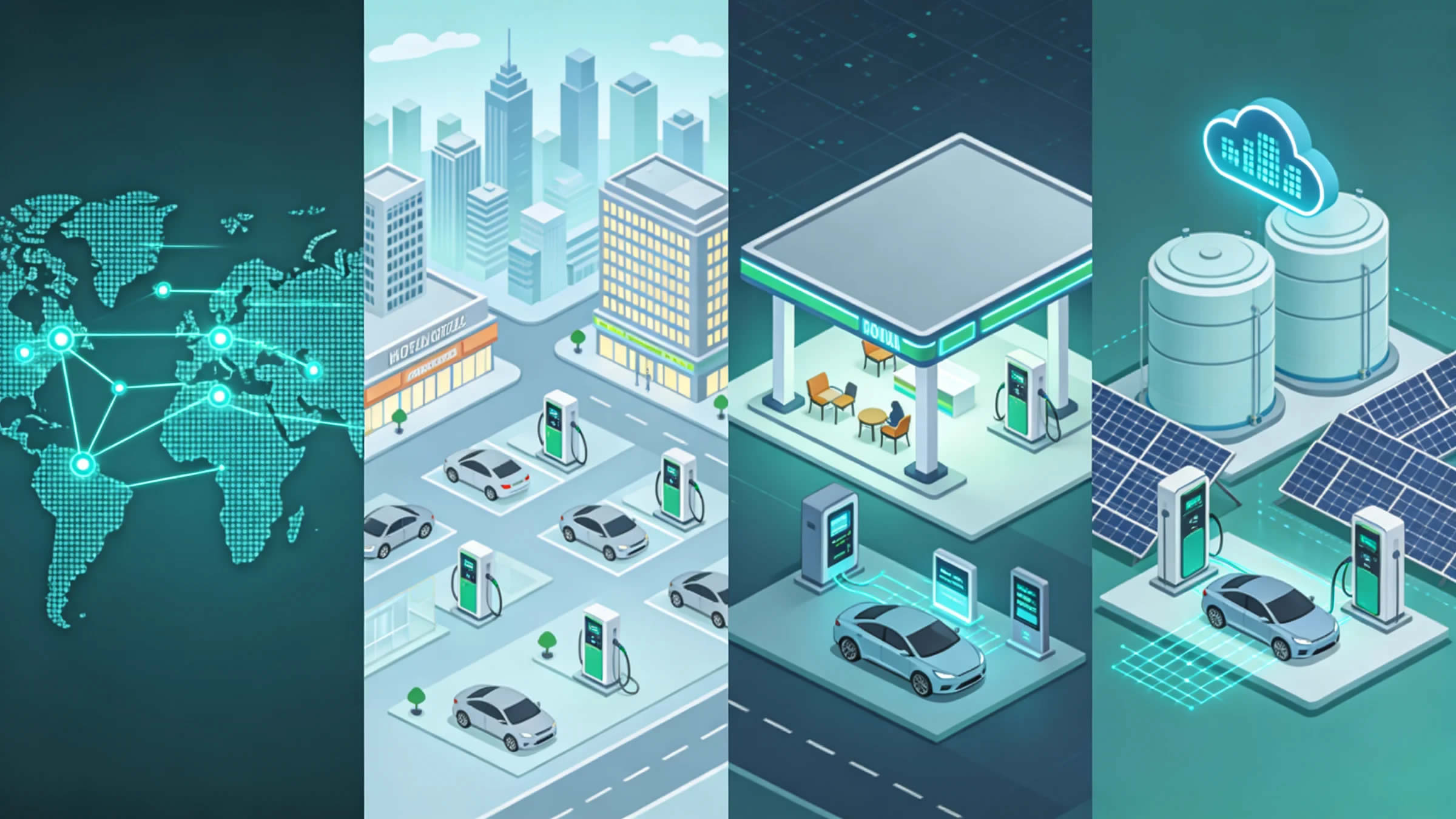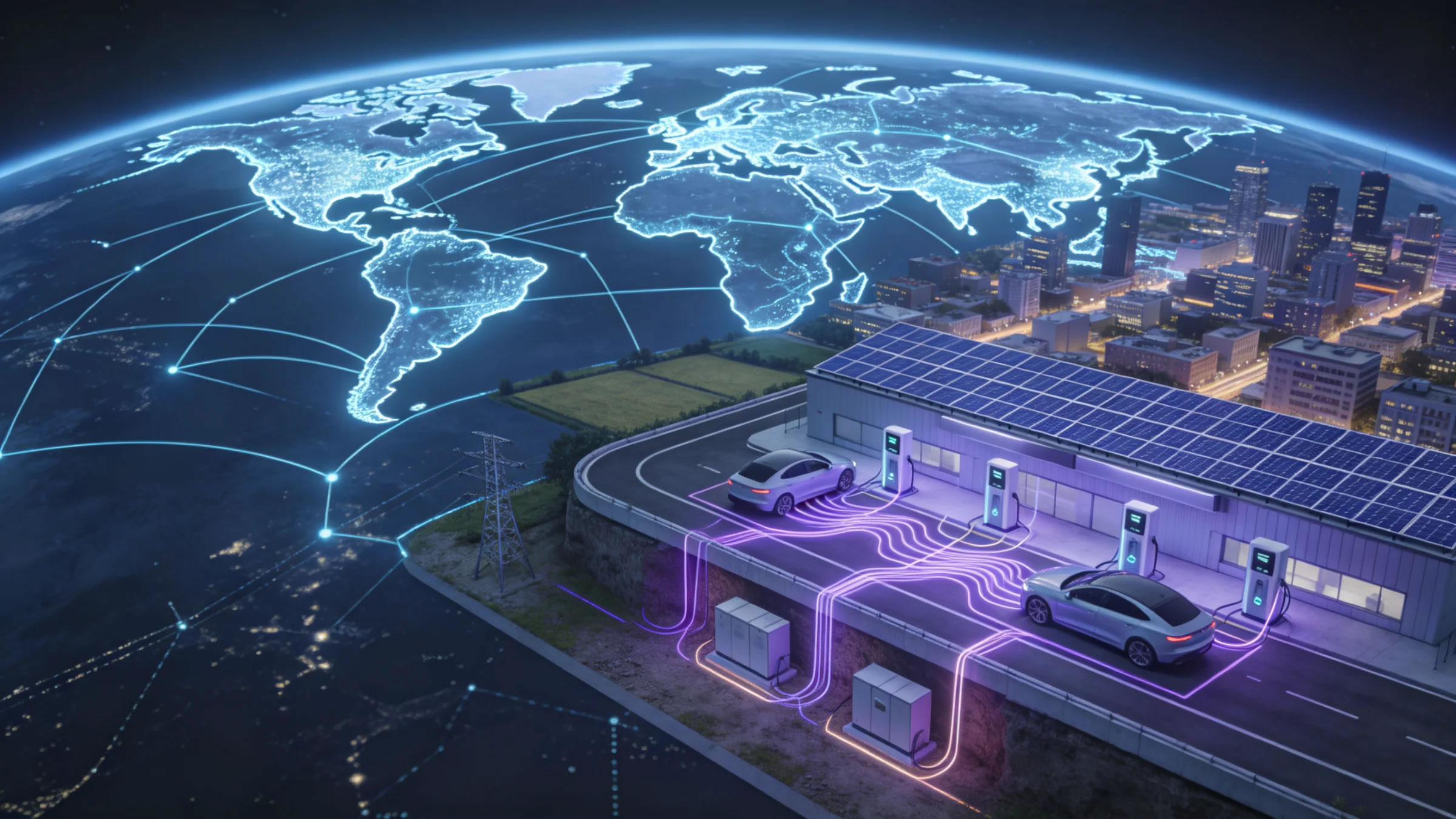
The global electric vehicle transition is no longer a prediction.
It is already happening.
Governments are accelerating electrification policies, automakers are increasing EV production, and consumers are adapting to a new mobility ecosystem faster than expected.
But while the world focuses on electric vehicles, another race is unfolding in the background:
The race to build charging infrastructure.
And globally, the map is far from balanced.
The First Movers
Countries such as China, the United States, and several European nations moved early in building large-scale charging networks.
Massive investments, policy support, and urban development helped accelerate infrastructure deployment.
In many major cities, charging stations are already becoming part of daily life.
But maturity brings competition.
As markets become saturated, expansion becomes more expensive, operational costs rise, and dominant players become harder to challenge.
The Infrastructure Gap
Outside of the most developed EV regions, a very different reality exists.
Many fast-growing markets still face:
- Limited charging coverage
- Uneven infrastructure distribution
- Growing EV demand with insufficient support
This creates a critical imbalance.
Vehicle adoption may accelerate faster than charging availability.
And when demand grows faster than infrastructure, opportunity emerges.
Why Emerging Markets Matter
Emerging markets are entering the EV era at a different stage.
Instead of slowly upgrading existing systems, many regions have the chance to build modern charging networks from the ground up.
This creates several advantages:
- Lower infrastructure saturation
- Faster growth potential
- More flexibility in deployment
- Less dominance from legacy operators
In many cases, the network is still open to builders.
Latin America: A Region to Watch
Among emerging regions, Latin America is attracting increasing attention.
Urban populations continue to grow.
Electric mobility adoption is gradually expanding.
Governments are beginning to support cleaner transportation initiatives.
Yet charging infrastructure in many areas remains limited.
This combination—rising demand with low infrastructure density—creates a unique environment for long-term growth.
The region is not fully built yet.
Which means the next phase is still being shaped.
Infrastructure Defines the Future
In every major technological shift, infrastructure determines speed, scale, and accessibility.
Without roads, cars cannot expand.
Without networks, digital economies cannot operate.
The EV industry follows the same logic.
Charging infrastructure is not just supporting mobility.
It is defining how the entire ecosystem grows.
The Network Is Still Being Built
The global charging map is incomplete.
Some regions are mature.
Some are crowded.
And some are only beginning.
But history often rewards those who recognize infrastructure transitions before they become obvious.
Because once the network is fully established,
the biggest positions are already taken.
 May 7, 2026