When most people think about the electric vehicle revolution, they picture sleek cars, advanced batteries, and global automakers competing for dominance. But beneath the surface, a far more critical battle is unfolding—one that will define the future of energy distribution.
This is not just about cars.
This is about control over electricity itself.
Charging Stations: More Than Just Equipment
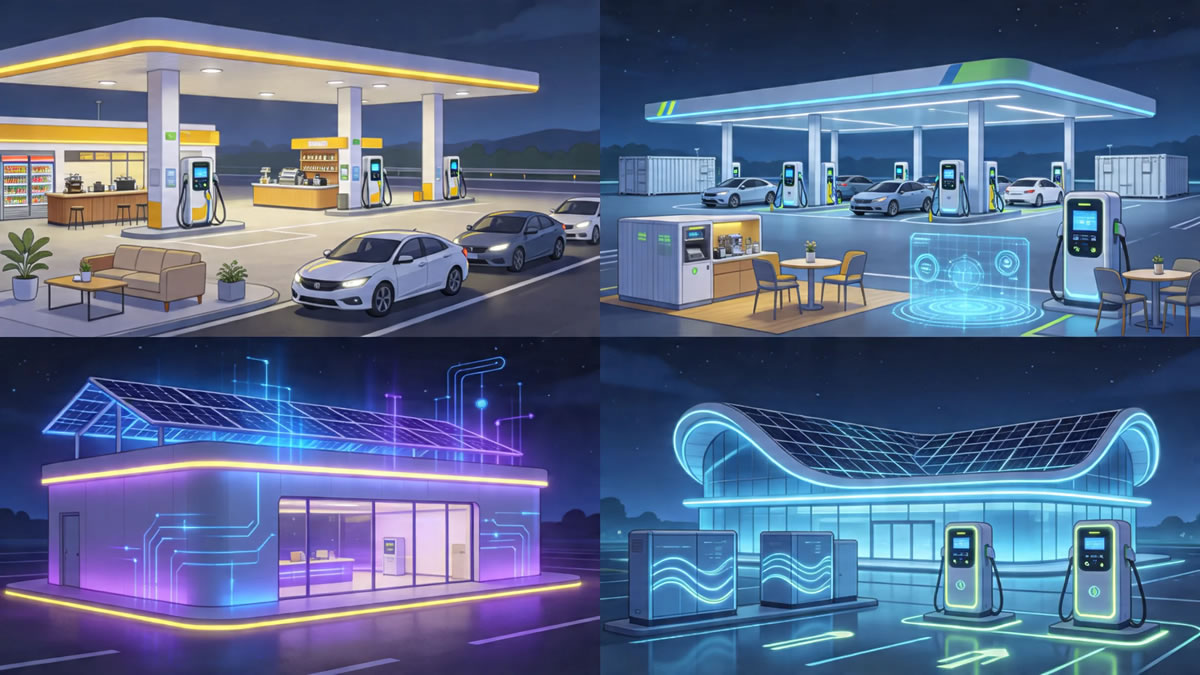
Charging stations are often misunderstood as simple hardware. In reality, they are the entry points to a new kind of infrastructure—an interconnected energy network that will power the next generation of transportation, cities, and digital economies.
Just as the internet created value through access points, and payment systems reshaped commerce through transaction gateways, EV charging stations are becoming the gateways of energy.
Whoever controls these gateways doesn’t just sell electricity—they control access, data, and long-term revenue streams.
From Fuel Stations to Energy Networks
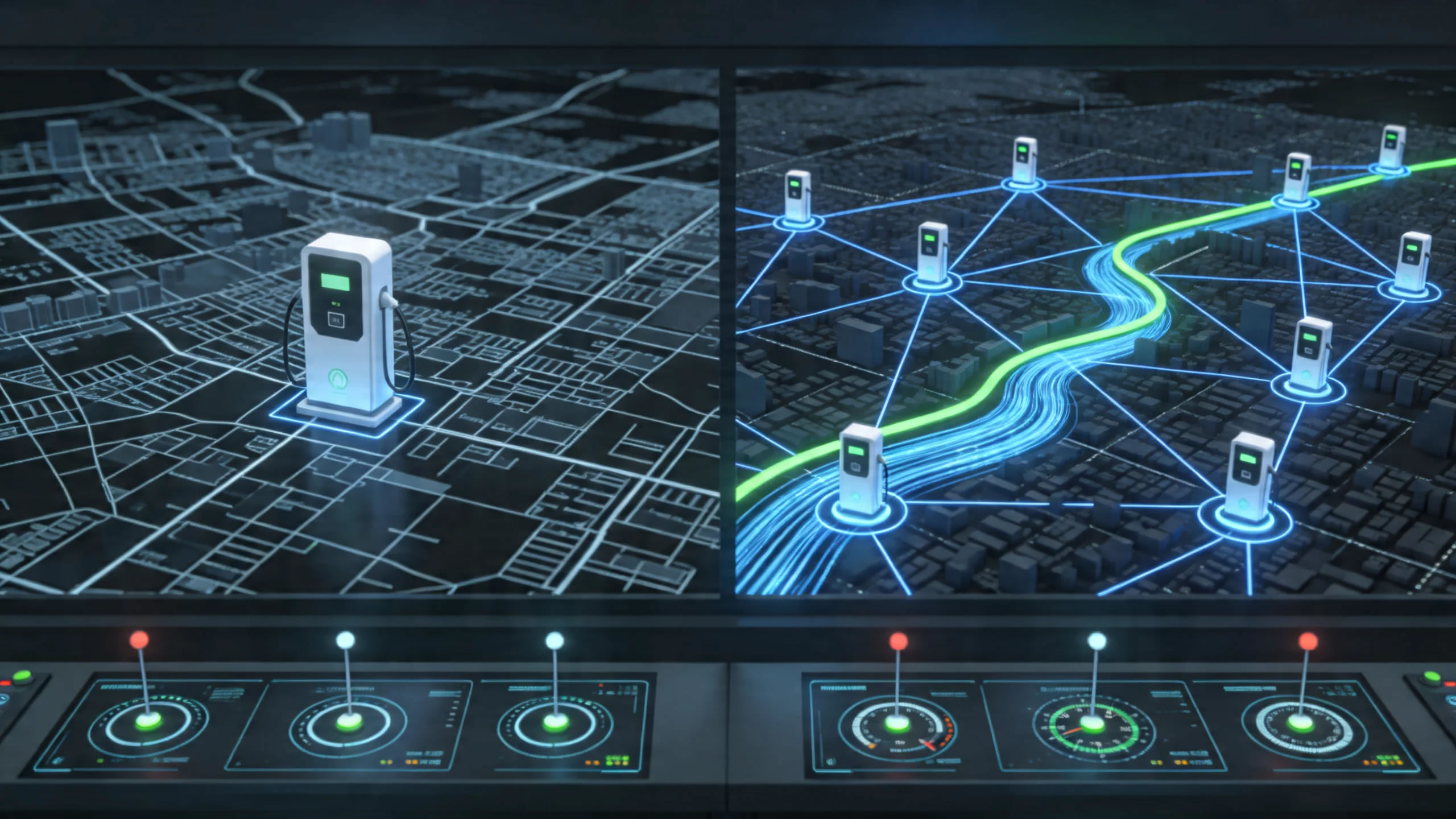
Traditional gas stations operate in a centralized, linear model: fuel is produced, transported, and sold. The system is rigid and limited.
EV charging changes everything.
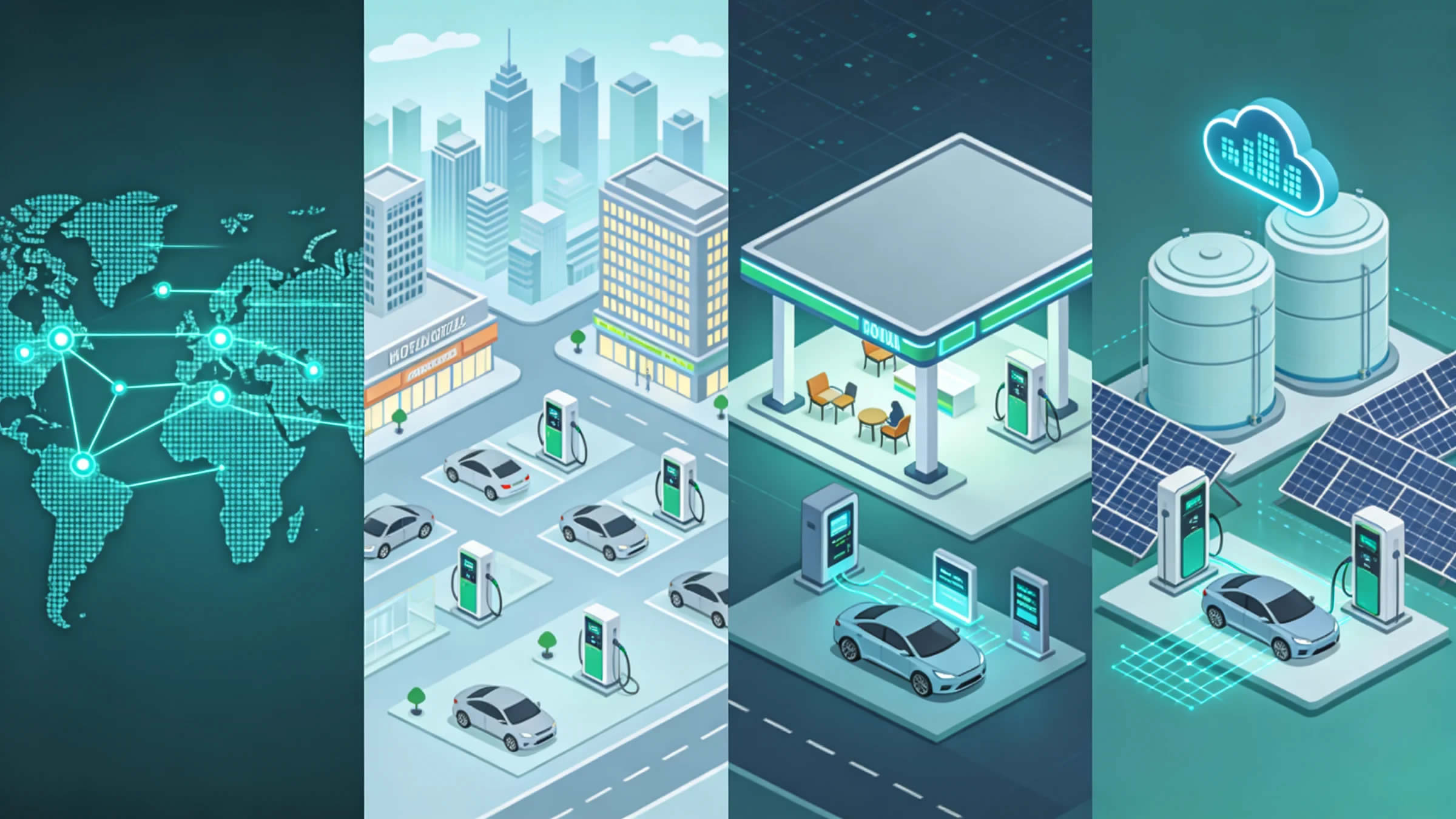
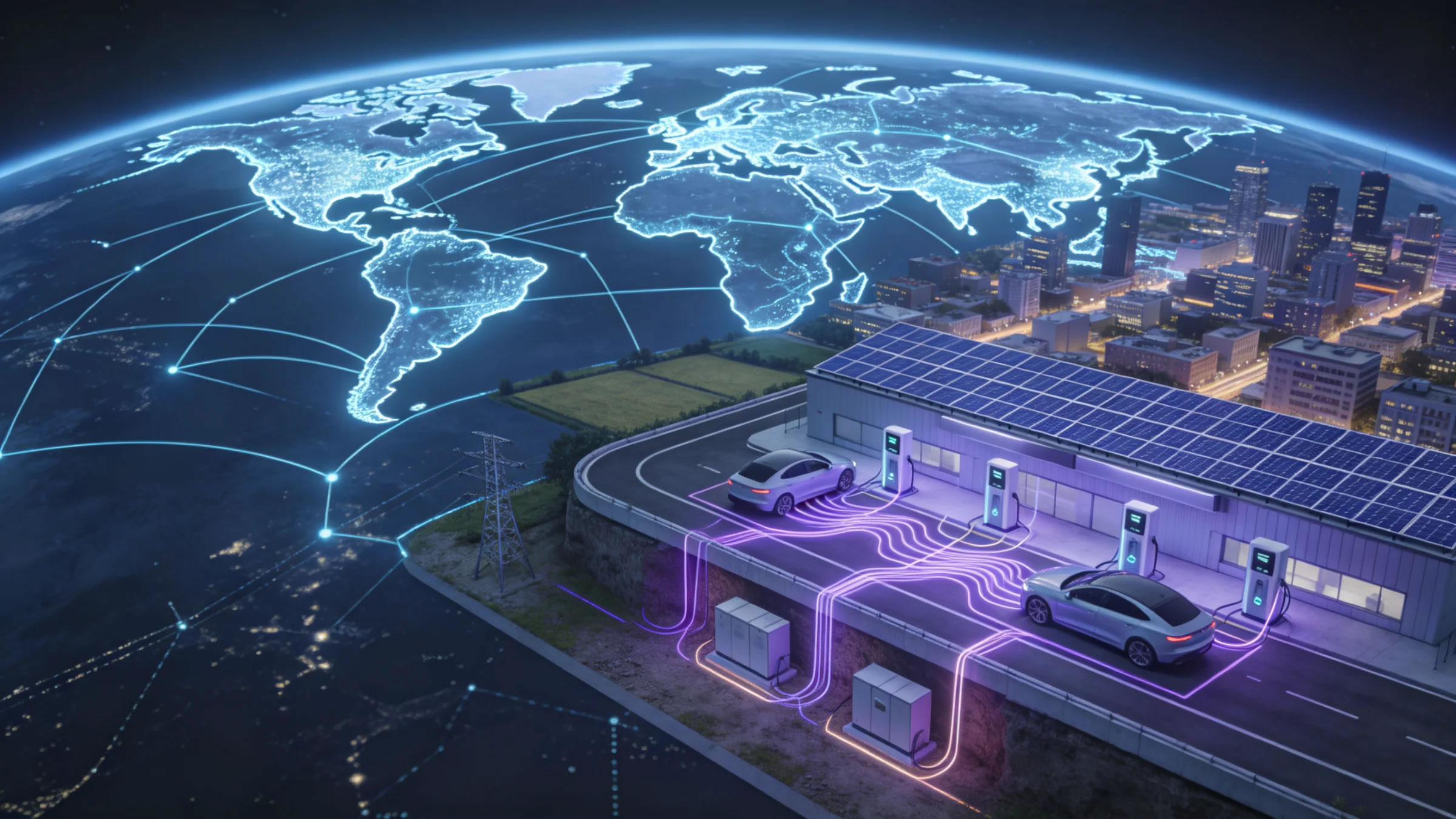
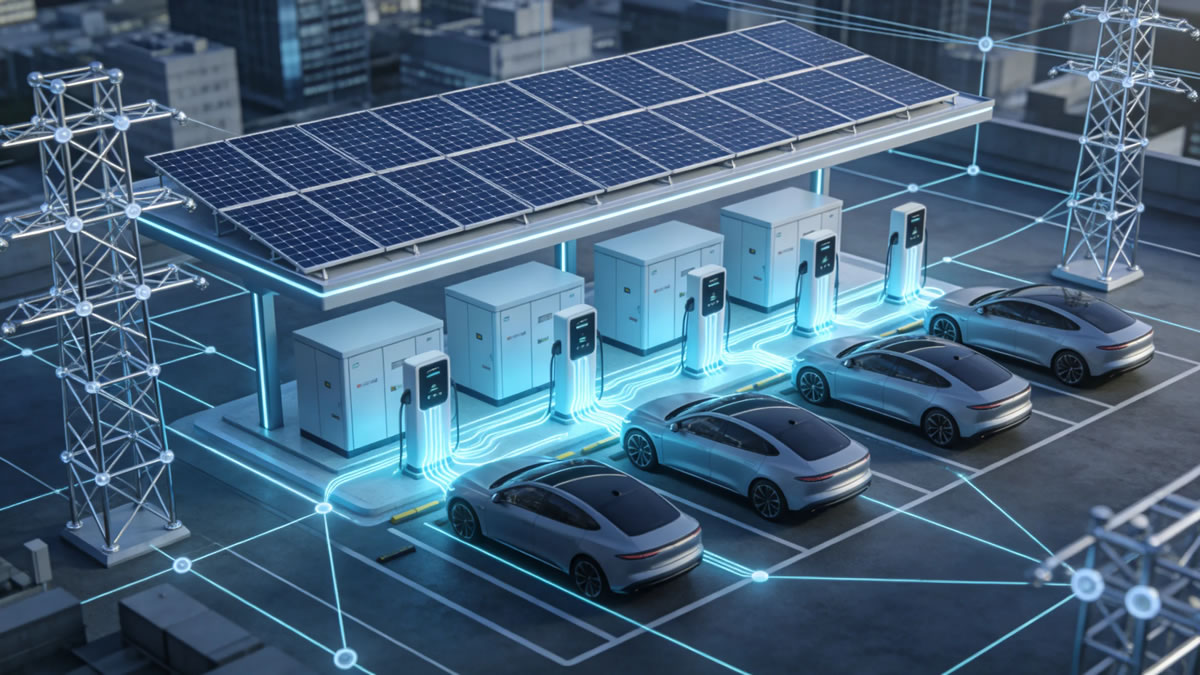
Energy can now be generated from multiple sources—solar, wind, grid—and distributed across decentralized charging nodes. Homes, businesses, parking lots, and public areas can all become part of this network.
This marks the shift from fuel distribution to energy networking.
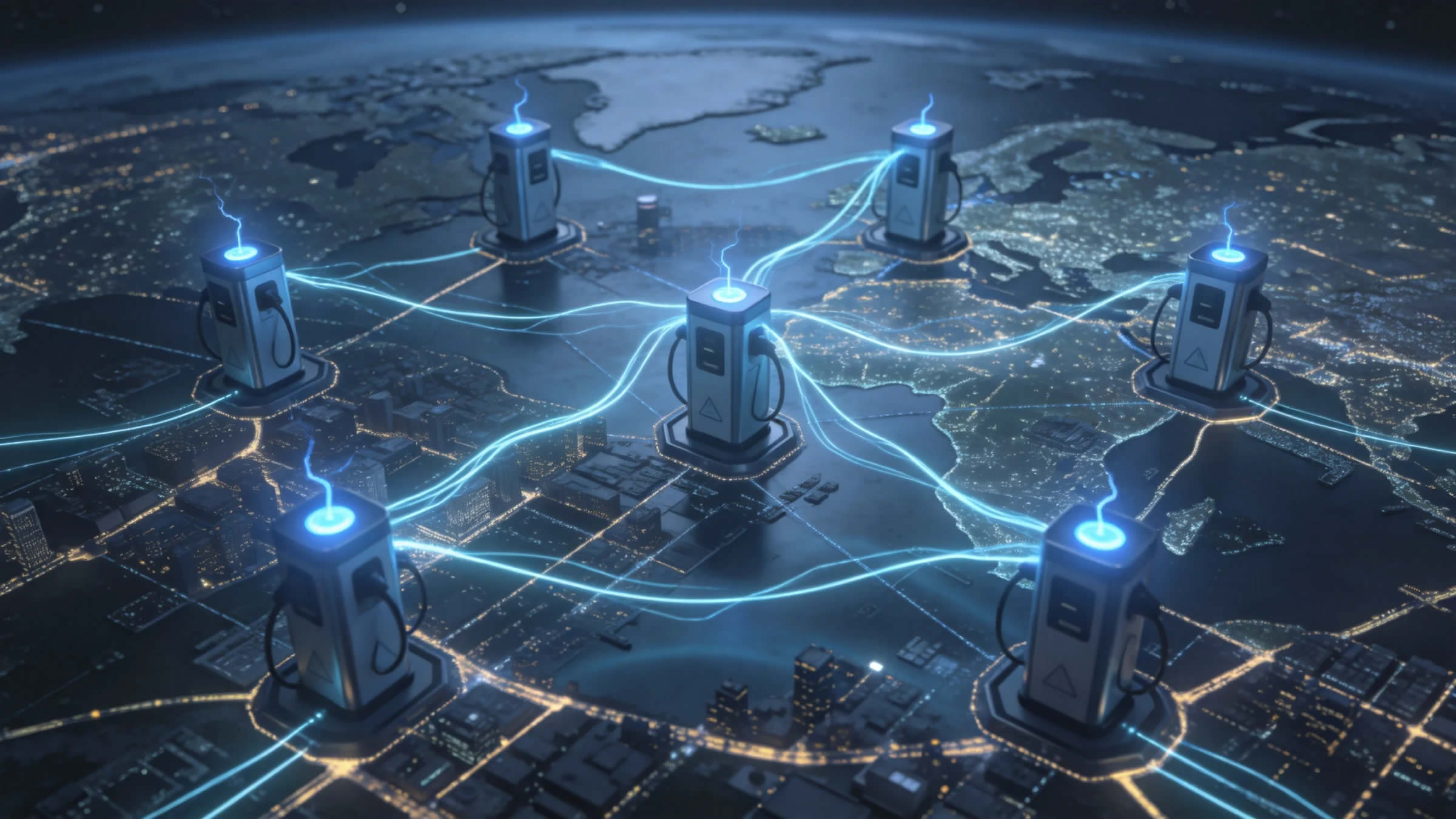
And in this new model, charging stations are no longer endpoints—they are nodes.
The Real Opportunity Behind EV Growth
The rapid growth of electric vehicles is only the visible layer. The real opportunity lies beneath—in the infrastructure that supports it.
History has shown us that in every major economic shift, the biggest winners are not always the product creators, but the infrastructure builders.
During the gold rush, it wasn’t the miners who consistently profited—it was those who sold the tools.
Today, EVs are the gold.
Charging networks are the tools.
A Global Race Just Getting Started
While regions like China, Europe, and the United States have already made significant progress in building charging infrastructure, many emerging markets remain vastly underserved.
This imbalance presents a unique opportunity.
In regions where infrastructure is still developing, the barriers to entry are lower, competition is limited, and growth potential is significantly higher.
The global charging network is far from complete.
In fact, it is only beginning.
The New Energy Gatekeepers
We are entering an era where energy access will define economic participation.
Charging stations are no longer just about powering vehicles—they are about powering ecosystems.
They connect users, manage energy flow, generate data, and create continuous revenue opportunities.
In the future, the question will not be:
“Who makes the best electric car?”
But rather:
“Who controls the network that powers them?”
 May 1, 2026