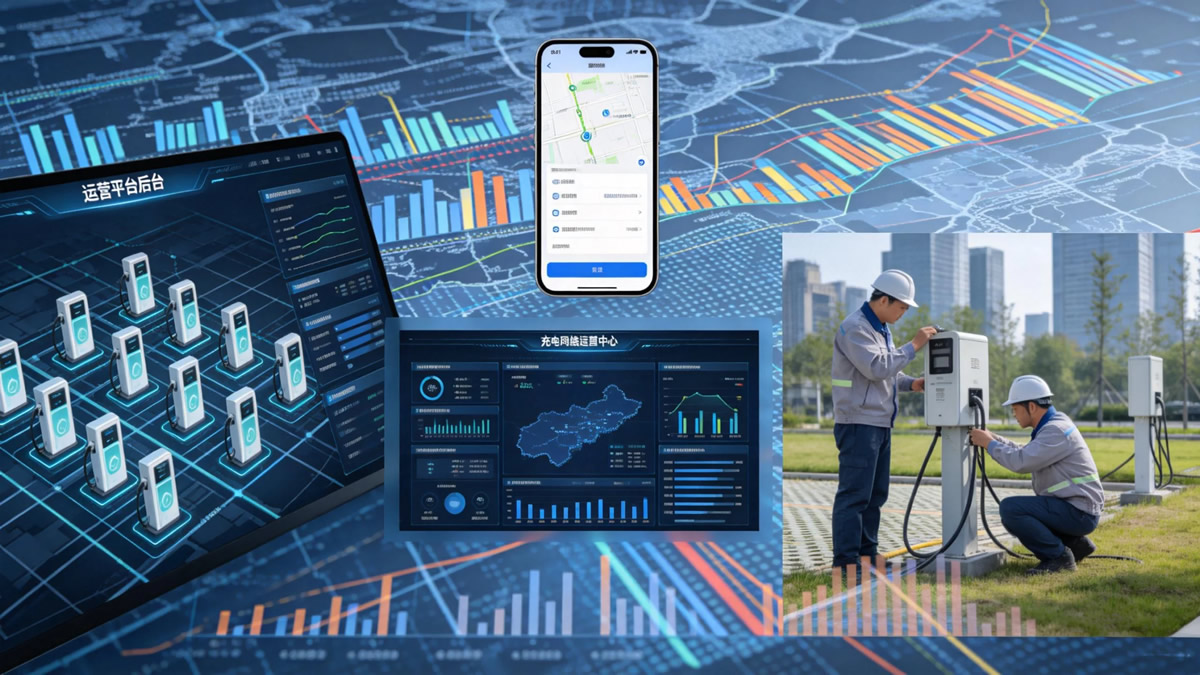
The EV charging industry is no longer in its early stage.
Infrastructure is expanding. Technologies are maturing. Markets are forming.
But the most important changes are still ahead.
Over the next 10 years, the industry will not just grow—it will transform.
Here are the key shifts that will define the future.
1. Charging Will Become Invisible
Today, charging is still a conscious action.
Drivers think about where to charge, when to charge, and how long it will take.
In the future, this will change.
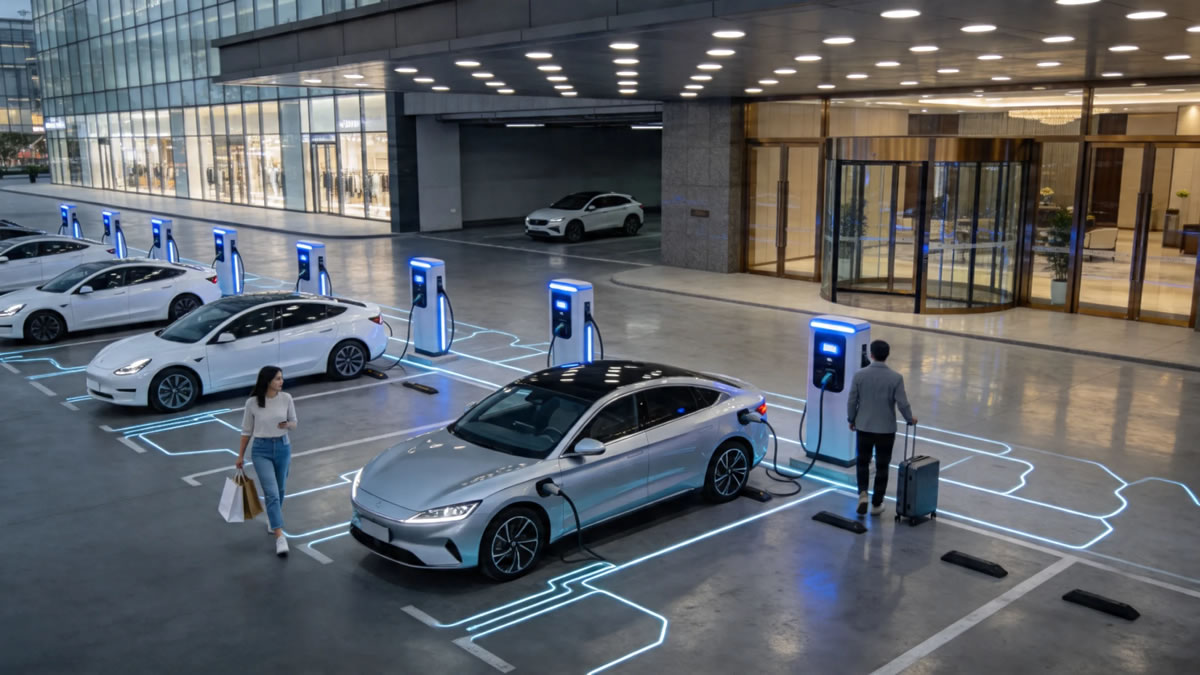
Charging will become embedded into daily life:
- At shopping centers
- At workplaces
- At hotels and residential areas
Eventually, users won’t “go to charge”—charging will happen automatically wherever they are.
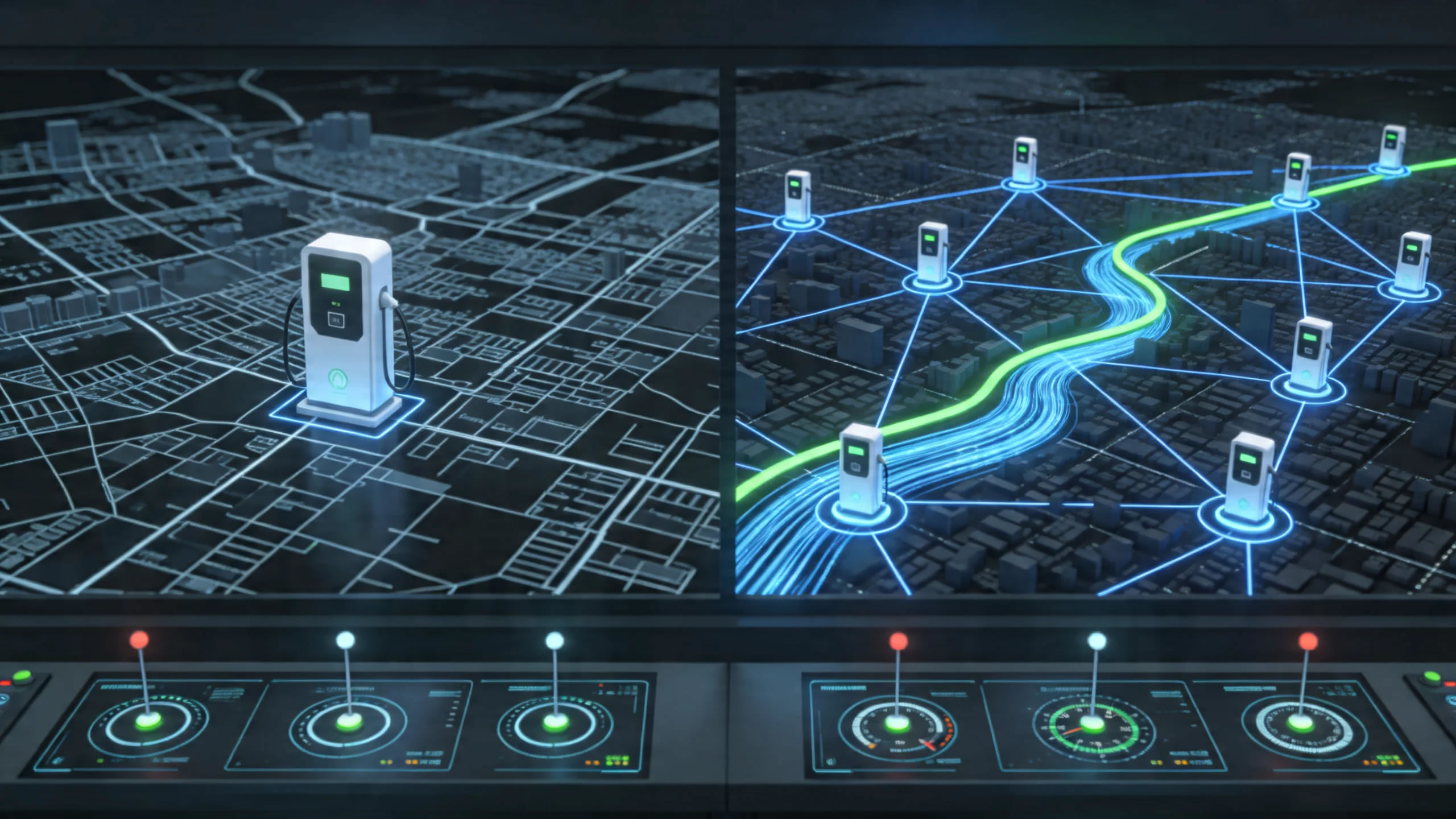
2. Networks Will Dominate Over Individual Stations
The value of isolated charging stations will continue to decline.
Instead, large-scale, interconnected networks will dominate the market.
Users will choose networks based on:
- Reliability
- Coverage
- User experience
In this environment, scale alone is not enough—integration and intelligence will define leaders.
3. Energy Management Will Overtake Hardware
The industry focus will shift from equipment to energy.
Operators will compete on their ability to:
- Balance electricity demand
- Integrate renewable energy
- Optimize energy distribution
Charging companies will increasingly look like energy companies.
4. Ultra-Fast Charging Will Expand—But Not Everywhere
Charging speeds will continue to improve.
Ultra-fast charging technologies will reduce waiting times significantly.
However, they will not replace all other forms of charging.
Instead, the future will be a mix:
- Fast charging for transit and highways
- Slower charging integrated into daily locations
Different scenarios will require different solutions.
5. New Players Will Redefine the Industry
The competitive landscape will evolve.
Beyond traditional energy companies and manufacturers, new players will emerge:
- Technology platforms
- Real estate developers
- Retail chains
- Data-driven operators
These players bring different capabilities—and different ways of thinking.
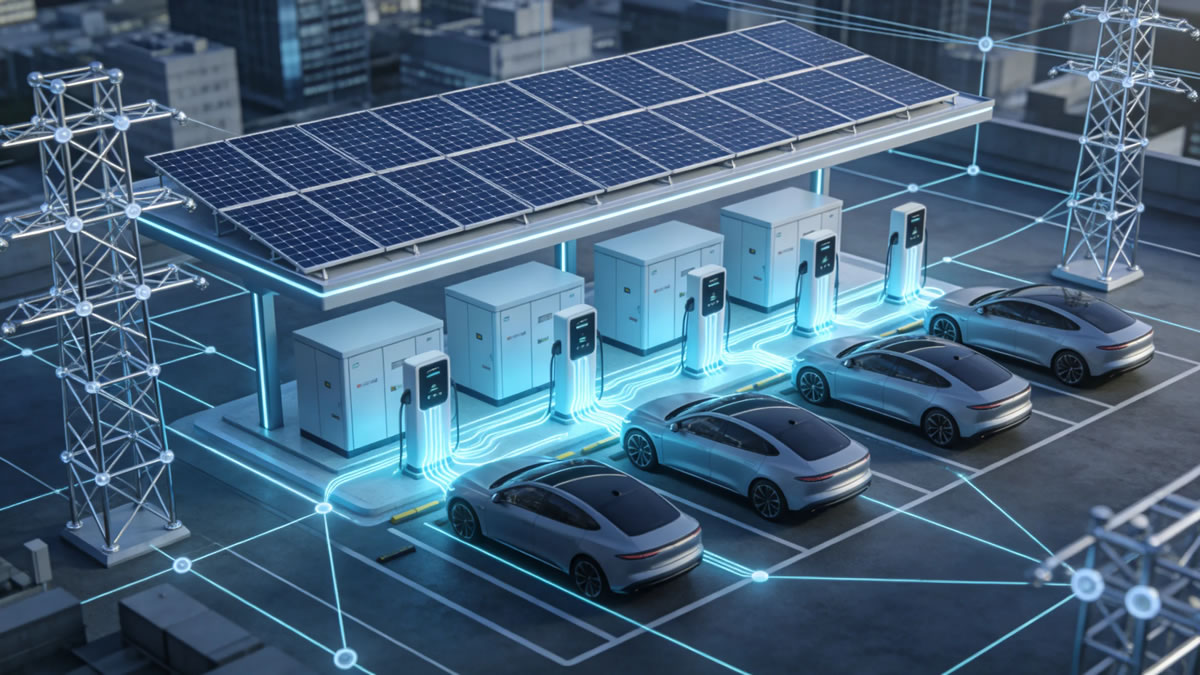
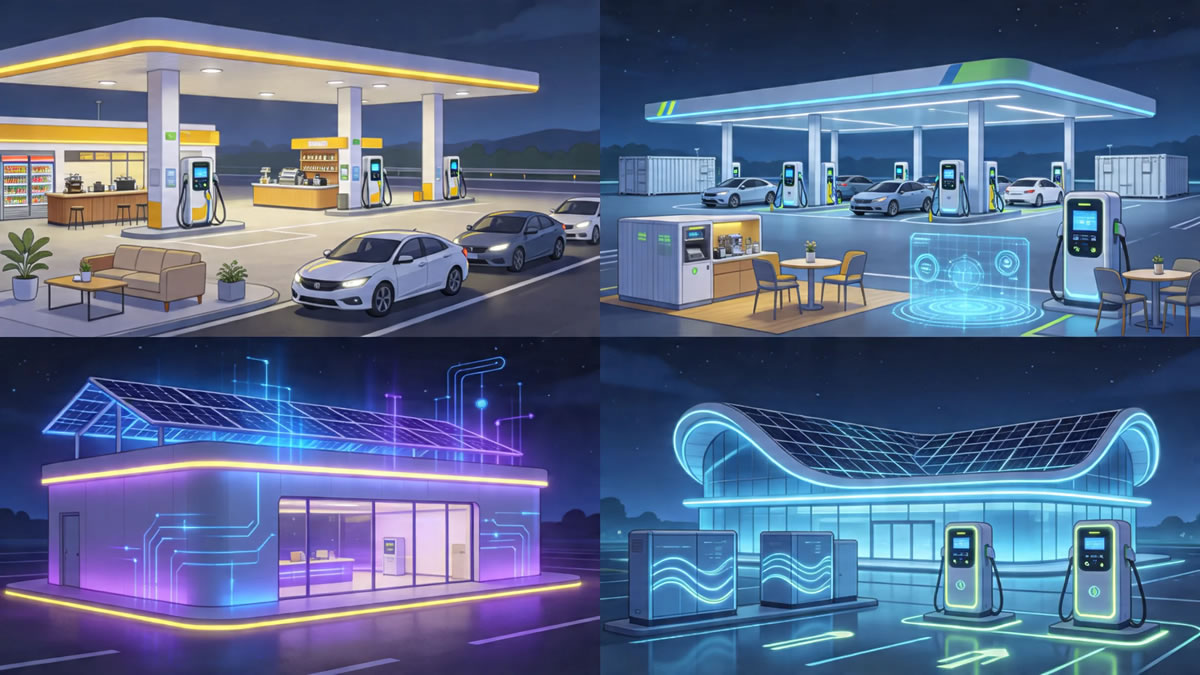
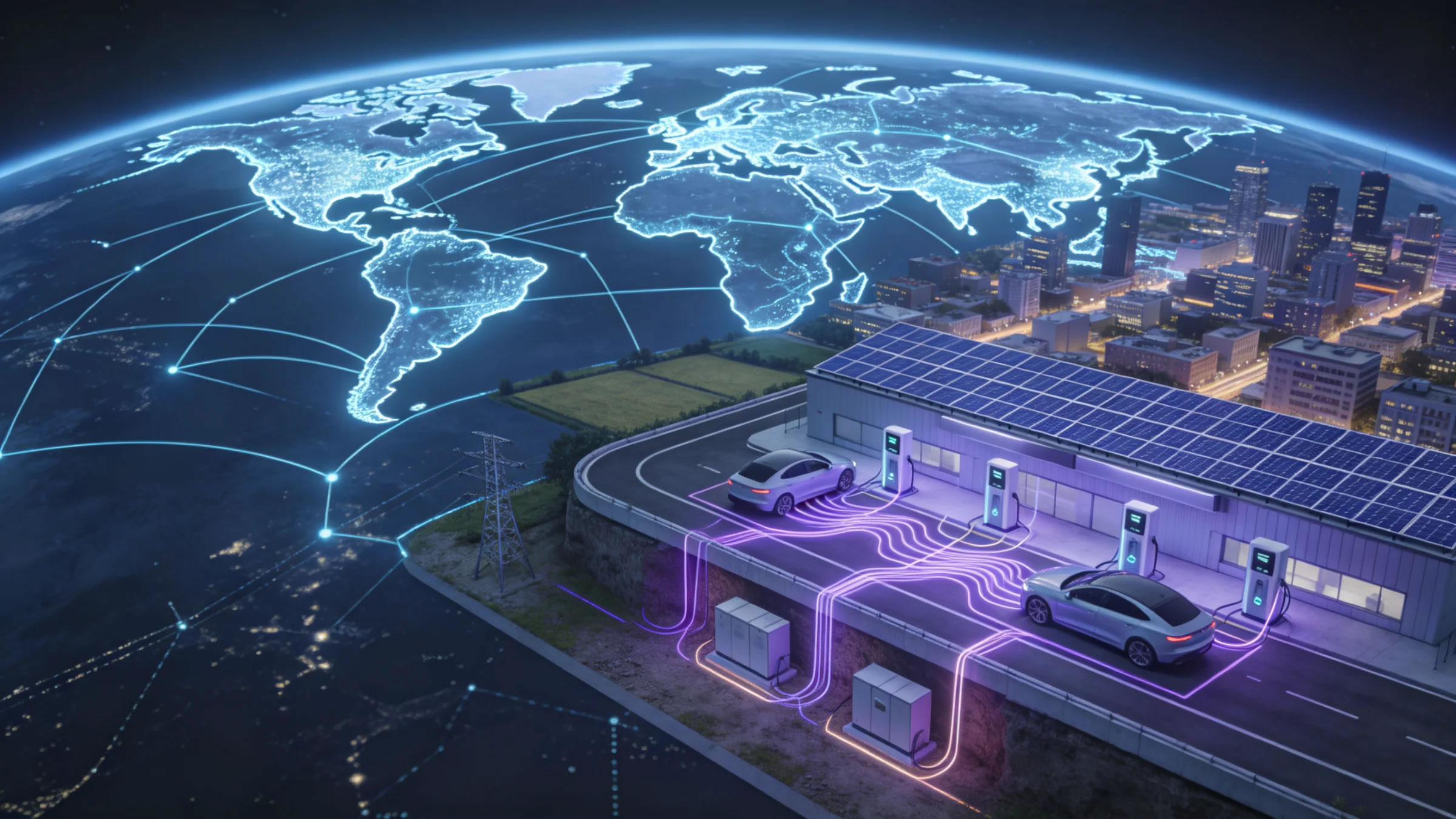
6. Charging Stations Will Become Energy Hubs
Charging infrastructure will integrate:
- Energy storage
- Renewable generation
- Smart grid interaction
Stations will no longer be endpoints—they will become active nodes in a distributed energy system.
7. User Experience Will Be a Key Differentiator
In a mature market, technology alone is not enough.
Users will expect:
- Seamless access
- Transparent pricing
- Reliable availability
- Integrated digital services
The companies that win will be those that deliver consistent, frictionless experiences.
8. Emerging Markets Will Drive Growth
While mature markets will stabilize, the fastest growth will come from emerging regions:
- Southeast Asia
- Latin America
- Middle East
These regions will shape the next phase of global expansion.
9. The Industry Will Consolidate
As competition intensifies, not all players will survive.
The market will likely consolidate around:
- Large networks
- Strong operators
- Integrated platforms
Smaller, fragmented players may struggle to compete.
10. Charging Will Become Core Infrastructure
Ultimately, EV charging will become as essential as:
- Roads
- Telecommunications
- Power grids
It will no longer be seen as a “new industry”—but as a fundamental part of modern life.
The Final Perspective
The next decade will not just determine how we charge vehicles.
It will define how energy, mobility, and infrastructure come together.
And the biggest winners will not simply follow the trend—
they will help shape the system itself.
 April 27, 2026