For over a century, the global energy system has followed a simple model: centralized production, controlled distribution, and fixed points of sale.
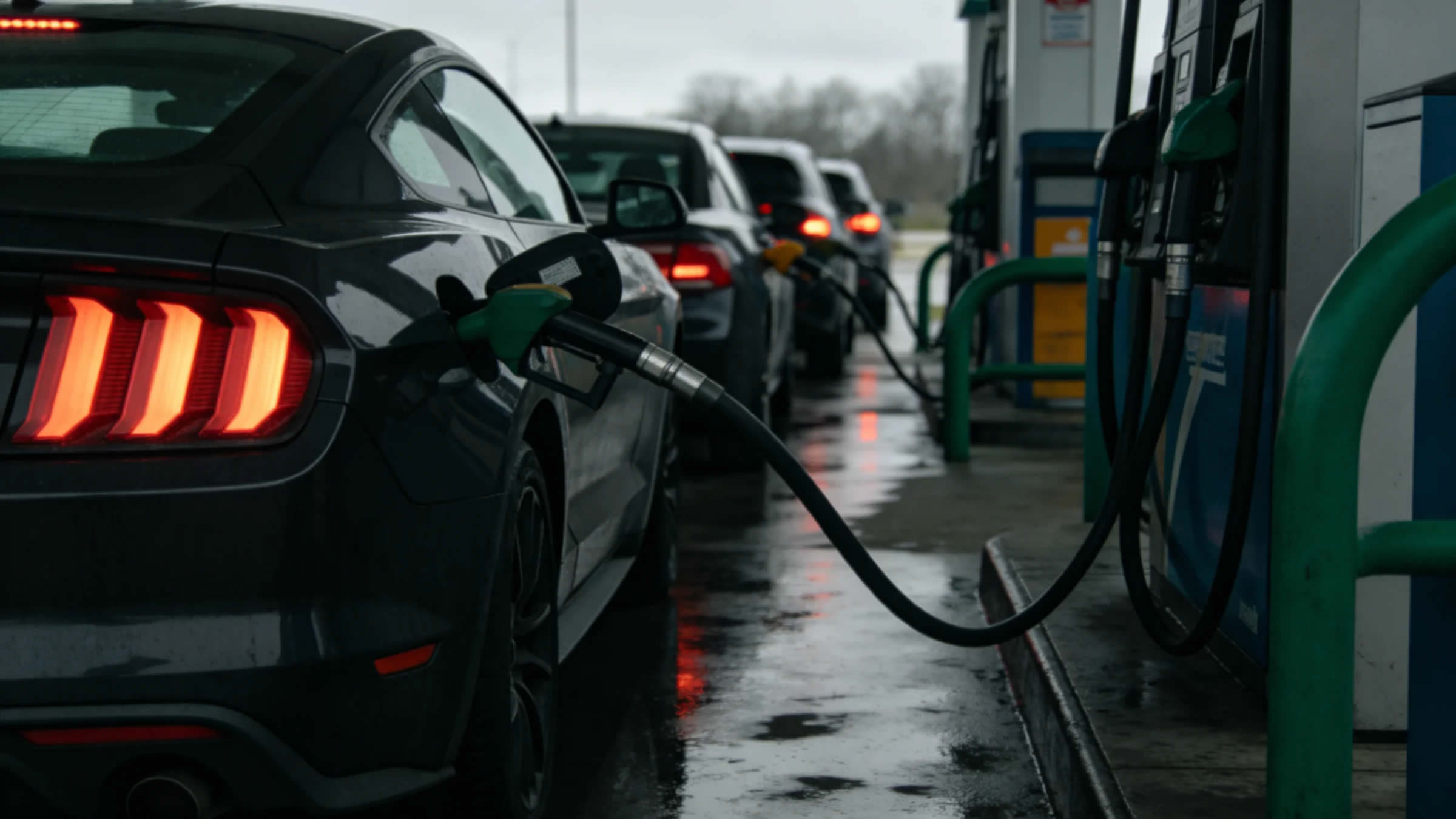
Gas stations became the final step in that chain—predictable, standardized, and limited.
But the rise of electric vehicles is quietly dismantling this model.
What comes next is not just an upgrade.
It is a complete transformation.
The End of Centralized Fuel Logic
Traditional fuel infrastructure depends on a linear supply chain. Oil is extracted, refined, transported, and ultimately delivered to centralized stations.
This system is efficient—but rigid.
Electric energy, however, behaves differently.
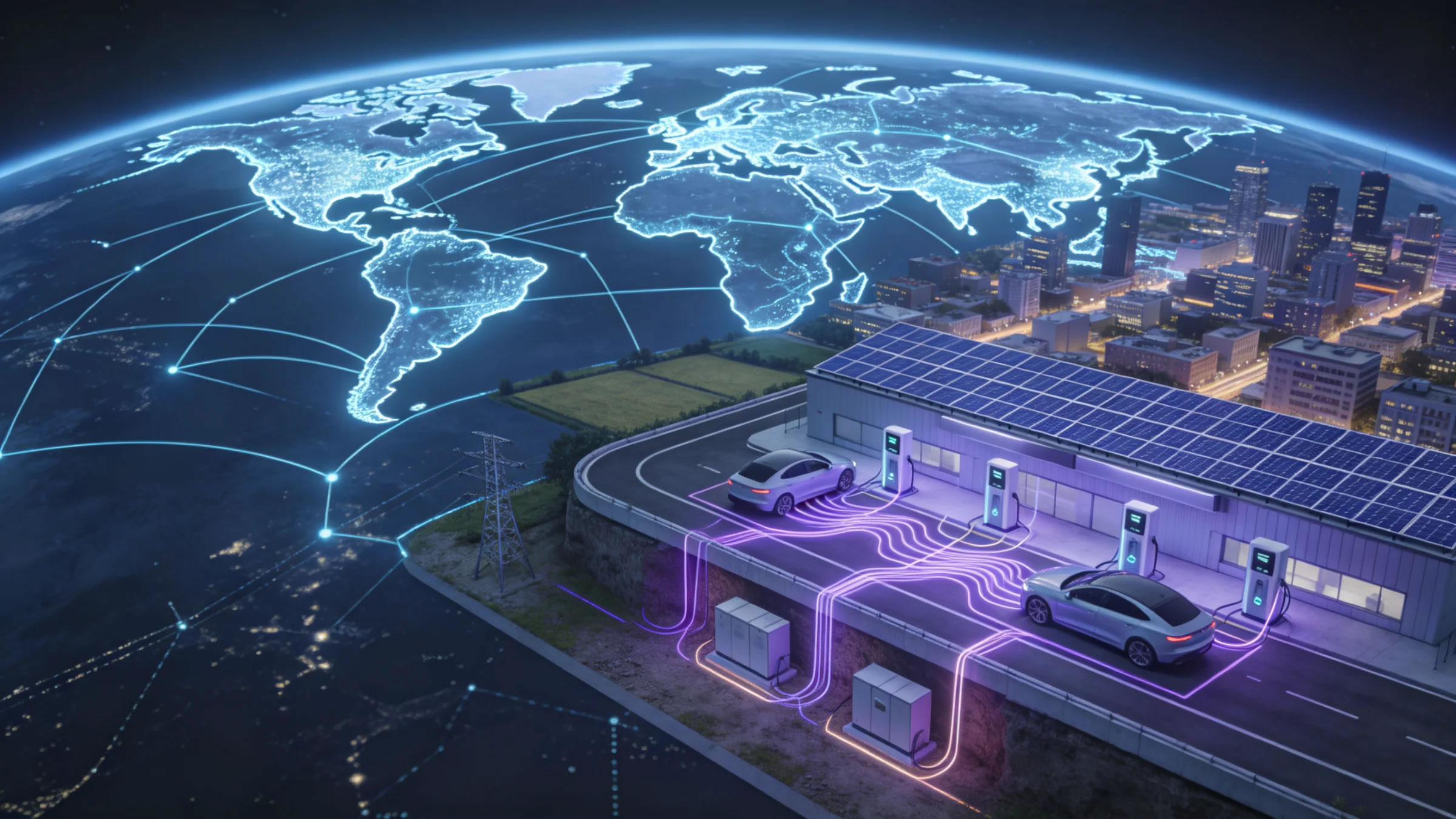
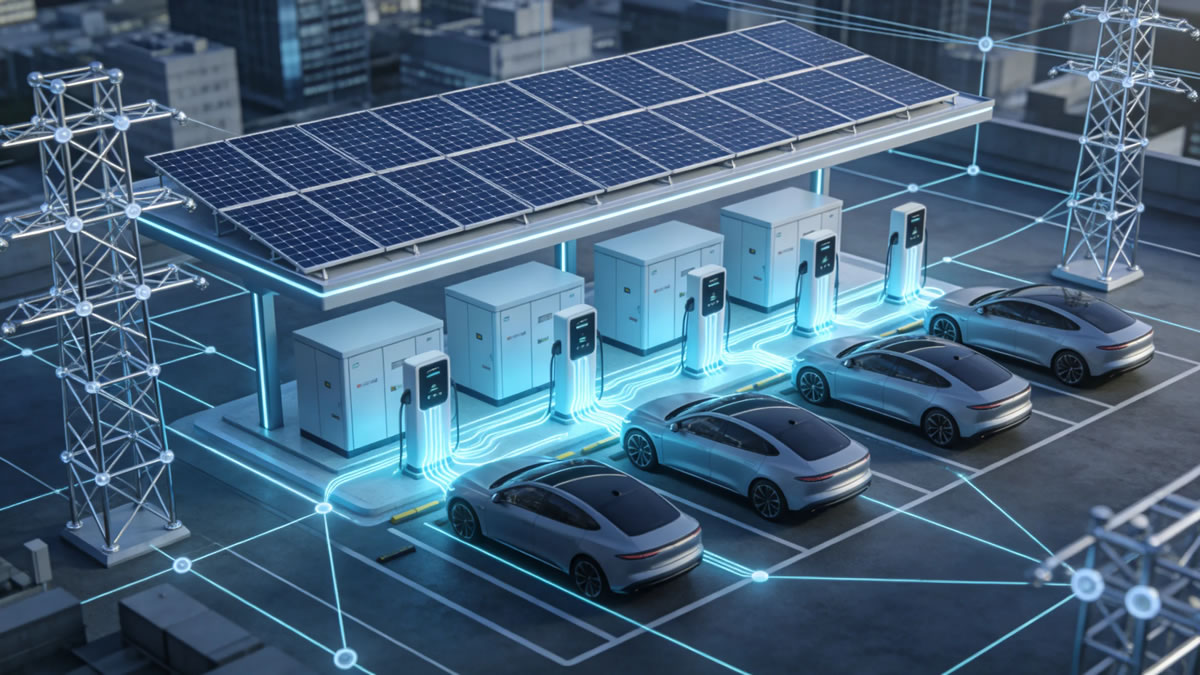
It can be generated from multiple sources, stored locally, and distributed dynamically. Solar panels on rooftops, batteries in buildings, and smart grids all contribute to a more flexible energy ecosystem.
This fundamentally breaks the logic of centralized fuel systems.
Charging Anywhere Becomes the New Normal
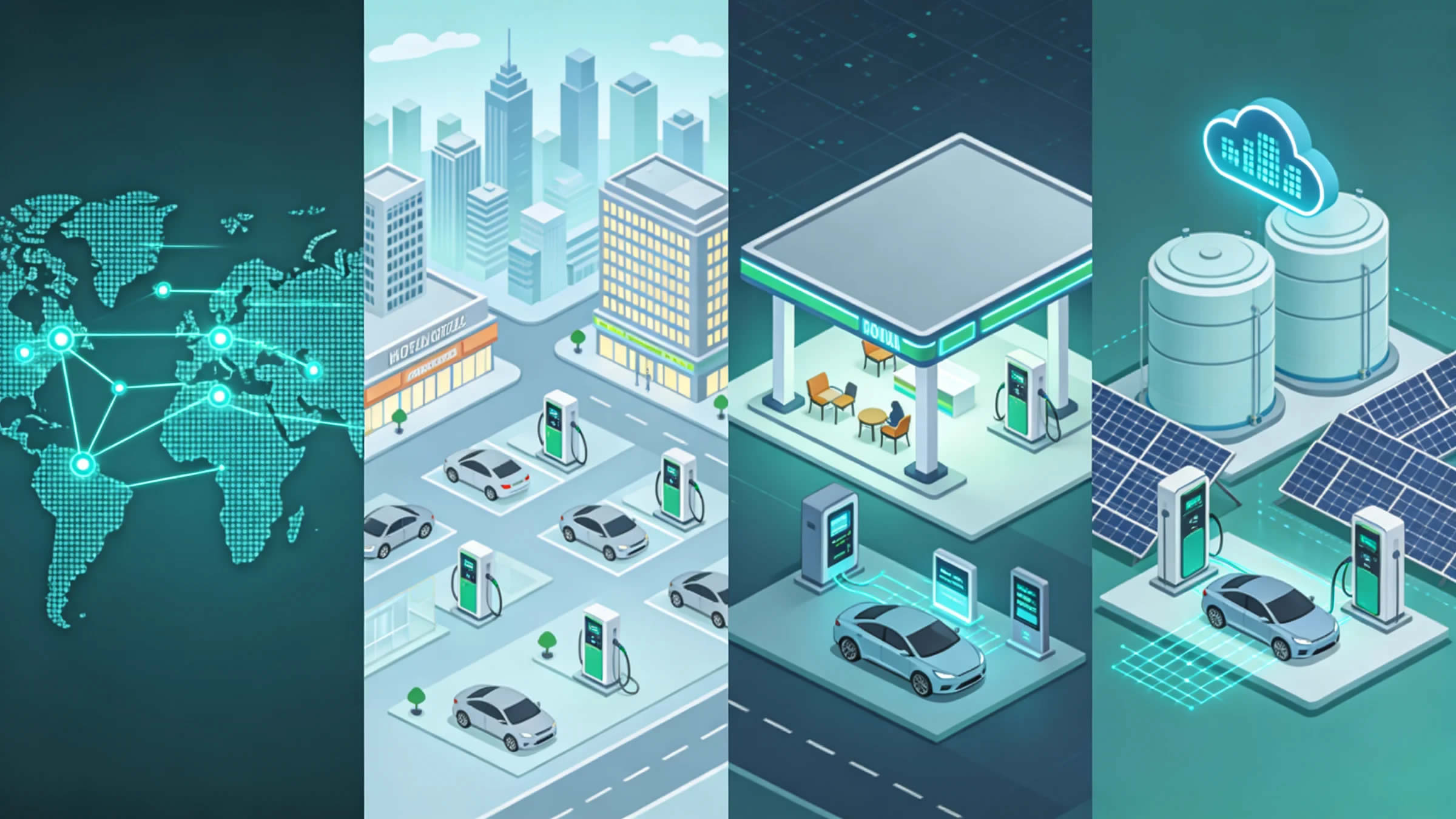
In the emerging model, charging is no longer confined to specific locations.
It happens:
- At home
- At workplaces
- In shopping centers
- In parking structures
- Along highways
Every location with access to electricity can potentially become a charging point.
This transforms charging stations from “destinations” into “embedded infrastructure.”
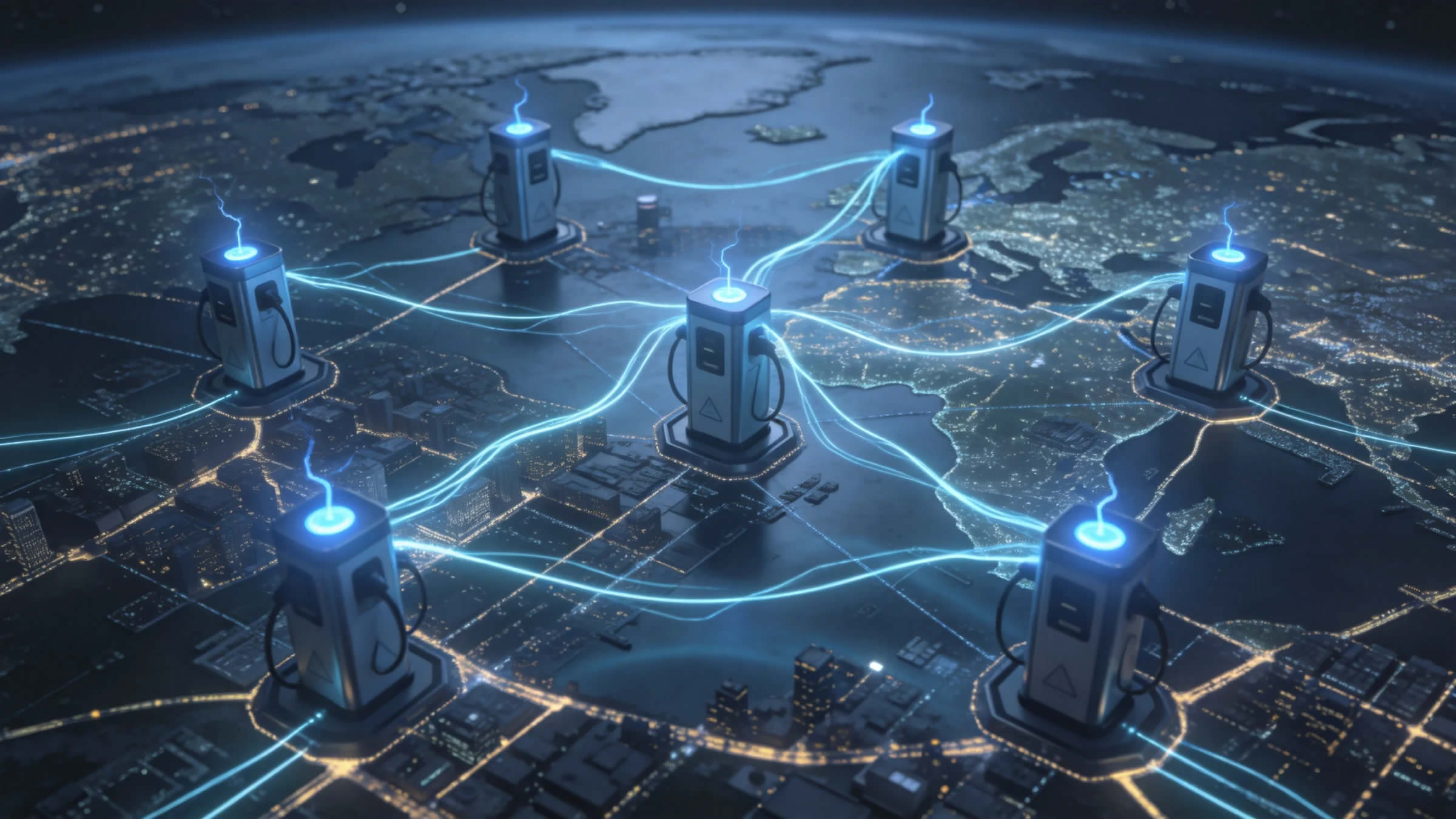
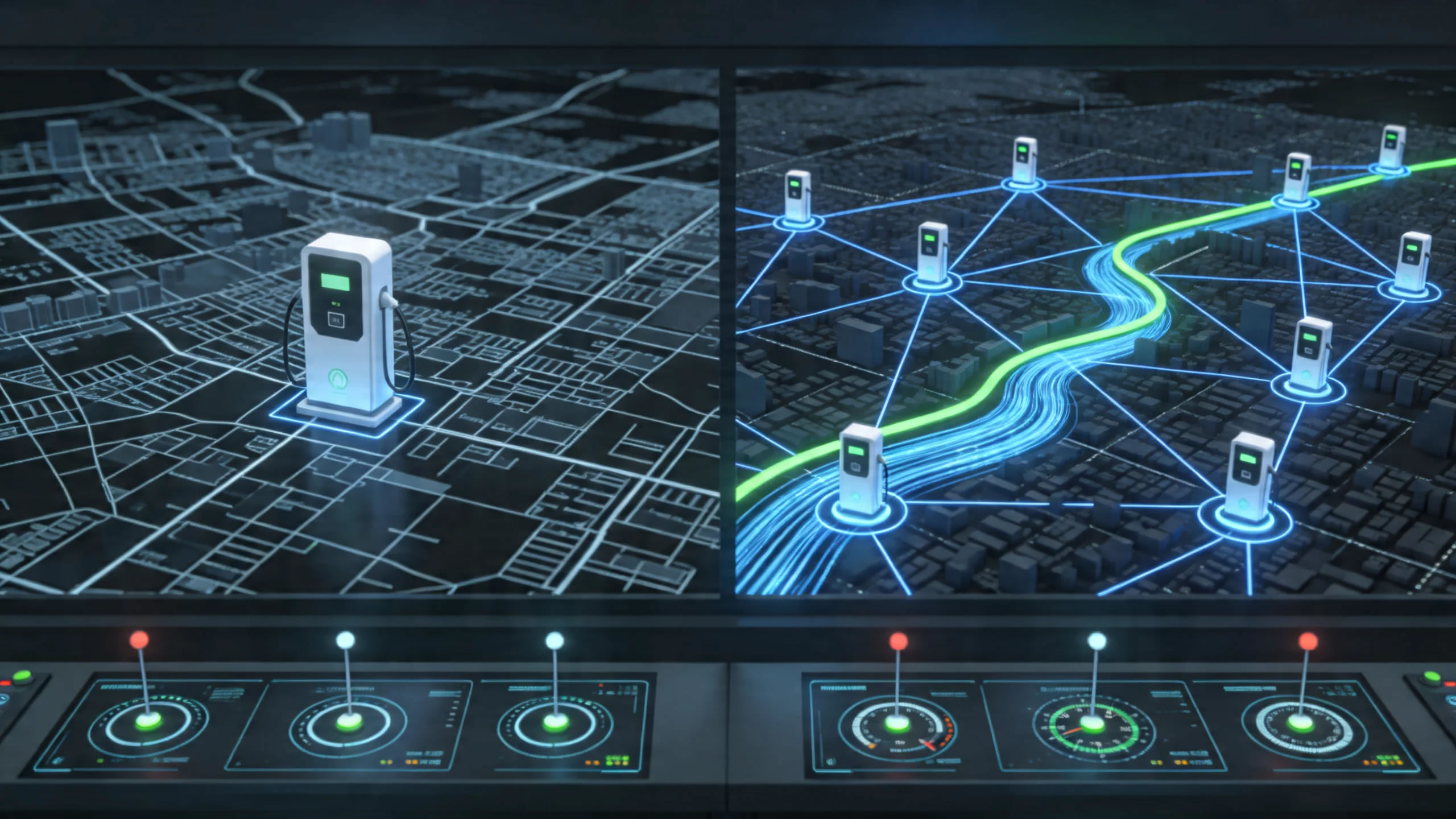
From Points to Networks
The real shift is not about adding more charging stations.
It is about connecting them.
When charging points become digitally connected, they form an intelligent network capable of:
- Managing energy flow
- Balancing demand
- Optimizing pricing
- Collecting user data
This is where the value begins to multiply.
A single station generates revenue.
A network generates systems-level control.
Why Emerging Markets Matter More Than Ever
While developed regions have already begun building large-scale charging networks, many emerging markets remain in the early stages.
This creates a rare window of opportunity.
In regions such as parts of Latin America, infrastructure gaps are still significant. But demand is rising, urbanization is accelerating, and energy transformation is inevitable.
Unlike saturated markets, these regions are not yet dominated by a few major players.
Which means the network is still being shaped.
The Decentralized Energy Future
We are moving toward a world where energy is not only consumed—but also distributed, managed, and monetized at the edge.
Charging stations will play a central role in this transformation.
They are no longer just utilities.
They are infrastructure nodes in a decentralized energy system.
And in this new system, the question is no longer where you refuel.
It is whether you are part of the network at all.
 May 3, 2026