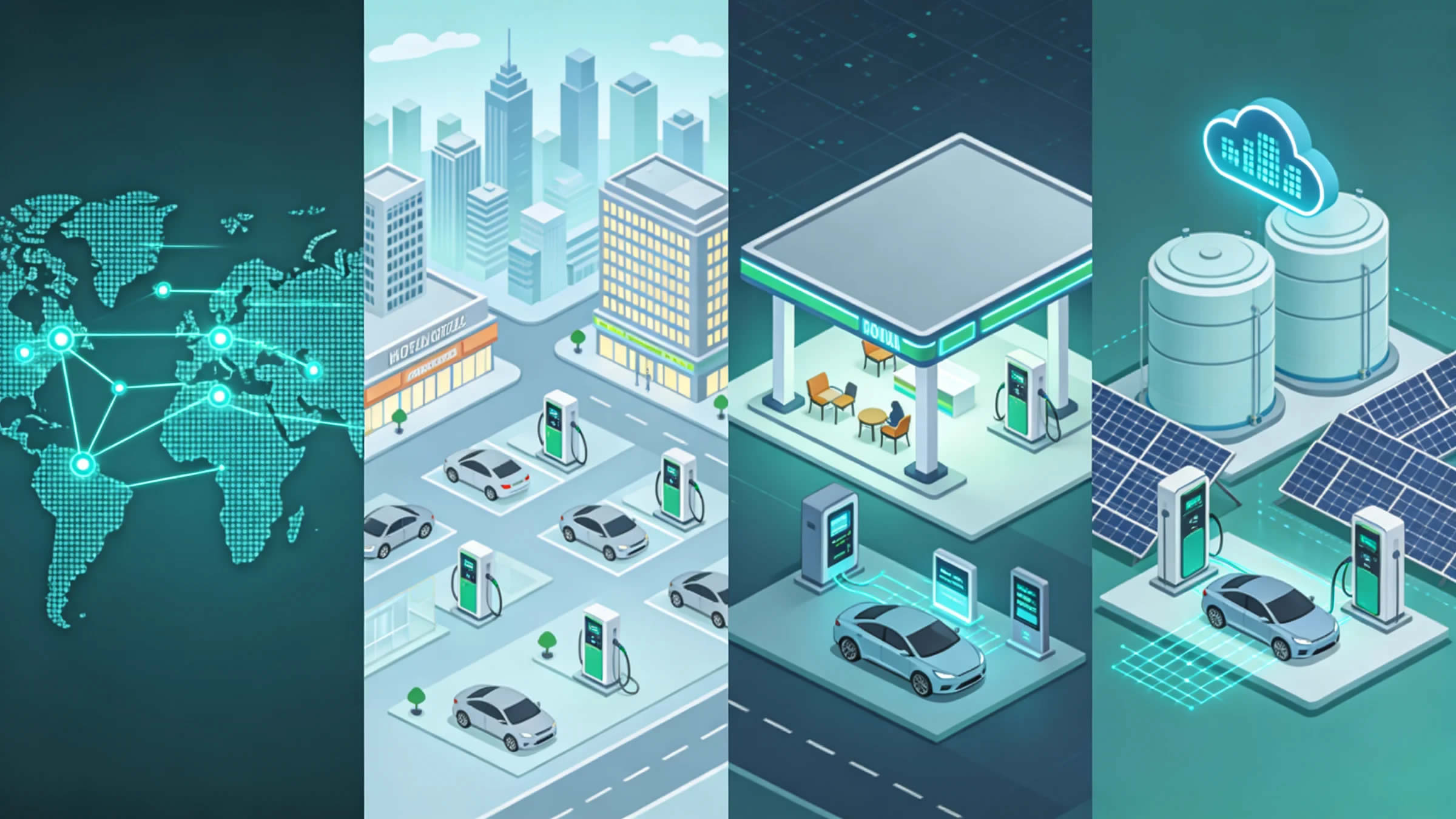
The global electric vehicle (EV) charging industry is entering a new stage of development, marked by rapid infrastructure expansion, evolving business models, and increasing integration with broader energy systems.
As EV adoption accelerates worldwide, industry dynamics are shifting beyond hardware deployment toward network-based operations and intelligent energy management.
From Infrastructure Buildout to System-Level Competition
In the early phase of EV adoption, the primary focus was on building charging stations to support a growing number of vehicles.
However, industry experts now observe a structural shift. The competitive landscape is moving from individual charging points to large-scale, interconnected networks.
Charging infrastructure is no longer defined solely by the number of installed stations, but by how effectively these stations are connected, managed, and optimized within a unified system.
Operators Gain Strategic Importance
Alongside this transition, charging operators are emerging as key players in the value chain.
While manufacturers continue to provide essential hardware, operators are increasingly responsible for:
- Network management
- User experience
- Pricing and payment systems
- Data-driven optimization
This shift reflects a broader trend seen in other infrastructure industries, where operational control and platform integration play a decisive role in long-term competitiveness.
Commercial Spaces Become Charging Hubs
Another notable trend is the integration of charging infrastructure into everyday commercial environments.
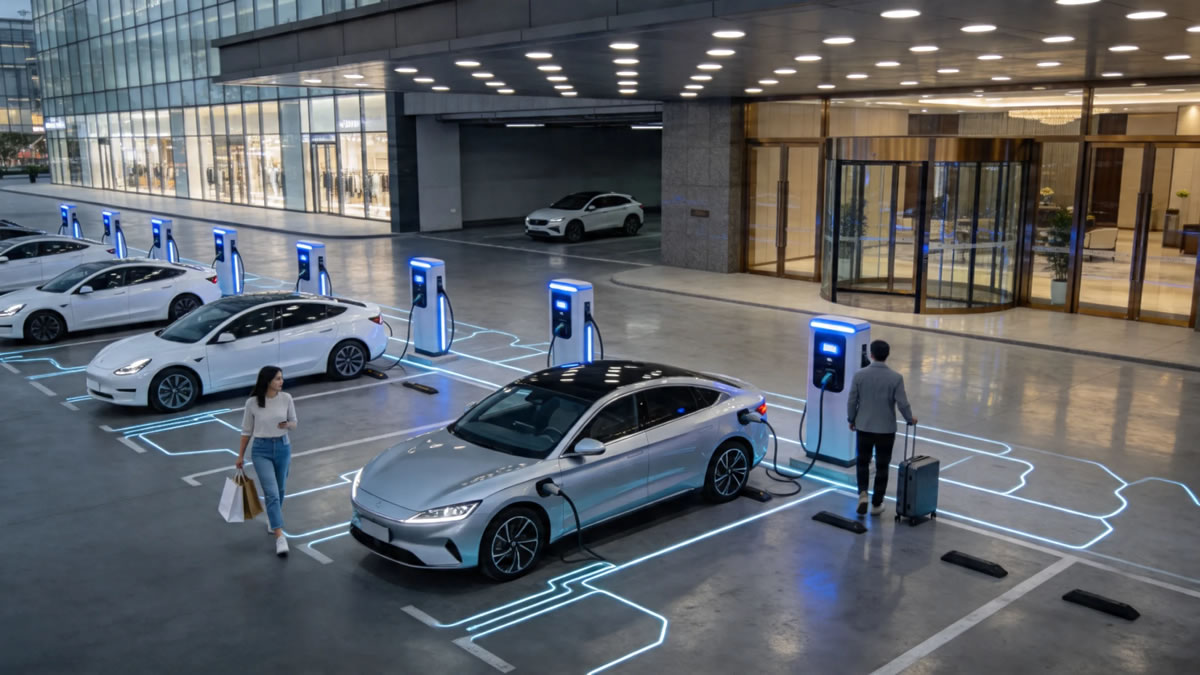
Locations such as shopping malls, hotels, and mixed-use developments are becoming important charging hubs. These sites offer longer dwell times, making them well-suited for EV charging behavior.
This development highlights a shift from dedicated charging locations to embedded infrastructure within daily life scenarios.
Traditional Fuel Infrastructure Faces Transformation
The rise of EVs is also prompting significant changes in traditional fuel infrastructure.
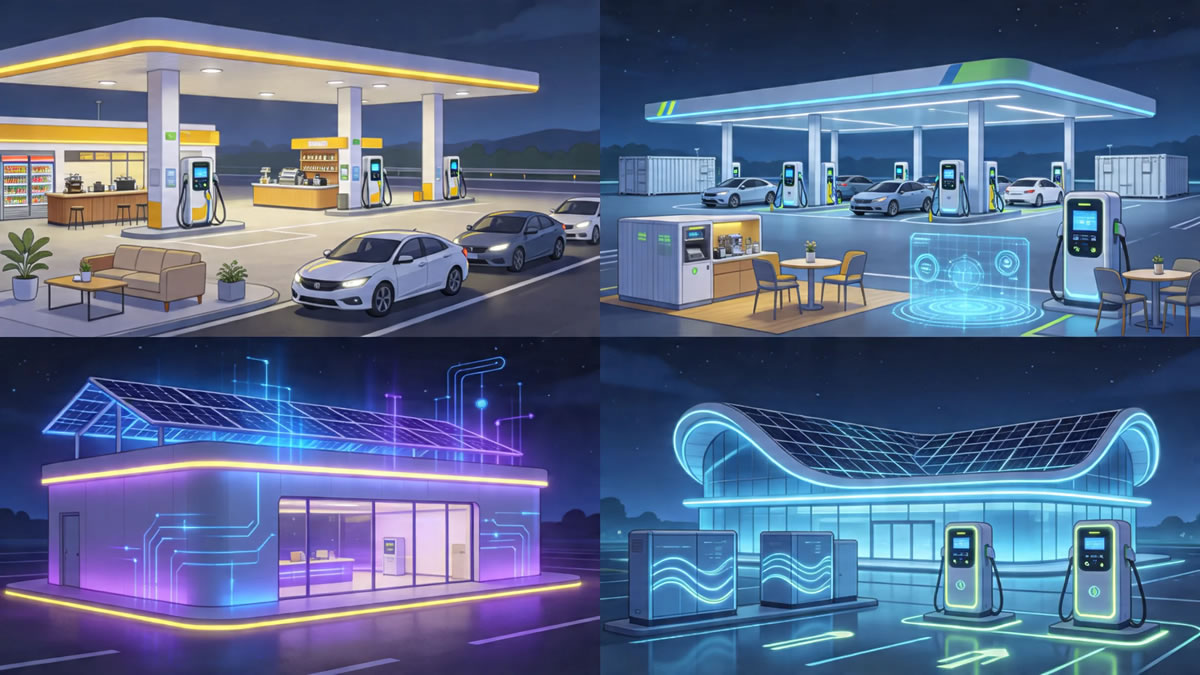
Gas stations, long built around fast refueling models, are now under pressure to adapt. Industry observers note that future service stations may evolve into multi-functional energy hubs, incorporating charging services, retail offerings, and customer amenities.
The transition presents both challenges and opportunities, depending on the ability of operators to adjust to new usage patterns.
Energy Storage Becomes a Critical Component
As charging demand increases, the role of energy management is becoming more prominent.
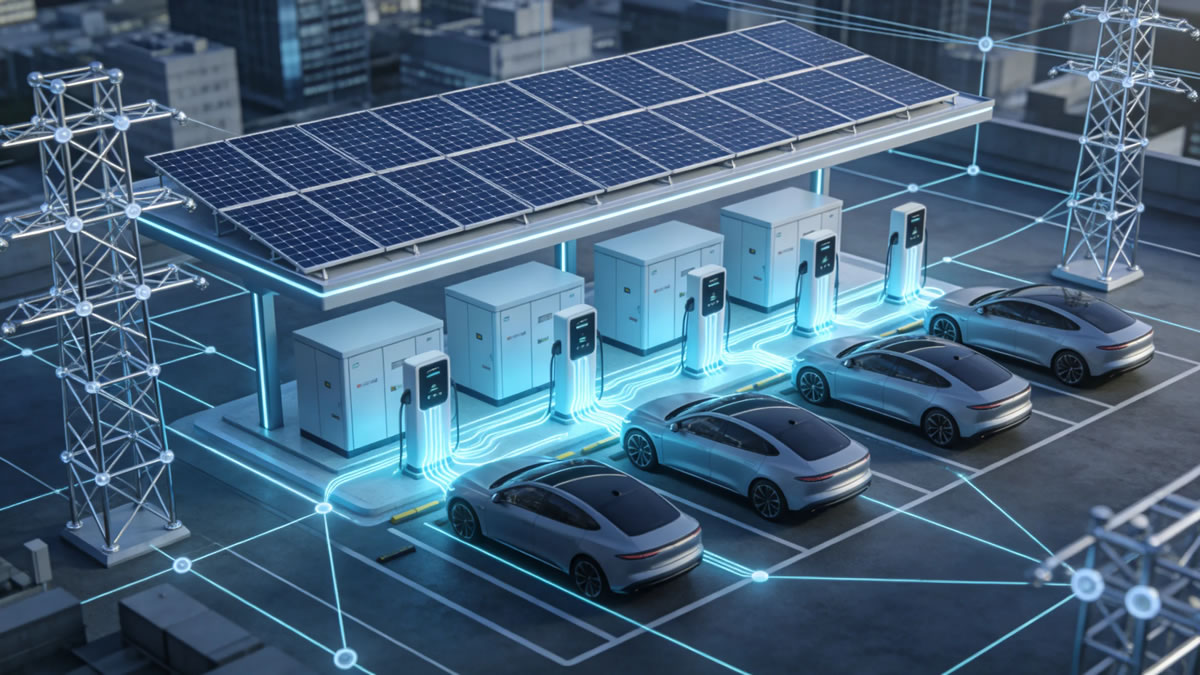
Fast-charging stations can place substantial pressure on local power grids, particularly during peak demand periods. To address this, many operators are exploring the integration of energy storage systems.
By combining charging infrastructure with battery storage and renewable energy sources, operators can improve grid stability, reduce costs, and enhance system efficiency.
Emerging Markets Attract Growing Attention
While mature markets such as China, Europe, and the United States continue to lead in deployment, emerging regions are gaining momentum.
Southeast Asia, Latin America, and parts of the Middle East are increasingly viewed as high-growth markets due to:
- Low existing infrastructure density
- Rapid urbanization
- Supportive policy frameworks
These regions are expected to play a significant role in shaping the next phase of global expansion.
Toward a Networked Energy Ecosystem
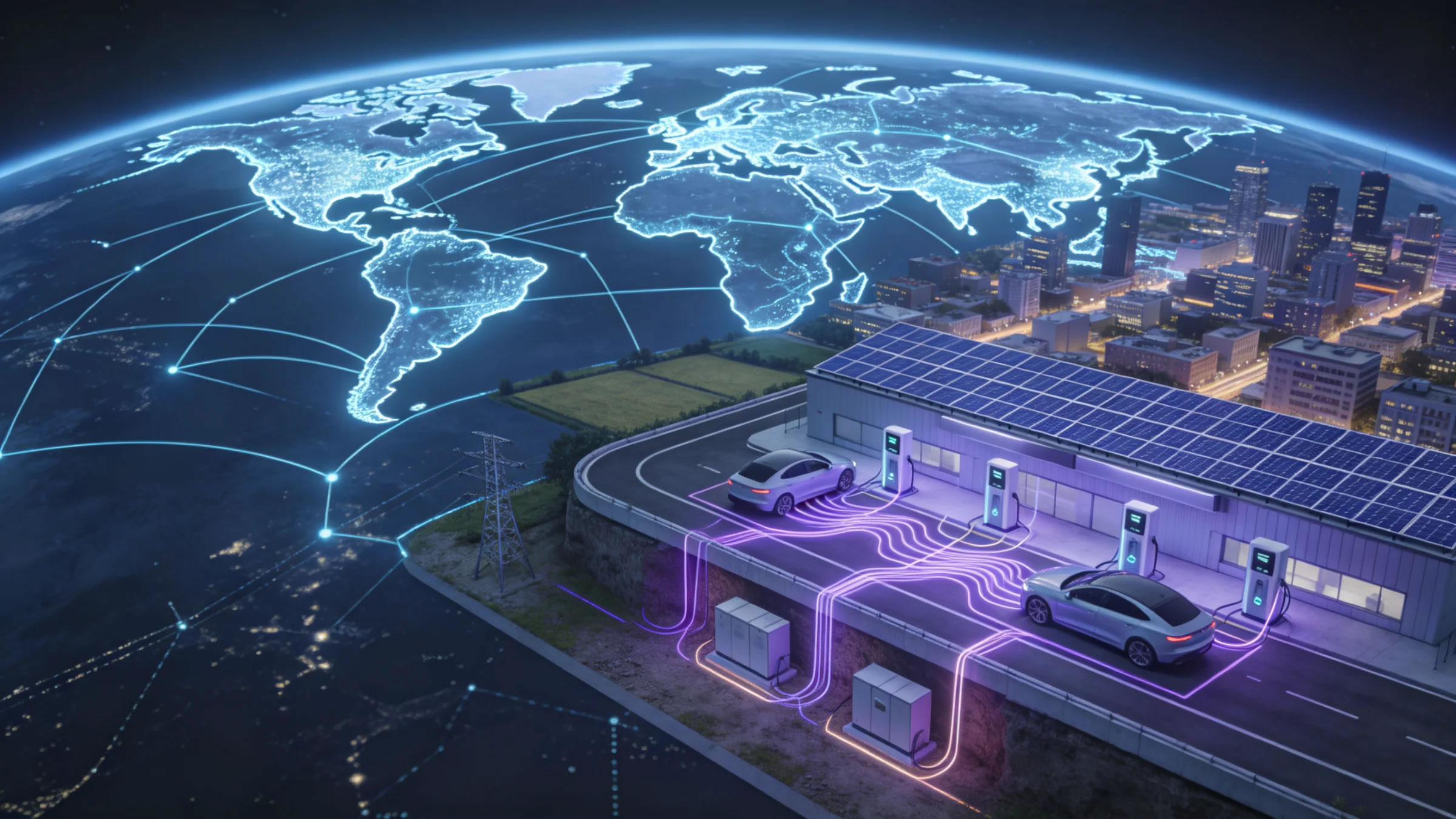
Industry developments indicate that EV charging is becoming part of a broader transformation in energy and mobility systems.
Charging networks are evolving into distributed energy platforms, connecting vehicles, power grids, and renewable sources. This shift reflects a move toward more flexible, resilient, and intelligent infrastructure.
Outlook for the Next Decade
Looking ahead, several key trends are expected to define the industry:
- Charging becoming more integrated and less visible to end users
- Expansion of large-scale, interoperable networks
- Greater emphasis on energy management and storage
- Increasing role of digital platforms and data
- Continued growth in emerging markets
As these trends converge, EV charging is likely to become a core component of global infrastructure, comparable to traditional energy and transportation systems.
Conclusion
The EV charging industry is undergoing a significant transformation.
What began as a hardware-driven sector is evolving into a complex ecosystem that integrates infrastructure, energy, and digital systems.
As the market continues to mature, the ability to build and manage connected, intelligent networks will be a defining factor for long-term success.
 April 29, 2026