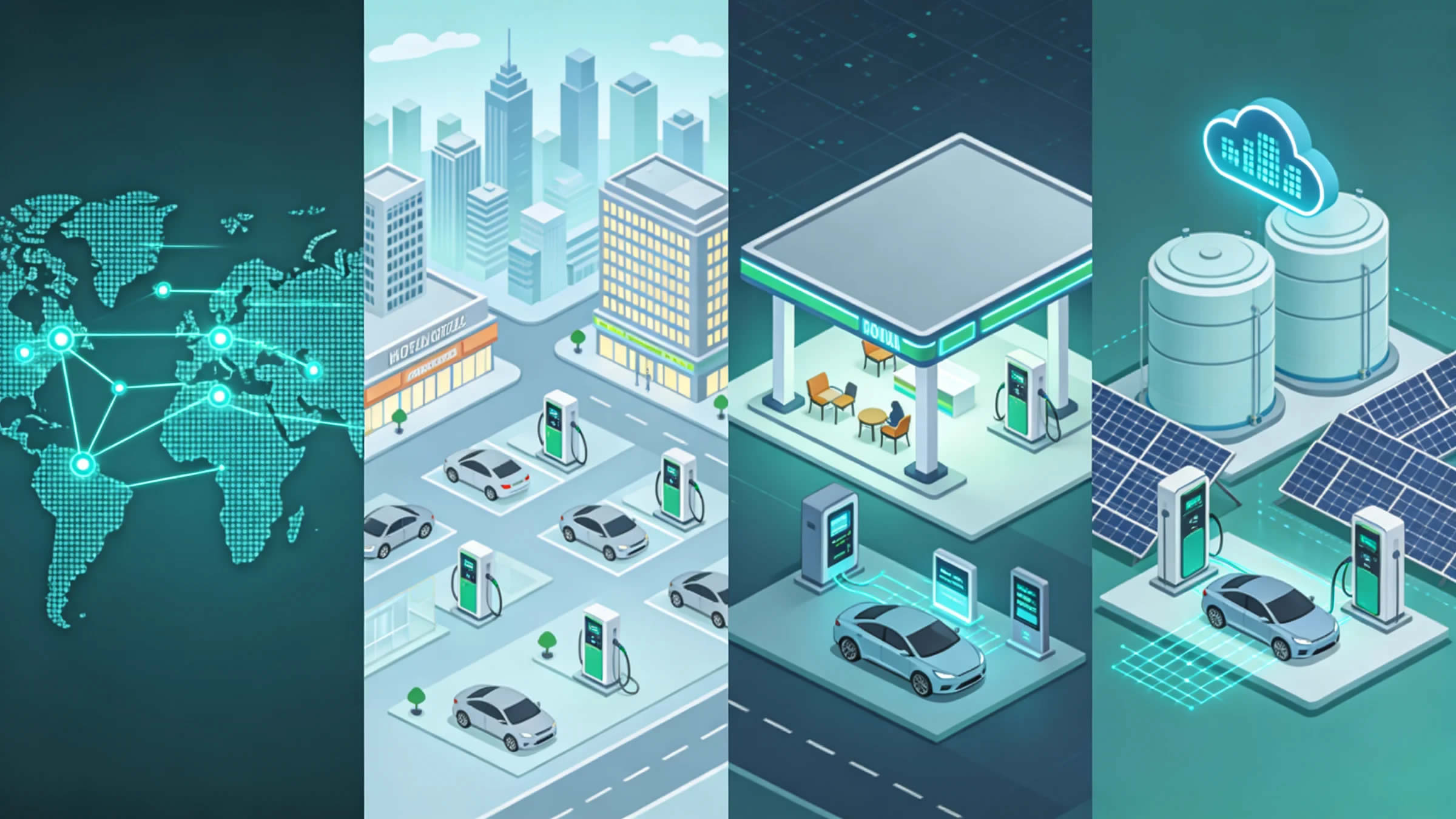
As the global transition to electric vehicles accelerates, most attention remains focused on developed markets.
China continues to expand at scale.
Europe is pushing aggressive climate policies.
The United States is investing heavily in infrastructure.
But while these regions dominate headlines, a quieter and potentially more significant opportunity is taking shape elsewhere.
Latin America.
A Market Still in Formation
Unlike mature EV markets, Latin America is still in the early stages of its transition.
Electric vehicle adoption is growing—but it is far from saturation.
Charging infrastructure exists—but remains limited and unevenly distributed.
This creates a rare condition:
A market that is expanding, but not yet defined.
In such environments, early infrastructure plays a critical role in shaping long-term outcomes.
Urban Growth Meets Energy Demand
Latin America is one of the most urbanized regions in the world.
Major cities continue to expand, with increasing pressure on transportation systems and energy consumption.
As urban mobility evolves, the demand for cleaner, more efficient transportation is rising.
Electric vehicles are part of that shift.
But without sufficient charging infrastructure, growth cannot scale.
This makes infrastructure not just necessary—but urgent.
The Infrastructure Gap
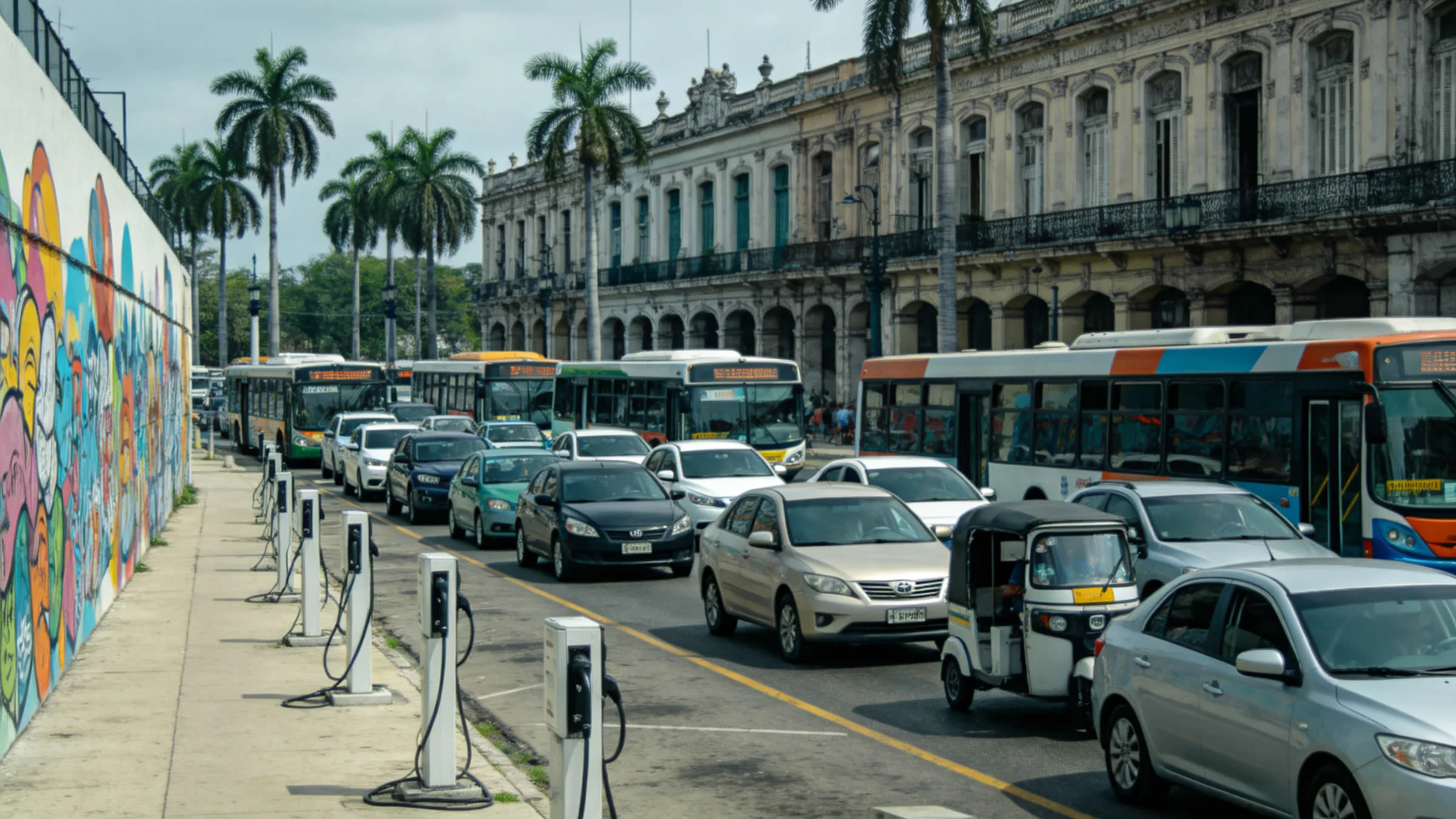
In many parts of the region, the number of charging stations remains low relative to potential demand.
Coverage gaps exist across:
- Residential areas
- Commercial districts
- Intercity travel routes
This creates friction for EV adoption—but also signals opportunity.
Where infrastructure is limited, each new node carries more weight.
Less Competition, More Flexibility
One of the defining characteristics of emerging markets is the absence of entrenched dominance.
Unlike more developed regions, where large players already control significant portions of the network, Latin America remains relatively open.
This allows for:
- Faster entry
- Flexible deployment models
- Localized strategies
- Network-building from the ground up
In many cases, the rules of the system are still being written.
Renewable Energy Advantage
Latin America also benefits from strong renewable energy potential.
Solar, wind, and hydro resources are abundant across multiple countries.
This creates the possibility of integrating clean energy directly into charging infrastructure—reducing costs and increasing sustainability over time.
Energy generation and energy consumption can become more closely linked.
Timing Matters
In infrastructure-driven industries, timing is critical.
Entering too early may involve uncertainty.
Entering too late often means facing saturation.
Latin America is approaching a phase where:
- Demand is becoming visible
- Infrastructure is still limited
- Market structure is not yet fixed
This combination rarely lasts long.
A Region on the Edge of Expansion
The EV transition in Latin America will not happen overnight.
But the direction is clear.
As adoption increases and infrastructure expands, the region is likely to move quickly from underdeveloped to highly competitive.
And when that shift happens,
the foundation will already be in place.
 May 9, 2026