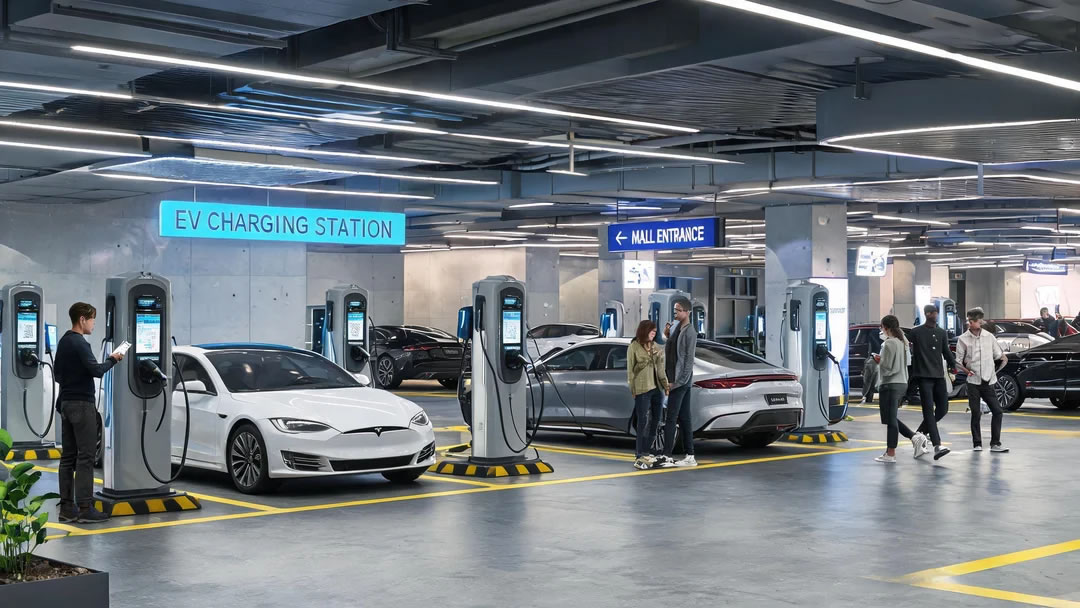
In the EV charging industry, technology matters — but location matters more.
Two charging stations with the same hardware can perform very differently depending on where they are installed.
So what separates a high-performing location from an underperforming one?
1. Sufficient EV Demand
The most important factor is simple:
Are there enough electric vehicles in the area?
Strong demand typically exists in:
- Dense urban neighborhoods
- Residential communities with EV adoption
- Commercial and business districts
- High-income areas with early adopters
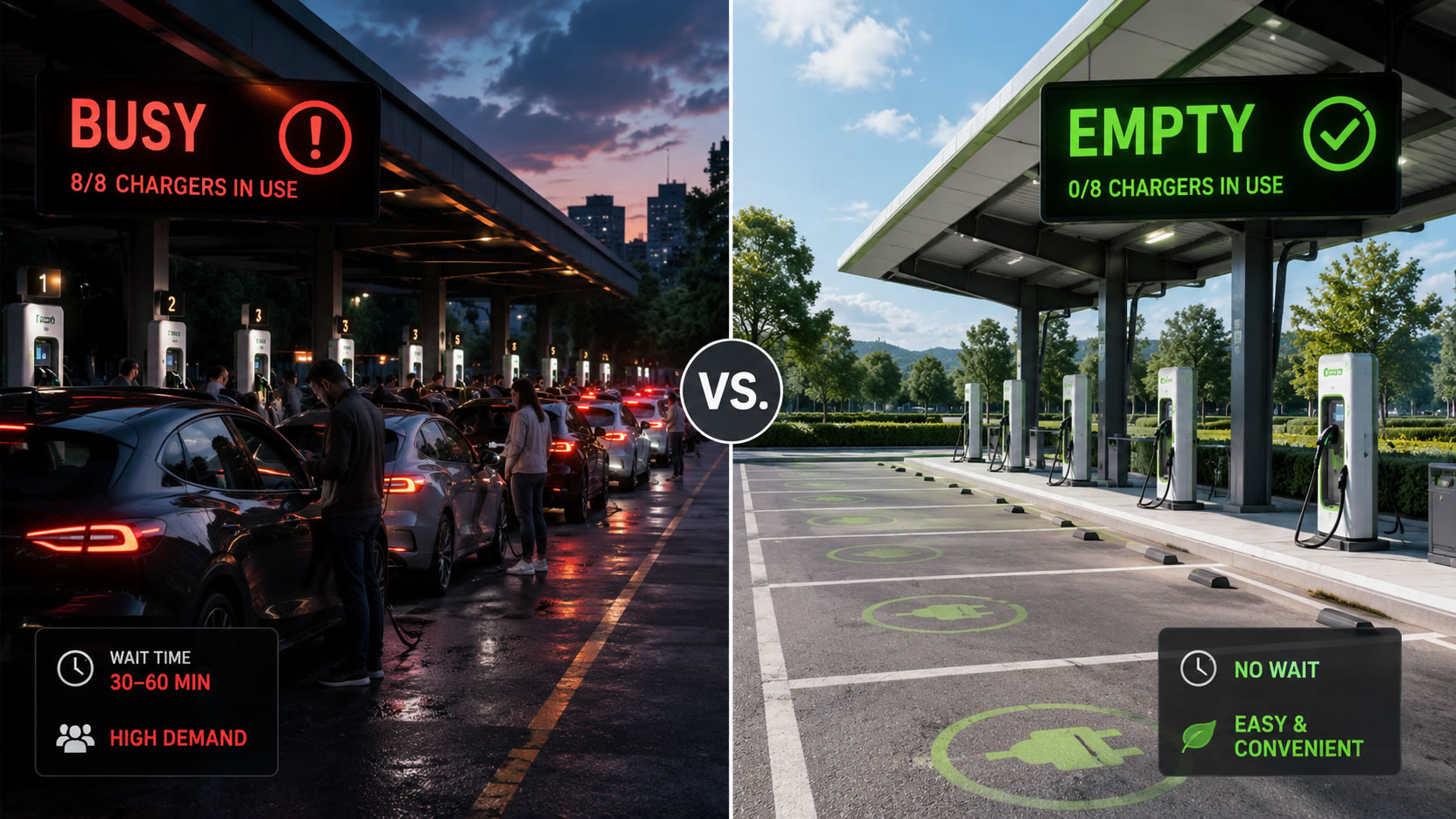
Without consistent EV traffic, utilization remains low — regardless of equipment quality.
2. Visibility and Ease of Access
Even in high-demand areas, poor accessibility can limit usage.
A successful charging location should be:
- Clearly visible from main roads
- Easy to enter and exit
- Simple to navigate without detours
Drivers tend to prefer stations that fit naturally into their daily routes.
The easier it is to use, the more frequently it will be used.
3. Natural Dwell Time
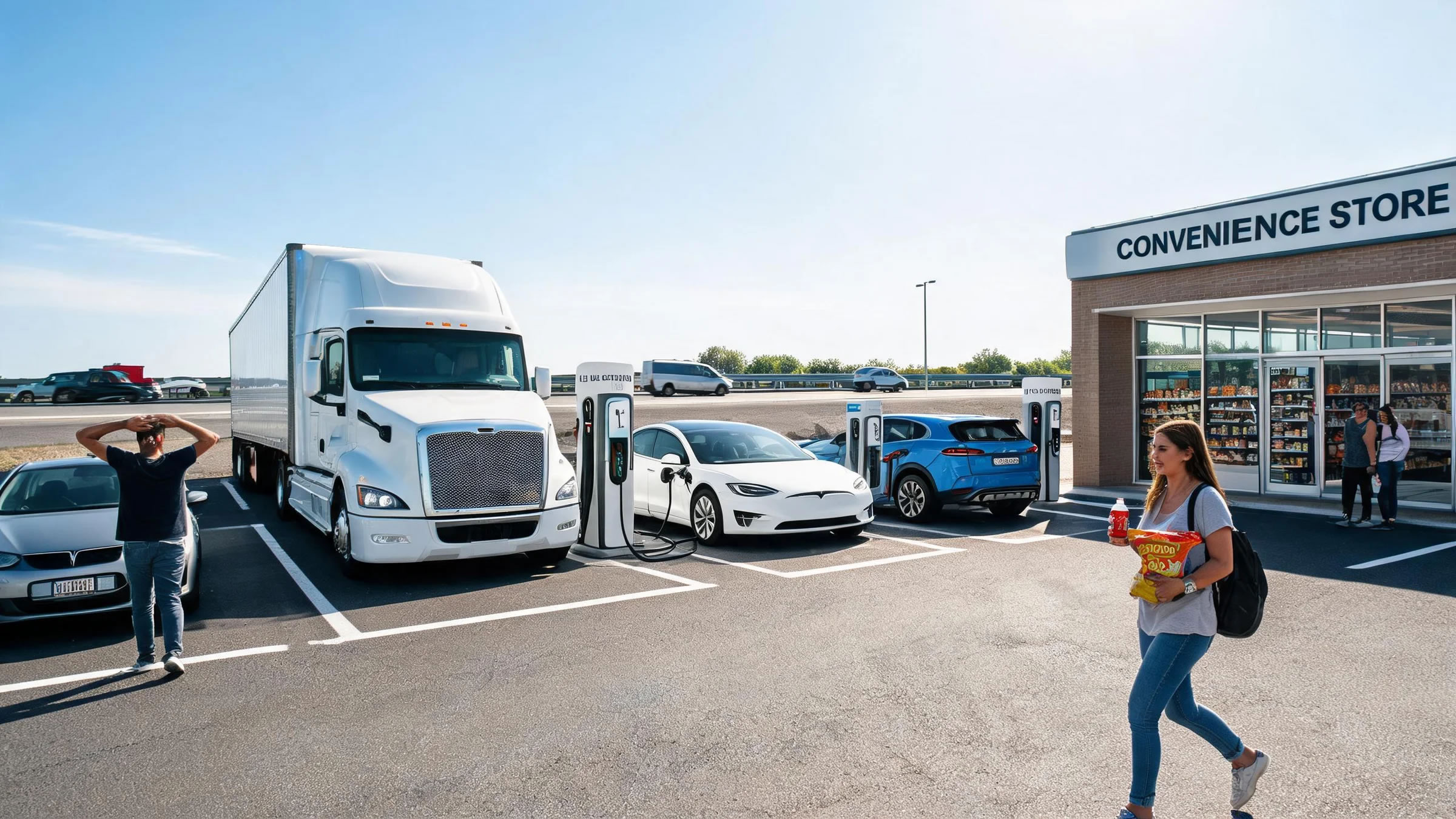
EV charging is not instantaneous — which makes time-spent locations especially valuable.
These include:
- Shopping malls
- Restaurants and cafés
- Hotels and residential complexes
- Office parking areas
When users are already planning to stay, charging becomes a seamless activity.
4. Strategic Transit Routes
Fast-charging stations benefit from locations along:
- Highways
- Major arterial roads
- Intercity travel routes
These sites serve drivers who need quick and reliable charging during travel.
High turnover can significantly increase daily revenue potential.
5. Power Supply and Infrastructure Readiness
A location is only viable if it can support the technical requirements:
- Stable grid connection
- Sufficient power capacity
- Feasible installation conditions
In some cases, infrastructure limitations can be a bigger barrier than demand itself.
6. Competitive Landscape
Understanding existing supply is essential:
- Too many nearby chargers → reduced pricing power
- Too few chargers → unmet demand
The best opportunities often lie in underserved but growing areas.
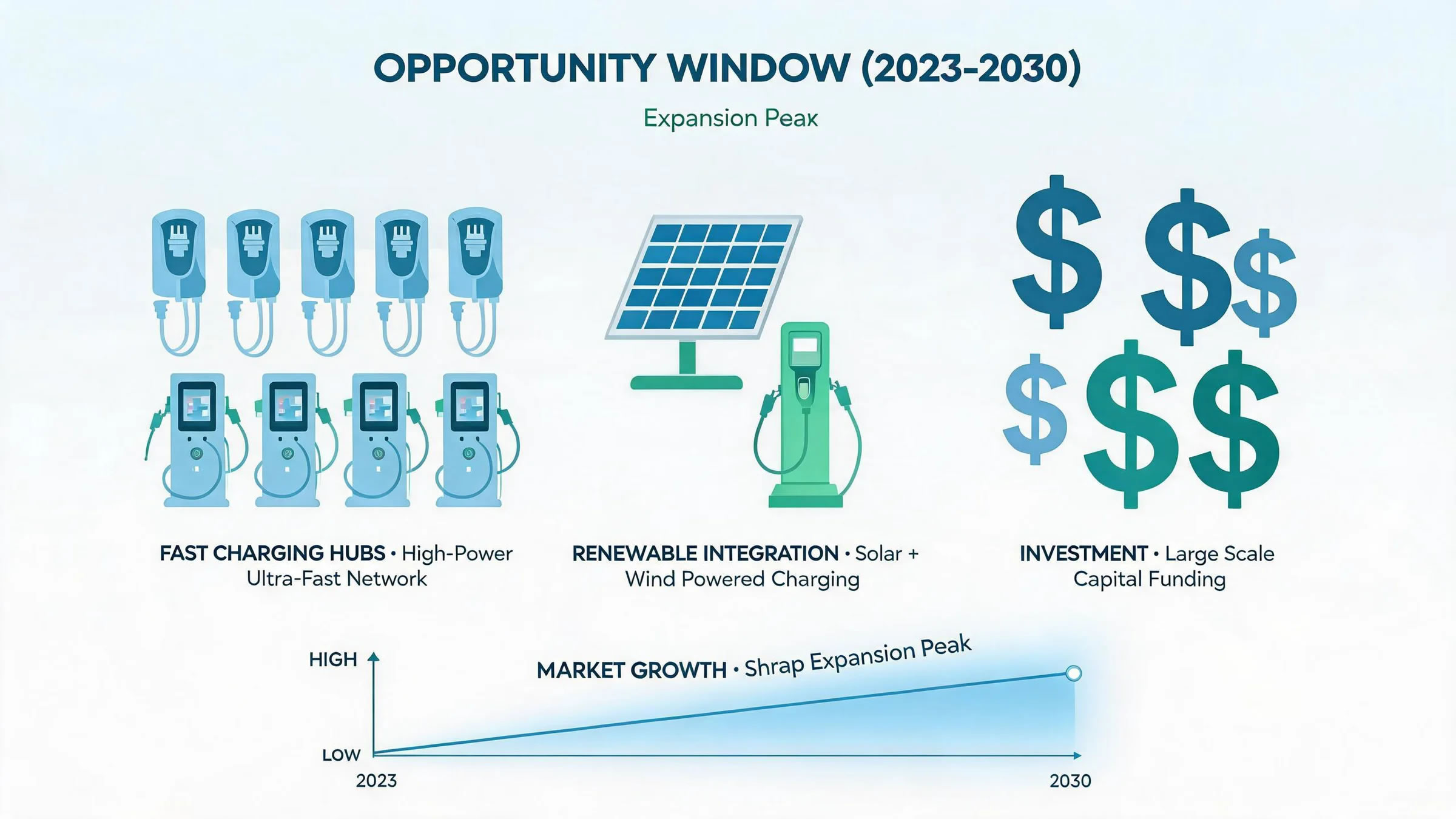
7. Future Development Potential
The most valuable locations are not just about current demand — but future demand growth.
Look for:
- New housing developments
- Expanding commercial zones
- Urban planning projects
- Government-supported EV initiatives
Early positioning in growth areas can deliver long-term advantages.
How These Factors Work Together
No single factor determines success.
A strong EV charging location typically combines:
- High or growing EV demand
- Convenient access and visibility
- Suitable user behavior (time spent)
- Reliable infrastructure
- Balanced competition
The more of these factors align, the stronger the performance.
Conclusion
In the EV charging business, location is not just a detail — it is the foundation.
While hardware and pricing can be optimized over time, a poor location is difficult to fix.
Choosing the right location is the first and most important step toward building a successful charging operation.
 June 17, 2026