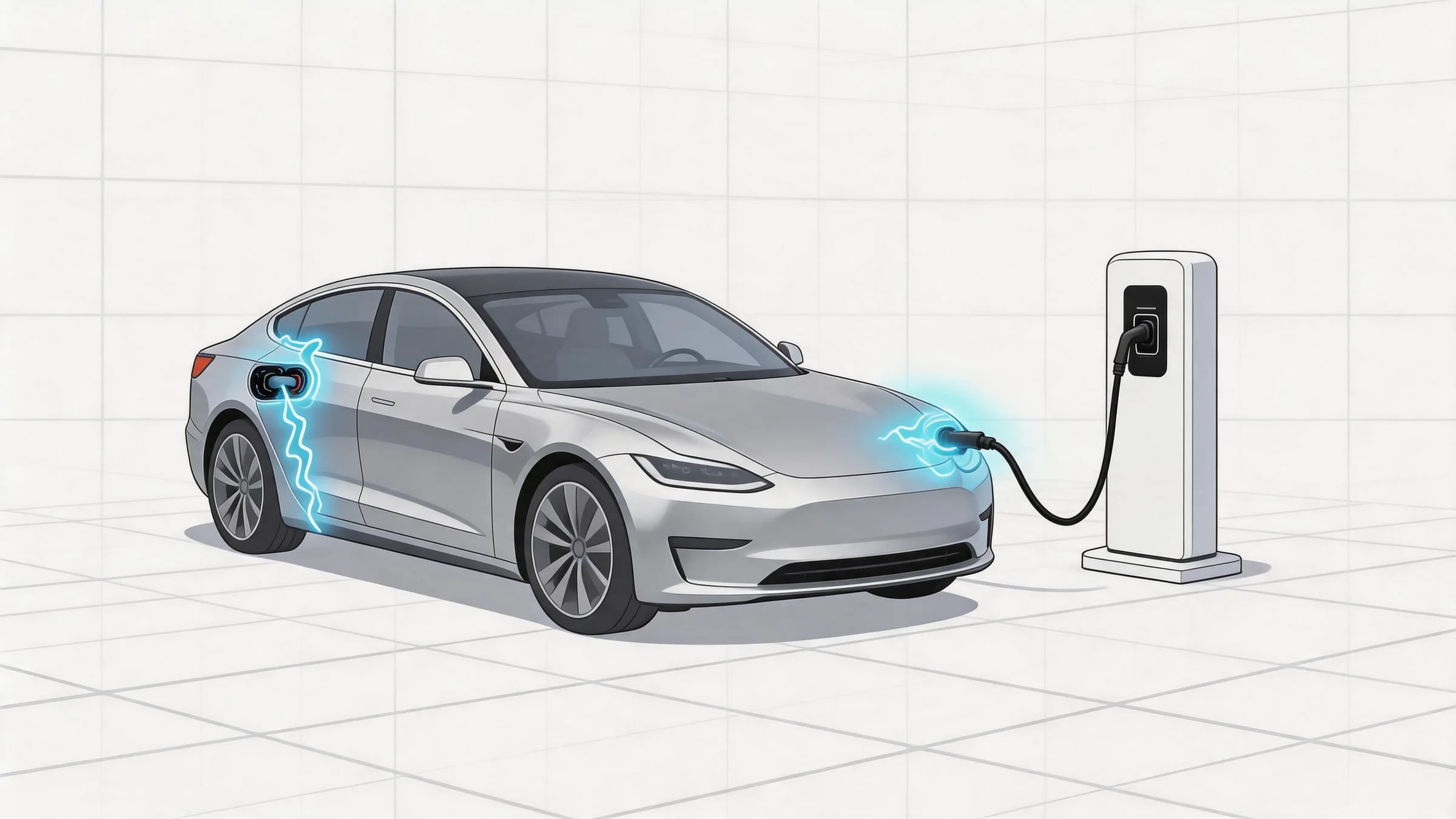
As the EV charging industry matures, one clear trend is emerging:
The future is not single charging stations — but charging networks.
But how exactly do EV charging networks scale and expand?
It is not just about installing more chargers. It is about building a connected system.
1. From Individual Stations to Connected Systems
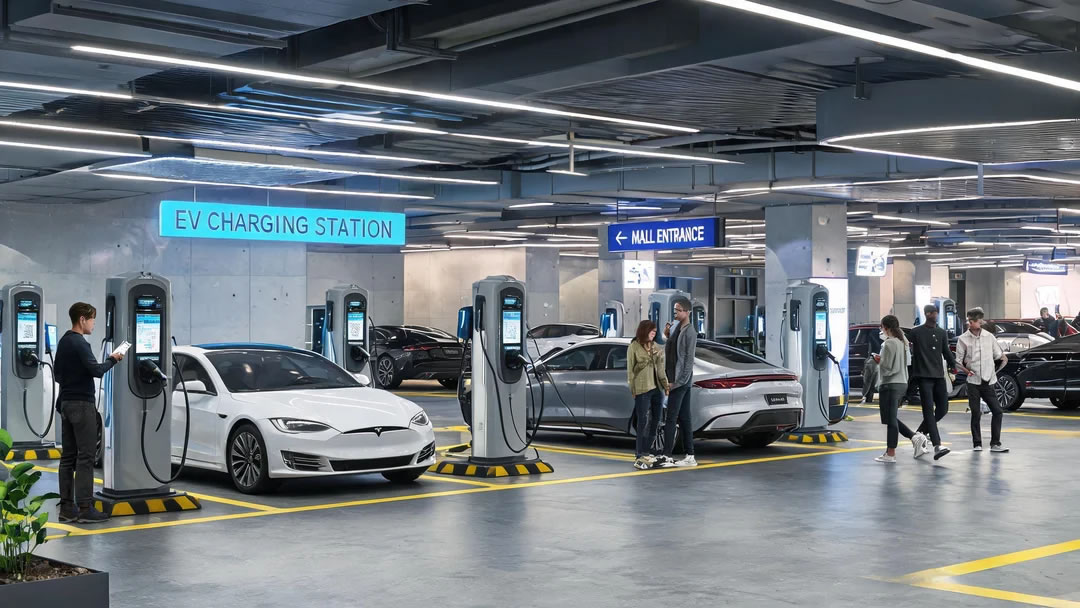
A single charging station operates independently.
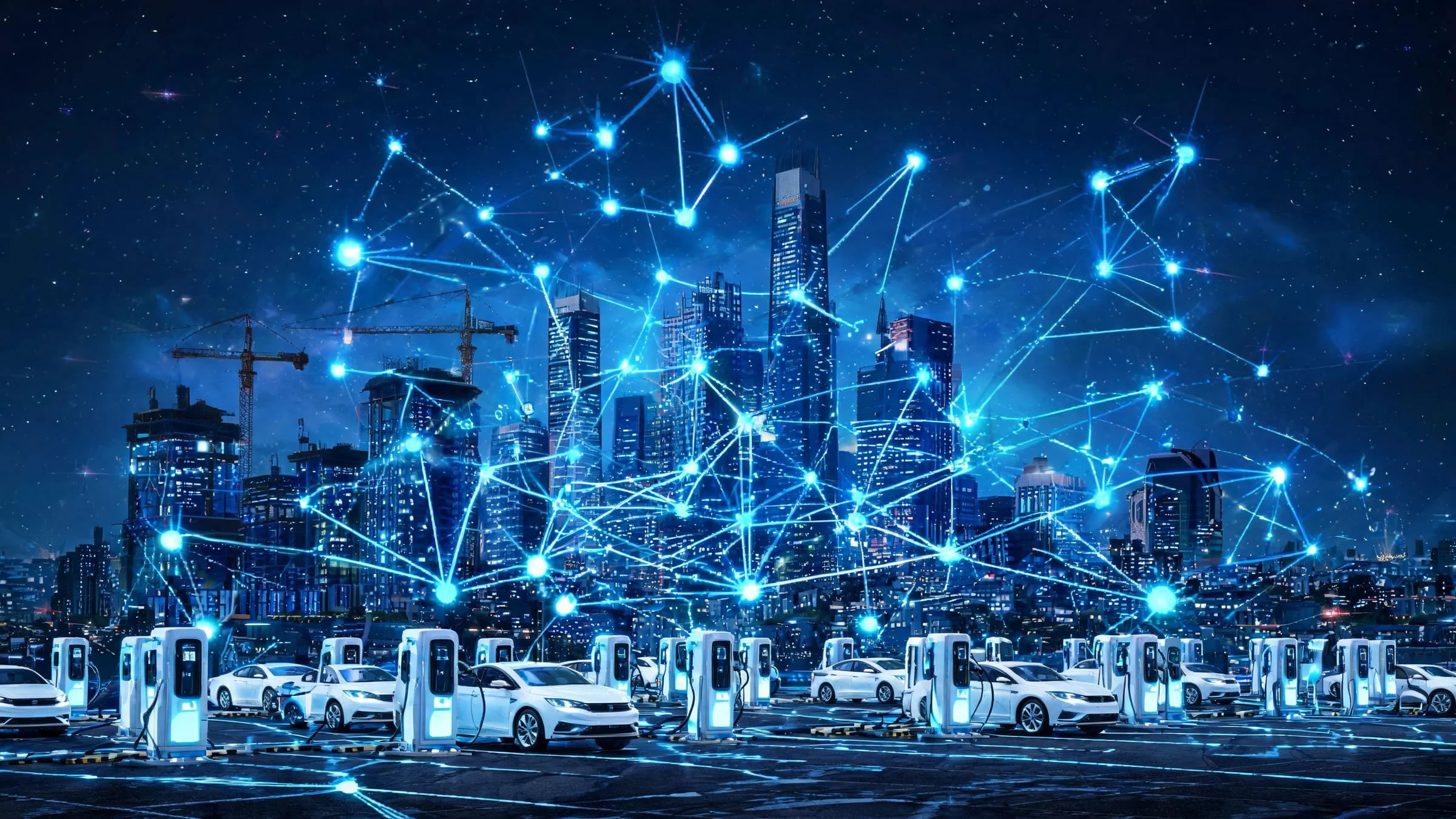
A network, however, connects multiple stations into one system.
This allows operators to:
- Monitor usage across locations
- Balance demand between stations
- Optimize energy distribution
The value increases when stations are connected, not isolated.
2. Scaling Through Standardization
One of the key enablers of expansion is standardization:
- Unified hardware systems
- Consistent software platforms
- Centralized management tools
This makes it possible to replicate stations efficiently across different locations.
Standardization reduces complexity and speeds up deployment.
3. Data-Driven Optimization
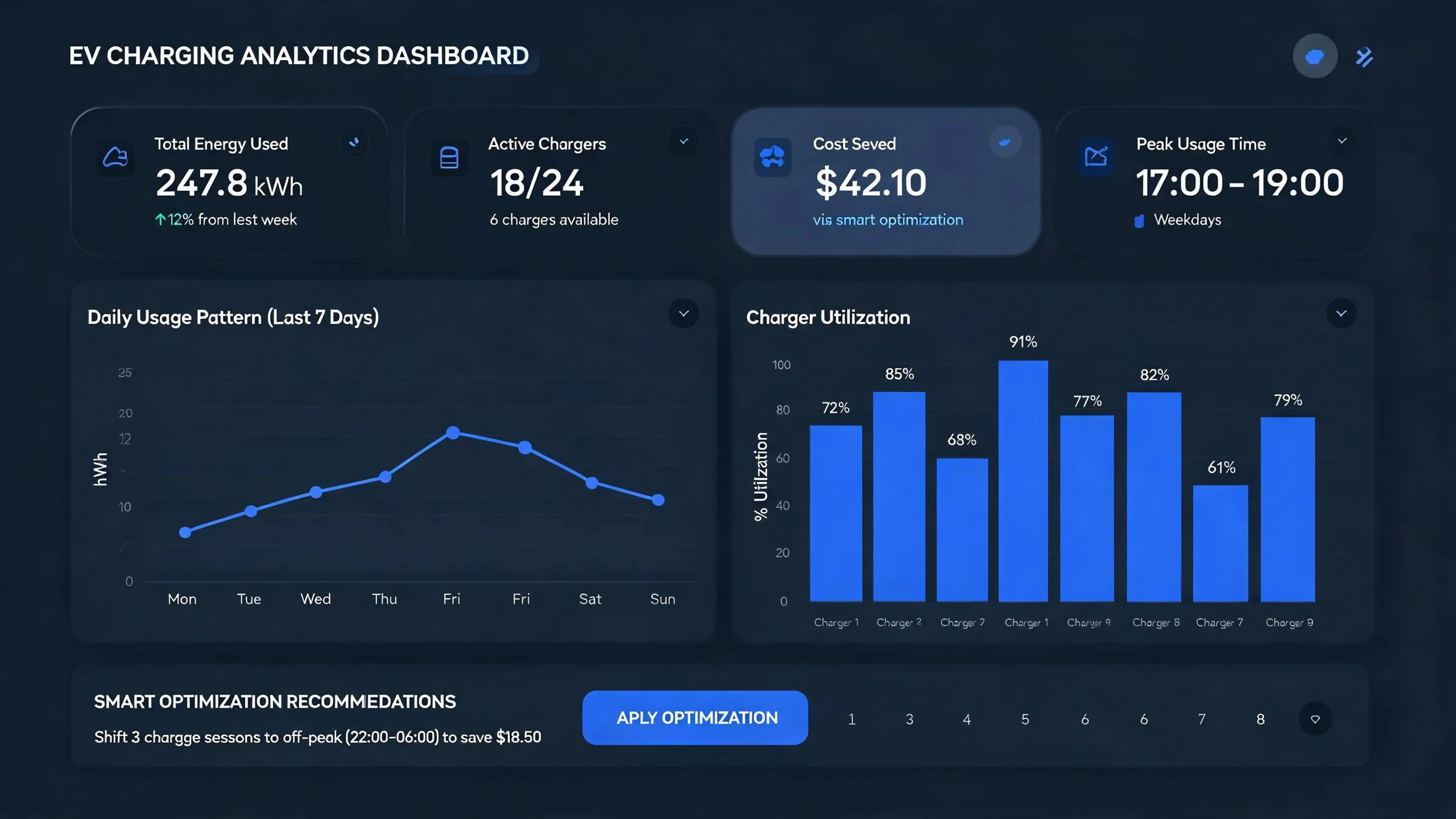
Once a network is established, data becomes a critical asset.
Operators can analyze:
- Peak usage times
- Location performance
- User charging behavior
This information helps improve:
- Pricing strategies
- Station placement
- Energy efficiency
Scaling is no longer physical only — it is also digital.
4. Demand Balancing Across Locations
One major advantage of networks is flexibility.
Instead of relying on one station:
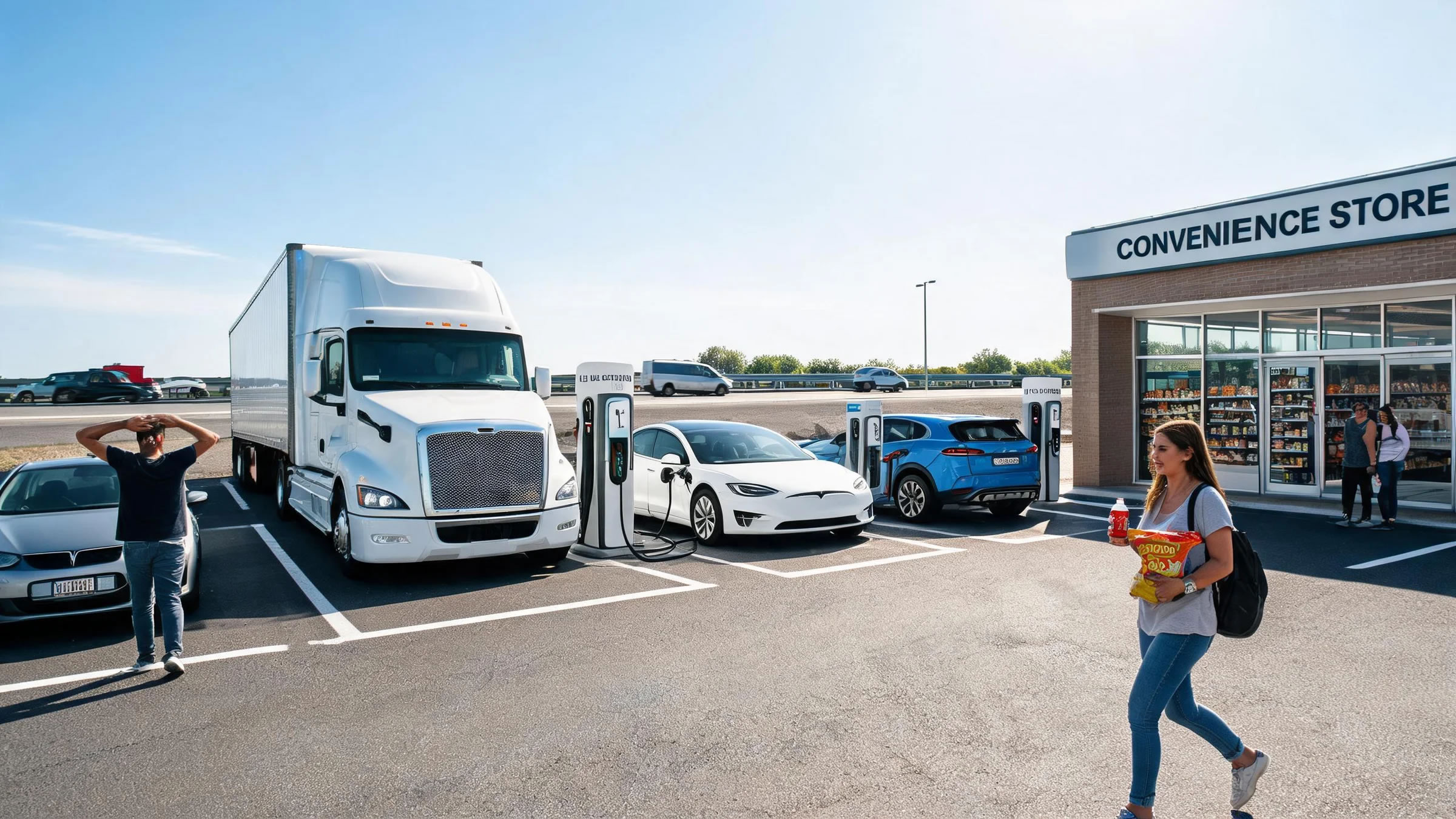
- Users can be directed to nearby available chargers
- Congestion can be reduced
- Idle stations can be better utilized
This improves overall system efficiency.
5. Phased Geographic Expansion
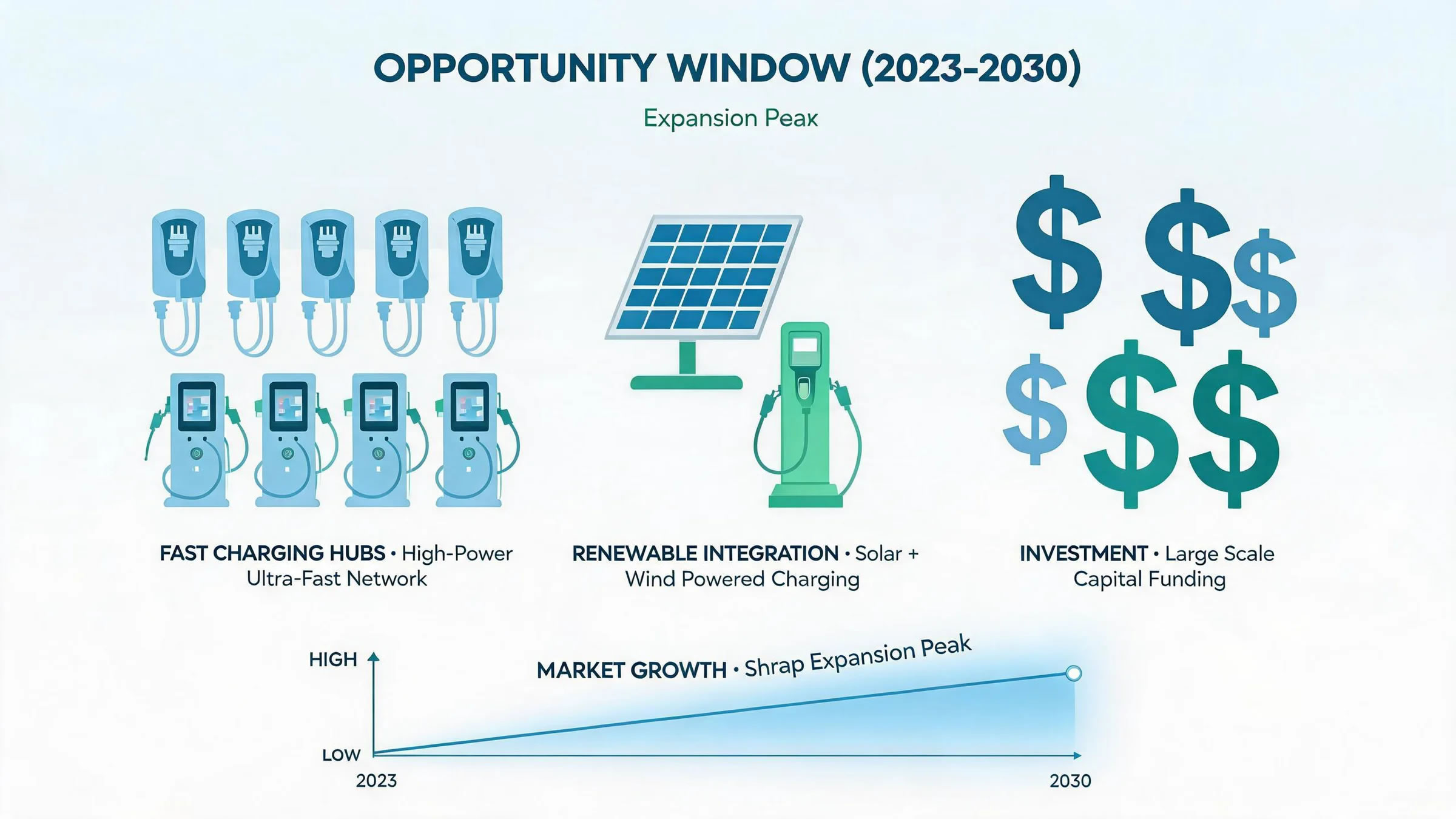
EV charging networks often expand in phases:
Phase 1: Core Locations
- High-demand urban areas
- Commercial centers
Phase 2: Regional Expansion
- Suburban zones
- Highways and transit routes
Phase 3: Emerging Areas
- Developing districts
- New urban projects
Expansion follows demand patterns, not random deployment.
6. Platform-Based Architecture
Modern charging networks increasingly operate like platforms:
- Users access multiple stations through one system
- Operators manage everything centrally
- Revenue flows across the network
This transforms EV charging from infrastructure into a service ecosystem.
Conclusion
EV charging networks scale through more than physical expansion.
They grow through:
- Connectivity
- Standardization
- Data intelligence
- Strategic deployment
In the long term, the most successful players are not those with the most individual stations — but those with the most efficient networks.
 June 19, 2026