As EV adoption continues to grow, charging infrastructure is no longer viewed as a short-term opportunity.
Instead, it is increasingly recognized as a long-term infrastructure business.
But what exactly creates long-term value in EV charging networks?
1. Recurring Demand from Daily Mobility
Unlike many one-time services, EV charging is tied to daily behavior.
Drivers need to charge their vehicles regularly, which creates:
- Repeat usage
- Predictable demand
- Long-term customer cycles
This makes EV charging fundamentally different from transactional businesses.
2. Infrastructure with Long Lifespan
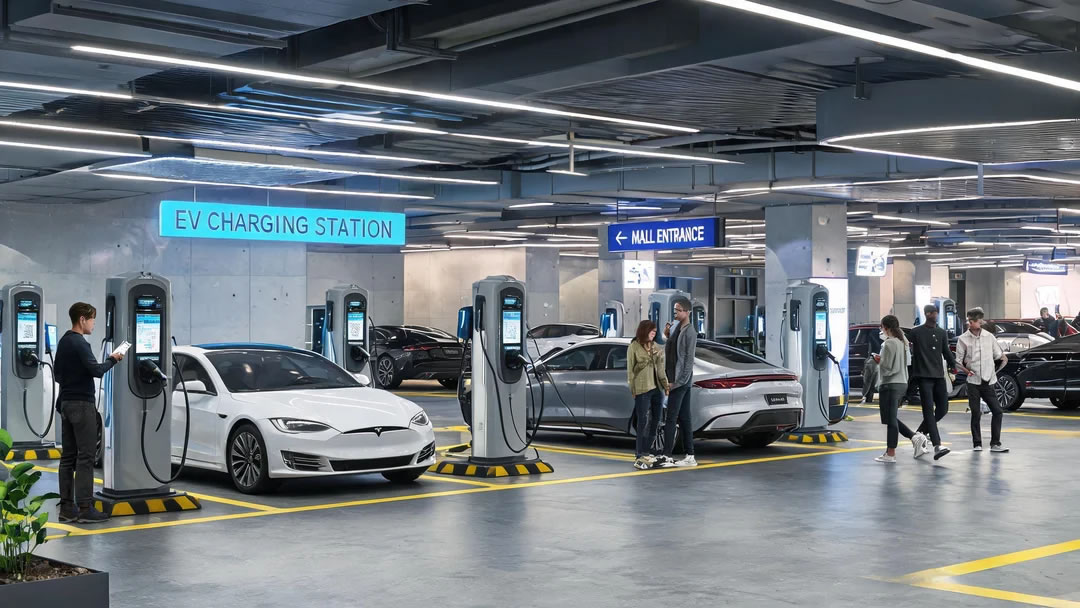
Charging stations are physical assets with multi-year operational lifespans.
Once installed, they can generate value over time through:
- Continuous usage
- Upgradable software systems
- Integration into broader networks
The longer the asset operates, the stronger the return potential.
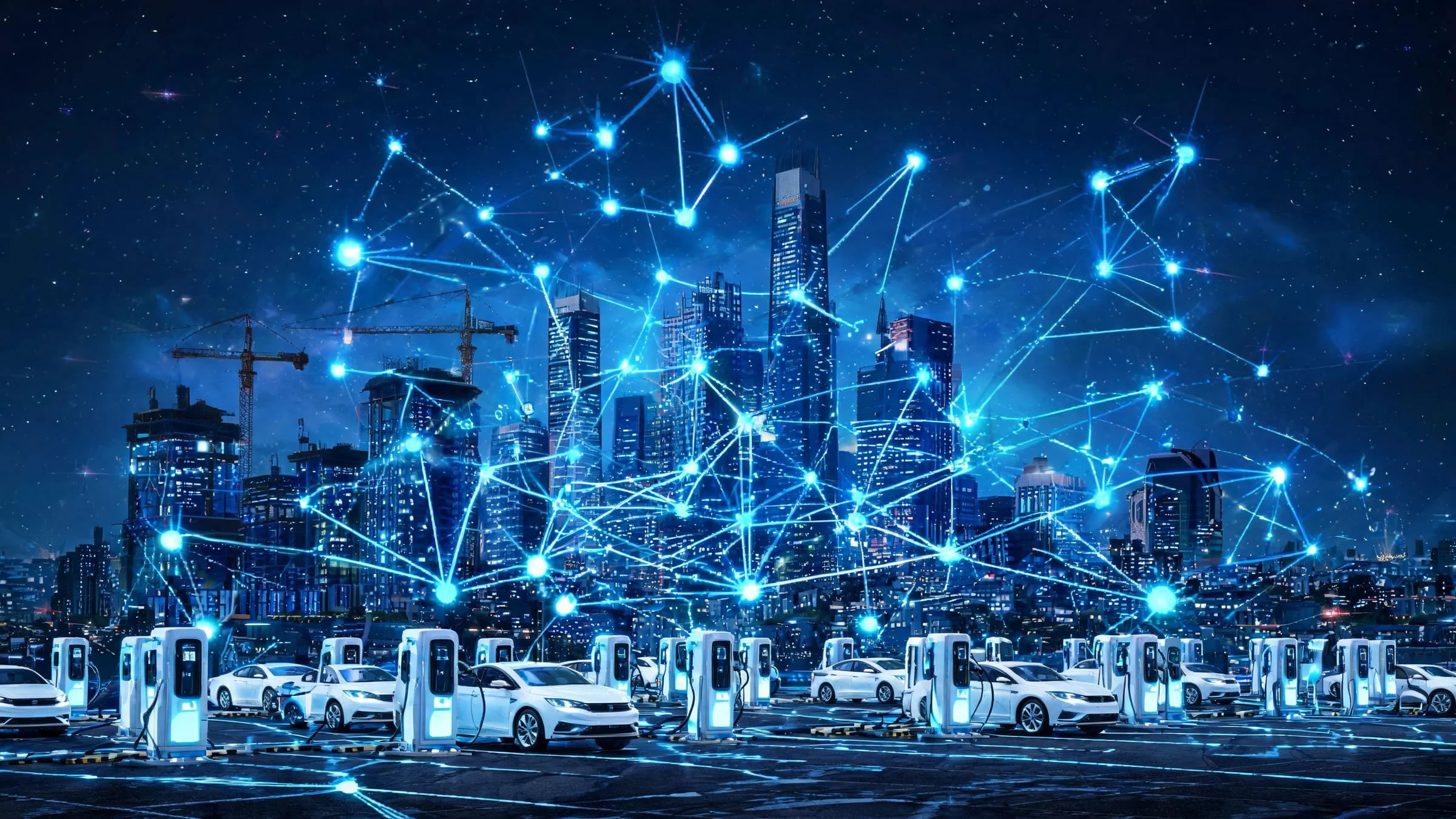
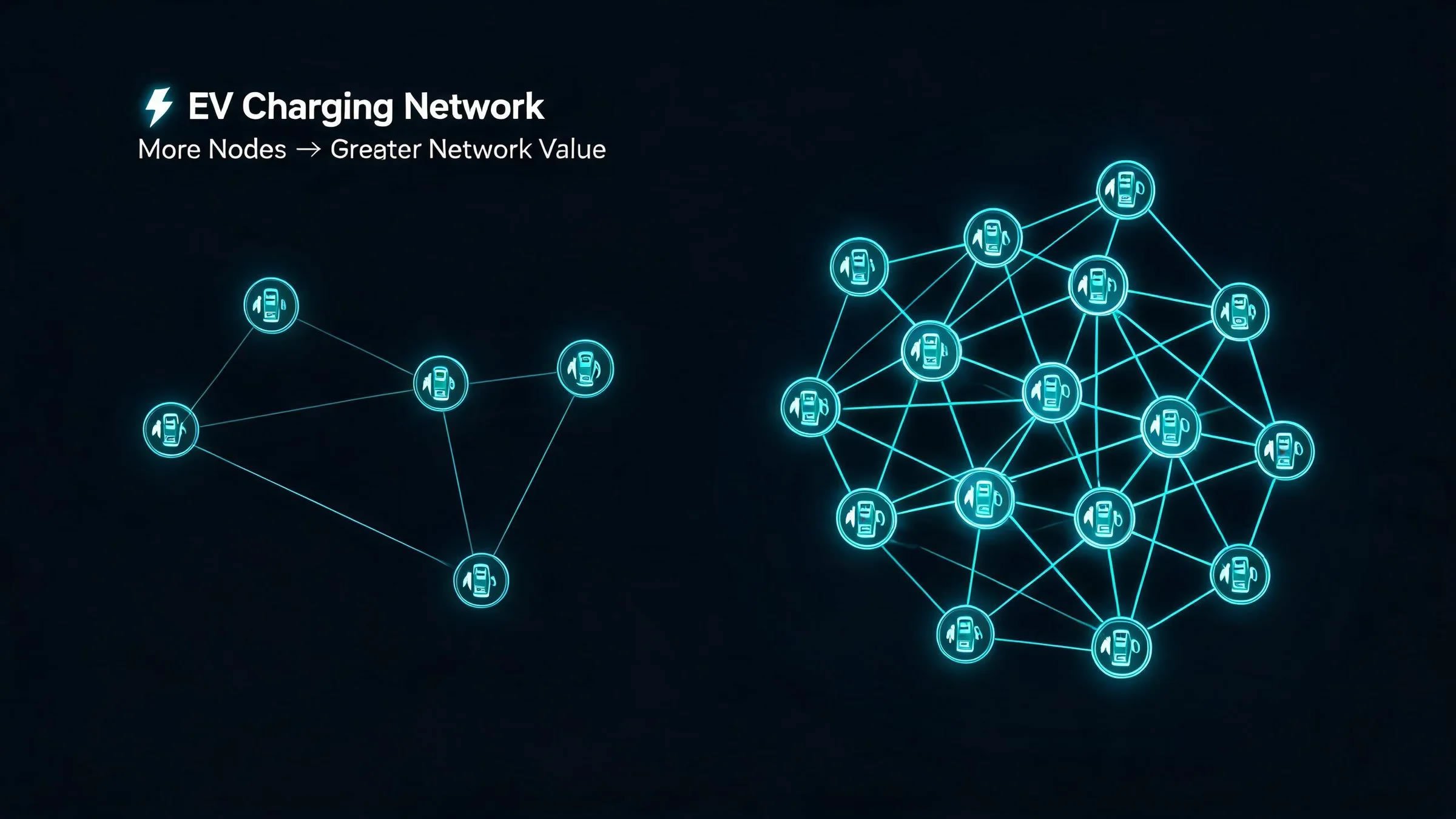
3. Network Effects
As more stations are added to a network:
- Accessibility improves
- User convenience increases
- Overall usage grows
A larger network becomes more valuable than isolated stations.
Scale enhances both user experience and business performance.
4. Multiple Revenue Streams
EV charging is not limited to a single source of income.
Potential revenue streams include:
- Charging fees
- Subscription models
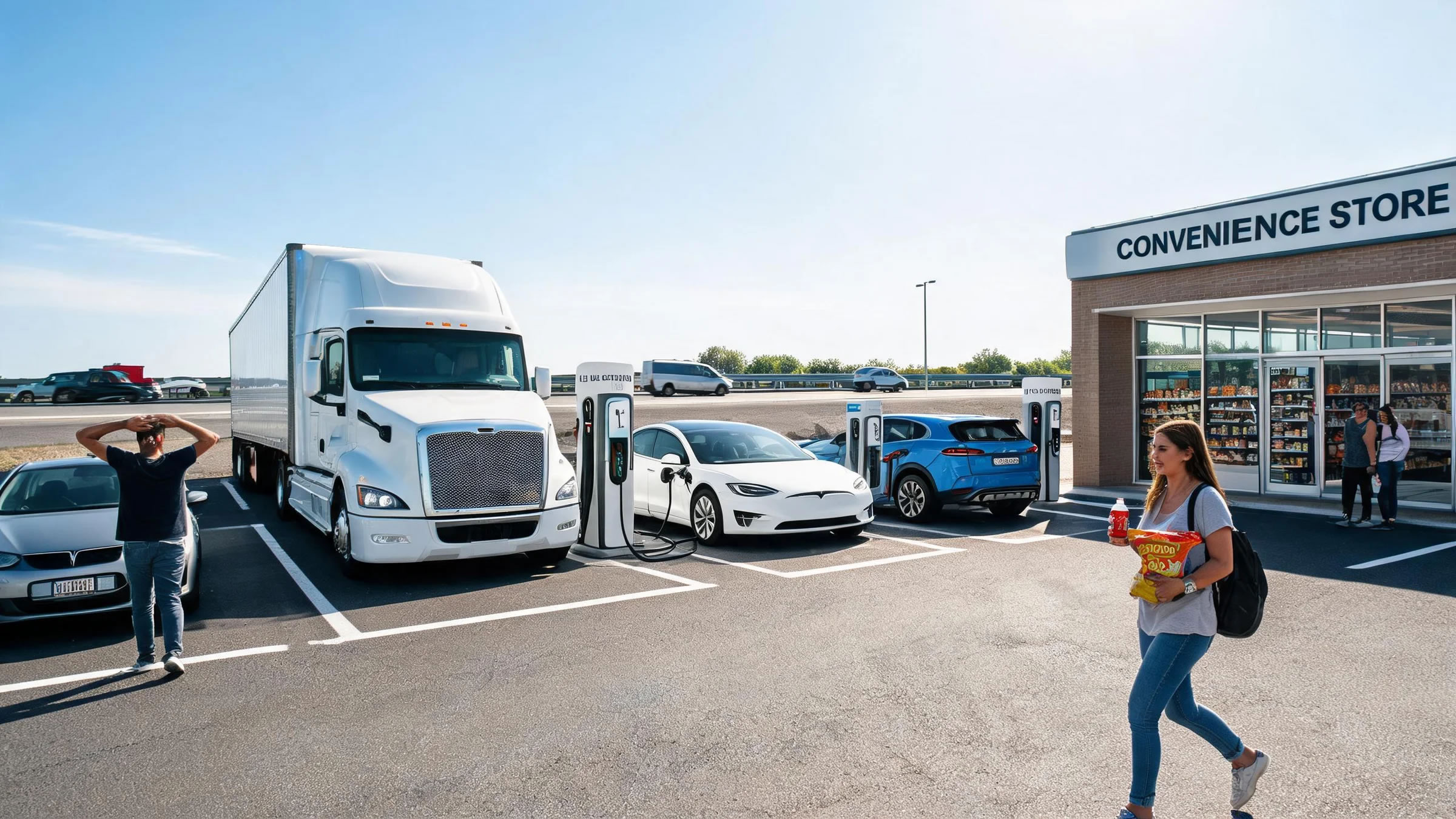
- Advertising and on-site services
- Partnerships with businesses and property owners
Diversification strengthens financial resilience.
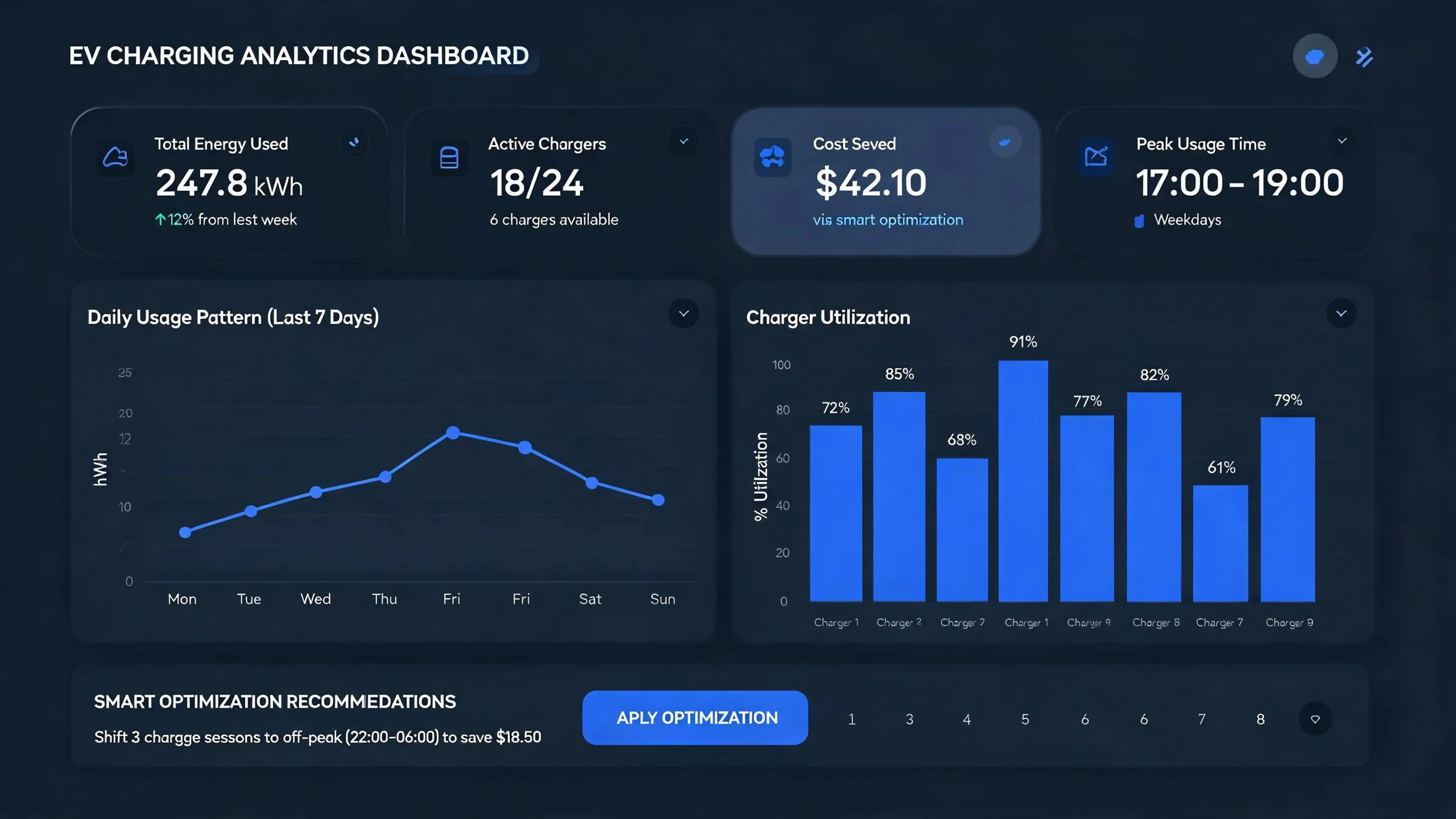
5. Data as a Strategic Asset
Charging networks generate valuable data over time:
- User behavior patterns
- Energy consumption trends
- Location performance metrics
This data enables:
- Smarter decision-making
- Operational optimization
- Improved pricing strategies
Data becomes an invisible but powerful layer of value.
6. Alignment with Energy Transition
EV charging infrastructure is closely linked to broader trends:
- Electrification of transport
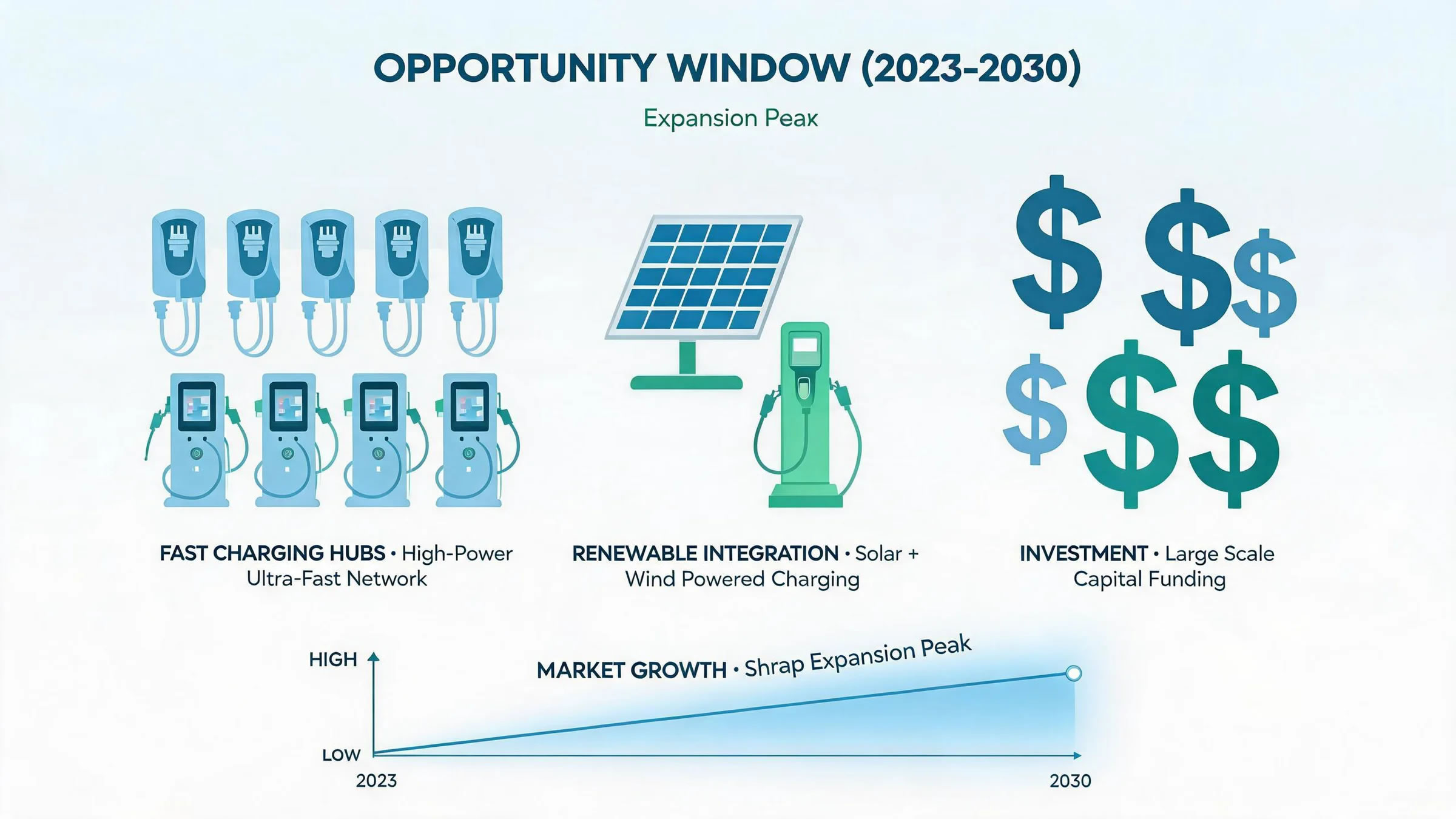
- Renewable energy integration
- Smart grid development
This alignment increases:
- Policy support
- Investment interest
- Long-term relevance
It is part of a structural global shift, not a temporary trend.
7. Barriers to Entry Over Time
As networks grow and mature, new entrants may face:
- Higher infrastructure costs
- Limited premium locations
- Strong existing competition
Early deployment and scaling can create lasting advantages.
Conclusion
EV charging networks generate long-term value through a combination of:
- Recurring demand
- Durable infrastructure
- Network effects
- Diverse revenue streams
- Data-driven optimization
More importantly, they are embedded in a broader transformation of how energy and mobility interact.
This is what makes EV charging not just a business — but a long-term infrastructure opportunity.
 June 22, 2026