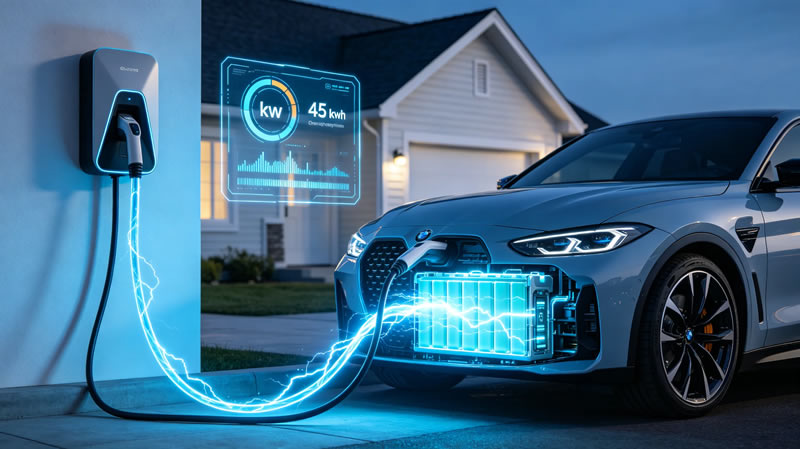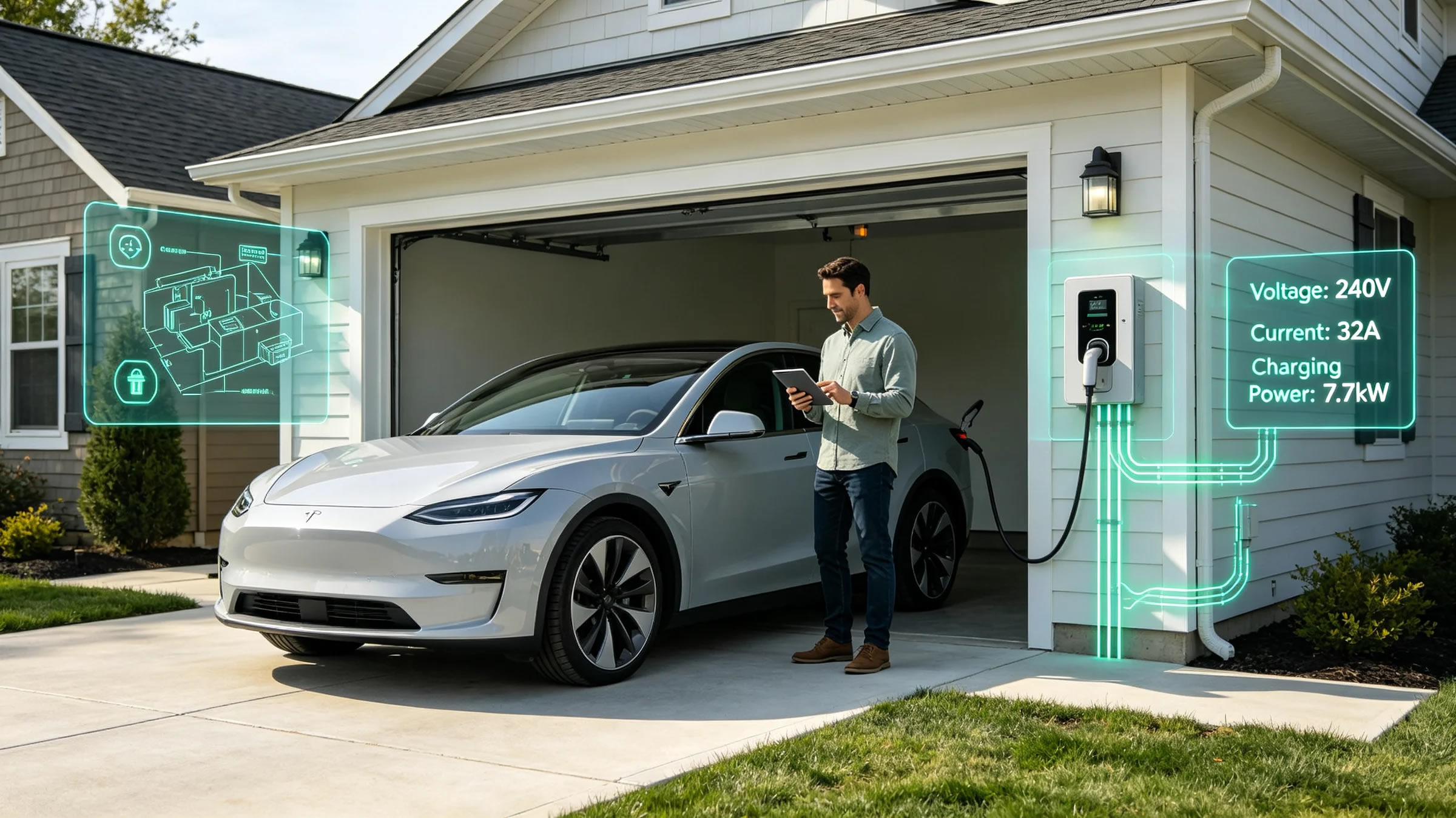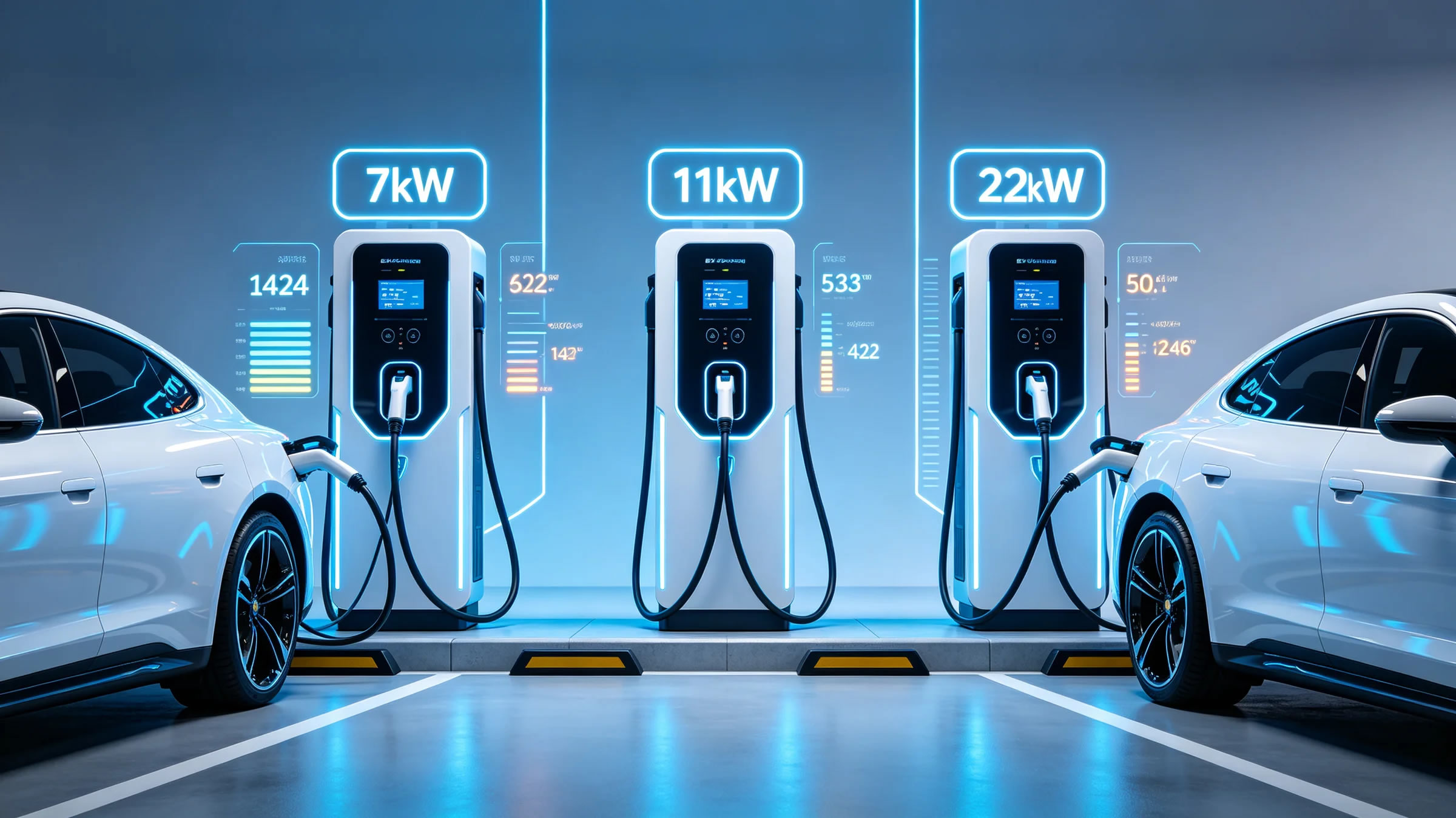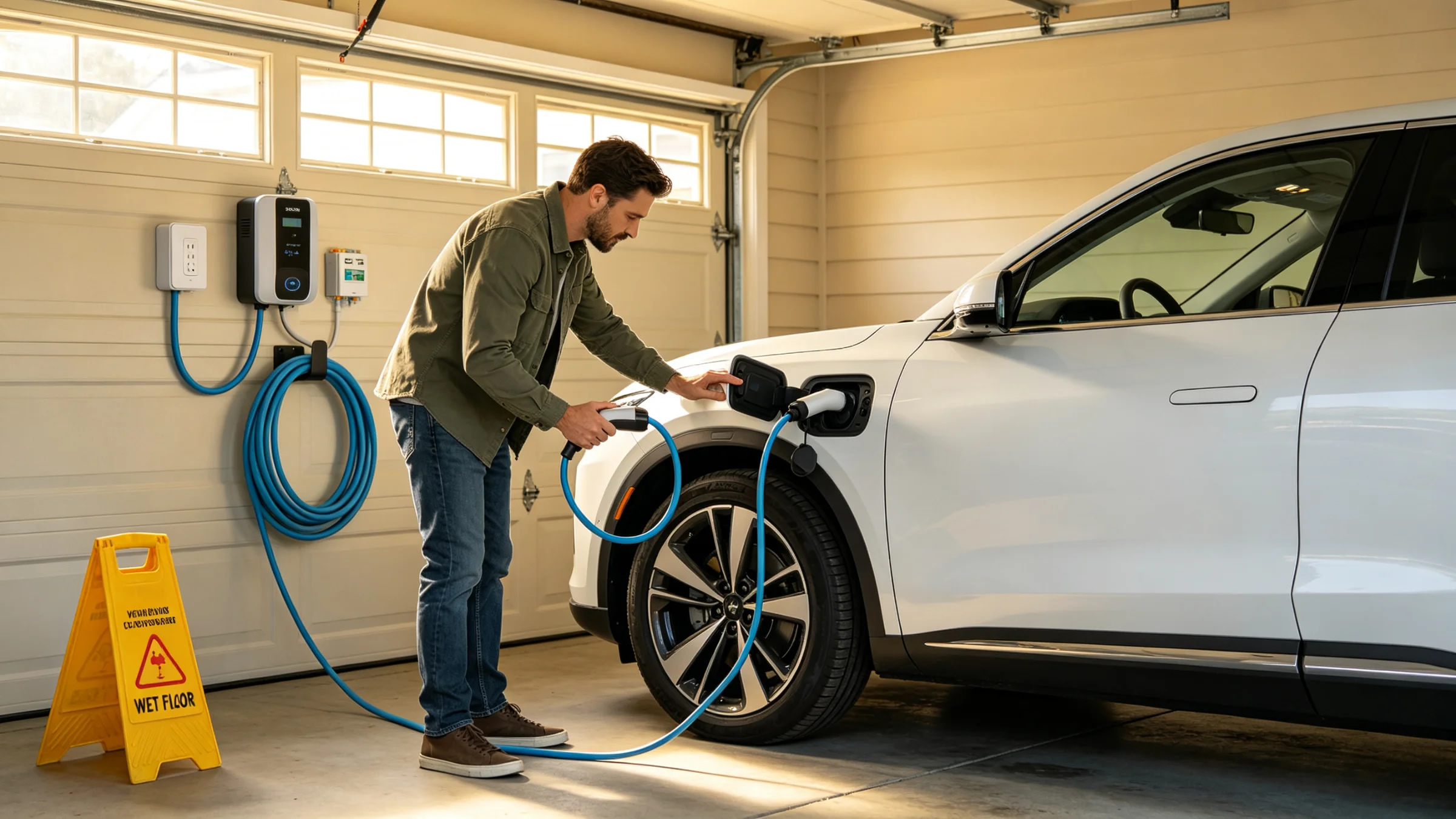
Home charging is one of the most convenient ways to charge an electric vehicle. When the vehicle, charger, and electrical installation are properly matched, EV charging can be a safe and reliable part of everyday driving.
However, EV chargers can operate at relatively high power for extended periods. Understanding basic electrical safety, equipment maintenance, and proper charging practices is therefore important for every EV owner.
1. Use a Properly Installed EV Charger
An EV charger should be installed according to the manufacturer's requirements and local electrical regulations.
Before installation, check:
- Electrical capacity
- Charger power
- Circuit configuration
- Cable specifications
- Grounding
- Required protection devices
Higher-power chargers may require additional electrical capacity or a three-phase supply. A qualified electrician should assess the installation when necessary.
2. Check Your Charging Cable and Connector
Inspect the charging cable and connector regularly.
Look for:
- Cracks or damaged insulation
- Exposed wires
- Burn marks
- Loose connections
- Signs of overheating
If the cable or connector appears damaged, stop using the charger and arrange a professional inspection.
Avoid attempting to repair high-power charging equipment yourself.
3. Avoid Improvised Extension Cables
EV charging can place a continuous load on an electrical circuit. Ordinary extension cables may not be designed for this type of long-duration load.
Improper extension solutions can increase the risk of:
- Overheating
- Voltage drop
- Circuit overload
- Connector damage
A properly designed and installed charging circuit is generally preferable to improvised connections.
4. Understand Charger Safety Protection
Modern EV chargers can include several protection functions, such as:
Overcurrent Protection
Helps protect the circuit when current becomes excessive.
Overvoltage Protection
Helps protect equipment from abnormal voltage conditions.
Residual Current Protection
Helps detect certain forms of electrical leakage.
Overtemperature Protection
Monitors temperature and can reduce or stop charging when necessary.
The exact protection configuration depends on the charger, electrical system, and local regulations.
5. Can You Charge an EV in the Rain?
Many EV chargers designed for outdoor use include protection against water and dust. However, users should always follow the manufacturer's instructions and consider the specific environmental rating of the equipment.
Before outdoor charging, make sure:
- The charger is suitable for outdoor use
- The connector is undamaged
- There is no flooding or standing water around electrical equipment
- The installation follows local requirements
Never use visibly damaged charging equipment in wet conditions.
6. Keep the Charging Area Safe
Good cable management is an important part of charging safety.
Avoid:
- Driving over the charging cable
- Leaving cables across walking areas
- Placing connectors directly on the ground
- Exposing cables to sharp edges
- Pulling or bending cables excessively
Keeping the charging area organized can reduce both electrical and physical hazards.
7. Watch for Abnormal Conditions
During charging, pay attention to unusual signs such as:
- Excessive heat
- Burning smells
- Smoke
- Sparks
- Unusual sounds
- Repeated charging interruptions
- Persistent error messages
If something looks, smells, sounds, or feels abnormal, stop charging and have the equipment inspected.
8. Follow the Vehicle and Charger Instructions
Different vehicles and chargers may have different requirements.
Before using a charger, check:
- Compatible connector
- Maximum charging power
- Charging procedure
- Indicator meanings
- Emergency shutdown instructions
The vehicle owner's manual and charger manufacturer's instructions should always take priority over general charging advice.
Simple EV Charging Safety Checklist
Before Charging
✓ Check the cable and connector
✓ Make sure the charging area is clear
✓ Check for visible damage or abnormal conditions
During Charging
✓ Keep cables away from vehicles and walking areas
✓ Monitor warning messages
✓ Do not modify the charger or safety equipment
After Charging
✓ Stop charging normally
✓ Disconnect the connector correctly
✓ Store the cable safely
EV charging safety depends on the entire charging system—not just the charger itself. The vehicle, electrical installation, charging equipment, protection systems, and user practices all play a role.
For most EV owners, the key principles are simple: use properly installed equipment, inspect cables regularly, keep the charging area safe, follow manufacturer instructions, and stop charging if anything appears abnormal.
With the right equipment and responsible charging habits, home EV charging can provide a convenient, reliable, and safe way to support everyday electric mobility.
 August 21, 2026