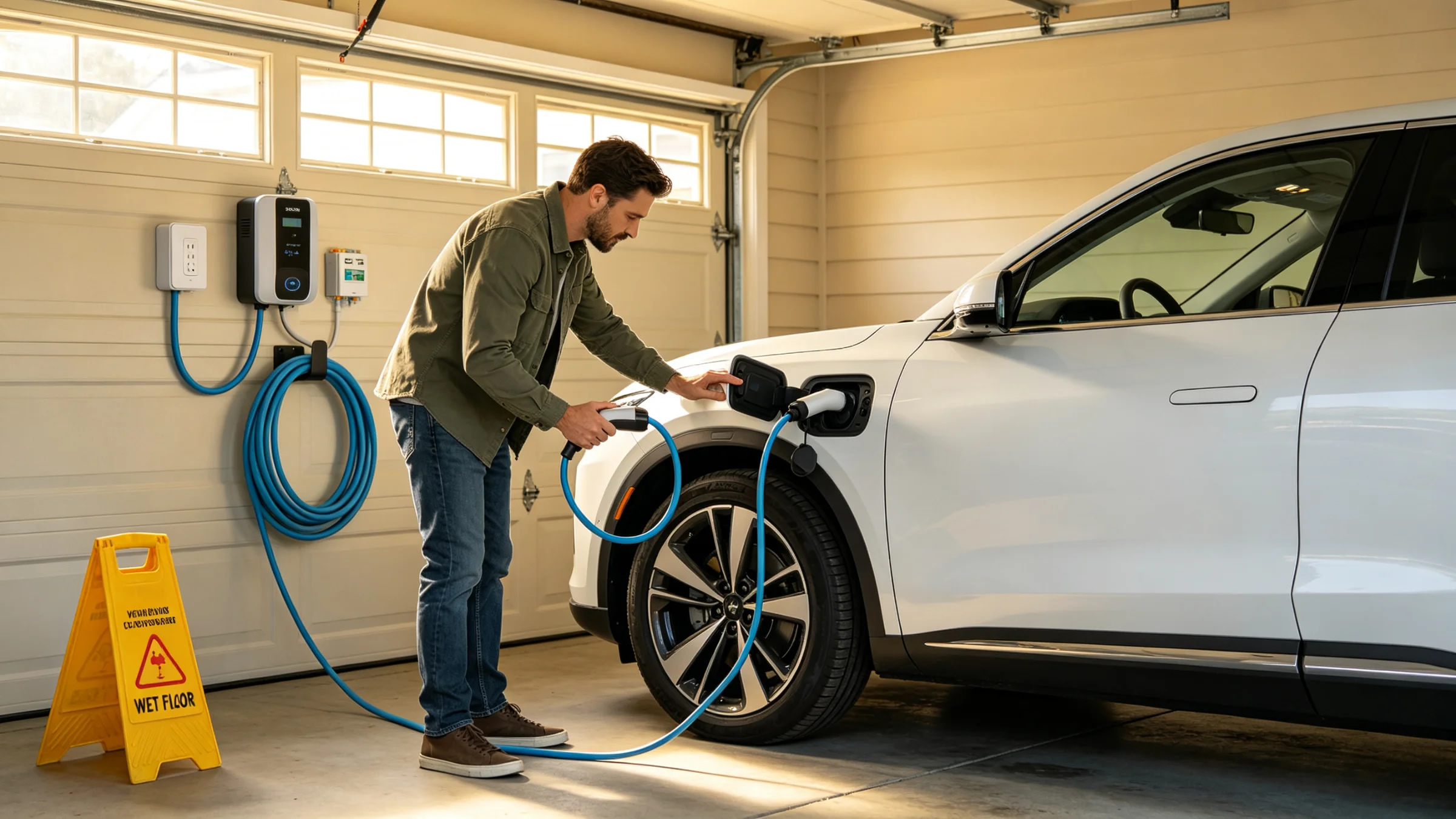
When choosing an EV charger, you may see specifications such as 7kW, 32A, 230V, IP55, 50Hz, Type 1, or Type 2. These numbers and terms can look complicated, but each one tells you something important about how the charger works and whether it is suitable for your vehicle and installation.
Understanding the basic specifications can help EV owners make a more informed decision instead of choosing a charger based only on its power rating.
1. What Does kW Mean?
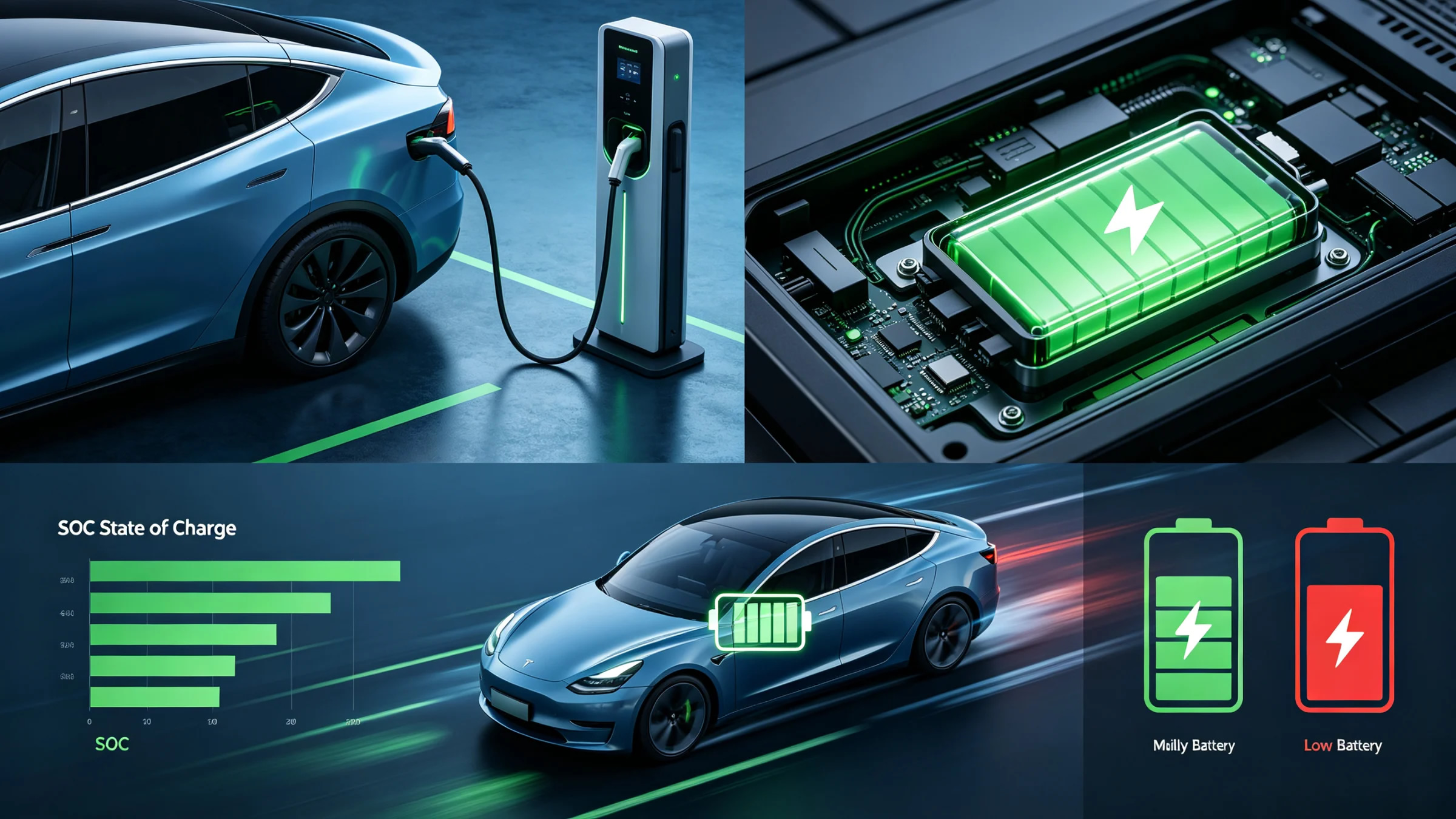
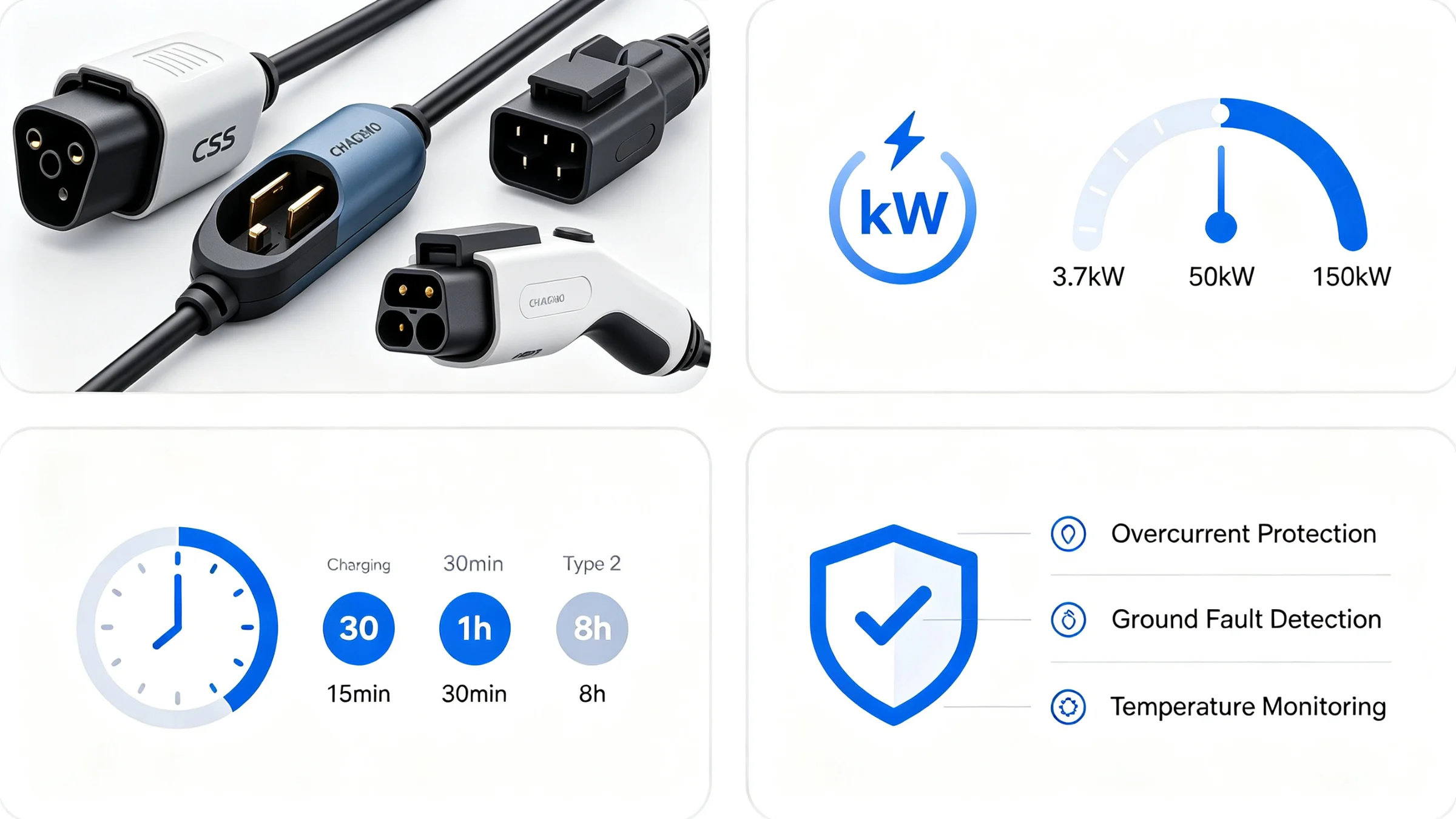
kW (kilowatt) indicates the charging power of an EV charger.
For example:
- 3.5kW — lower-power charging
- 7kW — common for home charging
- 11kW — higher-power AC charging
- 22kW — high-power AC charging
- 60kW and above — typically used for DC fast charging
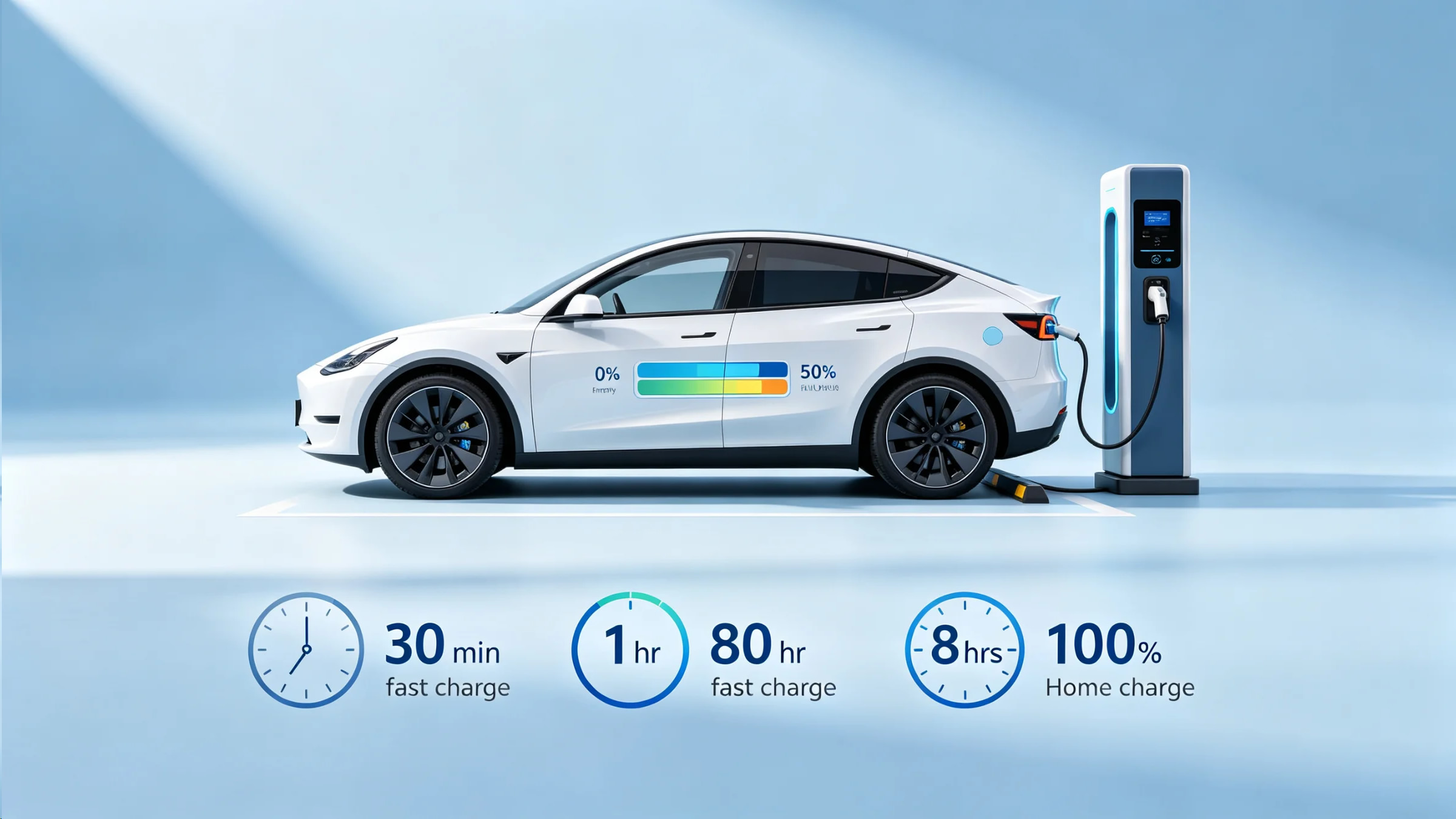
In general, a higher power rating means the charger can deliver energy more quickly. However, the actual charging power also depends on the vehicle's onboard charger, battery system, electrical installation, and other conditions.
Therefore, a 22kW charger does not necessarily mean every EV will charge at 22kW.
2. What Do Voltage and Current Mean?
Two other common specifications are Voltage (V) and Current (A).
Voltage represents the electrical potential, while current represents the amount of electrical current flowing through the system.
For AC charging, a simplified relationship is:
Power ≈ Voltage × Current
For example, under a single-phase 230V supply:
230V × 32A ≈ 7.4kW
This is why many home EV chargers are rated around 7kW when operating at approximately 230V and 32A.
The actual power can vary depending on the electrical system and charger configuration.
3. What Does 50Hz Mean?
Hz (Hertz) refers to the frequency of the AC electrical supply.
In many countries, household electricity operates at 50Hz, while some regions use 60Hz.
A charger should be compatible with the electrical frequency and voltage of the installation where it will be used.
This is particularly important when purchasing an EV charger for use in a different country or region.
4. What Is the IP Rating?
You may also see specifications such as IP54, IP55, or IP65.
IP stands for Ingress Protection and indicates how well equipment is protected against the intrusion of solids and water.
For example, the first digit relates to protection against solid particles, while the second digit relates to water protection.
For an EV charger installed in a garage, driveway, parking area, or other outdoor environment, an appropriate IP rating is important.
However, IP rating alone does not mean that a charger can be installed anywhere. The manufacturer's installation requirements should always be followed.
5. Why Does the Connector Type Matter?
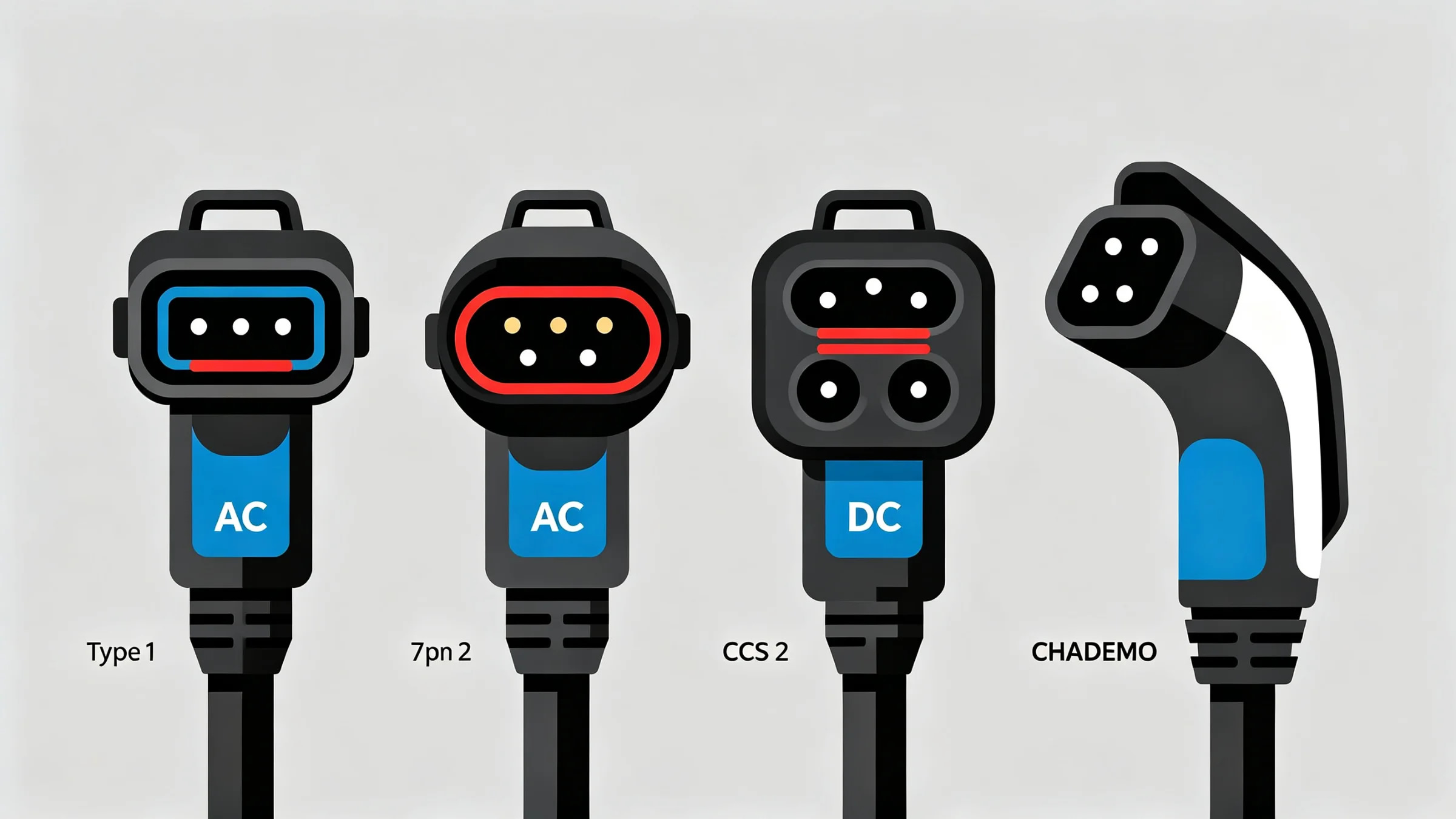
The connector determines how the charger connects to the vehicle.
Common EV charging connectors include:
- Type 1 — commonly used for AC charging in some markets
- Type 2 — widely used for AC charging in Europe and other markets
- CCS — commonly used for DC fast charging
- CHAdeMO — another DC charging standard used by certain vehicles
Before purchasing a charger, make sure the connector is compatible with your vehicle.
A charger with high power is of little use if the connector cannot properly connect to the car.
6. What Protection Features Should You Look For?
Electrical protection is another important part of an EV charger's specification.
Depending on the product, protection functions may include:
- Overcurrent protection
- Overvoltage protection
- Undervoltage protection
- Overtemperature protection
- Ground-fault or leakage protection
- Short-circuit protection
- Surge protection
The exact protection configuration varies between products and markets.
When comparing chargers, it is useful to look beyond charging power and check what electrical protection functions are included.
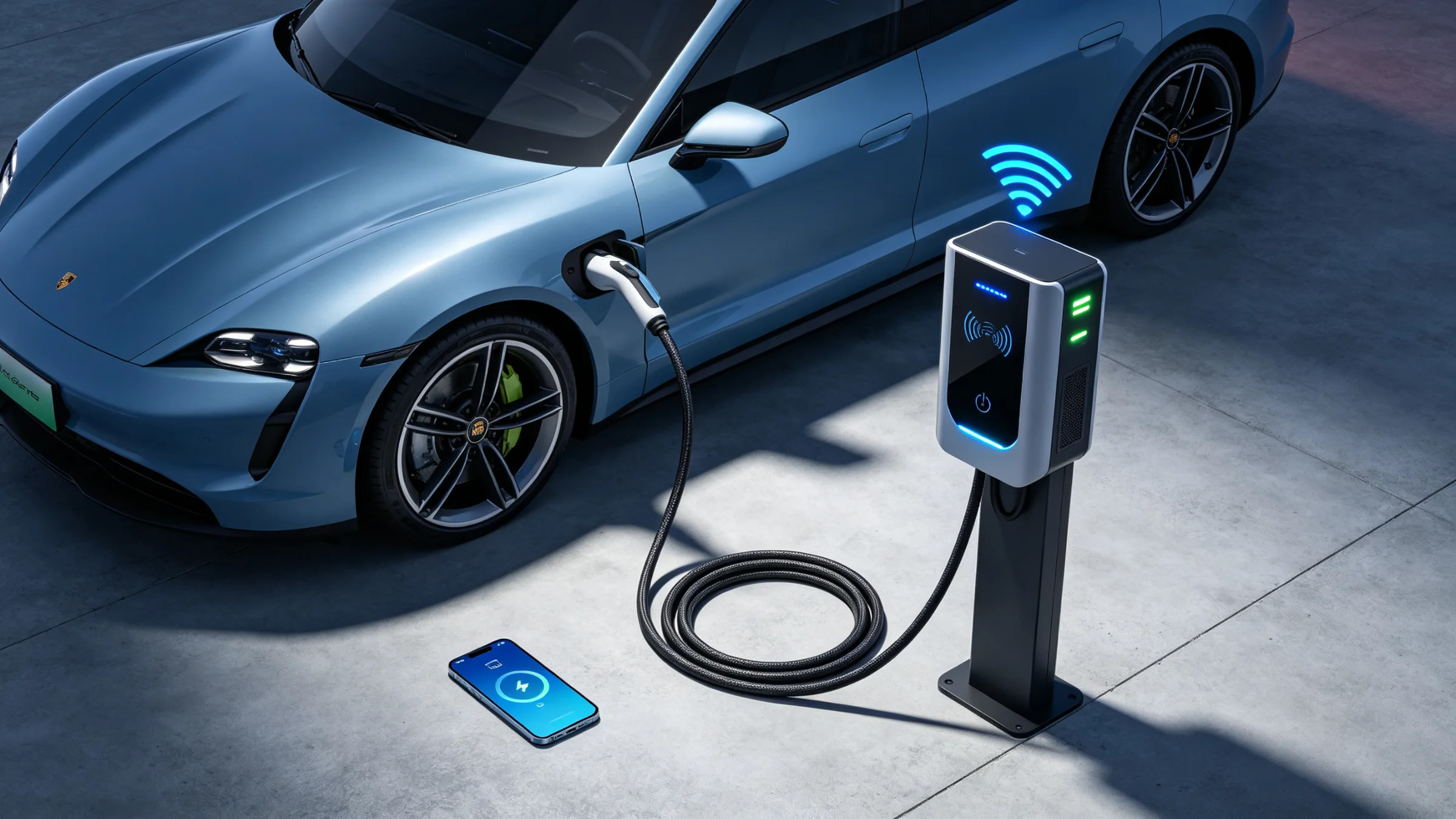
7. What Are Smart Charging Features?
Modern EV chargers may offer more than basic electricity delivery.
Some models include features such as:
- Wi-Fi or Bluetooth connectivity
- Mobile app control
- Charging schedules
- Charging history
- Energy monitoring
- Remote start and stop
- Load management
- User access control
These functions can make daily charging more convenient and can help users better understand their electricity consumption.
However, smart features are not essential for every EV owner. The best choice depends on how the charger will actually be used.
8. Which Specifications Matter Most?
Not every specification has the same importance for every user.
| Specification | What It Tells You | Why It Matters |
|---|---|---|
| kW | Charging power | Determines potential charging speed |
| V | Voltage | Must match the electrical system |
| A | Maximum current | Affects available charging power |
| Hz | Electrical frequency | Must be compatible with the local grid |
| IP Rating | Environmental protection | Important for outdoor installation |
| Connector | Vehicle connection | Must match the EV |
| Protection | Electrical safety functions | Helps protect the charger and vehicle |
| Smart Features | Connectivity and control | Improves convenience |
9. Don't Choose a Charger by kW Alone
One of the most common mistakes is assuming that the charger with the highest power rating is automatically the best choice.
In reality, the right charger should match several factors:
Vehicle capability + electrical installation + charging habits + installation environment + desired features
For example, a driver who charges overnight at home may find a 7kW AC charger sufficient for everyday use.
Another driver who regularly needs faster charging may have different requirements.
The goal is not simply to choose the most powerful charger, but to choose one that fits the vehicle and the actual charging scenario.
EV charger specifications may seem technical at first, but the most important terms are relatively easy to understand.
kW tells you the charging power, V and A describe the electrical supply, IP rating indicates environmental protection, connector type determines compatibility, and protection and smart features tell you more about the charger's functionality.
Before purchasing an EV charger, take a few minutes to compare these specifications with your vehicle's requirements and your home's electrical system.
A charger that matches your actual needs is usually a better choice than simply selecting the highest power available.
 September 7, 2026