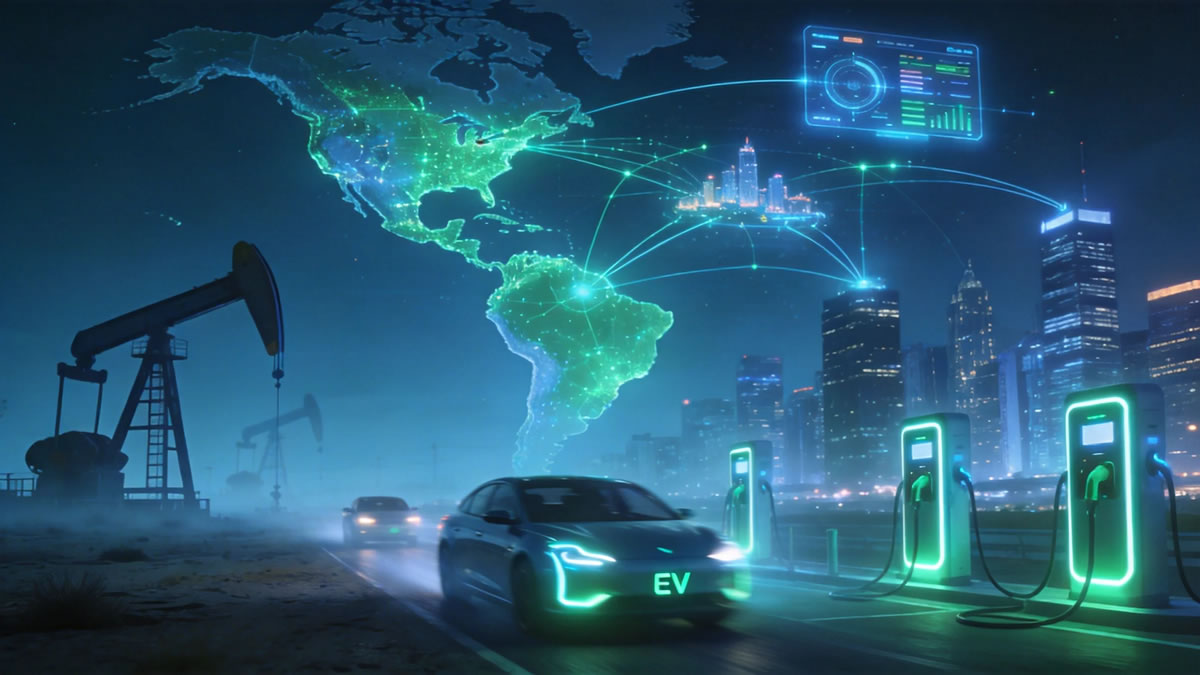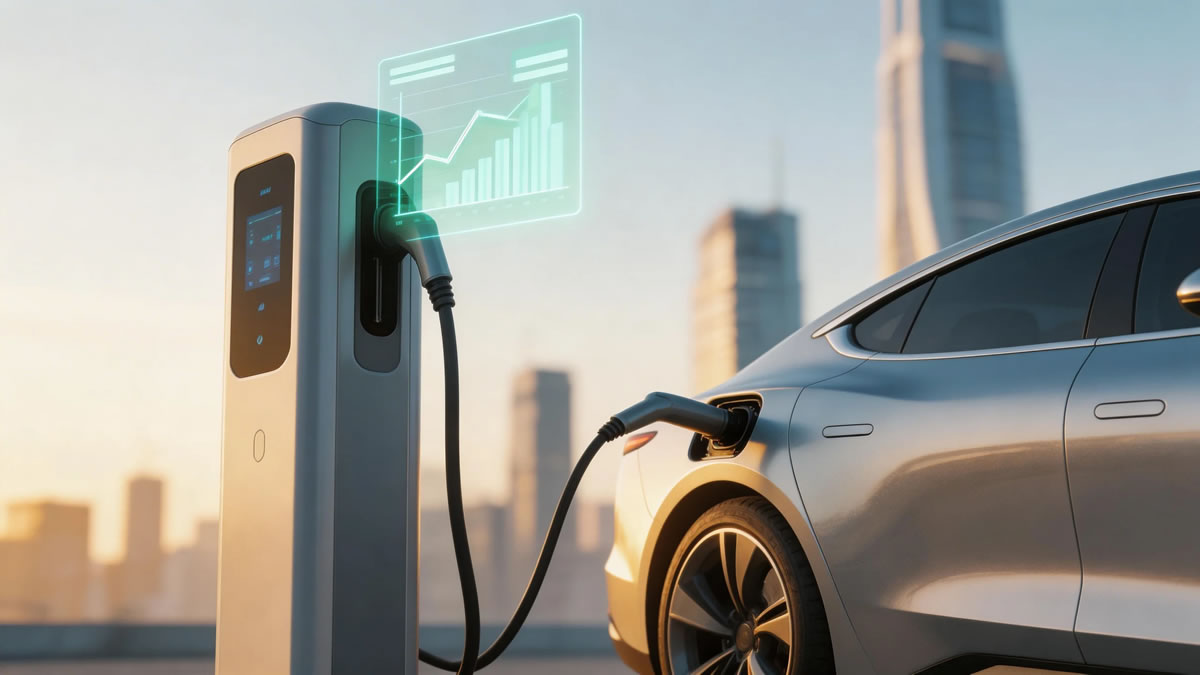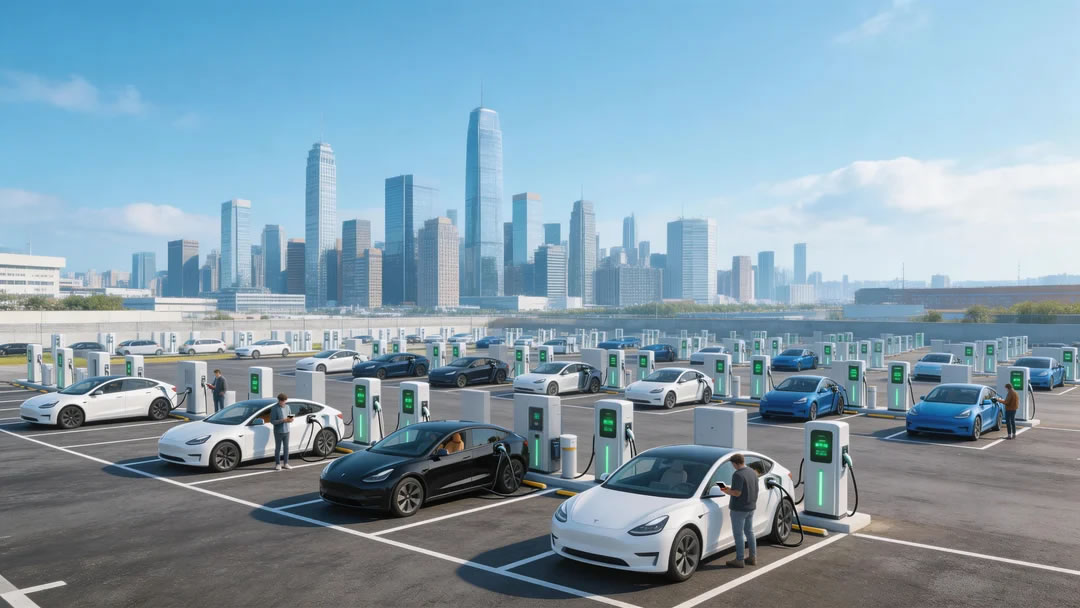
The global transition to electric mobility is often described as a unified movement.
In reality, it is anything but uniform.
Behind the headlines of rapid EV adoption lies a deeply uneven landscape of infrastructure development. Some regions have already built extensive charging networks, while others are only beginning to take their first steps.
This divide is quietly shaping the future of transportation — and redefining where the next wave of growth will emerge.
The Leaders: Building at Scale
A small group of regions has taken a clear lead in developing EV charging infrastructure.
China, for example, has built the world’s largest charging network, supported by strong policy direction, centralized planning, and rapid execution. Charging stations are integrated into urban environments, residential areas, and highway systems.
Europe has followed a similarly aggressive path. Driven by climate targets and regulatory frameworks, countries across the region are expanding charging access in cities, along transport corridors, and across borders.
In these markets, charging infrastructure is no longer a bottleneck — it is becoming a standard component of daily life.
The Fast Followers: Accelerating Momentum
The United States represents a different trajectory.
While early adoption was slower and more fragmented, recent policy initiatives and funding programs have accelerated deployment. Public and private sectors are increasingly aligned, and large-scale investments are beginning to reshape the infrastructure landscape.
Other developed regions are also gaining momentum, combining technological innovation with growing market demand.
These markets are not leading — but they are catching up quickly.
The Emerging Markets: The Next Frontier
Beyond the leading regions lies a vast group of emerging markets, where EV charging infrastructure is still in its early stages.
Latin America, Southeast Asia, parts of the Middle East, and Africa all share similar characteristics:
- Rapid urbanization
- Growing vehicle demand
- Limited existing charging networks
In many of these regions, the gap between EV adoption and infrastructure availability is significant.
But this gap is not just a challenge — it is a signal.
It indicates where the next phase of global expansion is likely to occur.
Infrastructure Gaps and Leapfrogging
Historically, late-developing regions have sometimes been able to leapfrog older systems.
Just as some countries moved directly into mobile internet without building extensive landline networks, emerging markets may adopt more advanced, integrated charging solutions from the outset.
Instead of replicating traditional models, they may build:
- Smarter, digitally connected charging systems
- Infrastructure integrated with renewable energy
- Flexible deployment models tailored to local conditions
This creates the possibility of a different kind of growth — one that is faster, more adaptive, and potentially more efficient.
Why the Divide Matters
The uneven distribution of charging infrastructure is more than a technical issue.
It has broader implications for:
- The pace of EV adoption
- The competitiveness of regional economies
- The direction of global investment and innovation
Regions with mature infrastructure can scale quickly and stabilize their transition. Those without it face delays — but also hold untapped potential.
Understanding this divide is key to understanding the future of the EV ecosystem.
A Multi-Speed Transition
The global shift to electric mobility is not a single wave.
It is a multi-speed transformation.
- Some regions are optimizing and refining
- Some are accelerating and expanding
- Others are just beginning
Over time, these different speeds will reshape the global map of energy and transportation.
The question is not who is ahead today.
It is who will build the next layer of infrastructure tomorrow.
 March 27, 2026