As the global transition to electric mobility accelerates, one trend is becoming increasingly clear:
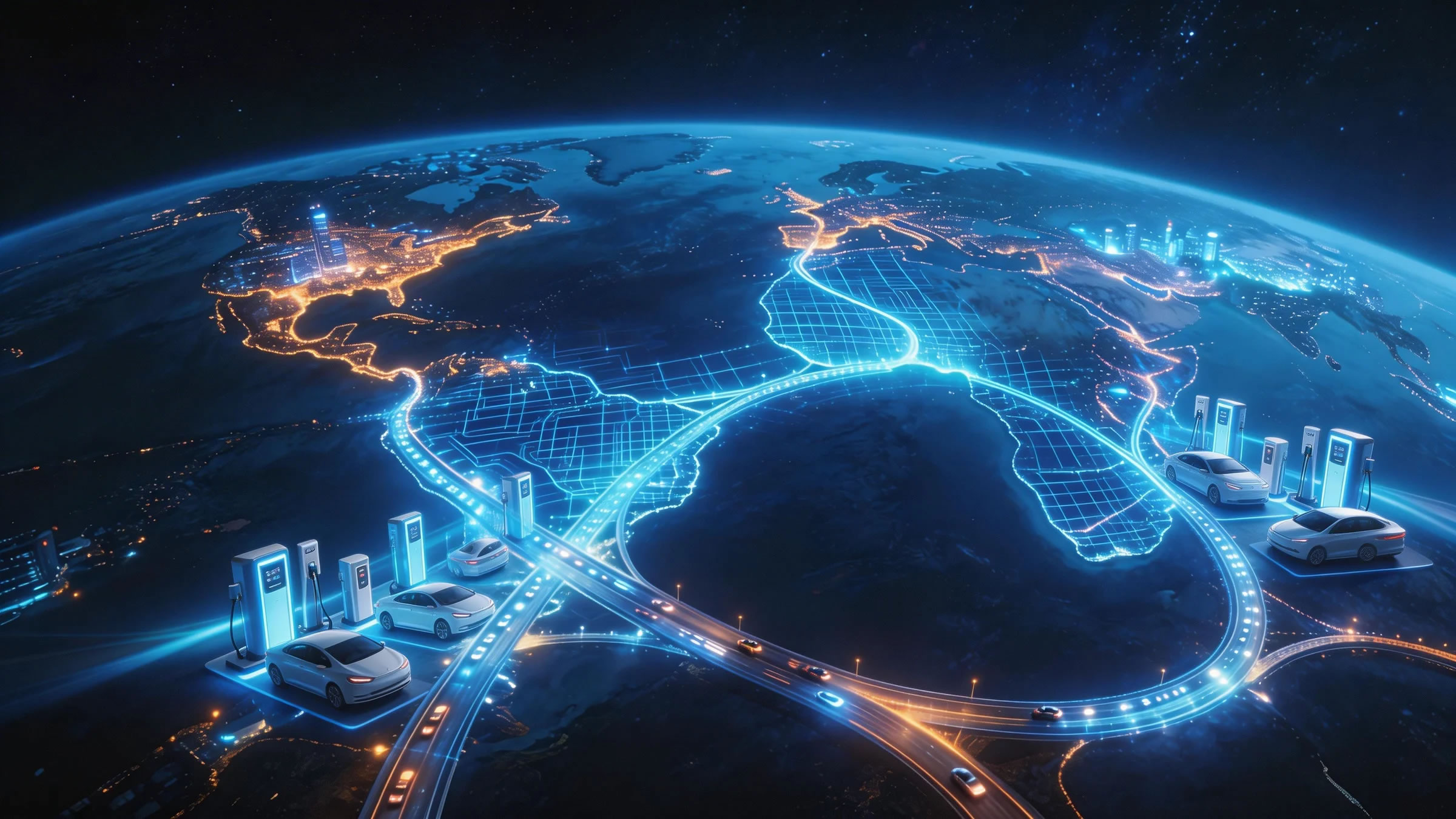
The development of EV charging infrastructure is no longer confined within national borders.
It is becoming a global effort — and Chinese companies are playing a growing role in shaping it.
From Domestic Scale to Global Reach
China’s leadership in electric mobility did not happen overnight.
Over the past decade, the country has built the world’s largest electric vehicle market and one of the most extensive charging networks. This scale has created a unique advantage:
Experience.
Chinese companies have operated in highly competitive environments, deploying infrastructure at speed and scale, while continuously improving technology and cost efficiency.
Now, this experience is beginning to extend beyond domestic markets.
Exporting More Than Hardware
At first glance, the global expansion of charging infrastructure may appear to be driven by equipment exports.
But the reality is more complex.
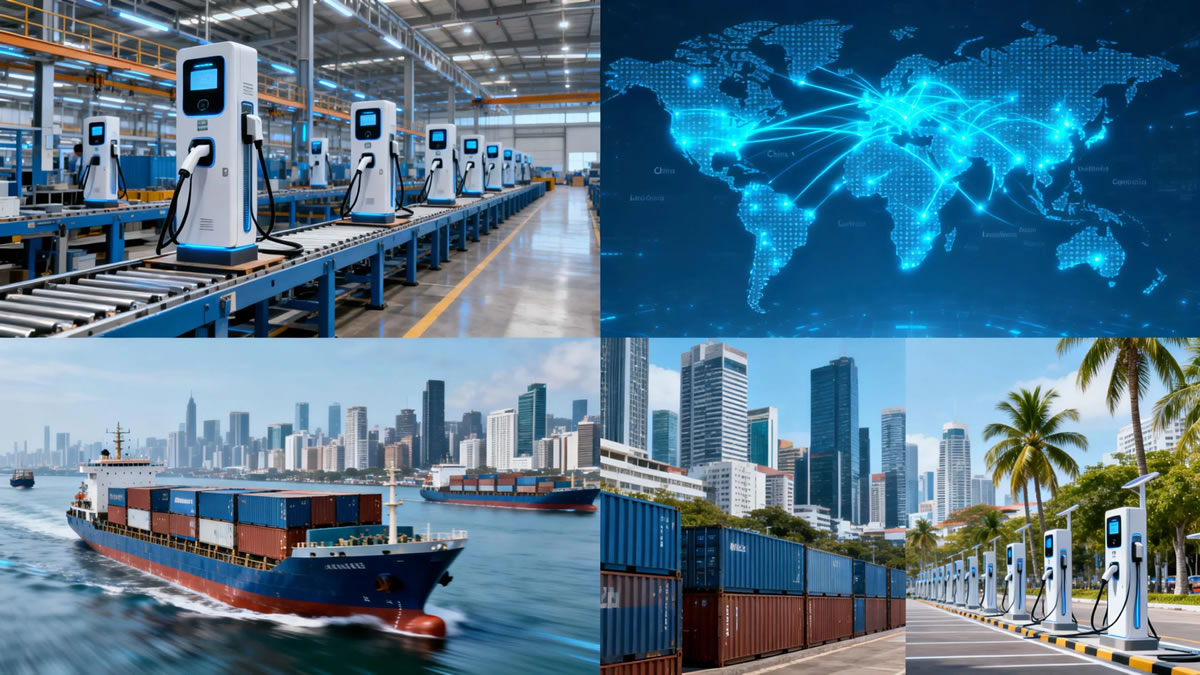
Chinese companies are not only exporting charging stations — they are exporting integrated solutions.
These include:
- End-to-end system design
- Software platforms for operation and management
- Payment and user interface systems
- Maintenance and network optimization capabilities
In other words, what is being deployed is not just hardware, but a complete ecosystem.
Adapting to Local Markets
Global expansion is not a one-size-fits-all process.
Different regions have different regulatory environments, energy structures, and user behaviors. Success depends on the ability to adapt.
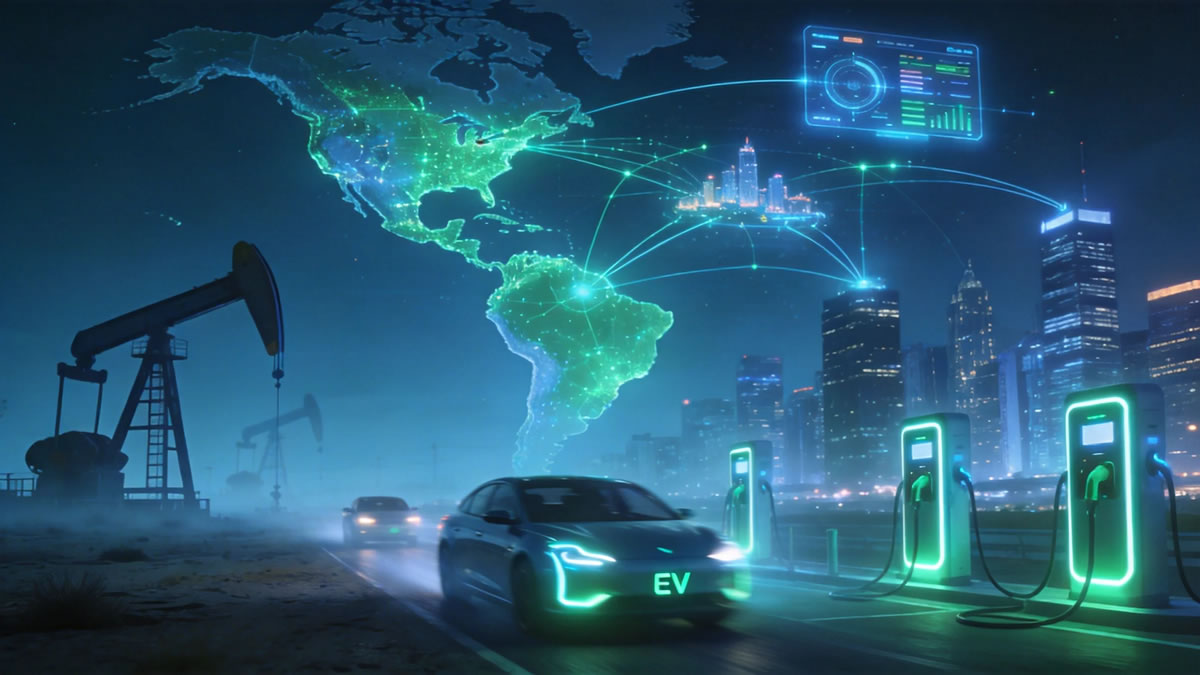
In Latin America, Southeast Asia, and other emerging markets, companies are increasingly working with local partners to tailor solutions to specific conditions:
- Grid stability and capacity
- Urban density and mobility patterns
- Policy frameworks and incentives
This localized approach is becoming essential for building sustainable infrastructure.
Bridging Infrastructure Gaps
One of the most significant roles Chinese companies are playing globally is helping to bridge infrastructure gaps.
In regions where charging networks are still underdeveloped, the ability to deploy quickly and cost-effectively is critical.
Leveraging manufacturing efficiency and deployment experience, companies are contributing to:
- Faster rollout of charging stations
- Lower barriers to infrastructure development
- Increased accessibility to electric mobility
This is particularly relevant in emerging markets, where the demand for infrastructure is growing but resources may be limited.
Competition and Collaboration
The global charging infrastructure landscape is becoming increasingly competitive.
Companies from different regions are entering the space, bringing diverse technologies and business models.
At the same time, collaboration is also expanding.
Partnerships between international companies, local operators, and governments are becoming more common, reflecting the scale and complexity of the transition.
In this environment, competition and cooperation coexist — both driving innovation forward.
A Key Role in a Global Transition
The shift to electric mobility is a global transformation, but it is being built through the contributions of many participants.
Chinese companies, shaped by one of the fastest-growing EV markets in the world, are now part of this broader effort.
Their role is not defined solely by origin, but by their ability to:
- Scale infrastructure
- Integrate systems
- Adapt to diverse environments
Beyond Expansion
Global expansion is not just about entering new markets.
It is about participating in the construction of a new energy system.
As EV adoption continues to grow worldwide, the need for interconnected, reliable, and scalable charging infrastructure will only increase.
In this context, the companies that can bridge regions, technologies, and systems will help shape the next phase of the transition.
The global EV charging network is still being built.
And its development is becoming a shared effort — across countries, industries, and technologies.
 March 30, 2026