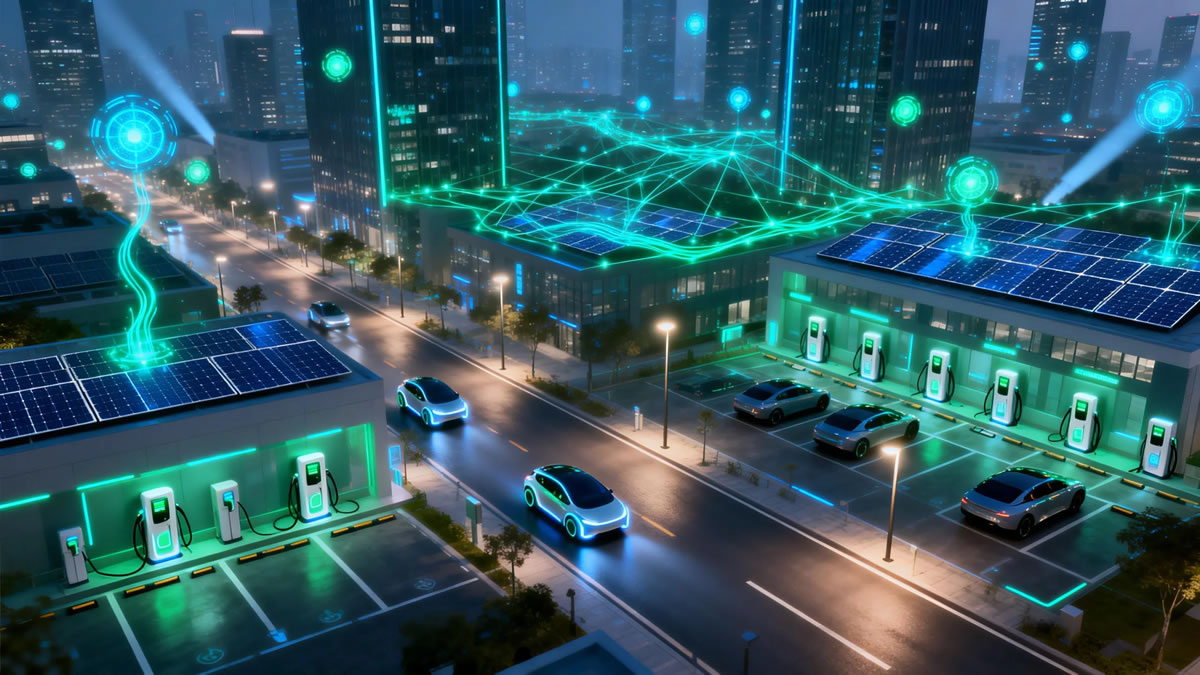
Cities have always been shaped by the infrastructure that powers them.
From roads and railways to power grids and data networks, each layer of infrastructure has influenced how cities grow, function, and evolve.
Today, a new layer is emerging — one that could quietly redefine the structure of urban life:
EV charging networks.
Infrastructure Shapes Behavior
Urban design has never been neutral.
The layout of roads determines traffic flow. Public transport systems influence how people move. Even the location of gas stations has historically shaped driving patterns and urban expansion.
Charging infrastructure introduces a new dynamic.
Unlike traditional refueling, EV charging is not limited to dedicated stations. It can happen at homes, offices, shopping centers, parking lots, and along highways.
This flexibility allows charging to be embedded directly into the fabric of the city.
From Fixed Points to Distributed Networks
Gas stations are centralized by design.
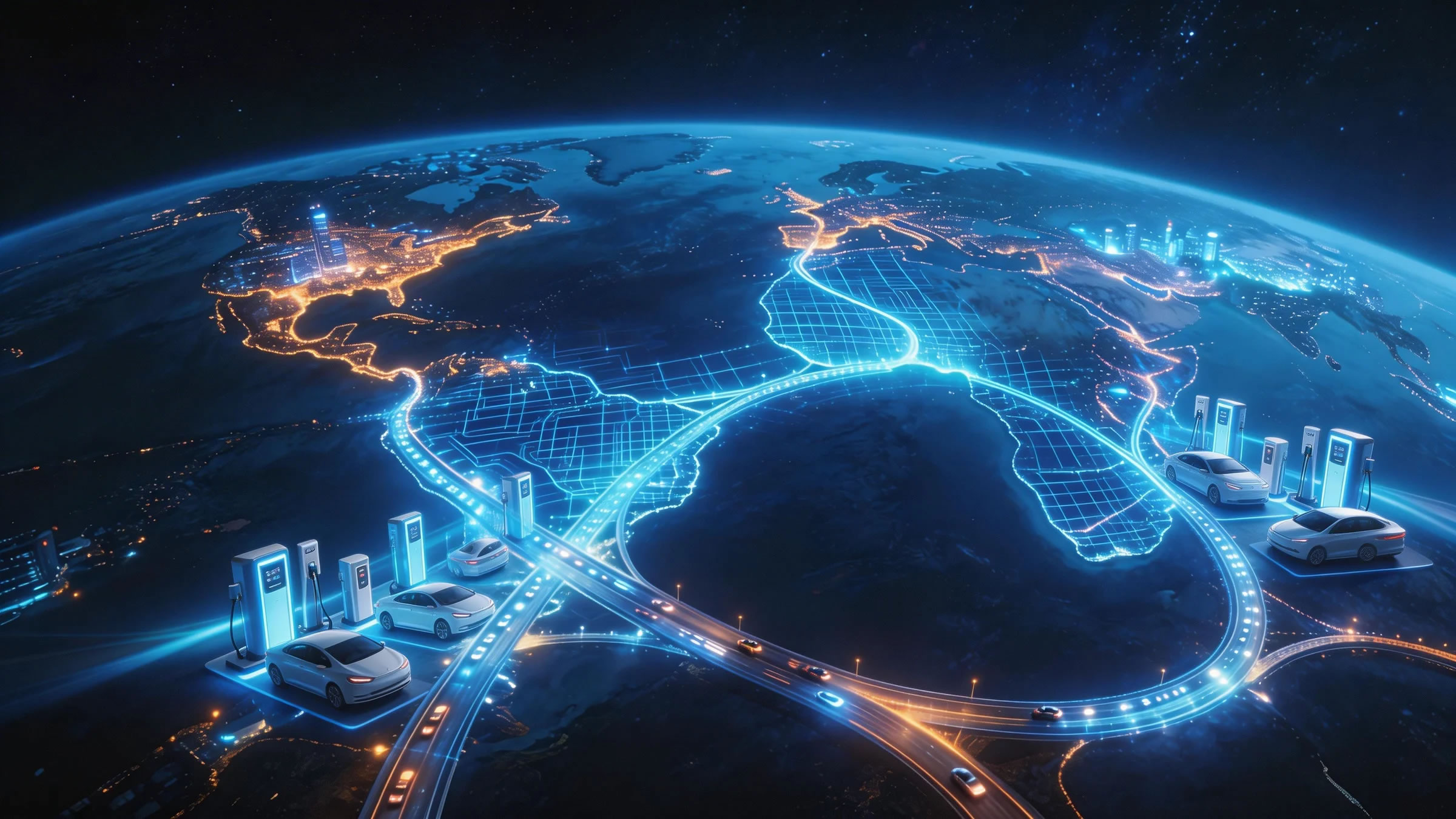
Charging networks, however, are inherently distributed.
This shift changes how cities organize energy access:
- Instead of traveling to refuel, energy comes closer to where vehicles are
- Charging becomes part of everyday routines rather than a separate activity
- Infrastructure spreads across multiple urban layers
Over time, this distributed model can reshape how space is used within cities.
Parking areas may double as energy hubs. Commercial spaces may integrate charging as a standard feature. Residential buildings may evolve to support energy access as a basic utility.
The Rise of Urban Energy Nodes
As charging networks expand, certain locations within cities may take on new roles.
Charging stations are no longer just service points — they can become urban energy nodes.
These nodes may:
- Connect vehicles with the power grid
- Integrate renewable energy sources such as solar
- Store and redistribute electricity based on demand
In this model, cities are not just consumers of energy — they become active participants in energy management.
Integrating Mobility and Energy
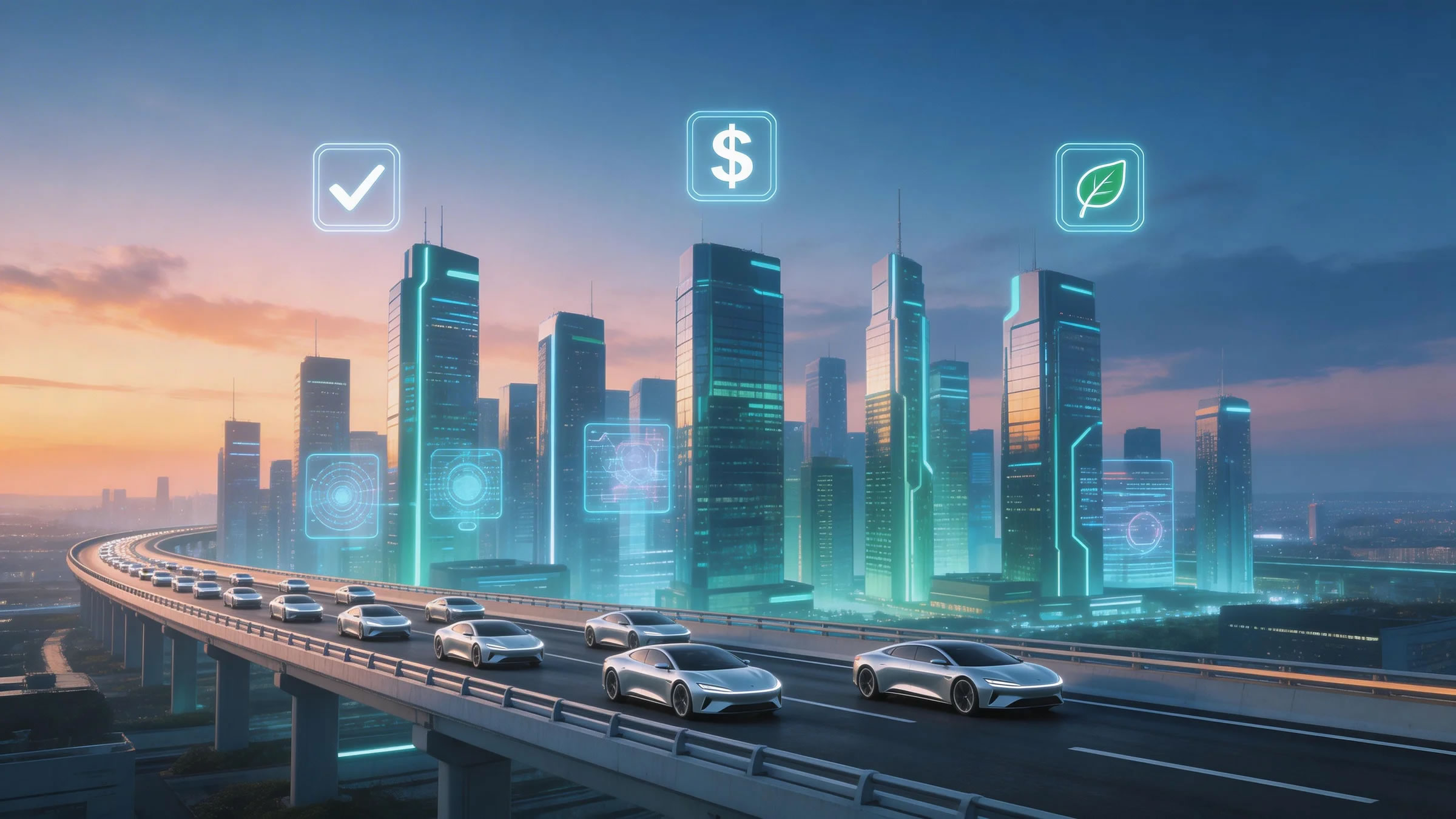
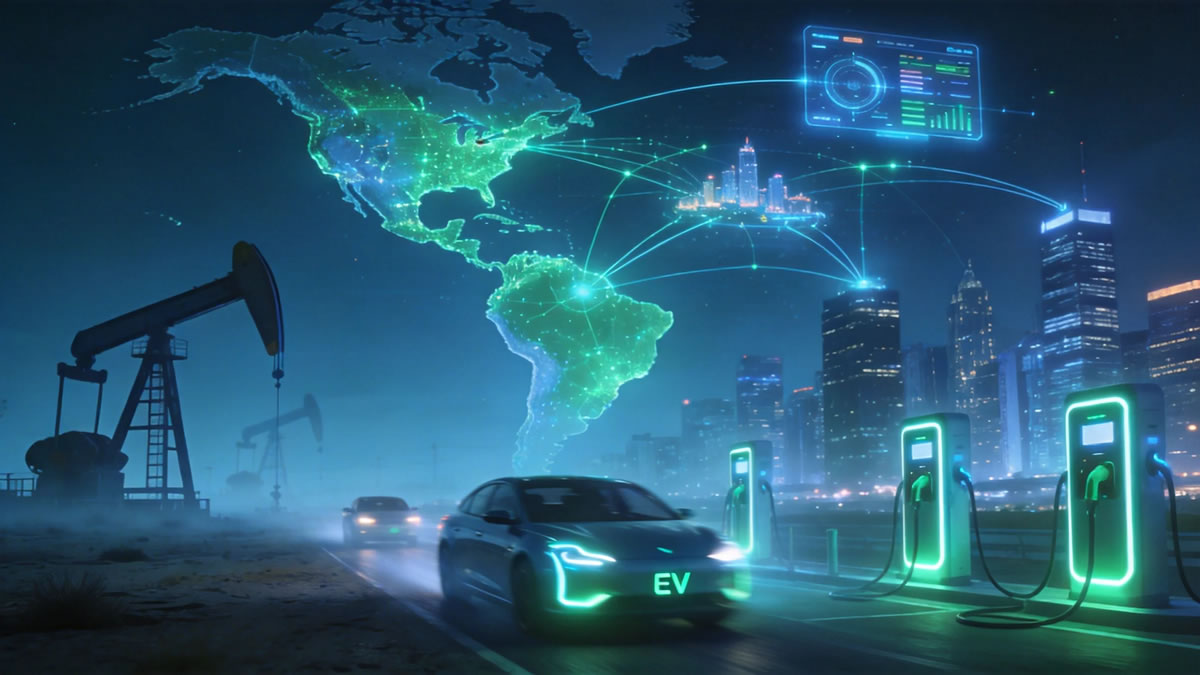
One of the most significant changes is the convergence of mobility and energy systems.
In traditional models, transportation and energy infrastructure operated separately.
In an electric mobility ecosystem, they are deeply interconnected.
- Vehicles depend on the grid
- The grid responds to mobility demand
- Data connects both systems in real time
This integration creates a more dynamic and responsive urban environment — one where energy and movement are continuously coordinated.
Designing the Future City
As EV adoption increases, urban planners and policymakers face new questions:
- Where should charging infrastructure be prioritized?
- How can cities balance demand across different areas?
- How can renewable energy be integrated into urban systems?
The answers to these questions will shape not only transportation, but also land use, architecture, and city planning.
Charging networks are becoming part of the blueprint of future cities.
A Subtle but Profound Transformation
The transformation driven by charging infrastructure may not be immediately visible.
There will be no single moment when cities suddenly change.
Instead, the shift will happen gradually:
- More charging points appear
- More buildings integrate energy access
- More systems become connected
Over time, these incremental changes will accumulate into a fundamentally different urban structure.
Beyond Mobility
At its core, this transformation is not just about how vehicles are powered.
It is about how cities organize energy, space, and movement.
Charging networks are not simply supporting electric mobility.
They are helping redefine what a city is — and how it functions.
The cities of the future will not just be built around roads.
They will be built around networks of energy.
And those networks are already taking shape.
 April 1, 2026