1. Global EV Charging Demand Continues to Surge
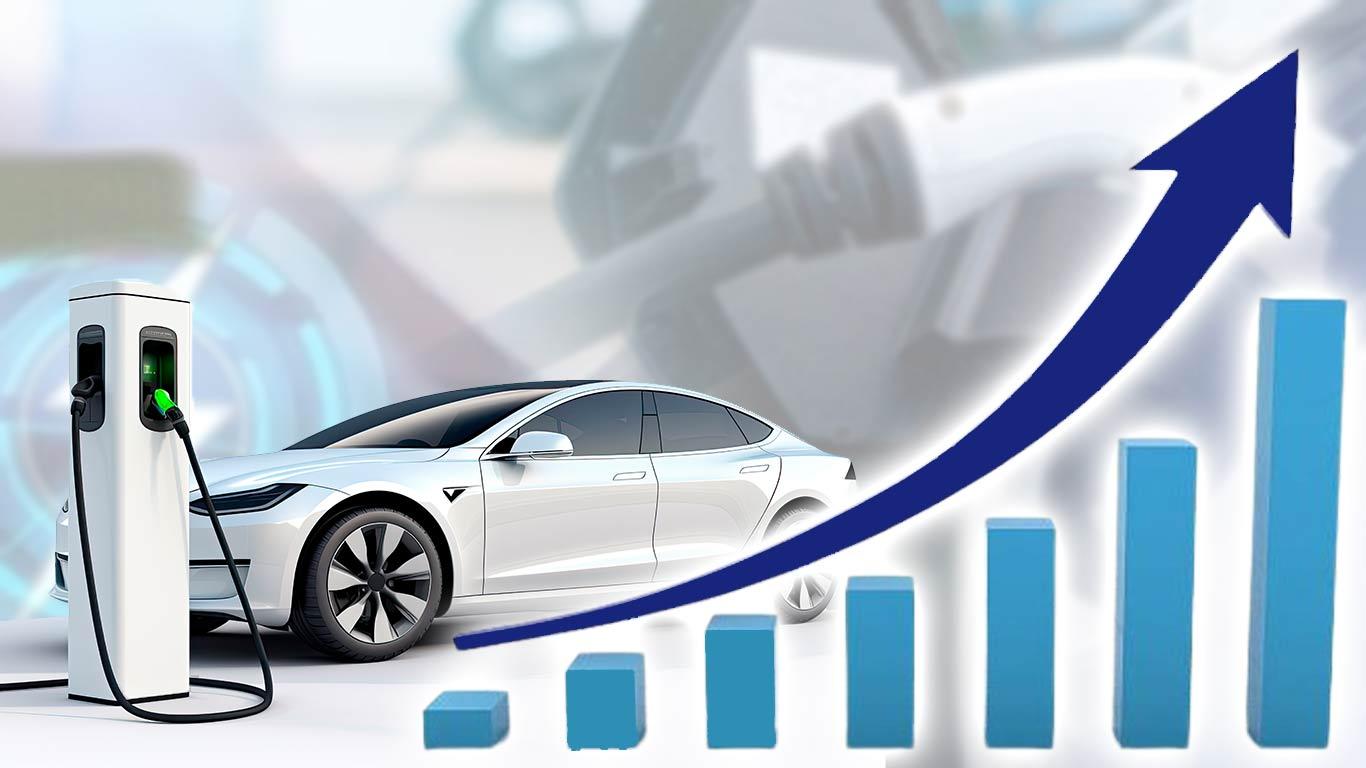
In 2026, the global electric vehicle (EV) market continues its rapid growth, driving an unprecedented demand for EV charging infrastructure. Governments across Europe, North America, and Asia are accelerating their clean energy policies, pushing for widespread EV adoption.
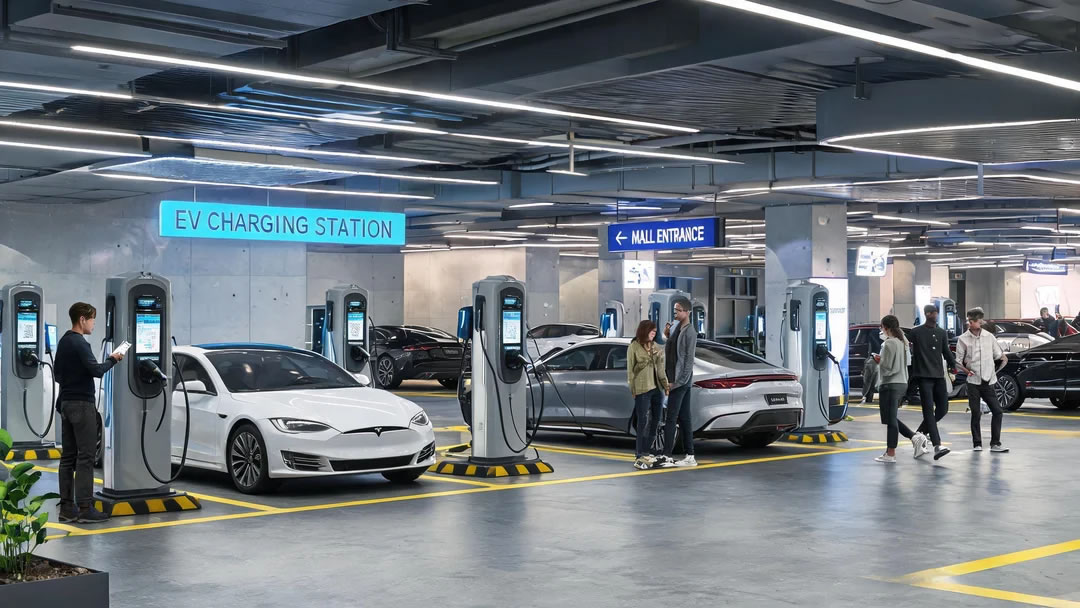
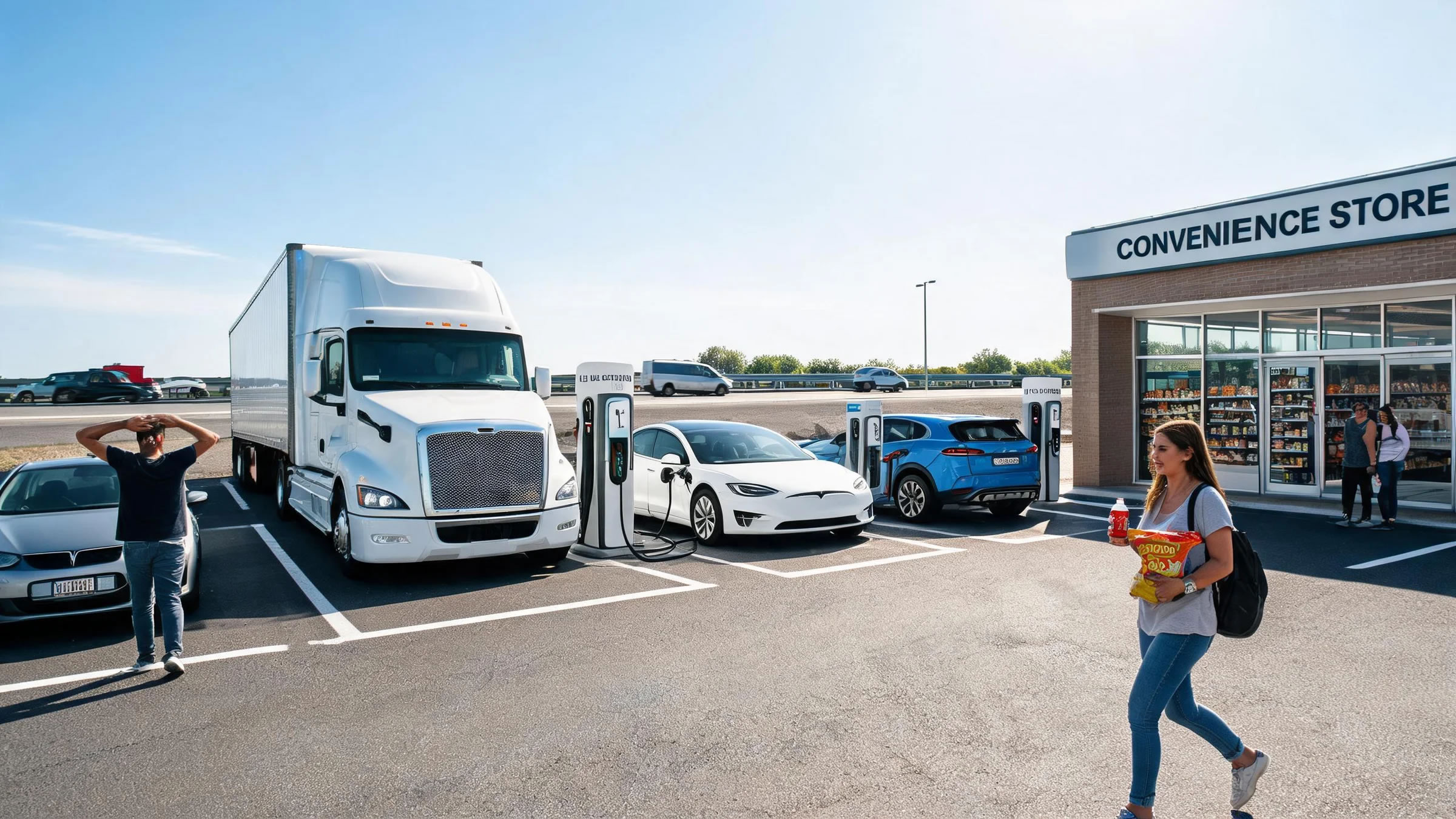
However, the expansion of charging infrastructure is struggling to keep pace with vehicle growth. In many cities, EV users still face long waiting times, limited availability, and uneven distribution of charging stations.
This imbalance highlights a critical issue: while EV adoption is scaling fast, infrastructure deployment remains fragmented.
2. Infrastructure Gap Becomes the Core Industry Challenge
Recent industry reports show that in mature EV markets, the ratio of vehicles to charging points is increasing, putting pressure on existing networks.
In emerging regions such as Latin America, Southeast Asia, and parts of Africa, the situation is even more pronounced:
- Charging stations are scarce
- Urban coverage is limited
- Private investment is still in early stages
This creates a significant “infrastructure gap” — a mismatch between demand and supply.
Rather than being a weakness, this gap represents a major opportunity for infrastructure providers and early investors.
3. Charging Networks Are Becoming the New Energy Layer
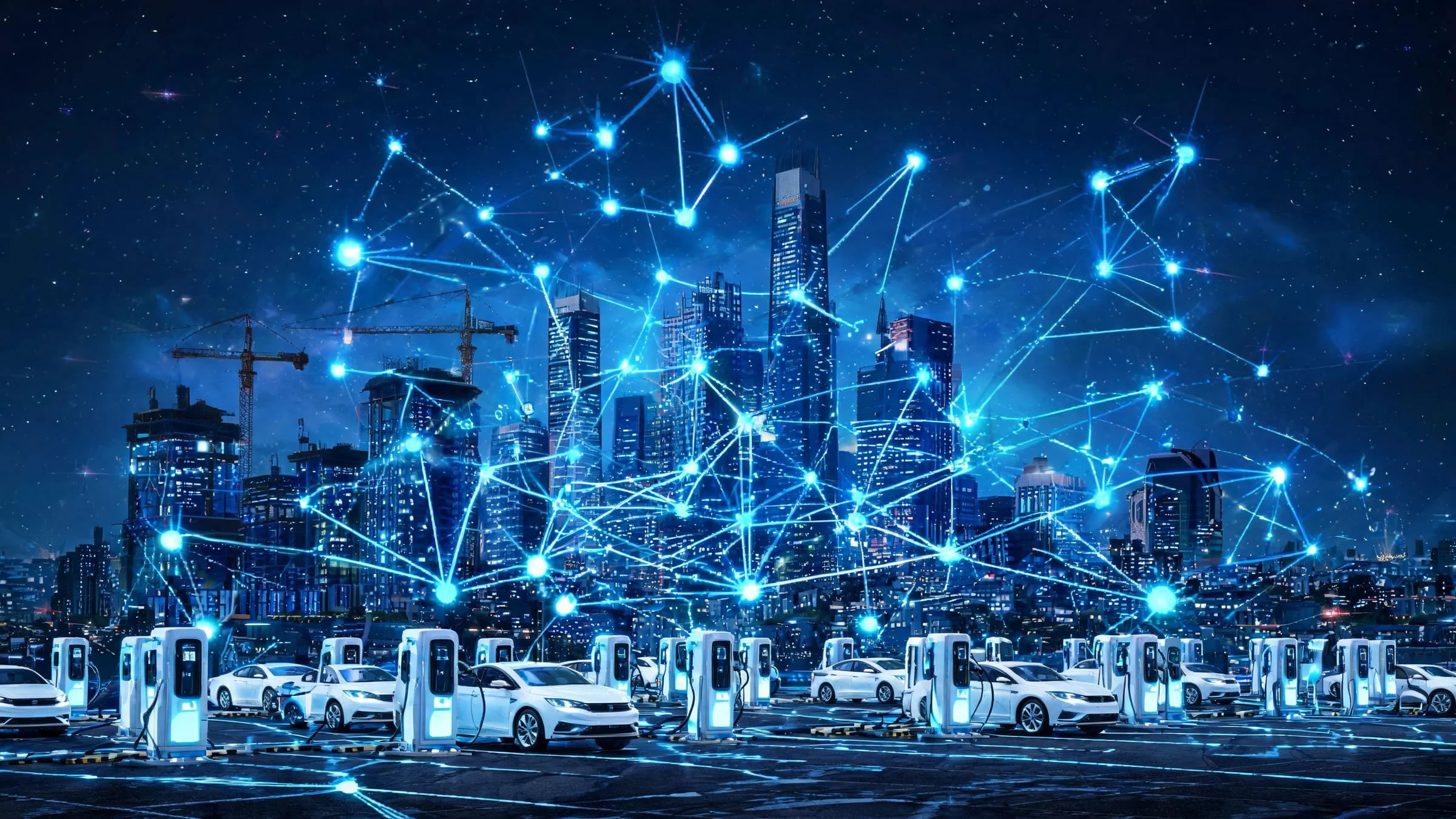
The EV charging industry is evolving beyond simple hardware deployment. Today, charging networks are increasingly integrated with:
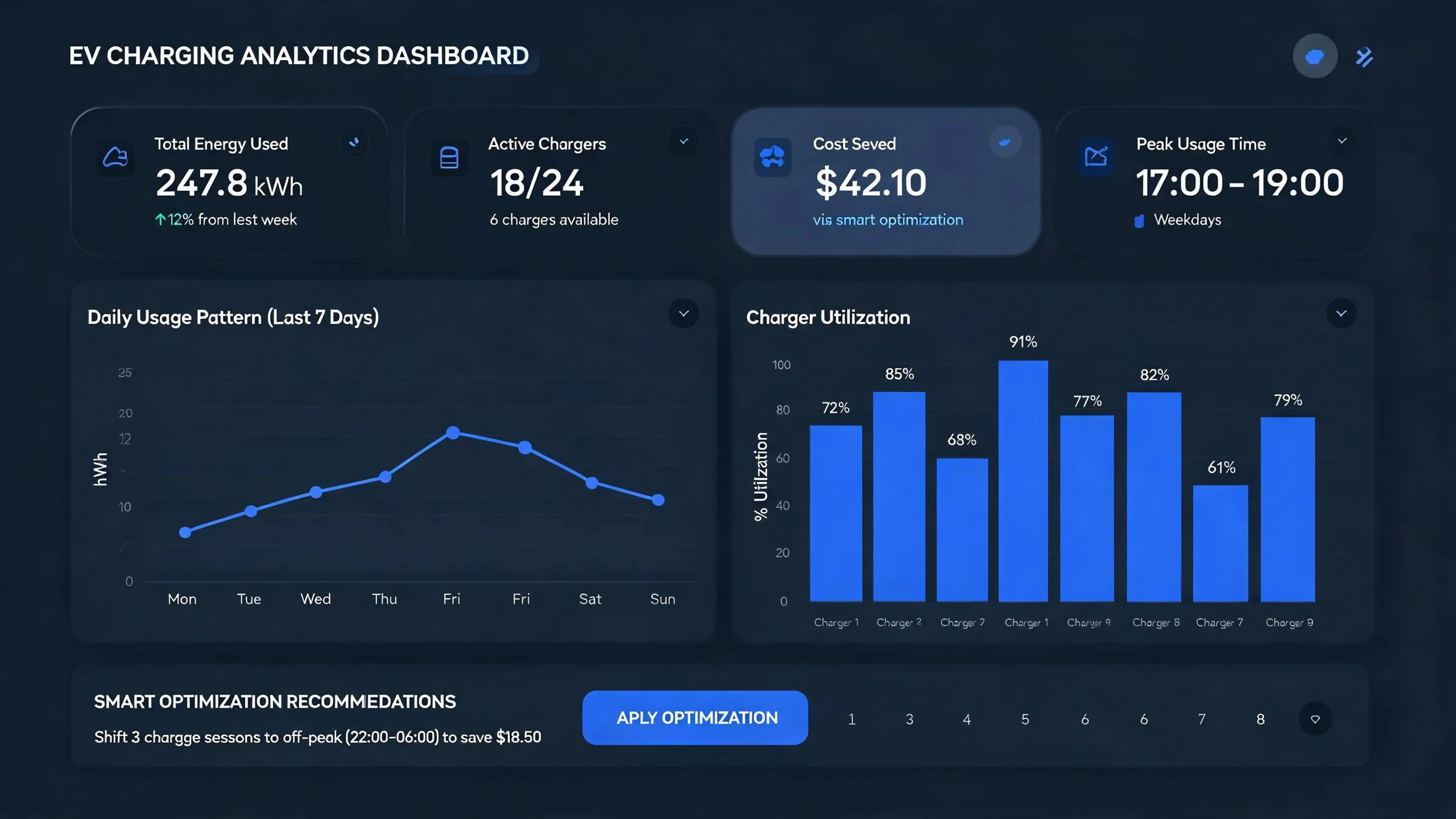
- Smart energy management systems
- Renewable energy sources
- Digital payment ecosystems
Charging stations are no longer isolated assets — they are becoming part of a broader energy network.
This shift is redefining the business model:
From “selling electricity” → to “operating energy networks”
4. Why Emerging Markets Are the Next Growth Frontier
While developed markets are becoming competitive, emerging regions are entering a high-growth phase.
Latin America, in particular, stands out due to:
- Rapid EV adoption in urban centers
- Limited existing infrastructure
- Supportive government signals
- Lower market saturation
These factors combine to create a unique window of opportunity where early infrastructure deployment can capture long-term value.
5. The Investment Logic Behind Charging Infrastructure
Unlike traditional assets, EV charging infrastructure benefits from:
- Recurring usage demand
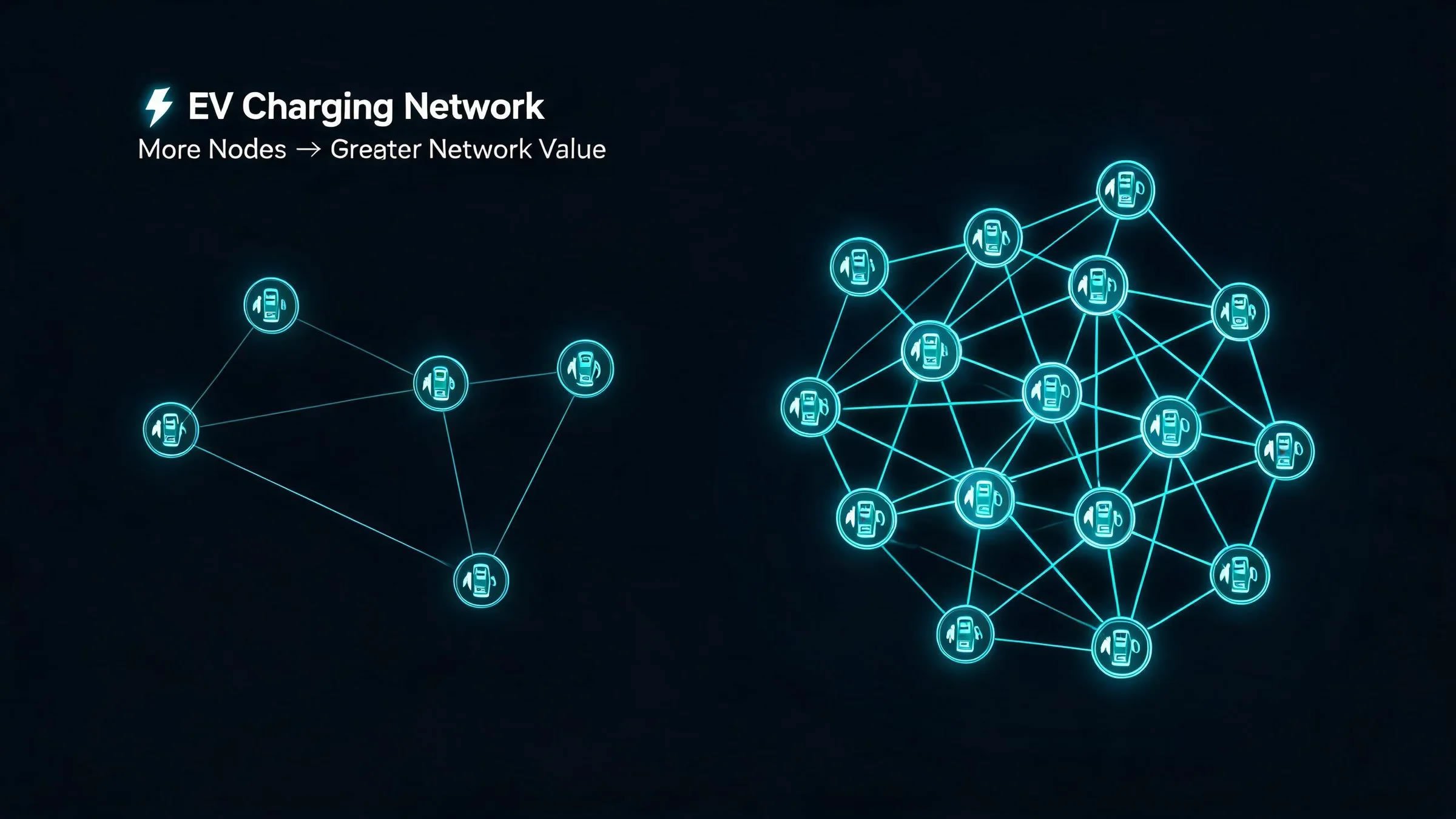
- Network effects
- Scalability across regions
Single charging stations may generate limited returns, but network-level deployment unlocks exponential value through utilization and coverage.
As the EV ecosystem matures, infrastructure will play a foundational role — similar to how telecom networks enabled the digital economy.
Conclusion
The latest EV charging industry news in 2026 reveals a clear trend:
Demand is accelerating faster than infrastructure supply.
This gap is not just a challenge — it is the defining opportunity of the next decade.
Companies and investors who move early into high-growth regions and focus on network-based strategies will be best positioned to benefit from the global transition to electric mobility.
 June 24, 2026