1. A New Growth Frontier for EV Charging
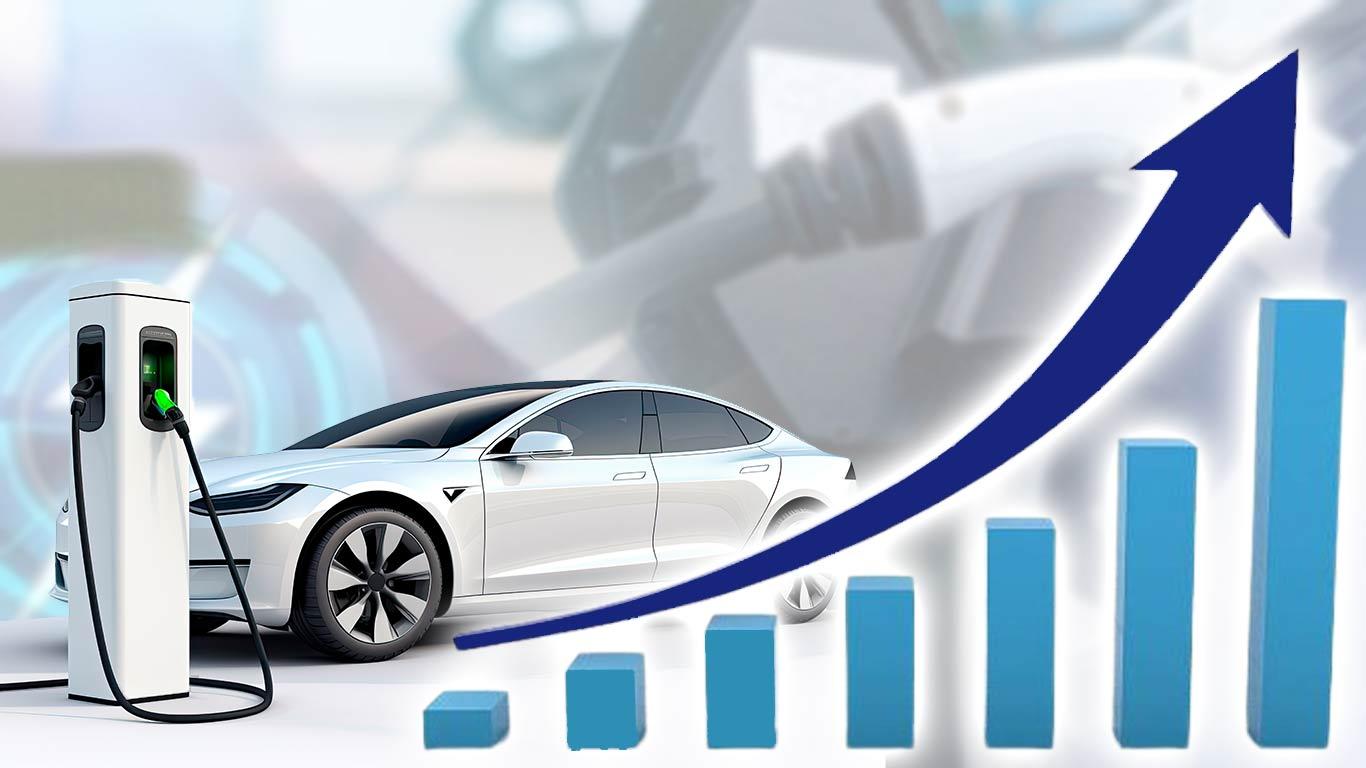
As the global electric vehicle (EV) industry matures, attention is shifting toward emerging markets. In 2026, Latin America is increasingly recognized as one of the most promising regions for EV charging infrastructure development.
Countries such as Mexico, Brazil, and Chile are experiencing steady growth in EV adoption, driven by urbanization, rising fuel costs, and environmental awareness.
However, infrastructure development has not kept pace — creating a significant opportunity.
2. Demand Is Rising Faster Than Infrastructure
Recent industry observations highlight a clear trend across Latin America:
- EV adoption is accelerating in major cities
- Public charging infrastructure remains limited
- Coverage is uneven and fragmented
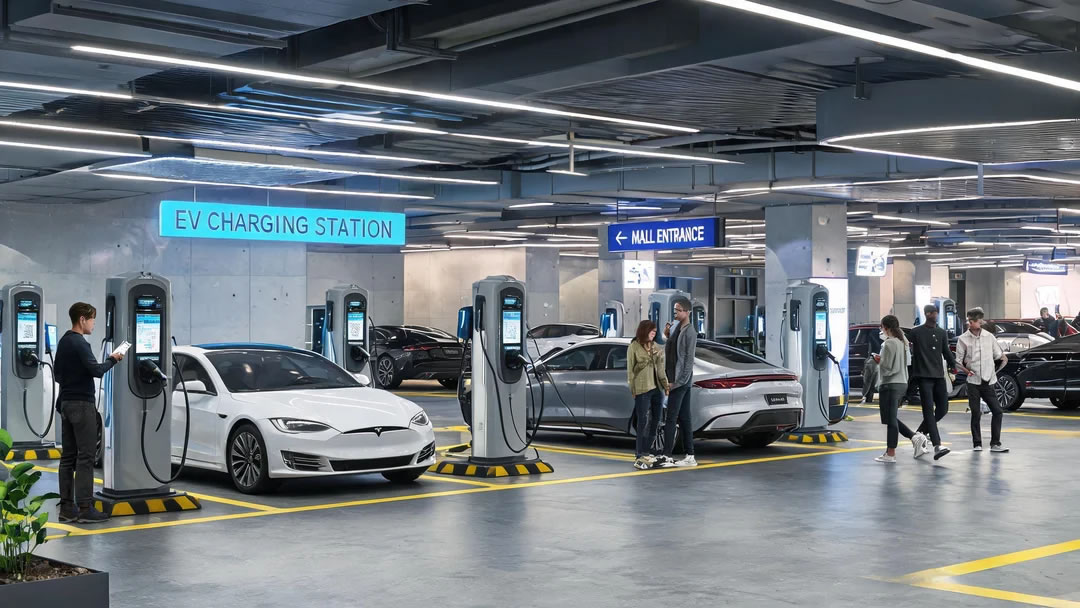
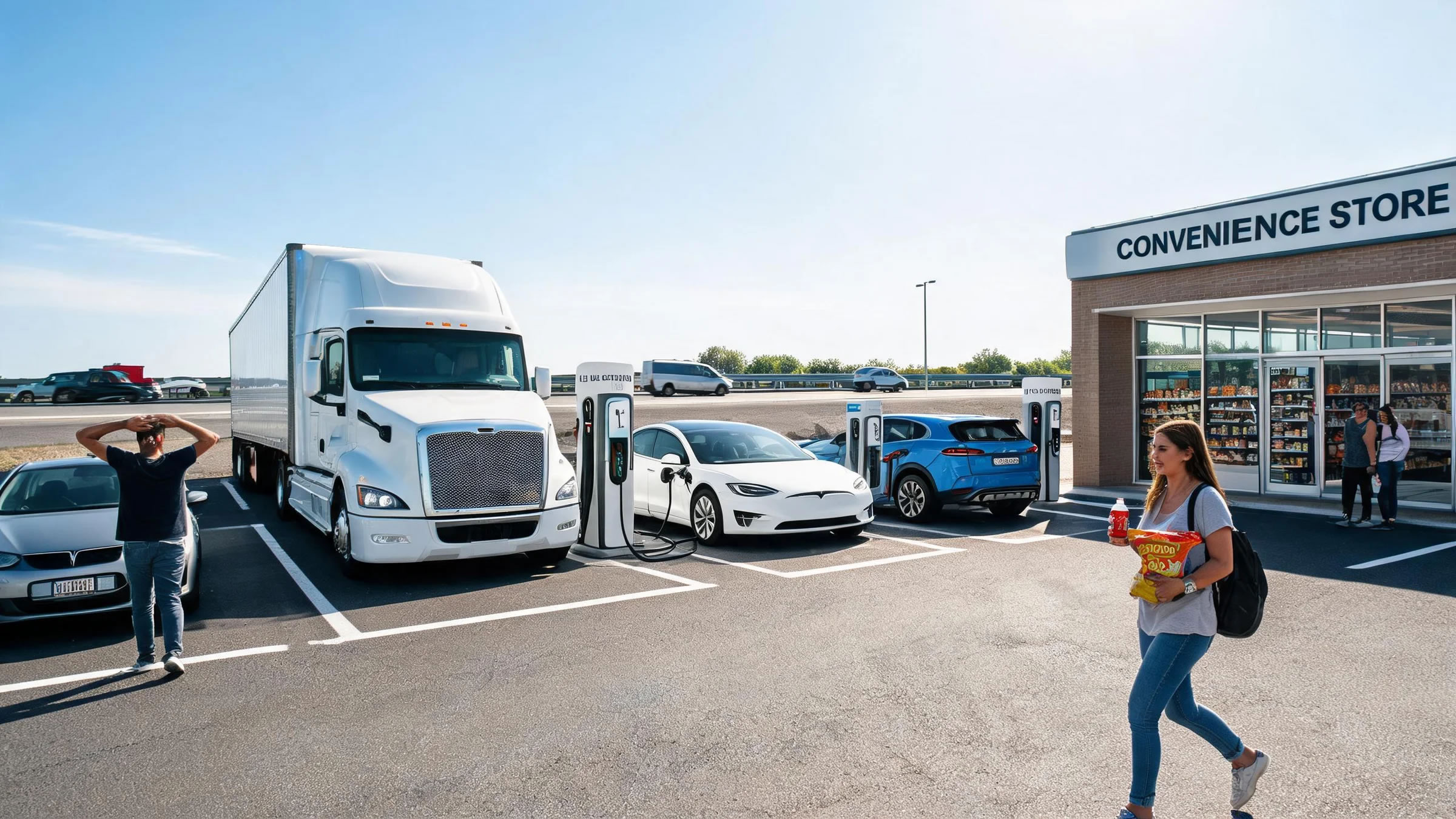
In many urban areas, drivers still face difficulty locating available charging stations, while intercity charging networks remain underdeveloped.
This imbalance between supply and demand is one of the strongest indicators of future market expansion.
3. Low Saturation, High Potential
Unlike mature markets in Europe or North America, Latin America remains relatively unsaturated.
This creates several advantages:
- Lower competition in early stages
- Greater flexibility in network deployment
- Opportunity to define local standards and ecosystems
Early entrants into the market are better positioned to capture prime locations, build user habits, and establish long-term network value.
4. Policy Signals and Market Momentum
Governments across the region are beginning to support electrification through incentives, pilot programs, and regulatory frameworks.
While policies vary by country, the direction is consistent:
Transition toward cleaner transportation and energy systems
Combined with private sector participation, this momentum is accelerating infrastructure investment.
5. From Charging Stations to Energy Networks
The business model is also evolving.
EV charging is no longer just about installing hardware.
It is about building connected energy networks that integrate:
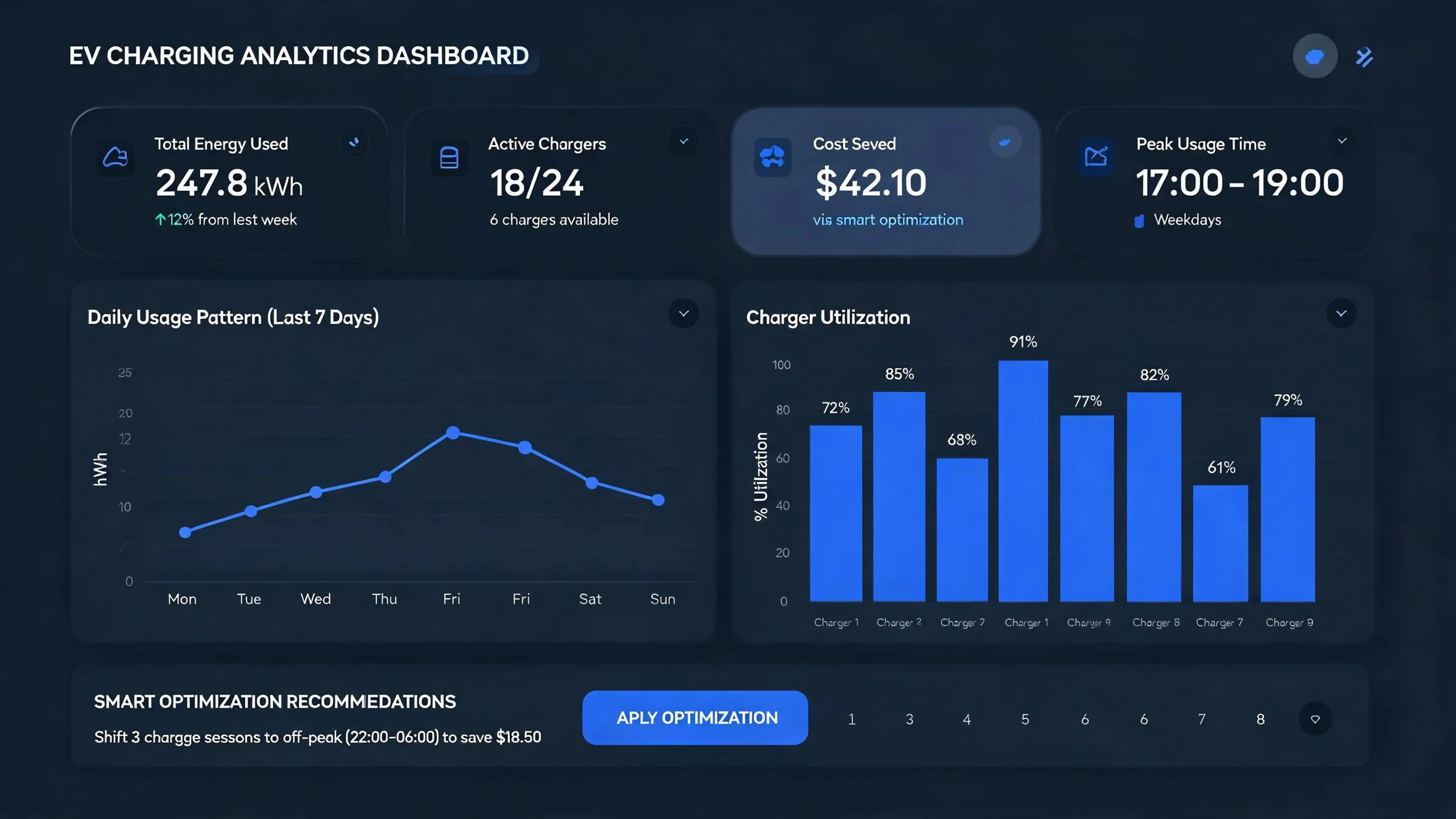
- Smart charging systems
- Digital platforms
- Renewable energy sources
In emerging markets like Latin America, this transformation can happen faster due to fewer legacy constraints.
Conclusion
Latin America represents a unique convergence of:
- Rising EV demand
- Limited infrastructure
- Early-stage market conditions
This combination creates a high-growth environment for EV charging infrastructure.
For companies and investors, the key opportunity lies not just in deploying charging stations, but in building scalable networks that will power the next phase of electric mobility.
 June 26, 2026